
By Maya Bloomton, Beauty Editor, Fashion Weekly Australia
When people think about sunscreen, they usually picture beach days, summer holidays and long afternoons outdoors. But across Brisbane, a growing number of women are embracing a different approach: wearing SPF every single day, regardless of the season.
It might seem surprising, especially during the cooler winter months when temperatures drop and the sun feels less intense. Yet dermatologists, skin experts and organisations such as the Cancer Council continue to stress one important fact: UV radiation doesn't take a winter holiday.
In Australia, where we have some of the highest rates of skin cancer in the world, daily sun protection isn't merely a summer habit. It's one of the simplest and most effective ways to help protect your skin year-round.
If you've ever wondered whether you really need to use sunscreen in winter, here's why Brisbane women are making SPF a non-negotiable part of their everyday routine.
Why SPF Matters Year-Round
The Biggest Winter Skincare Myth
One of the most common misconceptions is that sunscreen is only necessary during hot weather. In reality, ultraviolet (UV) rays can affect your skin throughout the year.
While winter temperatures may feel mild, UVA rays remain relatively consistent across seasons. Unlike UVB rays, which are primarily responsible for sunburn, UVA penetrates deeper into the skin and contributes significantly to premature ageing, pigmentation, collagen breakdown and long-term sun damage.
This means your skin can still experience UV exposure even when it feels cool, cloudy or overcast.
UV Damage Is Often Invisible
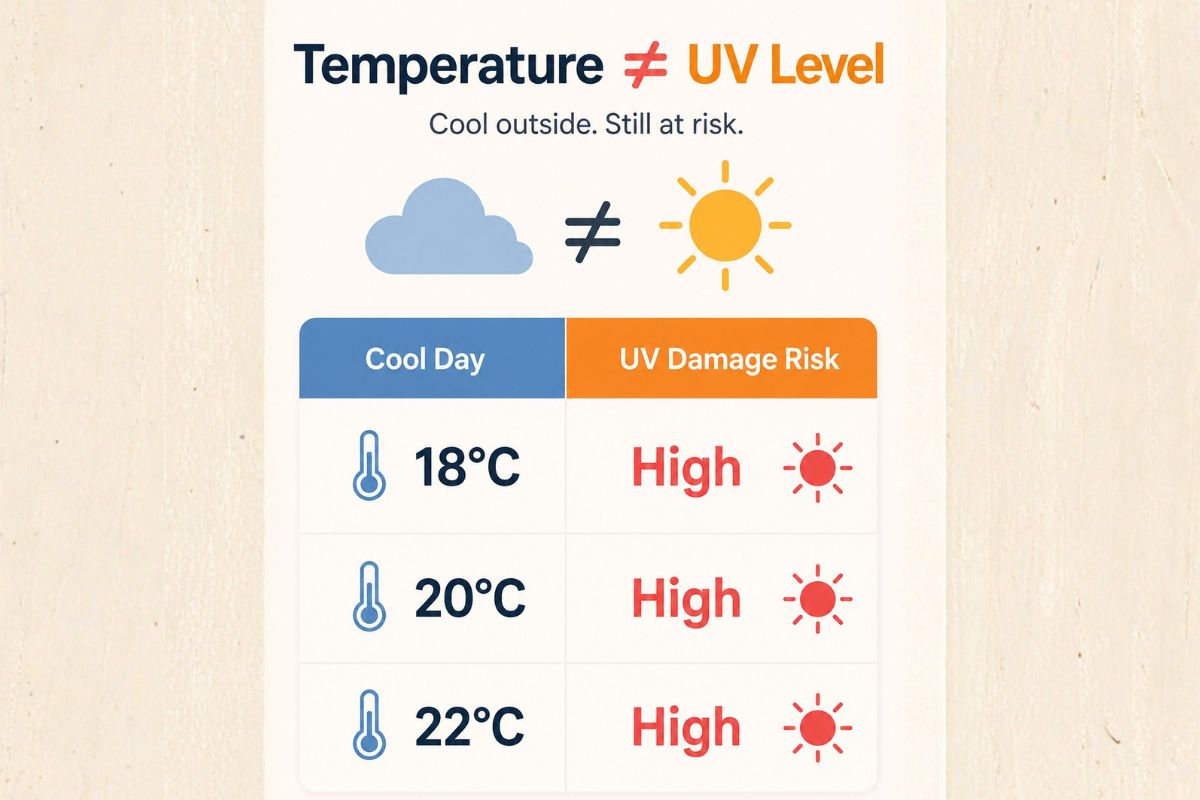
Many people judge sun safety by temperature alone. The problem? UV levels and temperature are not the same thing.
You can feel cold and still be exposed to damaging UV rays.
According to the Cancer Council's SunSmart guidelines, sun protection is recommended whenever the UV Index reaches 3 or above. This benchmark, commonly referred to as "UV is 3," indicates the point at which UV radiation can cause damage to skin cells.
In many parts of Australia, including Brisbane, UV levels frequently remain high enough during winter to require protection.
SPF Is About More Than Preventing Sunburn
Preventing sunburn is important, but it is only one piece of the puzzle. Repeated exposure to UV radiation can contribute to:
- Premature skin ageing
- Fine lines and wrinkles
- Hyperpigmentation
- Reduced skin elasticity
- DNA damage within skin cells
- Increased risk of developing skin cancer
Australia continues to have one of the highest rates of skin cancer in the world, with thousands of Australians diagnosed every year. Skin cancer remains one of the most common and most preventable forms of cancer when appropriate sun protection measures are followed.
For many skincare experts, daily SPF is viewed as the most important anti-ageing product in any routine.
Brisbane UV Reality

Winter Doesn't Mean Low UV
Brisbane's subtropical climate creates a unique challenge.
Even during winter months, UV radiation can remain surprisingly strong. While the weather may feel pleasant and mild, UV rays continue reaching the earth's surface.
Many Brisbane residents spend more time outdoors during winter because conditions feel comfortable for walking, exercising and social activities. Ironically, this can increase cumulative sun exposure throughout the season.
Why Brisbane Women Are Prioritising SPF
Local women are increasingly choosing sunscreen as part of their daily skincare routine because they understand that consistency matters more than seasonality.
A growing focus on skin longevity, prevention and healthy ageing has shifted the conversation away from reacting to damage and towards protecting skin before problems occur.
Many women now see SPF the same way they view brushing their teeth or using moisturiser: a simple daily habit that supports long-term health.
Common Winter Exposure Risks
Even when you're not heading to the beach, you may still be exposed to UV radiation through:
- Walking the dog
- Driving
- Outdoor cafés
- School pick-ups
- Weekend markets
- Sporting events
- Running errands
Reflective surfaces can also increase exposure. While snow is highly reflective and significantly amplifies UV in alpine regions, urban environments contain reflective surfaces such as glass, concrete and water that can still contribute to UV exposure.
In other words, sunscreen during winter is relevant even when a swimsuit never leaves the wardrobe.
The Cancer Council Recommendation
The Cancer Council and SunSmart program recommend:
- Checking the daily UV Index
- Using broad-spectrum sunscreen
- Applying SPF 30 or higher
- Wearing protective clothing
- Using a hat and sunglasses
- Seeking shade when appropriate
These recommendations are designed to support practical sun safety without discouraging healthy outdoor activity.
How to Incorporate It Daily
Choose the Right Sunscreen
One reason many people skip SPF is because older formulas often felt thick, sticky or greasy. Fortunately, modern sunscreen technology has evolved dramatically.
Today's products are often:
- Lightweight
- Non-greasy
- Fast-absorbing
- Comfortable under makeup
- Suitable for sensitive skin
- Designed for daily wear
Look for a broad-spectrum sunscreen that protects against both UVA and UVB rays.
For maximum protection, many dermatologists recommend SPF 50 or SPF 50+, although SPF 30 remains an excellent option when applied correctly.
Apply SPF Every Morning
The easiest way to build the habit is to make sunscreen the final step in your morning skincare routine.
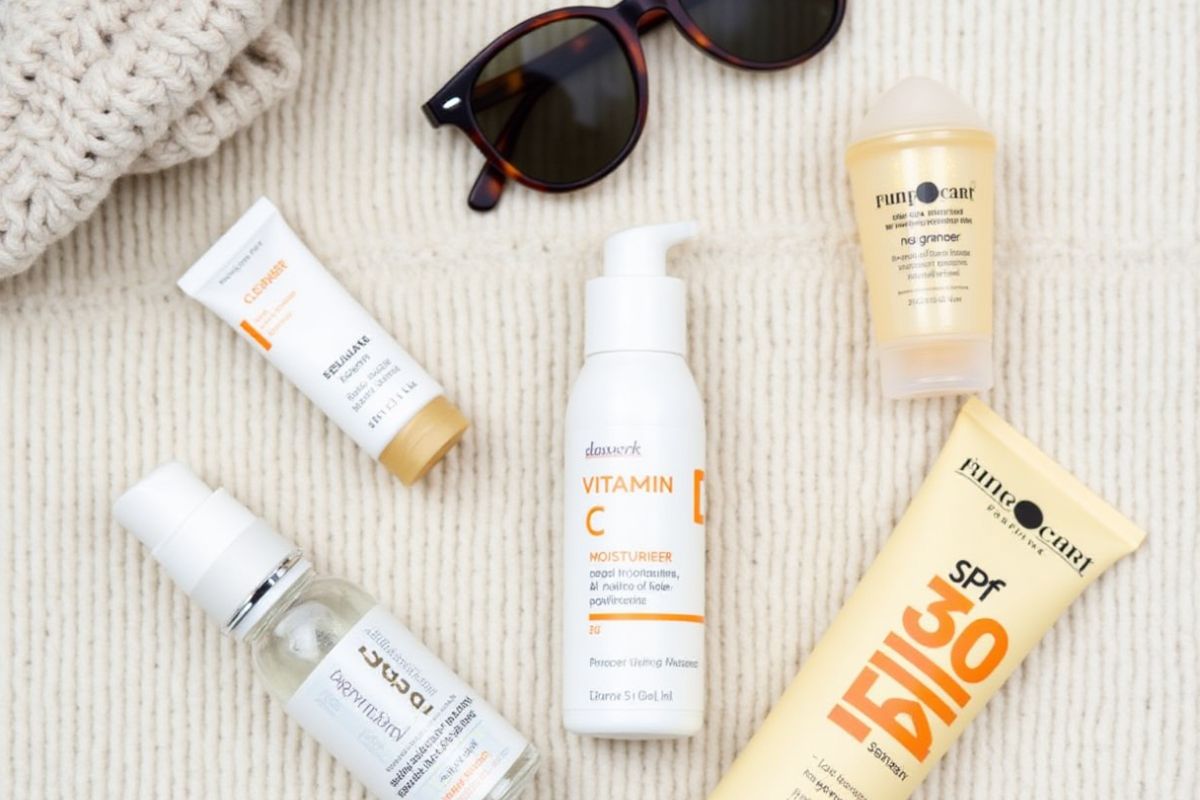
A simple winter routine might include:
- Cleanser
- Serum
- Moisturiser
- SPF
Apply sunscreen generously across:
- Face
- Neck
- Chest
- Ears
- Hairline
- Hands
These are often the first areas to show visible signs of sun damage.
Don't Forget Reapplication
Another common mistake is applying sunscreen once and forgetting about it.
For sustained UV protection, sunscreen should generally be reapplied every 2 hours when spending extended periods outdoors.
You should also reapply after:
- Swimming
- Excessive sweating
- Towel drying
Always follow the directions on your chosen product's packaging.
Pair SPF With Other Protective Habits
Sunscreen works best as part of a complete sun protection strategy.
Consider combining SPF with:
- Wide-brim hats
- Protective clothing
- Sunglasses
- Shade where available
Layering protective measures helps reduce cumulative UV exposure over time.
Quick Winter SPF Checklist
- Apply sunscreen every morning
- Choose SPF 30 or SPF 50 broad-spectrum protection
- Check the daily UV Index
- Protect commonly exposed areas, including ears and hands
- Re-apply every 2 hours outdoors
- Wear protective accessories such as sunglasses and hats
- Follow Cancer Council SunSmart advice
- Make SPF a year-round habit
FAQs: Sunscreen in Winter
Do I really need to use sunscreen in winter?
Yes. UV radiation can still damage skin during winter, even when temperatures are cooler. Brisbane frequently records UV levels high enough to warrant daily protection.
Is SPF 30 enough for winter?
SPF 30 provides strong protection when applied correctly. However, many experts prefer SPF 50 or SPF 50+ for additional coverage and maximum protection.
Can I skip sunscreen on cloudy days?
No. UV rays can penetrate cloud cover. Even on overcast days, your skin may still be exposed to UV radiation.
Does sunscreen stop vitamin D production?
Regular sunscreen use does not typically cause vitamin D deficiency. Brief incidental sun exposure is often sufficient for vitamin D production, but individuals with concerns should speak with a healthcare professional.
What type of sunscreen is best for sensitive skin?
Look for broad-spectrum formulas specifically designed for sensitive skin. Many modern products are fragrance-free, non-greasy and formulated to minimise irritation.
How often should I reapply sunscreen?
When outdoors for extended periods, sunscreen should generally be reapplied every 2 hours, as well as after swimming, sweating or towel drying.
The Bottom Line
For Brisbane women, sunscreen is no longer a summer-only product. It's become an everyday skincare essential.
The science is clear: UV radiation remains present throughout winter, and cumulative exposure can contribute to premature ageing, sun damage and an increased risk of skin cancer over time.
The good news is that protecting your skin doesn't require an elaborate routine. A quality broad-spectrum SPF, applied consistently each morning and reapplied when needed, can make a meaningful difference to your long-term skin health.
As skincare trends continue to evolve, one habit remains timeless: wear sunscreen every day. Your future skin will thank you.