
There was a time when planning a holiday usually began with a destination. Perhaps it was a European summer, a tropical island escape or a long-awaited city break. The location came first, and the experiences followed.
Now, another question is becoming part of the conversation: How do I want this holiday to make me feel?
From restorative weekends and spontaneous solo adventures to trips designed around shared experiences, travellers are exploring more personal ways to plan their time away.
Booking.com's 2027 travel predictions point towards holidays shaped by individual interests, changing priorities and experiences that do not always follow traditional itineraries.
For Australian travellers, this offers an opportunity to rethink what makes a getaway worthwhile.
What Is Mood-Based Travel?
Mood-based travel is the idea of choosing a holiday around the experience or feeling you want from it, rather than starting with a particular destination.
Someone feeling exhausted might prefer a quiet coastal retreat, while another traveller may be craving excitement, creativity or opportunities to meet new people.
The destination still matters, but it becomes part of a bigger decision.
A peaceful weekend in the hinterland, for example, may satisfy a desire for rest just as effectively as a much longer overseas trip. Similarly, someone seeking adventure might find it through hiking, learning a new skill or exploring an unfamiliar city.
The appeal is flexibility. Instead of following an established holiday formula, travellers can consider what they genuinely want from their time away.
Why Travel Is Becoming More Personal
Booking.com's 2027 travel predictions highlight a growing interest in experiences shaped by personal preferences rather than conventional expectations.
The company's research involved more than 28,000 travellers globally, including over 1,000 Australians.
While travel predictions are useful indicators of consumer interests, they are not guarantees that everyone will change how they holiday.
What they do suggest is that travel companies are paying closer attention to the reasons people travel, not simply where they go.
For some, a holiday is about relaxation. For others, it is an opportunity for discovery, celebration, connection or personal independence.
Those motivations can also change from one trip to the next.
The Appeal of Travelling Solo
Solo travel is one way people can create experiences around their individual preferences.
For a lower-commitment introduction, Fashion Weekly has explored the appeal of solo day trips.
Without needing to coordinate another person's schedule, budget or interests, travellers have more freedom to decide how their days unfold.
That might mean spending an entire afternoon exploring galleries, taking a cooking class or simply enjoying a long lunch without a timetable.
Travelling alone does not necessarily mean seeking isolation. Many solo travellers choose group tours, workshops or organised activities that provide opportunities to connect with others.
Equally, solo travel is not for everyone, and there is no reason it should become another lifestyle expectation.
The value lies in having the option to travel in a way that suits your circumstances.
Holidays Built Around Connection
At the other end of the spectrum are trips designed specifically to spend meaningful time with other people.
A weekend with close friends, a multigenerational family holiday or a getaway with a partner can offer a different experience from travelling independently.
These holidays may be less about sightseeing and more about shared moments.
Cooking together, exploring local markets or spending an afternoon by the water can become the experiences people remember most.
For groups with different interests, planning some independent time alongside shared activities can help make the holiday more enjoyable for everyone.
Restorative Travel Without the Pressure to Do Everything
The idea of returning from a holiday feeling more exhausted than when you left is familiar to many travellers.
Packed itineraries can be exciting, but they are not always the best choice when the purpose of a trip is to recharge.
Restorative travel takes a different approach.
Instead of trying to visit every attraction, travellers may choose slower mornings, fewer commitments and accommodation that encourages relaxation.
For Australian travellers, this could mean a few nights in the Sunshine Coast hinterland, a quiet stay along the New South Wales South Coast or time exploring regional Victoria.
These are examples of destinations that may suit a slower itinerary, rather than places specifically identified in Booking.com's research.
The important consideration is what helps you feel rested, whether that involves nature, good food, reading or simply having fewer decisions to make.
Adventure Does Not Have to Mean Extreme Travel
For someone seeking excitement, an adventure holiday does not necessarily require climbing mountains or undertaking physically demanding activities.
Adventure can be as simple as visiting somewhere unfamiliar, travelling independently for the first time or trying an experience outside your usual routine.
Fashion Weekly's guide to micro-adventures offers ideas for exploring without taking time off.
A food tour, photography workshop, guided walk or cultural event can provide a sense of discovery without requiring an elaborate itinerary.
This makes experience-led travel accessible to people with different interests, budgets and comfort levels.
How Australians Can Plan a Holiday Around Their Mood
The first step is to consider what you want from the trip before searching for flights or accommodation.
Ask yourself whether you are looking for rest, excitement, connection, independence or an opportunity to learn something new.
Then think about the practical details.
For a shorter escape, see Fashion Weekly's weekend trip packing guide.
Time: A short break may be sufficient for a restorative getaway, while a more ambitious adventure could require additional planning.
Budget: Choosing a nearby destination may allow more money for experiences rather than transport.
Travel companions: Consider whether travelling alone, with a partner or with friends will best suit the purpose of the trip.
Activities: Identify one or two experiences that matter most instead of trying to fit everything into the itinerary.
Flexibility: Leave room for unexpected discoveries and changes of plan.
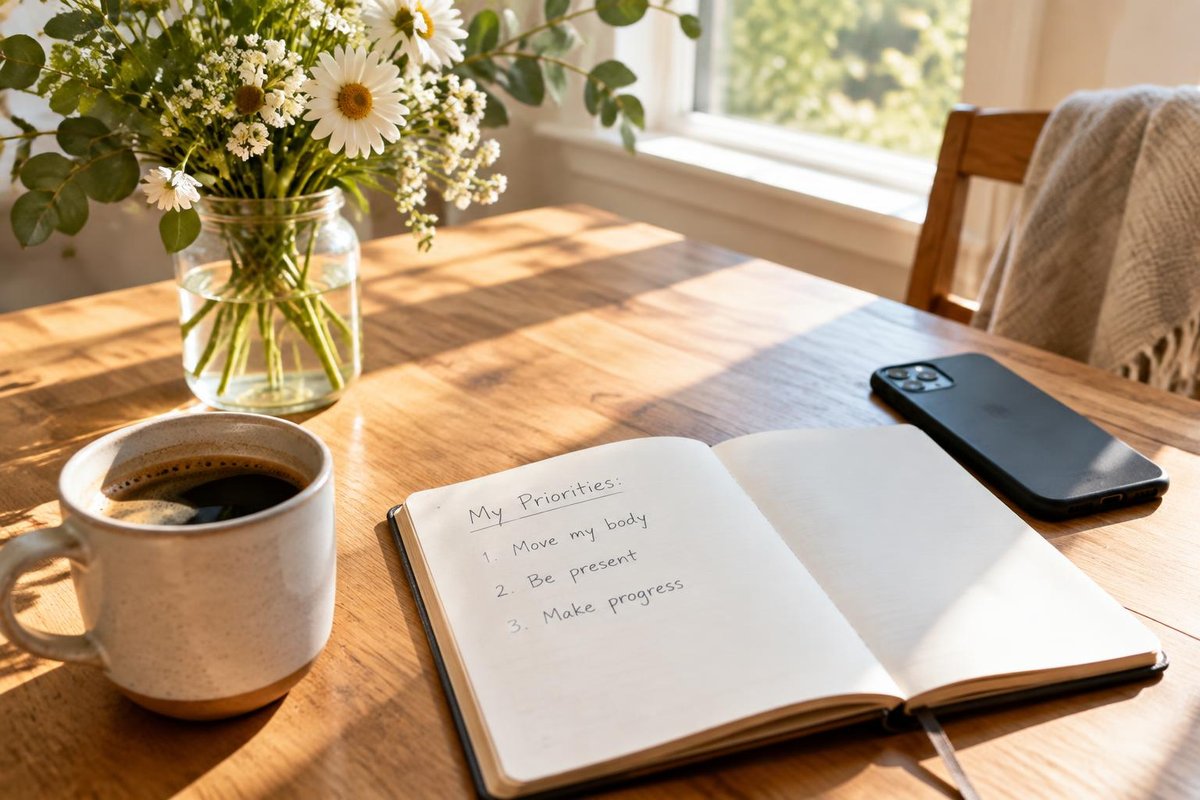
Fashion Weekly Tip: Before booking your next holiday, write down three words describing how you want to feel when you return. Use those words to guide your destination, accommodation and activity choices.
The Future of Travel May Be Less About Following the Crowd
Popular destinations will always have their appeal. There is nothing wrong with wanting to see a famous landmark, visit a beautiful beach or experience a city that has been on your wish list for years.
But a memorable holiday does not need to follow someone else's itinerary.
The more interesting opportunity is to make travel decisions that reflect your own interests, circumstances and priorities.
Whether that means a quiet weekend away, an adventurous solo escape or a holiday spent reconnecting with friends, the most rewarding destination may be the one that gives you the experience you actually need.
And sometimes, that destination is much closer to home than you expected.