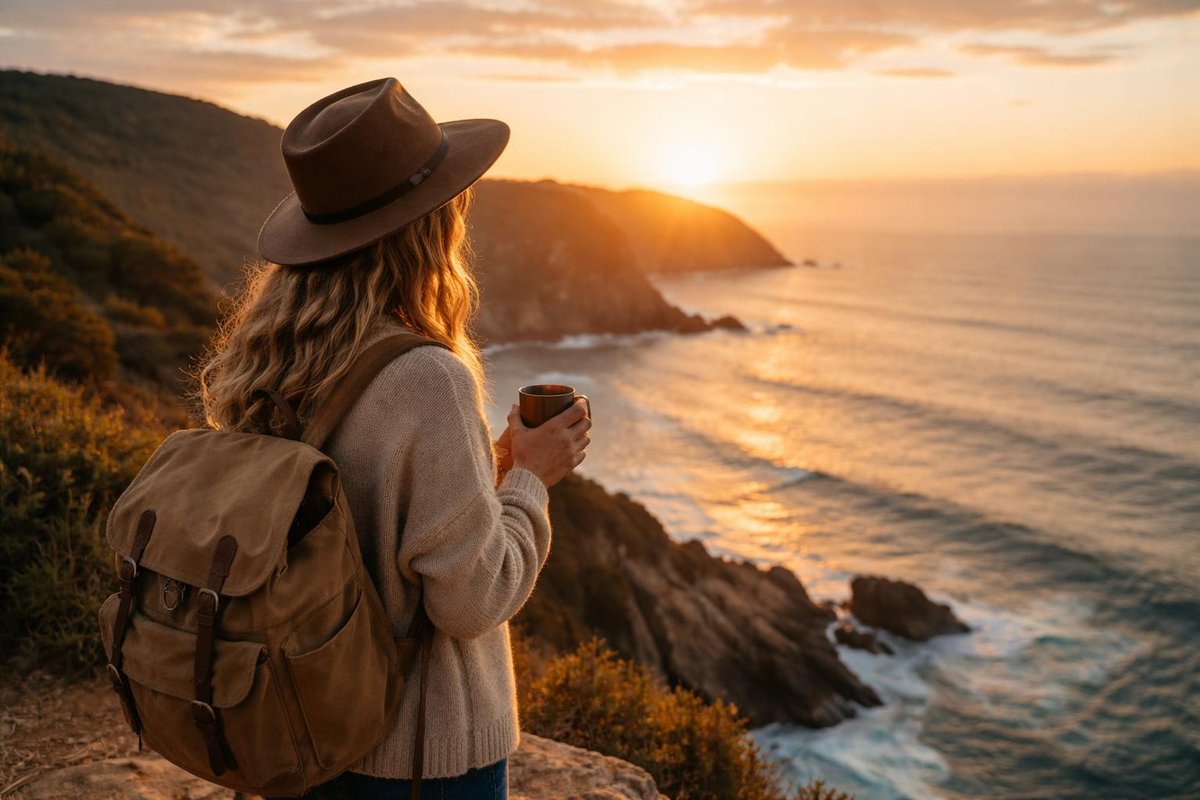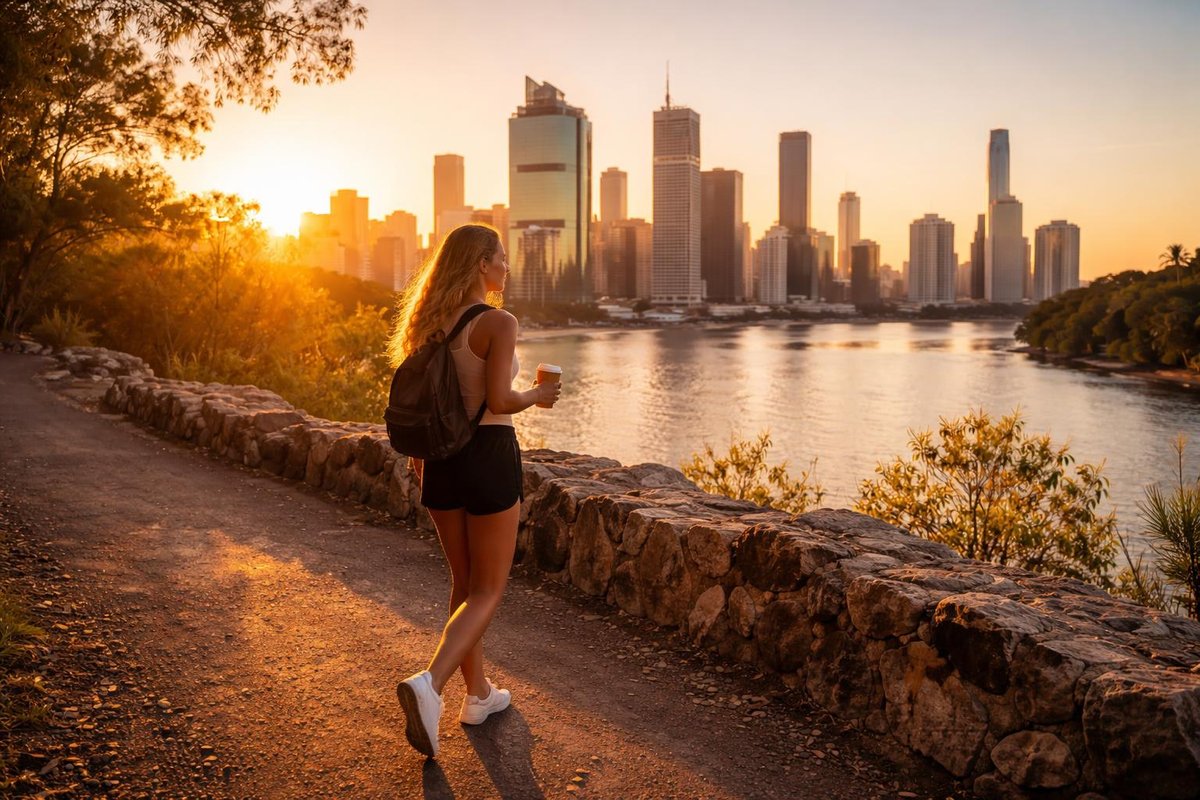
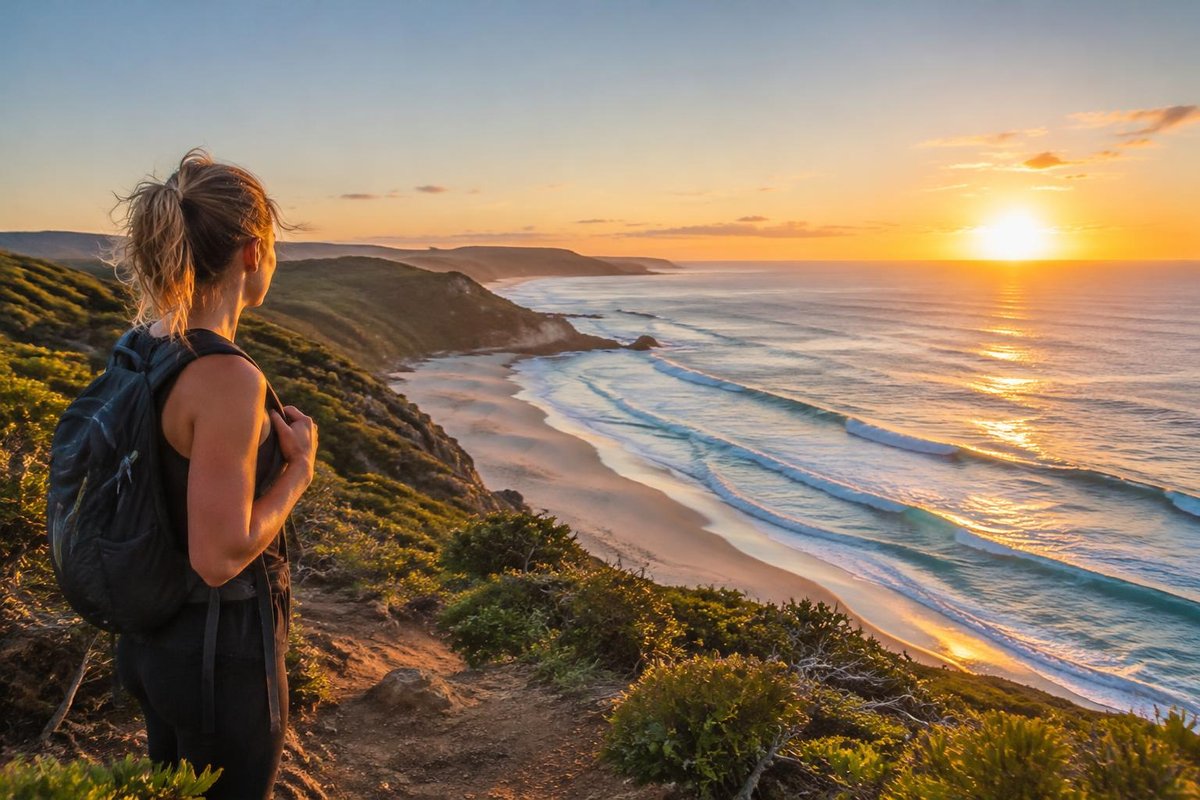
What if the reset you’re craving doesn’t require a week of annual leave, a hefty travel budget, or months of planning? Across Australia, more people are discovering the power of micro-adventures: short, affordable escapes that fit neatly into a weekend while delivering all the excitement of a much bigger trip.
In a culture where busy schedules, family commitments, and the constant bustle of city life often leave little room for extended holidays, microadventures have emerged as an achievable way to reconnect with nature, embrace the outdoors, and explore the beauty that exists closer to home.
Popularised by British adventurer Alastair Humphreys, the concept encourages people to seek meaningful experiences in their own backyard rather than waiting for the perfect opportunity to travel. Whether it's a sunrise hike, an overnight camp, a forest bike ride, or a paddle along a pristine river, these small escapes prove that adventure doesn't have to be complicated.
The Rise of Micro-Adventures: Exploring More Without Taking Time Off
Why Micro-Adventures Are Trending in Australia
Search interest in outdoor recreation, nature-based tourism, and short regional escapes continues to grow as Australians seek affordable ways to unwind without sacrificing work commitments.
The appeal is simple:
- They require little planning
- They fit into weekends
- They're budget-friendly
- They encourage time outdoors
- They help people disconnect from screens
- They offer a sense of discovery without long-distance travel
For many Australian explorers, the biggest surprise is realising how much beauty exists within a short drive of home. A spectacular national park, crystal-clear river, coastal trail, or hidden bush track may be less than two hours away.
What Is a Micro-Adventure?
A micro-adventure is a short, local experience that brings excitement, exploration, and connection with nature into everyday life.
Unlike major holidays or lengthy tours, micro adventures focus on accessibility. The goal is not to travel far but to discover something new, challenge your comfort zone, and return home feeling refreshed.
A typical microadventure might include:
- An overnight camp beside a river
- A sunset hike on a mountain trail
- Cycling through a forest reserve
- Kayaking on a calm marine inlet
- Exploring a cave system
- Surfing at a nearby beach
- Wildlife spotting in a national park
- A dawn paddle across a pristine lake
The challenge is intentionally small, making it achievable for people with busy careers, family commitments, and limited free time.
As Humphreys often suggests, adventure is more about mindset than distance.
Best Australian Spring Ideas
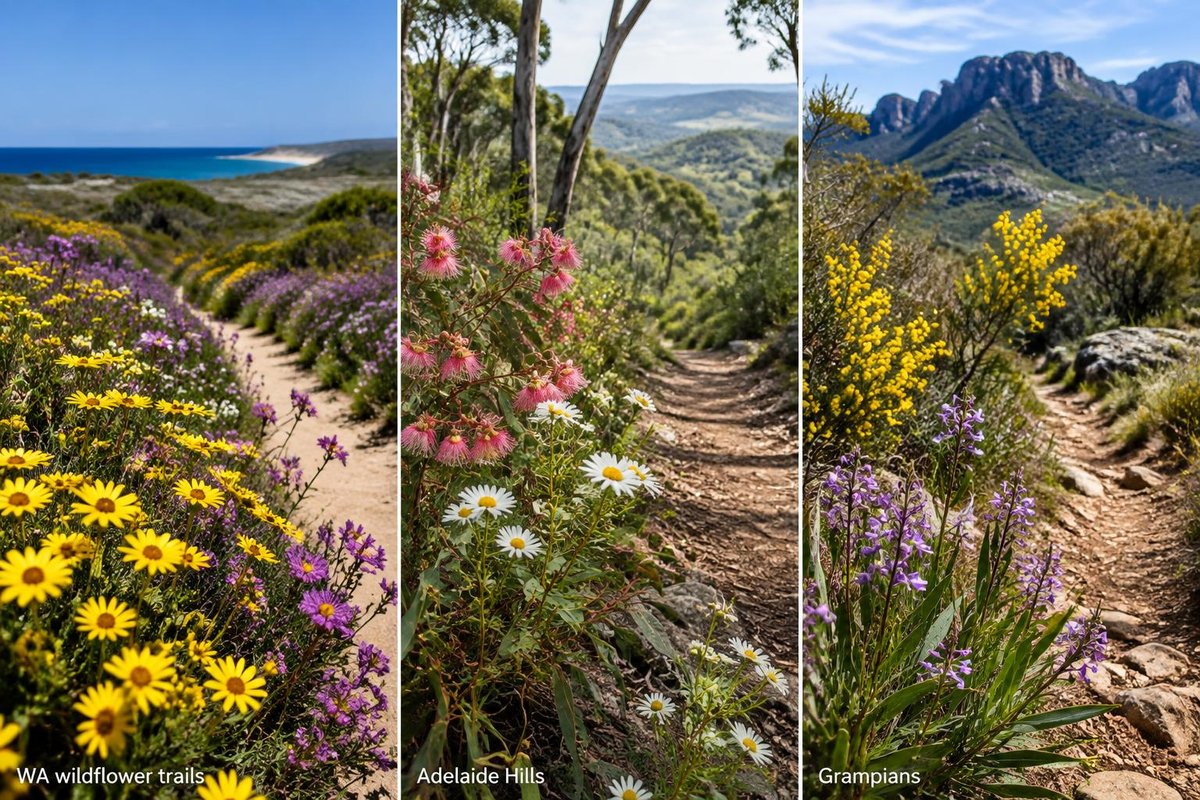
Spring is arguably the perfect season for micro adventures Australia-wide. Temperatures become milder, wildflowers bloom, wildlife becomes more active, and outdoor conditions are ideal for exploring.
1. Overnight Camping in a National Park
One of the easiest ways to embrace a micro escape is to pitch a tent in a nearby national park.
Many Australian parks offer affordable campsites just 100km from major CBD areas. After work on Friday, pack your essentials, drive out, and spend the night beneath a sky full of stars.
Popular choices include:
- Blue Mountains National Park (NSW)
- Grampians National Park (VIC)
- Belair National Park near Adelaide (SA)
- John Forrest National Park near Perth (WA)
The experience may be simple, but waking up surrounded by wilderness often feels worlds away from city life.
2. Take a Coastal Trail Adventure
Australia's coastline offers endless opportunities to explore.
A 45-minute drive from many capital cities can reveal dramatic headlands, hidden beaches, and spectacular ocean views.
Look for:
- Coastal walking trails
- Marine conservation reserves
- Beach hiking routes
- Clifftop lookouts
- Surf-friendly locations
Combining a hike with a picnic lunch creates a low-cost adventure that's both relaxing and rewarding.
3. Kayaking and Paddle Experiences
Kayaking remains one of the most accessible outdoor activities for beginners.
Across Australia, calm rivers, estuaries, and coastal waterways provide ideal conditions for a half-day or full-day adventure.
Excellent spring destinations include:
- Swan River in Perth
- Port River near Adelaide
- Noosa Everglades in Queensland
- Murrumbidgee River near Canberra
A kayak allows you to discover a region from a completely different perspective while engaging with local ecosystems and wildlife.
4. Cycle Through Forest Landscapes
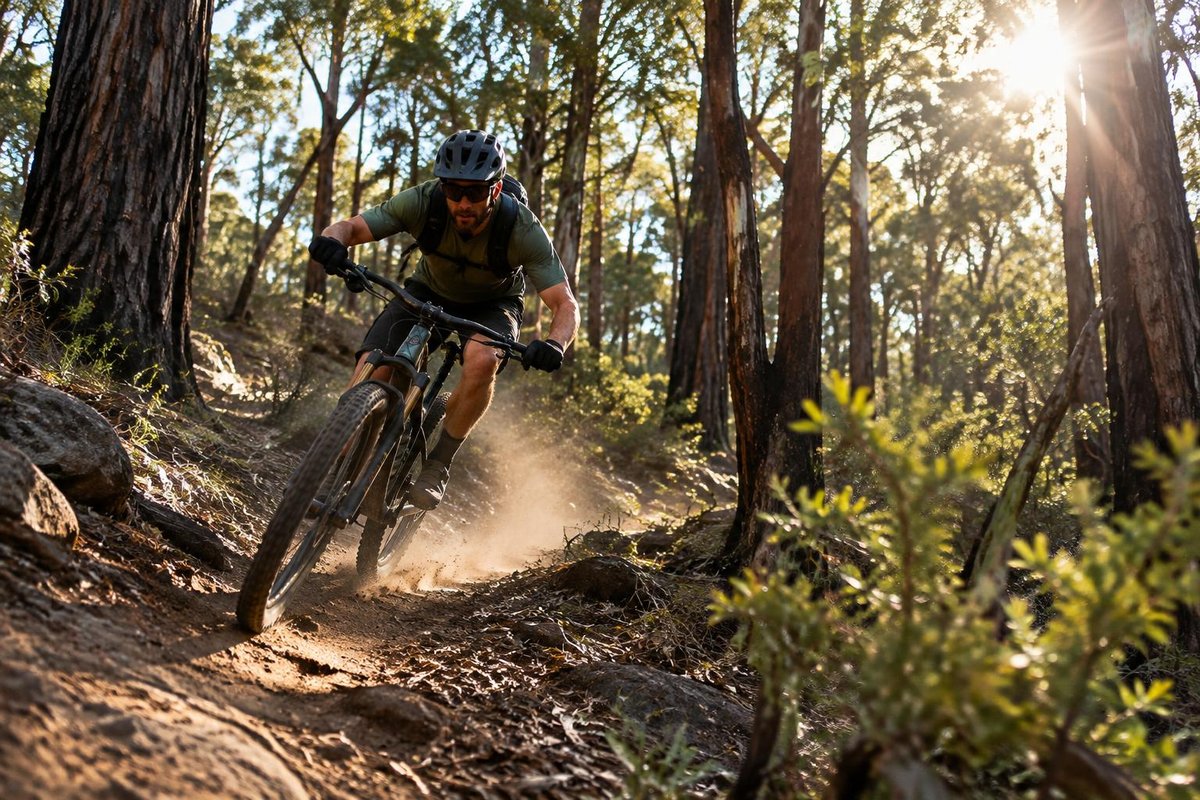
Many Australian cities are surrounded by stunning forest reserves and regional parks.
In WA, visitors can explore iconic jarrah forests through dedicated cycling paths. Elsewhere, mountain bike trails wind through bushland, conservation areas, and wildlife corridors.
Cycling is an excellent way to cover more ground while remaining immersed in nature.
Highlights include:
- Jarrah forests near Perth
- Adelaide Hills cycle routes
- Canberra nature reserves
- Victorian regional trail networks
5. Discover Hidden Natural Wonders
Sometimes the best micro-adventures involve visiting places you've overlooked for years.
Consider exploring:
- A local cave system
- A rainforest walking track
- A freshwater swimming hole
- A scenic river trail
- A wildlife observation centre
- A nearby reef or marine park
These locations often sit surprisingly close to home yet rarely receive the attention of major tourist destinations.
Planning Tips
The success of a microadventure lies in its simplicity.
Keep Your Pack Light
Avoid overcomplicating the experience.
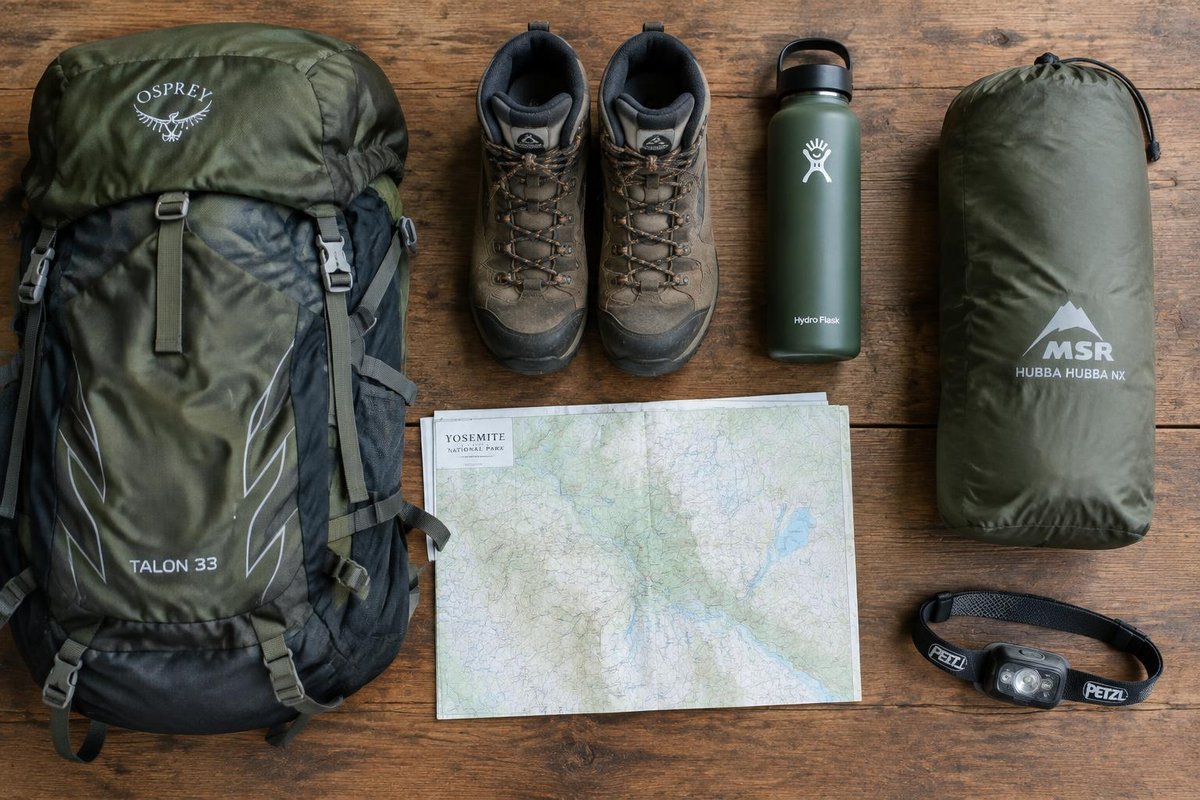
For most weekend escapes you'll only need:
- Water
- Snacks
- Weather-appropriate clothing
- First-aid supplies
- Torch or headlamp
- Phone and power bank
- Basic navigation tools
A lightweight pack makes exploring easier and more enjoyable.
Choose Achievable Challenges
The goal isn't to climb Australia's tallest mountain or complete an extreme endurance challenge.
Focus on manageable experiences that fit your fitness level and available time.
Examples include:
- A two-hour bush walk
- An overnight camp
- A short-distance cycle route
- A beginner kayaking trip
- A sunrise beach hike
Building confidence gradually makes future adventures more rewarding.
Research Conditions Before You Go
Always check:
- Weather forecasts
- National park alerts
- Trail conditions
- Fire restrictions
- Conservation notices
- Water safety updates
Responsible planning ensures both safety and environmental protection.
Embrace the Unexpected
One of the greatest benefits of micro adventures is learning to appreciate spontaneity.
The route may change. The weather might surprise you. You could discover a new walking track, spot rare species, or stumble across a viewpoint that wasn't marked on your map.
Those unplanned moments often become the most memorable.
Saveable Weekend Micro-Adventure Checklist
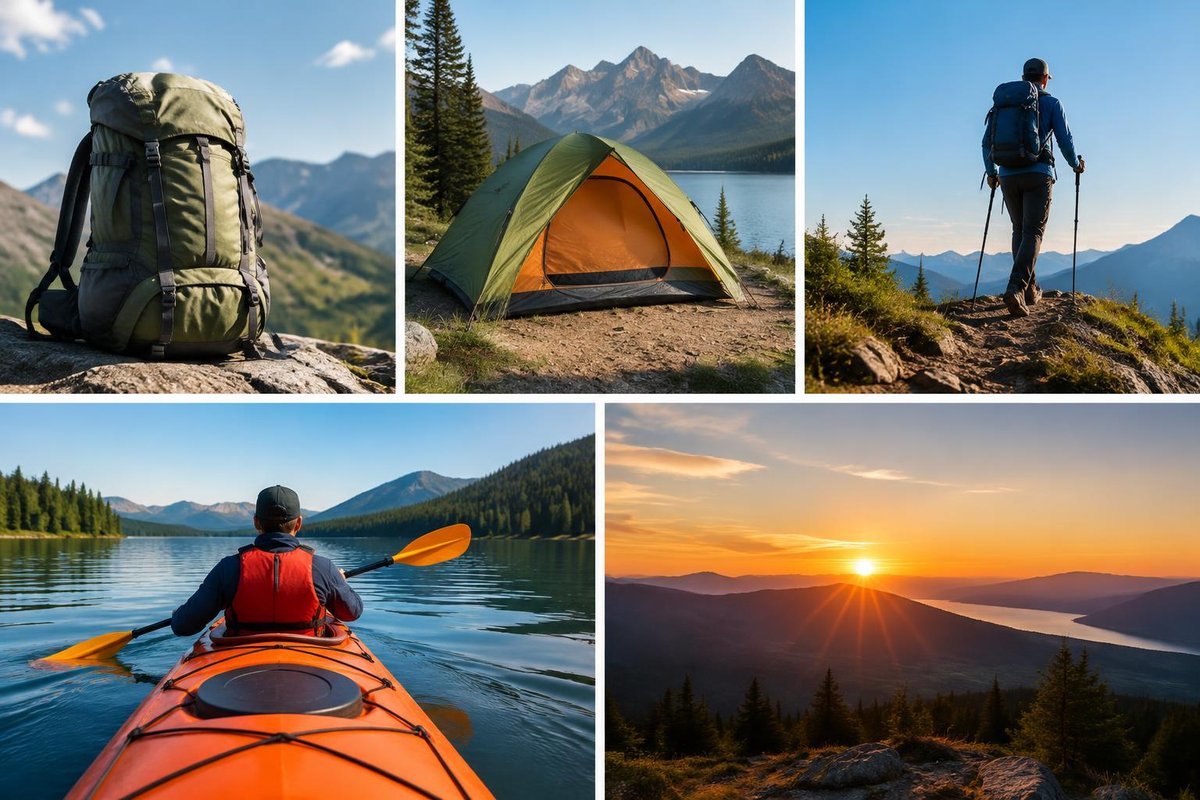
Friday Evening
- Finish work
- Pack essentials
- Leave the city
- Travel to your chosen location
Saturday
- Hike a trail
- Explore local wildlife
- Kayak or paddle
- Visit a beach or river
- Camp overnight
Sunday
- Watch sunrise
- Short walk or cycle
- Breakfast outdoors
- Return home refreshed
Total annual leave required: Zero.
The Relationship Benefit Nobody Talks About
While microadventures are often marketed as outdoor experiences, their real value may be the way they help people reconnect, both with themselves and with others.
In an age where many of us spend our weekends catching up on chores, scrolling through screens, or rushing between commitments, a simple outdoor escape creates space for genuine conversation and shared experiences.
Whether you're spending the weekend with a partner, friends, family, or heading out solo, intentionally stepping away from routine can strengthen connection, increase mindfulness, and improve overall wellbeing.
Sometimes the most meaningful adventures aren't the ones that take you furthest. They're the ones that bring you closer to the people and places that matter most.
FAQs About Micro Adventures Australia
Are micro-adventures suitable for beginners?
Yes. Most microadventures are designed to be accessible and achievable. Start with simple activities such as a local trail walk, beach visit, or overnight camp close to home.
How much do micro-adventures cost?
Many cost very little. A day hike, cycling excursion, or national park visit can often be completed for the price of fuel, food, and any required park entry fees.
Do I need specialist equipment?
Not usually. Comfortable clothing, appropriate footwear, water, and basic outdoor gear are enough for most beginner adventures.
What is the ideal distance for a micro-adventure?
There are no strict rules, but many people choose destinations within a short drive, often under two hours from home. The emphasis is on convenience and accessibility.
Can families enjoy micro-adventures?
Absolutely. Family-friendly hikes, wildlife encounters, beach outings, forest walks, and beginner kayaking experiences are all excellent options.
Final Take
The rise of micro-adventures reflects a simple but powerful shift in how Australians think about travel. Instead of waiting for annual leave, bigger budgets, or perfect timing, more people are choosing to explore what's already around them.
A nearby trail, a quiet river, a pristine beach, or an overnight camp in the wilderness can offer the same sense of wonder that many people seek from larger holidays. The beauty of the microadventure is that it's achievable, affordable, and available almost any weekend.
The next great adventure may not be on the other side of the world. It could be waiting just around the corner, closer to home than you ever imagined.