One minute you're reaching for sunglasses, the next you're hunting for a jacket. Australian spring has always been famously changeable, but in recent years those dramatic weather swings have become harder to ignore.
From unexpected cold snaps and sudden downpours to early-season heatwaves, getting dressed has become a daily exercise in adaptability. As climate change continues to influence seasonal patterns, shoppers are rethinking not only what they wear but how they build a practical, sustainable wardrobe.
The result is a growing movement towards climate-smart fashion: clothing designed to handle fluctuating temperatures while reducing environmental impacts. It's a shift that prioritises versatile layers, thoughtful fabric choices and long-term wardrobe planning over fast fashion purchases that quickly end up in landfill.
For Australian consumers, spring dressing is no longer about chasing the latest fashion trends. It's about building a wardrobe that works with changing conditions while supporting sustainability and reducing fashion's carbon footprint.
Why Dressing for Spring Has Become More Complex
Australia's climate varies dramatically from region to region, and increasingly unpredictable weather patterns mean a warm morning can become a chilly afternoon within hours.
Many fashion experts point to a broader shift occurring across the global fashion industry. As discussions around climate crisis, greenhouse gas emissions and sustainable development goals become more prominent, consumers are starting to scrutinise both the environmental and social impacts of their clothing choices.
The fashion industry is responsible for significant carbon emissions through raw material production, manufacturing, transportation and disposal. From cotton and polyester processing to shipping networks often compared with aviation and shipping combined in environmental discussions, every garment carries a footprint.
At the same time, consumer demand is changing. Rather than buying multiple seasonal wardrobes every year, Australians are increasingly investing in versatile pieces that extend the life of clothes and adapt across temperature ranges.
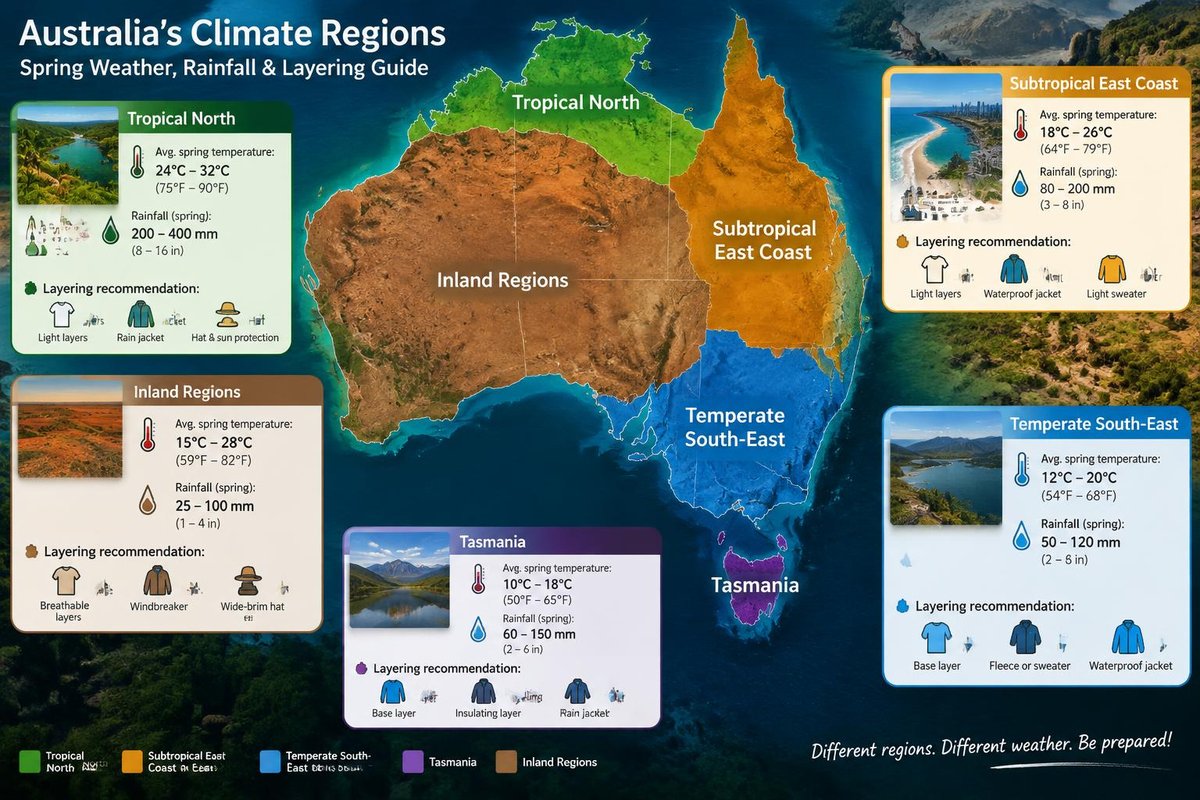
Australia's Spring Climate Map
Tropical North (Darwin, Cairns)
- Warm and humid
- Frequent storms
- Lightweight breathable layers essential
Subtropical East Coast (Brisbane, Gold Coast)
- Warm days
- Cooler mornings
- Sudden rainfall common
Temperate Cities (Sydney, Melbourne, Adelaide)
- Highly variable temperatures
- Layering critical
- Wind and rain frequent
Southern Regions (Tasmania)
- Cold mornings
- Mild afternoons
- Outerwear remains essential
Inland Areas
- Significant day-to-night temperature shifts
- Lightweight layers provide flexibility
Style takeaway: The more unpredictable the climate, the more valuable a versatile wardrobe becomes.
The Three-Layer Formula
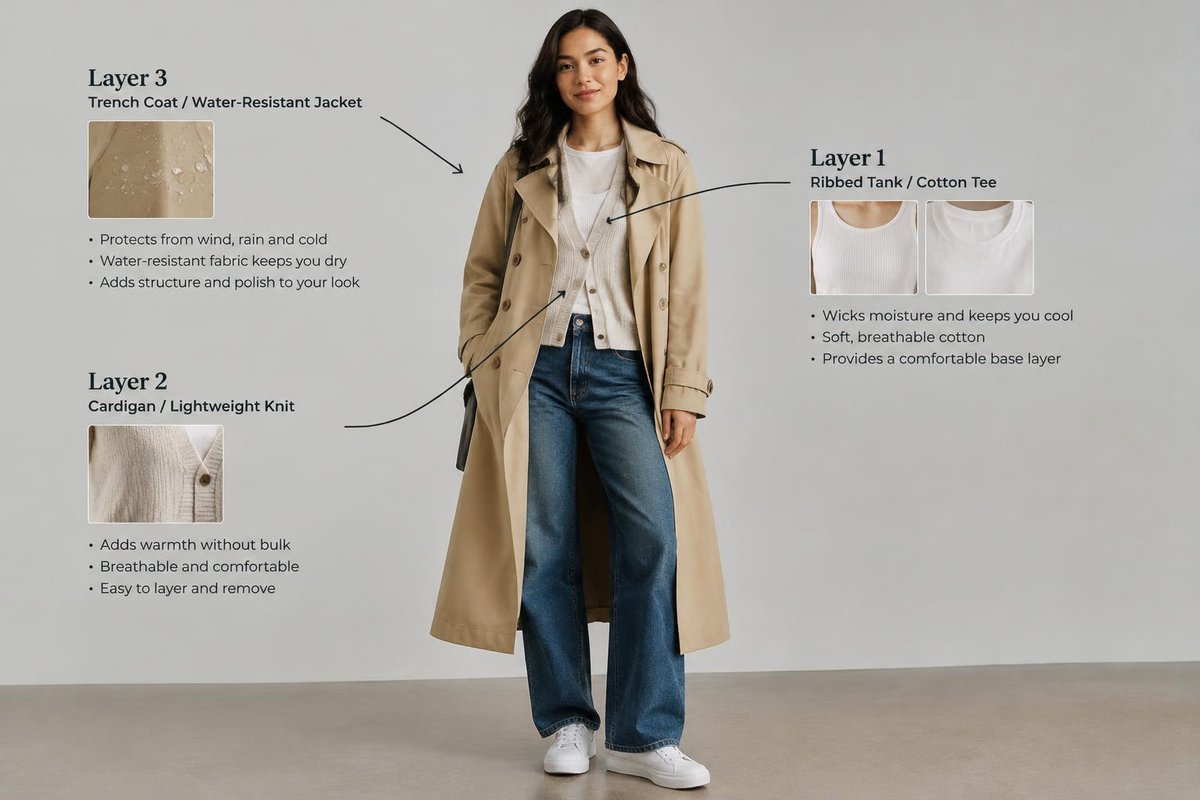
Fashion Week street style consistently demonstrates one styling truth: the most sophisticated outfits are often built through layering.
This season's smartest formula combines comfort, practicality and refined styling.
Base Layers
The foundation should regulate body temperature and remain comfortable throughout the day.
Ideal options include:
- Lightweight cotton tees
- Merino wool tops
- Ribbed tanks
- Bamboo basics
- Breathable long-sleeve tops
Natural fibres offer temperature regulation while reducing reliance on materials derived from fossil fuels.
Outfit Formula:
Ribbed tank + tailored trousers + oversized shirt
This combination works from cool mornings through warmer afternoons.
Mid Layers
Mid layers provide insulation when temperatures fluctuate.
Key pieces include:
- Fine-knit cardigans
- Lightweight knitwear
- Denim shirts
- Utility overshirts
- Relaxed blazers
A well-chosen mid layer transforms a simple outfit into something elevated and contemporary while providing practical warmth.
Outfit Formula:
Cotton tee + lightweight cardigan + relaxed jeans + loafers
An effortless spring uniform suitable for workdays and weekends.
Outer Layers
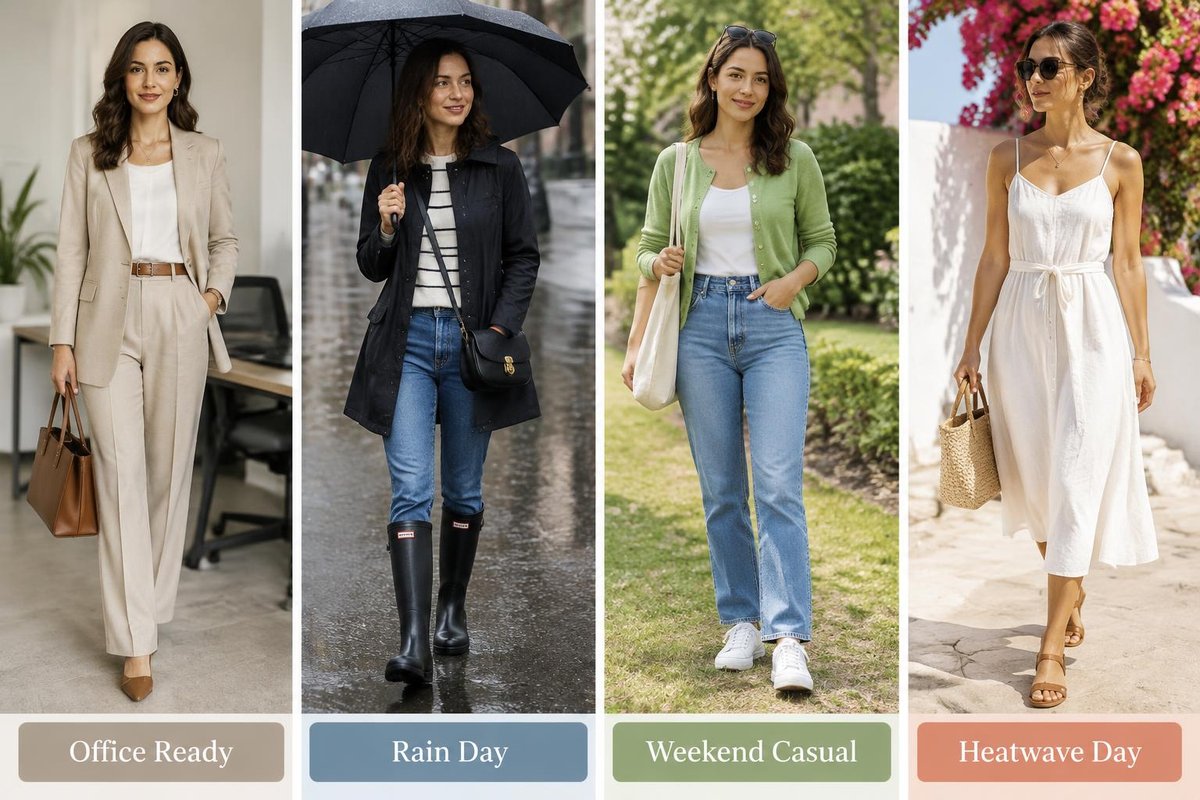
Outerwear has become one of the smartest wardrobe investments Australians can make.
Look for:
- Trench coats
- Water-resistant jackets
- Lightweight parkas
- Technical shells
- Structured overshirts
These pieces offer flexibility during rain, wind and unexpected cold fronts.
Outfit Formula:
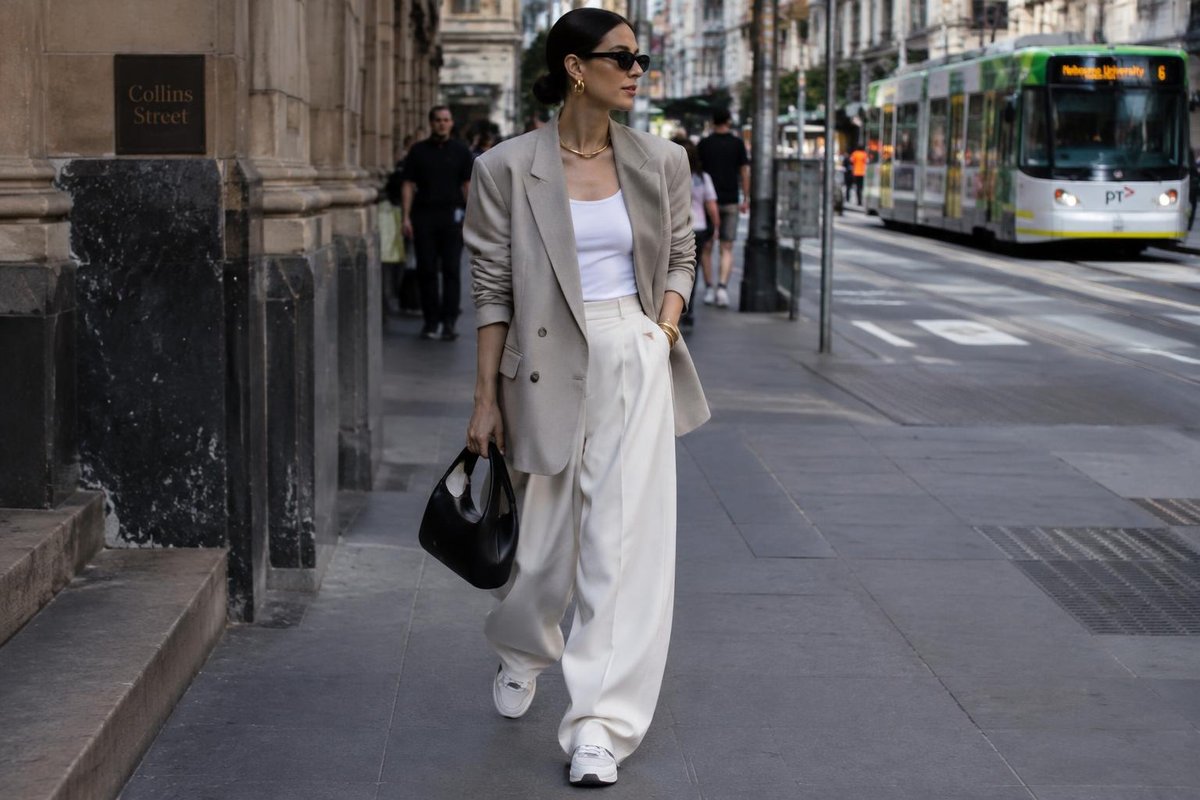
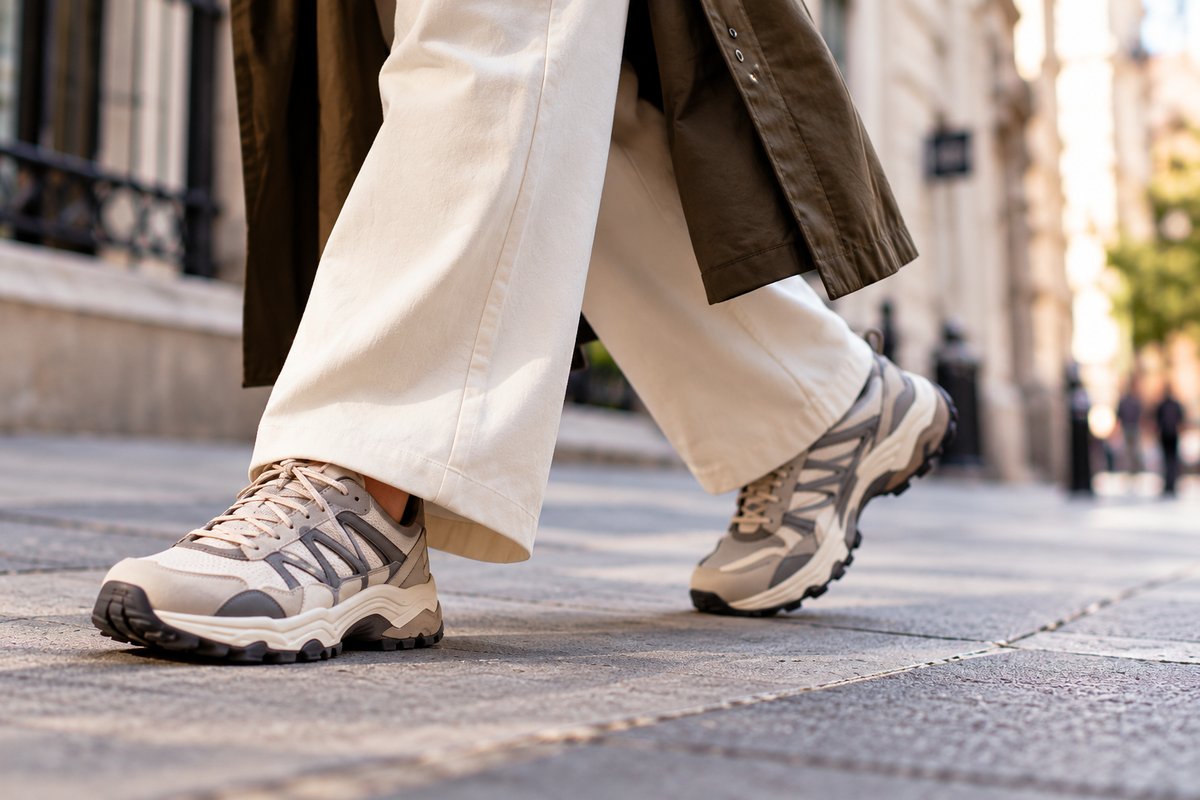
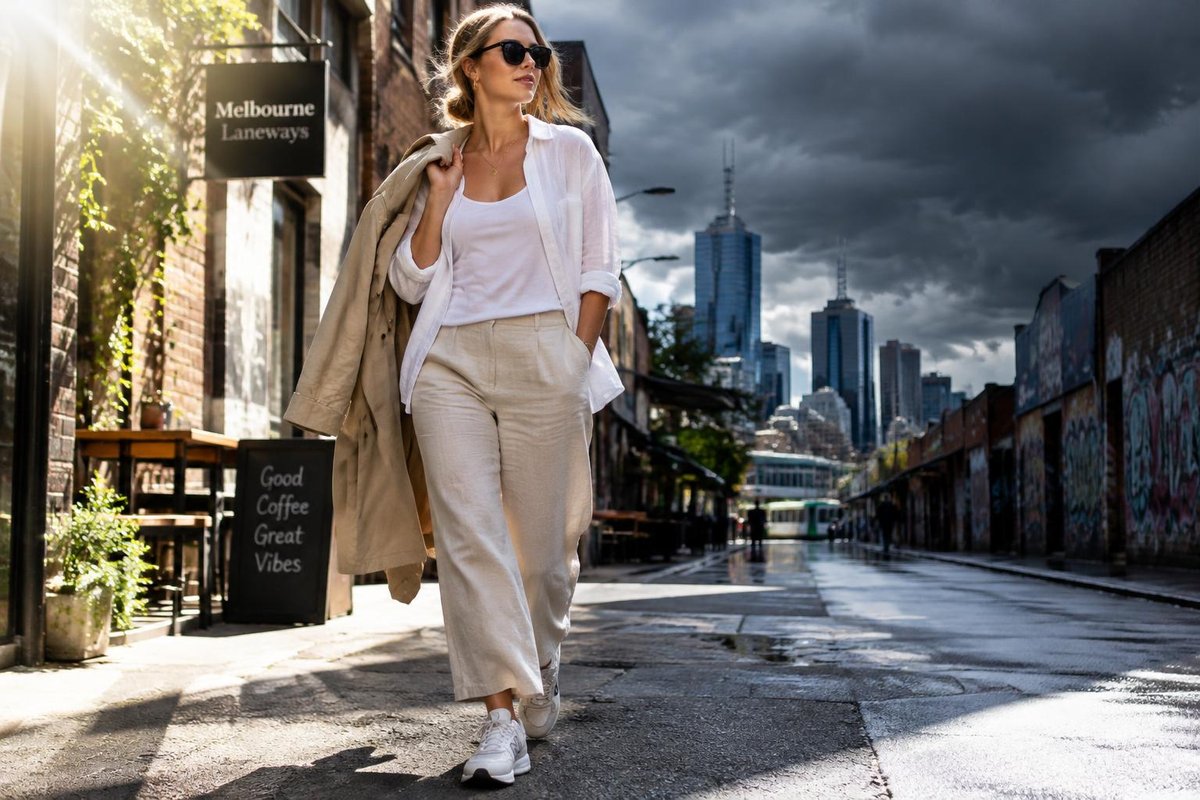
Merino knit + wide-leg pants + trench coat + trainers
Polished enough for the office, practical enough for unpredictable weather.
Spring Fabrics That Perform Best
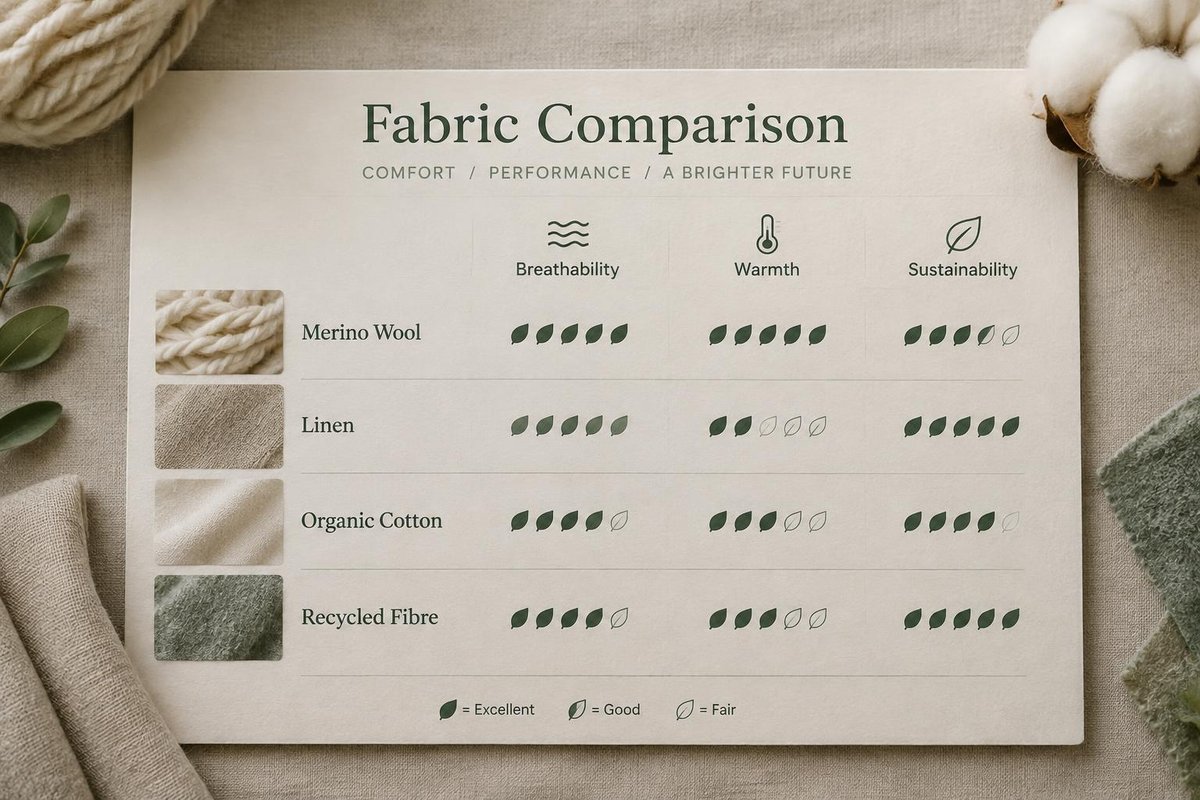
Fabric selection is becoming increasingly important as consumers seek climate-smart solutions.
Merino Wool
Australia's signature fibre remains one of the most versatile spring materials.
Benefits include:
- Temperature regulation
- Moisture control
- Odour resistance
- Lightweight warmth
Organic Cotton
Organic cotton reduces environmental impacts associated with conventional raw material production while remaining breathable and comfortable.
Linen Blends
Linen is ideal for warmer days but blended versions improve wrinkle resistance and durability.
Recycled Textile Innovations
Many fashion brands are incorporating recycled textile fibres into their collections as part of industry-wide climate action initiatives aimed at reducing emissions.
Responsible Alternatives to Polyester
While polyester remains common throughout the apparel sector, growing innovation is helping brands reduce reliance on virgin materials derived from fossil fuels.
Consumers interested in sustainable fashion increasingly favour recycled alternatives, helping reduce emissions associated with production and processing.
Smart Wardrobe Investments
The most climate-smart wardrobe isn't necessarily the biggest.
In fact, the opposite is often true.
As sustainability becomes a central concern across the fashion sector, thoughtful consumers are focusing on fewer, better purchases.
Prioritise Versatile Pieces
Look for garments that:
- Layer easily
- Work across seasons
- Pair with multiple outfits
- Remain relevant beyond the latest trends
Buy Better, Buy Less
The slow fashion movement continues gaining momentum as people recognise the environmental impacts of excessive consumption.
Many fast fashion brands encourage constant purchasing cycles through cheap clothing and rapid trend turnover, contributing to textile waste and landfill.
Choosing high-quality clothing items often extends the life of clothes while reducing your wardrobe's carbon footprint.
Explore Second-Hand Fashion
Second-hand shopping has evolved from niche behaviour to mainstream fashion culture.
Benefits include:
- Lower environmental impacts
- Reduced demand for new resource extraction
- Unique personal style
- More sustainable consumption patterns
Support Sustainable Fashion Brands
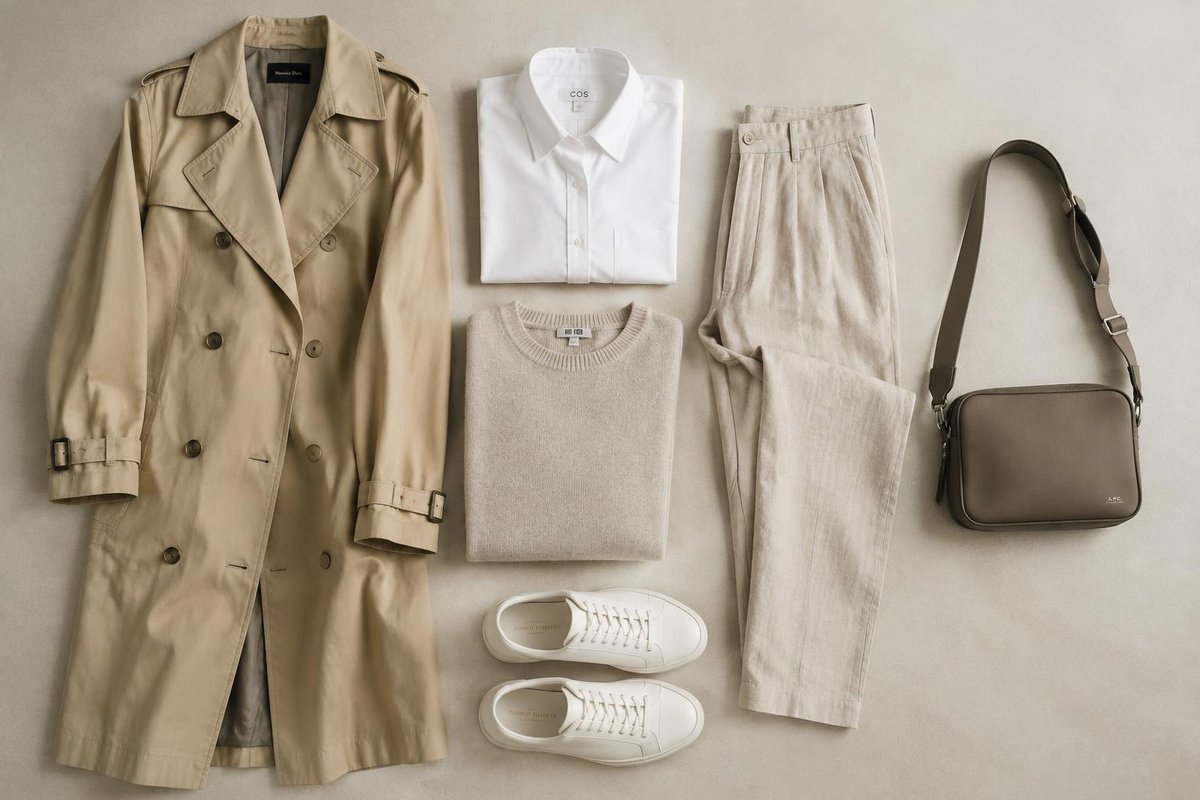
Leading fashion brands and retailers are increasingly introducing sustainability programs focused on supply chain transparency, carbon emissions reduction and net-zero emissions targets.
When researching brands, consider:
- Raw material sourcing
- Supply chain accountability
- Garment worker conditions
- Water footprint reduction initiatives
- Climate action commitments
- Net zero emissions pathways
Thoughtful purchasing sends powerful signals throughout the entire supply chain.
Data Signals: Why Climate-Smart Fashion Matters
Several industry reports and sustainability studies continue highlighting fashion's environmental and social challenges:
- The global fashion industry contributes a significant share of global emissions.
- Production and processing remain among the most carbon-intensive stages of apparel manufacturing.
- Textile waste continues to grow globally as consumer purchasing cycles accelerate.
- Sustainability targets across the industry increasingly align with the goals of the Paris climate framework and broader efforts to combat climate change.
- Supply chain transparency is becoming a major focus for brands and retailers heading toward 2030 climate commitments.
These trends suggest consumers will continue demanding practical, sustainable solutions that balance style with responsibility.
Saveable Spring Outfit Formulas
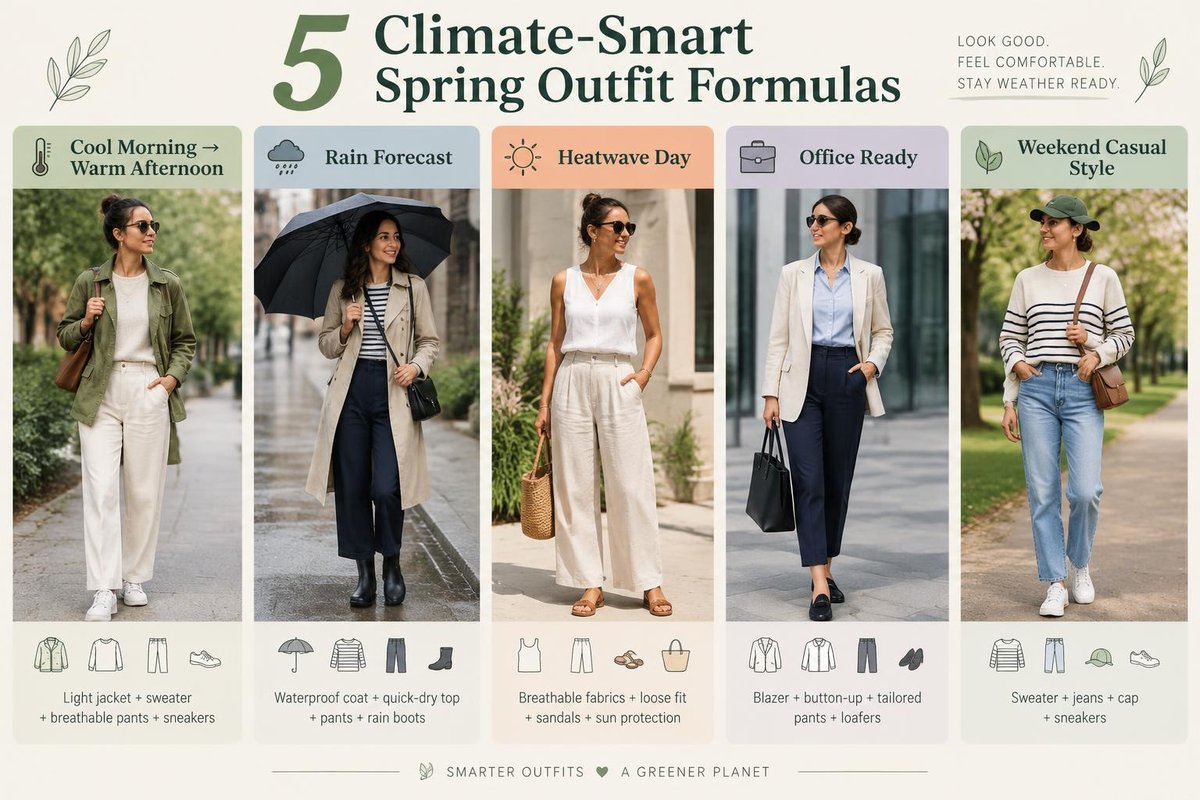
Cool Morning → Warm Afternoon
- White tee
- Oversized linen shirt
- Relaxed denim
- White trainers
Rain Forecast
- Merino knit
- Wide-leg trousers
- Water-resistant trench
- Leather boots
Heatwave Day
- Linen shirt
- Tailored shorts
- Crossbody bag
- Sandals
Office Ready
- Ribbed tank
- Lightweight blazer
- Tailored pants
- Loafers
Weekend Casual
- Cotton tee
- Utility overshirt
- Straight-leg jeans
- Trainers
Frequently Asked Questions
What is climate-smart fashion?
Climate-smart fashion focuses on clothing choices that adapt to changing weather conditions while considering sustainability, durability and environmental impacts.
How can I dress for Australia's unpredictable spring weather?
The most effective strategy is layering. Use a breathable base layer, an insulating mid layer and a lightweight outer layer that can be removed as temperatures change.
Which fabrics are best for spring?
Merino wool, cotton, linen blends and innovative recycled fibres offer comfort, breathability and versatility for fluctuating temperatures.
Is sustainable fashion more expensive?
Initial costs may be higher, but quality garments often last longer, reducing the need for frequent replacement and lowering long-term wardrobe spending.
How does fast fashion affect sustainability?
Fast fashion can contribute to increased textile waste, landfill, carbon emissions and resource consumption due to rapid production cycles and short garment lifespans.
The Future of Climate-Smart Style
Fashion is entering a more practical era. While runway influences from London Fashion Week, Paris and Melbourne continue shaping aesthetics, consumers are increasingly prioritising versatility over novelty.
I expect climate-smart dressing to become one of the defining style movements of the next decade. Not because it's trendy, but because it's necessary.
As weather patterns continue evolving, the most desirable wardrobes will be those built around adaptable layers, thoughtful fabric choices and carefully considered purchases. The future isn't about owning more clothes. It's about owning better ones.
Final Take
Australian spring demands flexibility, and climate-smart fashion delivers exactly that. By embracing versatile layering, performance-driven fabrics and sustainable purchasing habits, it's possible to create a wardrobe that feels stylish, practical and relevant in a changing climate. The smartest fashion choice this season isn't chasing every new trend. It's building a wardrobe that works harder, lasts longer and adapts beautifully to whatever the weather decides to do next.