
Butterflies are exciting. Emotional safety is life-changing.
In the early stages of dating, it's easy to focus on chemistry. The spark. The instant attraction. The rush of messaging someone new. Many of us have been taught that a strong connection should feel electric from the very first date.
But relationship researchers, psychologists and experienced therapists consistently point to something far more important for long-term happiness: emotional availability.
While attraction can bring two people together, emotional availability is what helps a relationship thrive. It's the quality that creates trust, deepens intimacy and allows two people to navigate life's challenges as a team.
If you're looking for relationship green flags rather than getting distracted by red flags after the damage is done, emotional availability may be the most important trait to recognise.
Why Emotional Availability Matters More Than Initial Attraction
Initial attraction is powerful, but it isn't always a reliable indicator of compatibility.
Research in relationship psychology has repeatedly shown that healthy relationship outcomes are often linked to emotional responsiveness, secure attachment, honest communication and mutual respect rather than physical chemistry alone.
That's because attraction can fluctuate over time. Emotional trust tends to deepen.
A partner who is emotionally available can help create a secure foundation where both people feel safe to share their thoughts, fears, goals and vulnerabilities. In contrast, a relationship built solely on attraction may struggle when real-life challenges emerge.
Real talk: chemistry might make you want a second date. Emotional availability is what makes you want to build a future together.
One of the biggest misconceptions in modern dating culture is that intensity equals compatibility. Sometimes what feels exciting is actually uncertainty triggering anxiety. Some people mistake emotional inconsistency for passion because unpredictability creates emotional highs and lows.
A major green flag, however, is consistency.
When someone communicates openly, follows through on promises and responds with empathy, it may feel less dramatic than a whirlwind romance, but it is often a stronger indicator of a positive relationship.
Quick Insight: The healthiest couples are not necessarily the most passionate every day. They are often the most emotionally connected, respectful and reliable.
Understanding Emotional Availability

So what does it actually mean to be emotionally available?
An emotionally available person is willing and able to engage with their own emotions while remaining open to their partner's feelings and experiences.
They do not avoid difficult conversations. They are comfortable with vulnerability. They recognise emotions without becoming defensive or shutting down.
Emotional availability is not perfection.
Every relationship is unique. Everyone has moments of stress, insecurity or emotional overwhelm. What matters is the willingness to communicate, reconnect and grow.
According to relationship experts and clinical psychology research, emotional availability often includes:
- Honesty about feelings
- Respectful communication
- Emotional self-awareness
- Accountability for behaviour
- Empathy and compassion
- Healthy boundary awareness
- Willingness to address issues rather than avoid them
- A genuine interest in understanding another person's perspective
A green flag in a healthy relationship is not the absence of conflict. It's the ability to navigate conflict in a respectful and productive way.
The Difference Between Chemistry and Emotional Availability
| Chemistry | Emotional Availability |
|---|---|
| Creates excitement | Creates security |
| Often immediate | Develops over time |
| Can be unpredictable | Builds consistency |
| Based on attraction | Based on connection |
| Feels intense | Helps you relax |
| Draws people together | Helps couples stay together |
The strongest relationships typically have both. However, if you had to choose one as a long-term predictor of relationship quality, emotional availability is often the more crucial factor.
Signs to Look For
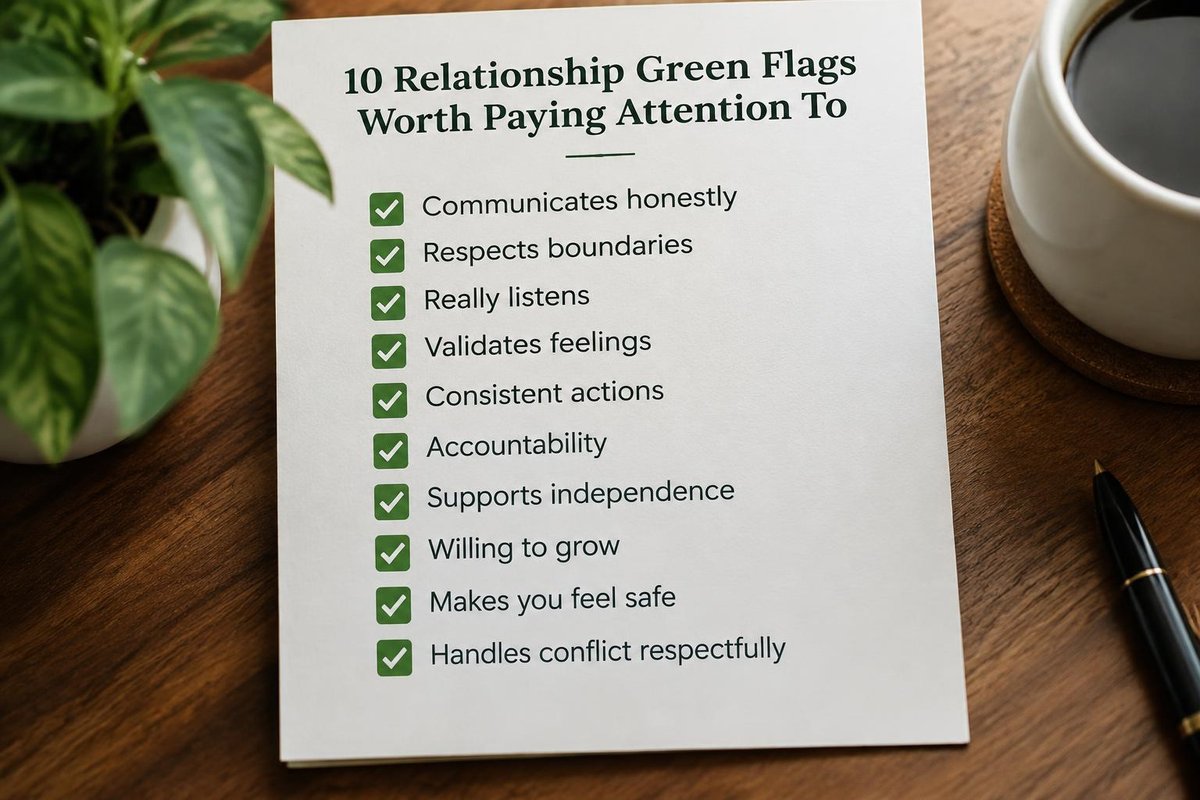
If you're dating or entering a new relationship, here are some relationship green flags that suggest someone is emotionally available.
They Really Listen
One positive sign is when someone doesn't just wait for their turn to speak.
They really listen.
An emotionally available partner pays attention, remembers details and engages with curiosity. They ask thoughtful questions because they genuinely want to understand your experience.
This demonstrates respect, emotional presence and interest.
They Communicate Consistently
Communication is a cornerstone of every healthy relationship.
An emotionally available person does not disappear when conversations become uncomfortable. They communicate honestly, even when discussing questions or concerns.
Consistency is often a stronger sign than charm.
They Validate Your Feelings
Validation doesn't mean agreeing with everything.
It means acknowledging another person's emotional experience without being dismissive, rude or quick to judge.
For example:
Instead of saying, "You're overreacting," an emotionally available partner might say:
"I can see why that upset you. Let's talk about it."
That response creates emotional safety.
They Respect Boundaries
A flag in a healthy relationship is the ability to respect boundaries without taking them personally.
Whether it's spending time apart, maintaining a hobby, prioritising self-care or saying no to something, healthy boundaries support a stronger relationship dynamic.
Consent, respect and personal autonomy matter.
They Are Willing to Grow
Nobody arrives fully formed.
One of the most overlooked green flags in a relationship is someone who is willing to grow.
When mistakes happen, emotionally available people take responsibility rather than becoming overly defensive.
They acknowledge concerns, adapt behaviour when appropriate and work collaboratively to move forward.
Growth mindset is a powerful strength in long-term relationships.
You Feel Safe to Share
Perhaps the clearest indicator of emotional availability is how you feel around them.
Do you feel safe to share your fears?
Can you communicate honestly without fear of ridicule?
Do you feel good after spending time together?
If the answer is yes, that's often a positive relationship sign worth noticing.
Saveable Checklist: Emotional Availability Green Flags
- Communicates honestly
- Follows through on commitments
- Respects boundaries
- Shows empathy and compassion
- Takes accountability
- Asks thoughtful questions
- Demonstrates genuine interest
- Supports your independence
- Handles disagreement respectfully
- Makes you feel secure rather than anxious
Save this list before your next date. It can help you recognise healthy behaviour early.
Building Deeper Connection

If emotional availability is so important, how can couples strengthen it?
The good news is that emotional connection can often be developed intentionally.
Prioritise Open Communication
Healthy couples create regular opportunities to communicate.
This doesn't require lengthy relationship meetings.
Simple check-ins about emotions, stress levels and personal goals can strengthen connection over time.
Make Emotional Safety a Priority
Many people focus on being interesting. Fewer focus on being emotionally safe.
The ability to create a space where your partner feels heard, respected and accepted is a powerful relationship skill.
When people feel safe, intimacy grows naturally.
Balance Togetherness and Independence
A common myth is that strong couples spend all their time together.
In reality, spending time apart can strengthen a relationship.
Maintaining friendships, interests and individual hobbies supports personal growth while preventing unhealthy dependence.
A healthy relationship allows both closeness and independence.
Address Problems Early
Small issues rarely stay small when ignored.
Emotionally available couples tend to address issues before resentment builds.
They communicate concerns respectfully, remain curious and work toward solutions rather than assigning blame.
Practice Emotional Honesty
Emotional honesty is not about saying everything you think.
It's about expressing important feelings respectfully and authentically.
This creates deeper trust and prevents misunderstandings from damaging connection.
What Therapists Often Notice in Healthy Relationships
Many therapists describe similar patterns when discussing signs of a healthy relationship.
Partners tend to:
- Demonstrate mutual respect
- Show emotional responsiveness
- Communicate openly
- Maintain healthy boundaries
- Support each other's goals
- Handle conflict constructively
- Create emotional security
- Express affection consistently
- Respect consent and autonomy
- Remain willing to grow over time
These behaviours may seem ordinary compared to dramatic social media love stories, but they are often what help relationships last.
Frequently Asked Questions
What is emotional availability in a relationship?
Emotional availability refers to a person's ability and willingness to connect emotionally, communicate honestly and engage in vulnerability. An emotionally available partner can discuss feelings, provide support and maintain emotional closeness.
Is emotional availability more important than chemistry?
For long-term relationship success, many relationship experts believe emotional availability is a stronger predictor than chemistry alone. Attraction can create interest, but emotional trust and communication help sustain a fulfilling partnership.
Can someone become more emotionally available?
Yes. Emotional availability is not fixed. Self-awareness, therapy, personal growth and intentional communication can help people become more emotionally open and connected.
What are the biggest relationship green flags?
Some of the biggest relationship green flags include honesty, respectful communication, emotional consistency, accountability, empathy, boundary awareness, reliability and a willingness to grow.
How do I know if a relationship is healthy?
Signs of a healthy relationship often include mutual respect, trust, emotional safety, open communication, individual independence and shared commitment to addressing issues constructively.
Data Signals: What Research Suggests
Studies in attachment theory and relationship psychology suggest that secure attachment, emotional responsiveness and effective communication are strongly associated with relationship satisfaction and stability.
Researchers consistently find that couples who feel heard, understood and emotionally supported report greater relationship quality than those who rely on attraction alone.
While chemistry often initiates connection, emotional trust is more closely linked to long-term relationship success.
Final Take
Chemistry can be exciting, but emotional availability is what transforms attraction into something lasting.
The strongest relationships are rarely built on sparks alone. They are built through communication, reliability and emotional trust. They are built by two people who respect each other's boundaries, take the time to understand one another and remain willing to grow together.
If you're looking for relationship green flags, pay attention to how someone makes you feel over time.
Do you feel secure?
Do you feel respected?
Do you feel safe to share who you really are?
Those qualities may not always create fireworks on day one, but they are often the foundation of the healthiest, most fulfilling and most authentic relationships.
Because at the end of the day, the right partner isn't just someone you feel attracted to. They're someone who helps you feel emotionally seen, heard and valued.