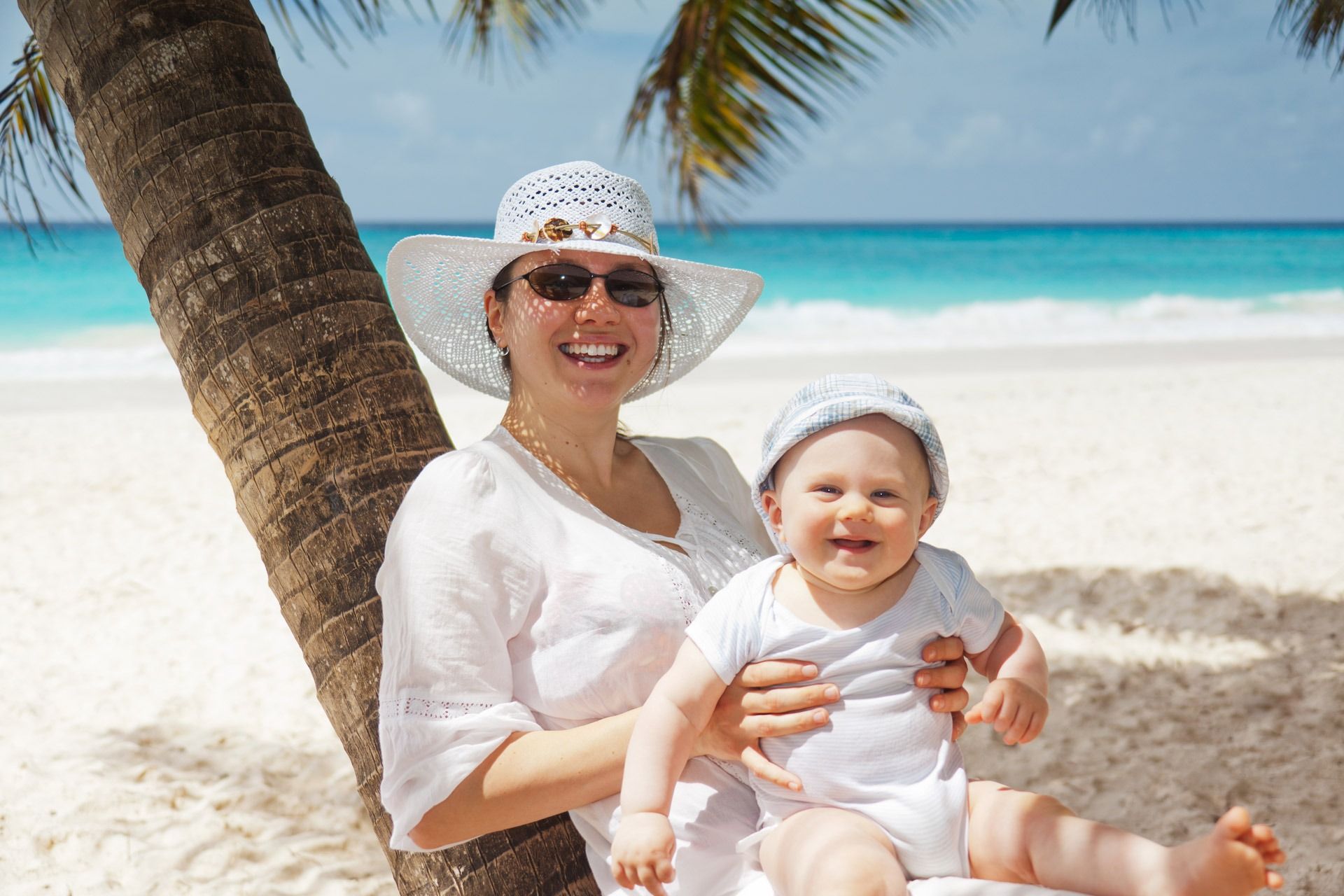
Travelling with a baby sounds like chaos, yet it rarely is when you plan well. In Australia, infants under two years old can usually fly on a parent's lap, which keeps domestic trips affordable. A smart packing list does most of the heavy lifting. This guide shows you how to travel with a baby calmly, from the first booking to the final nap.
Book Smart Before You Travel With a Baby
Your choices at booking shape the whole trip. Pick flight times that match your baby's rhythm, not just the cheapest fare. A night flight suits a baby who sleeps through most of it. A daytime flight suits a baby who hates sleeping anywhere unfamiliar.
Know the rules before you pay. In Australia, infants and toddlers under two often travel free on your lap on domestic flights, buckled with the infant belt the crew provides. For international travel, your baby needs their own ticket even without their own seat. Book a bassinet row early if your airline offers one.
Pack Light, Pack Right
Overpacking is the classic rookie mistake. You need less than you think, and you can buy nappies almost anywhere. Build your bag around three questions: feeding, sleeping, soothing.
- Feeding: formula or expressed milk, bottles, and a few extra snacks for older babies.
- Changing: nappies, wipes, a change mat, and two spare outfits within easy reach.
- Sleeping: a familiar wrap, a muslin, and black-out options for bright rooms.
- Soothing: a dummy, one or two favourite toys, and a comfort item.
Dress your baby in light layers. You can add or remove them as cabins and cars shift between cold and warm. Keep the essentials in one small bag you never check in.
Surviving the Airport and the Flight
Airports swallow time when you have a pram and a baby. Add 10 to 20 minutes to your usual schedule for oversized items like a pram, car seat or portacot. Most Australian airlines carry these bulky baby items for free, but confirm when you book.
Use family security lanes where they exist. You will need to take your baby out of the carrier or pram so both can be screened. Baby food, formula and milk are allowed in reasonable quantities, even through liquid checks.
Ear pain is the flight's biggest trigger. Feed your baby or offer a dummy during take-off and landing, because sucking helps them equalise the pressure. A baby carrier frees your hands and often rocks a restless baby straight to sleep.
Staying Connected When You Travel Overseas
Connectivity matters more with a baby than without one. You may need to map a pharmacy, message a paediatrician, or rebook a flight from the departure gate. Searching for local SIM cards with a baby on your hip is nobody's idea of fun.
Set your phone up before you leave home. A holafly sim card for international travel activates before departure, so you land already online across multiple countries. That matters most on international trips, where roaming bills climb fast and reliable data becomes a genuine safety tool for parents.
Where to Travel With a Baby in Australia
You do not need a passport to make memories. Australia offers plenty of gentle, baby-friendly escapes close to home.
- Sunshine Coast, QLD: calm river cruises and easy beaches suit slow days with a little one.
- Byron Bay, NSW: relaxed and walkable, though you should pack black-out curtains for those early sunrises.
- Tasmania: short mainland flights and cool, pram-friendly towns, ideal for first-time baby travellers.
Whatever you choose, check the Bureau of Meteorology before you head out. Australian weather turns quickly, and sun protection is non-negotiable for a baby's skin and eyes.
Seven Steps to Travel With a Baby Calmly
- Choose a flight time that fits your baby's sleep routine.
- Confirm your airline's rules for infants and prams.
- Pack one carry-on with feeding, changing and soothing basics.
- Arrive early and use family check-in and security lanes.
- Feed or offer a dummy during take-off and landing.
- Protect against sun, cold and disrupted naps on arrival.
- Keep your phone connected so help is always one tap away.
Do these seven things and most trips stay manageable. Babies are more portable than parents fear.
Frequently Asked Questions
What is the best age to travel with a baby?
Many parents find shorter trips easier when babies are younger and sleep often. There is no perfect age, so travel when your routine feels settled and you feel ready.
Do babies need their own plane ticket in Australia?
On domestic flights, a child under two can usually travel on your lap on your ticket. For international flights, your baby needs their own ticket even without a separate seat.
How do I handle a baby's ears on a plane?
Offer a feed or a dummy as the plane climbs and descends. Sucking helps babies balance the pressure that causes ear pain.
How do I manage jet lag with a baby?
Get your baby into daylight at your destination to help their body clock adjust. Allow short naps when they are tired, but keep them brief so night sleep returns.
What should I never forget when travelling with a baby?
Never pack spare outfits, wipes and a comfort item in the checked bag. Keep them in your carry-on, where you can reach them within seconds.