
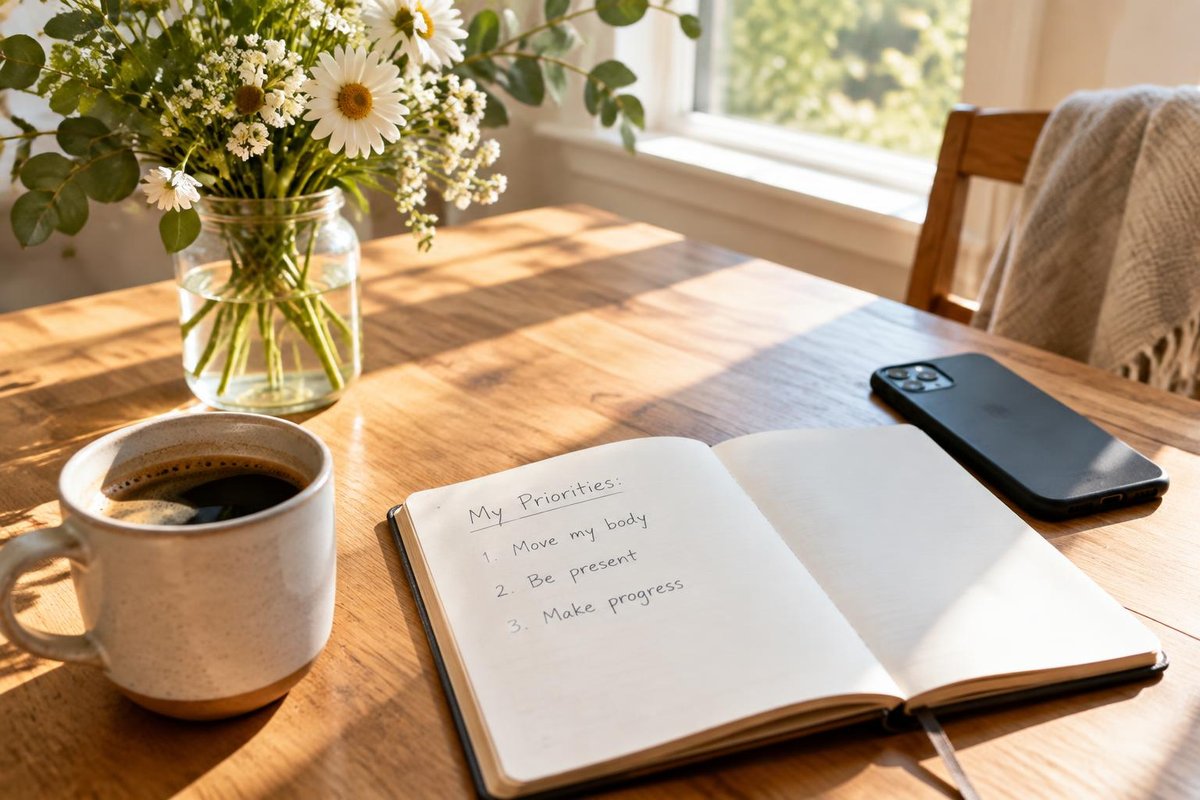
The familiar image of a Sunday reset once looked like a colour-coded planner, a packed to-do list, and hours spent preparing for Monday. Today, however, many successful people are taking a gentler, more strategic approach. Rather than attempting to organise every minute of the week, they're focusing on intentional habits that create clarity, energy, and momentum.
The shift reflects a broader cultural movement. In an always-connected world filled with notifications, overflowing inboxes, and constant digital interruption, the most productive people are discovering that sustainable productivity isn't about doing more. It's about creating systems that help them get the right things done while still making space to recharge.
This modern approach has become known by many lifestyle experts as the "Sunday Upgrade" rather than the traditional Sunday reset. It's less about fixing what went wrong and more about designing a week that feels balanced, achievable, and aligned with personal growth.
Why Traditional Resets Are Changing

For years, Sunday productivity content followed a familiar formula: clean the house, meal prep, write an extensive to-do list, answer every email, and create the perfect schedule for the coming week.
The problem? Life rarely follows perfect plans.
Studies show that rigid systems can become difficult to maintain when unexpected phone calls, family commitments, meetings, or shifting priorities disrupt carefully planned schedules. What begins as a helpful routine can quickly lead to feeling overwhelmed.
Today's entrepreneur, executive, and creative professional is increasingly embracing flexibility over perfection.
Rather than trying to maximise every hour, productive people are focusing on identifying the few important tasks that will have the greatest impact. This strategic mindset echoes advice often attributed to Warren Buffett, who advocates prioritising what matters most rather than spreading attention across dozens of competing demands.
The Rise of Intentional Productivity
One of the biggest changes in modern productivity habits is the move away from endless task management.
People are recognising that productivity isn't measured by how many tasks get done. It's measured by meaningful progress.
A long to-do list may create the illusion of productivity, but crossing off small items doesn't always move important work forward.
Instead, many high performers are asking:
- What is my biggest priority this week?
- Which activities deserve focused attention?
- What distractions should I eliminate?
- How can I create more quiet time for deep thinking?
These questions encourage purposeful behaviour rather than reactive busyness.
Why Are Successful People Ditching Traditional Sunday Resets?
Because many traditional systems create pressure without providing clarity. Modern professionals want productivity strategies that support both achievement and wellbeing. The goal isn't simply to get more done. It's to achieve goals faster by focusing on work that genuinely matters.
New Weekly Rituals
The Sunday Upgrade replaces rigid planning with simple, intentional practices that support real-life productivity.
1. The Weekly Priority Session
Rather than creating an enormous to-do list, successful people often identify three to five important tasks for the week ahead.
These become guiding priorities rather than fixed commitments.
Many use tools like Trello, Notion, a notebook, or a digital planning system to jot down their next task for each major project.
This approach helps prioritize effectively without becoming trapped in administrative busywork.
Saveable Sunday Upgrade Checklist
- Identify three key priorities
- Review upcoming deadlines
- Clear critical inbox messages
- Schedule focused work blocks
- Set realistic goals
- Create time to recharge
- Plan one enjoyable activity
2. Digital Environment Refresh
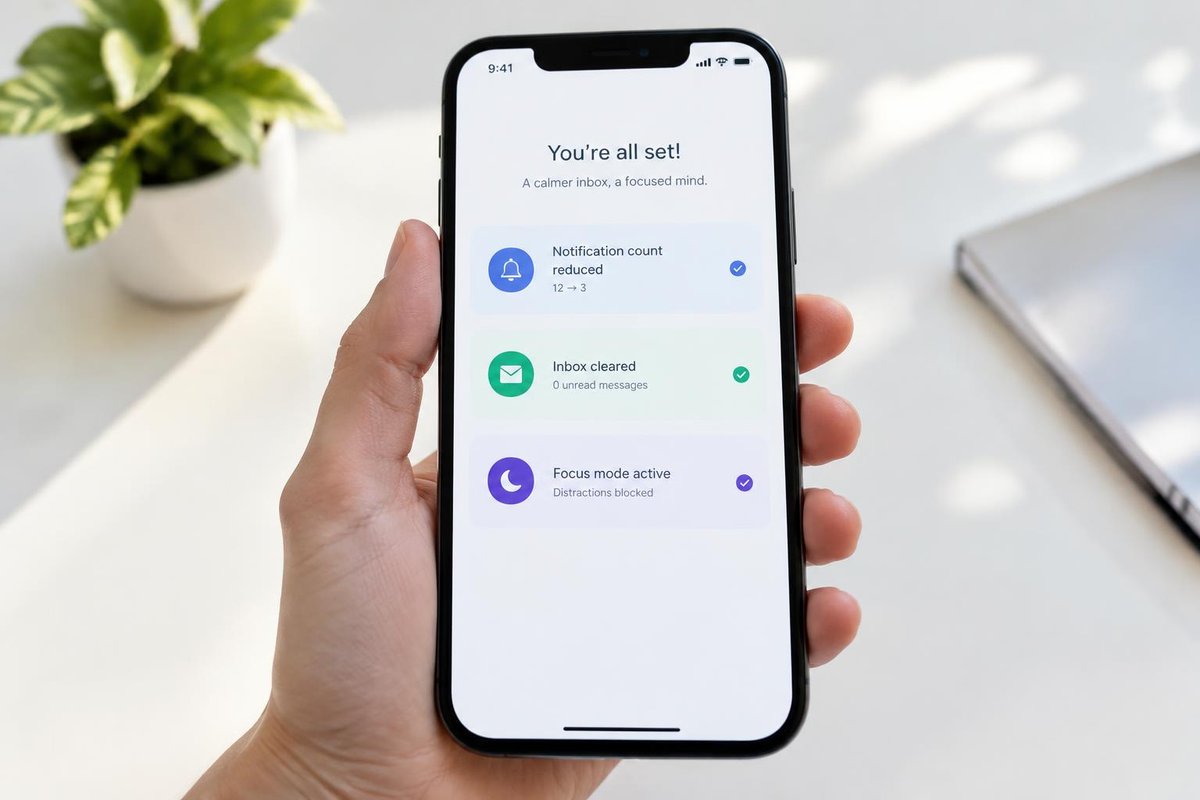
An overlooked habit involves creating a calmer digital space.
People may:
- Archive old email threads
- Turn off unnecessary notifications
- Unsubscribe from newsletters they no longer read
- Remove distracting apps from their smartphone
- Organise desktop or cloud files
Small changes to the digital environment often have a significant effect on focus throughout the week.
A simple notification audit can reduce constant interruption and make it easier to stay on track.
3. The Energy Audit
One of the best productivity habits isn't task-based at all.
Instead of reviewing only work commitments, successful people evaluate their energy.
They ask:
- What helped me feel focused?
- What created distraction?
- Which activities helped me recharge?
- Where did multitask behaviour reduce effectiveness?
This shift recognises that sustainable productivity depends just as much on energy management as time management.
4. Time Blocking With Flexibility
Traditional scheduling often attempted to account for every hour.
The modern version uses manageable chunks.
For example:
- Deep work: 9:00 am to 11:00 am
- Meetings: afternoon block
- Email management: specific times
- Personal development: 30 minutes daily
Many people use techniques such as the Pomodoro method, working in 25 minutes intervals followed by a short break.
The key difference is flexibility. If priorities change, the framework adapts without creating stress.
5. Designing a Better Morning Routine
The Sunday Upgrade also looks ahead.
Rather than obsessing over next week's schedule, productive habits focus on creating an achievable morning routine.
Examples include:
- A short walk around the neighbourhood
- Reviewing daily priorities
- Reading industry blog posts
- Mindful journaling in a notebook
- Limiting early smartphone use
These habits that will help establish momentum before the day's demands begin competing for attention.
Building a Sustainable System
The most effective productivity strategies share one characteristic: sustainability.
The best productivity system is not the most sophisticated. It's the one you'll actually follow.
Focus on One Task at a Time
Research consistently suggests that multitask performance often reduces efficiency.
Switching repeatedly between tasks increases cognitive load and creates more opportunities for distraction.
Instead:
- Choose one task
- Set a timer
- Work in focused intervals
- Complete a meaningful chunk before moving on
This simple method often results in more work done in less time.
Group Similar Activities
Another strategic technique involves batching.
Successful professionals frequently group similar responsibilities together:
- Responding to email
- Returning phone calls
- Reviewing documents
- Administrative work
- Creative planning
By reducing context switching, it's easier to get things done without wasting mental energy.
Break Bad Habits Gently
Many people try to transform their lives overnight.
Yet lasting change usually comes from small, repeatable actions.
If text messages constantly distract you, set time boundaries.
If your iPhone draws attention during focused work, place it in another room.
If your inbox dominates your day, schedule designated email review periods.
The goal isn't perfection. It's creating triggers that support better behaviour.
Delegate Where Appropriate
One common trait among productive people is understanding what not to do.
Whether you're managing a team, running a business, or balancing a household, delegation can create space for important work.
Ask:
- What can be automated?
- What can be delegated?
- What requires my direct attention?
Every hour reclaimed can be redirected towards higher-value activities.
Experiment and See What Works
No productivity system works for everyone.
Some people thrive with Trello boards.
Others prefer a simple notebook.
Some benefit from a Pomodoro timer.
Others need longer stretches of quiet time.
The key is experimenting consistently and adapting based on results.
What the Research Suggests
Several studies on performance, wellbeing, and focus point to similar conclusions:
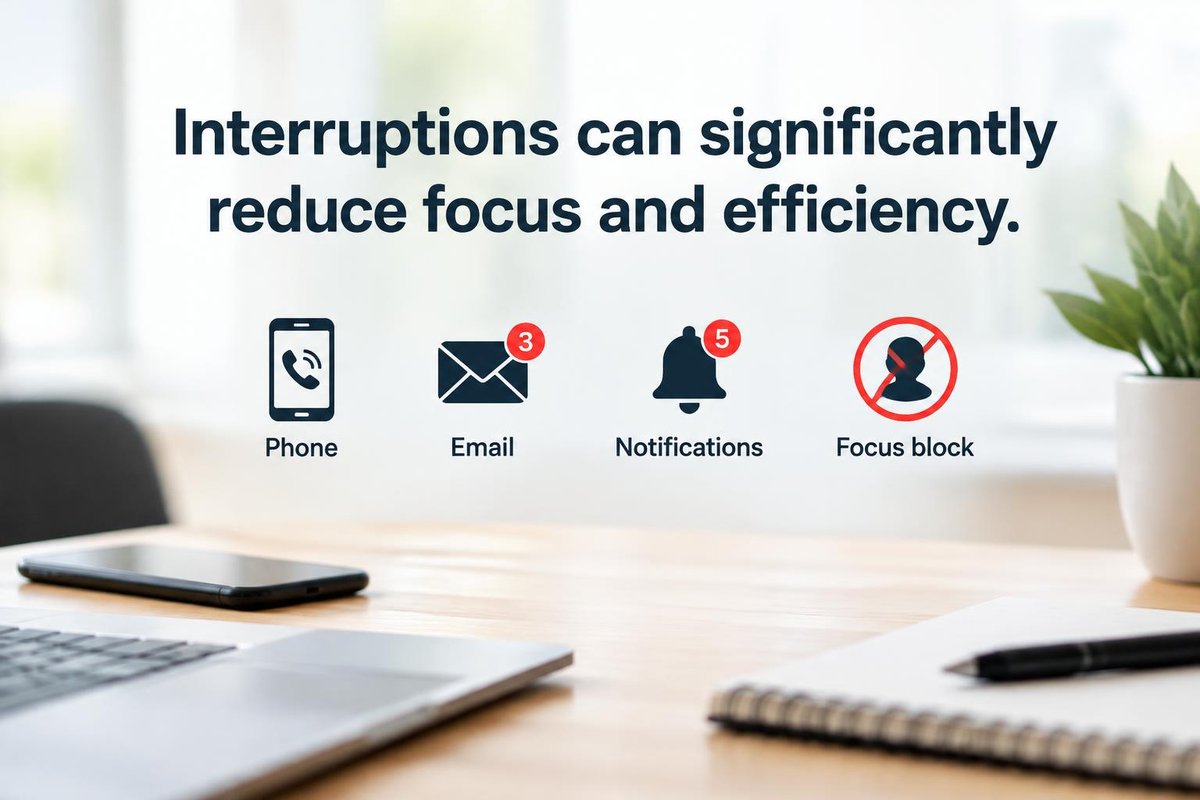
- Frequent interruptions reduce concentration and task efficiency.
- Goal-setting increases follow-through when goals are specific and achievable.
- Recovery periods help maintain cognitive performance.
- Structured routines reduce decision fatigue.
- Focused attention produces better outcomes than constant multitasking.
These findings support a growing trend toward intentional productivity rather than relentless optimisation.
The lesson is clear: sustainable success comes from thoughtful systems, not endless activity.
Frequently Asked Questions
What is a Sunday Upgrade?
A Sunday Upgrade is a modern approach to weekly preparation that focuses on intention, energy management, and meaningful priorities rather than creating a rigid schedule for every hour of the week.
How is it different from a traditional Sunday reset?
Traditional Sunday resets often emphasise completing a large number of tasks. A Sunday Upgrade prioritises clarity, flexibility, and sustainable productivity habits that support long-term success.
What are the best Sunday productivity habits?
Some of the most effective habits include identifying weekly priorities, conducting a digital declutter, planning important tasks, reviewing deadlines, and creating time to recharge.
Do productivity systems need to be highly structured?
Not necessarily. Many productive people use simple systems such as a notebook, Trello board, or basic calendar structure. Consistency usually matters more than complexity.
How can I increase productivity without burning out?
Focus on fewer priorities, eliminate unnecessary distractions, schedule recovery time, work in manageable chunks, and stop trying to optimise every moment of your day.
Final Take
The most interesting shift in modern productivity culture is that people are becoming less obsessed with productivity itself.
The traditional Sunday reset often treated life as a series of tasks to complete. The Sunday Upgrade views life differently. It asks how we can create a week that feels purposeful, balanced, and genuinely enjoyable.
In many ways, this reflects a broader cultural evolution. We are moving away from measuring success by how busy we appear and towards evaluating how intentionally we live.
A carefully designed habit, repeated over time, often outperforms the most elaborate productivity system. A short Sunday planning session can be more valuable than a detailed seven-day schedule. And a handful of meaningful priorities will usually create more progress than an endless to-do list.
The real upgrade, then, isn't about finding a new productivity hack. It's about creating thoughtful routines that help you focus on what matters, get things done with less friction, and leave enough room to enjoy the week ahead.