
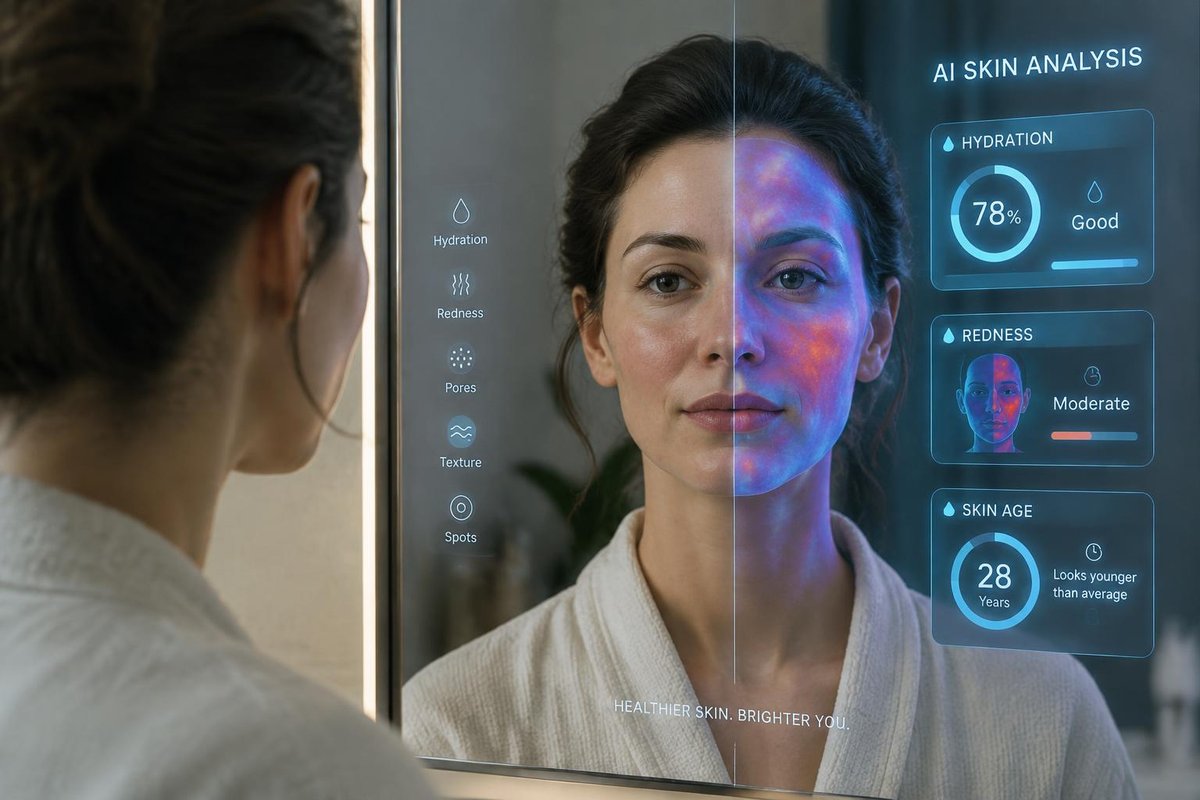
Beauty technology has moved from futuristic concept to everyday reality. From AI-powered skin scanners to smart mirrors that track changes in your complexion over time, consumers now have access to tools once reserved for clinics and cosmetic consultation rooms. But as beauty technology becomes more sophisticated, one question remains: do these devices deliver real results, or are they simply clever gadgets?
As the intersection of technology and beauty continues to evolve, brands are promising greater personalisation, more precise skincare recommendations and deeper insight into individual skin needs. Across the Australian market and globally, beauty tech is transforming the beauty industry by helping users analyse hydration levels, redness, visible signs of ageing and even routine consistency from home.
The reality, however, is more nuanced. While these innovative devices can enhance your personal care routine and support smarter purchasing decisions, they also have limitations that every consumer should understand.
Beauty Tech at Home: What AI Skin Analysis Can Actually Do
AI skin analysis tools use artificial intelligence, machine learning and advanced imaging technology to evaluate the skin through photos, sensors or connected devices. Most platforms claim to assess concerns such as:
- Hydration
- Redness
- Facial texture
- Pore visibility
- Complexion unevenness
- Dark spots
- Elasticity
- Signs of ageing
- Fine lines
- Skin sensitivity
The latest AI-powered systems compare uploaded images against extensive dermatological databases. Algorithms then generate personalised skincare recommendations, suggest active ingredients and help consumers adapt their routine based on changing skin conditions.
Unlike a traditional consultation, these systems offer immediate feedback and continuous tracking. Users can monitor transformation over weeks or months and identify whether products containing peptides, hyaluronic acid, collagen-supporting ingredients or regenerative formulations are making a visible difference.
What Most Consumers Want to Know
Before investing in beauty technology, people typically ask:
- Is AI skin analysis accurate?
- Can smart mirrors improve skincare results?
- Are expensive beauty tech devices worth the investment?
- Do these tools replace professional dermatologists?
- Which users benefit most from beauty technology?
The short answer: they can be helpful, but expectations should remain realistic.
Popular Beauty Technologies in 2026
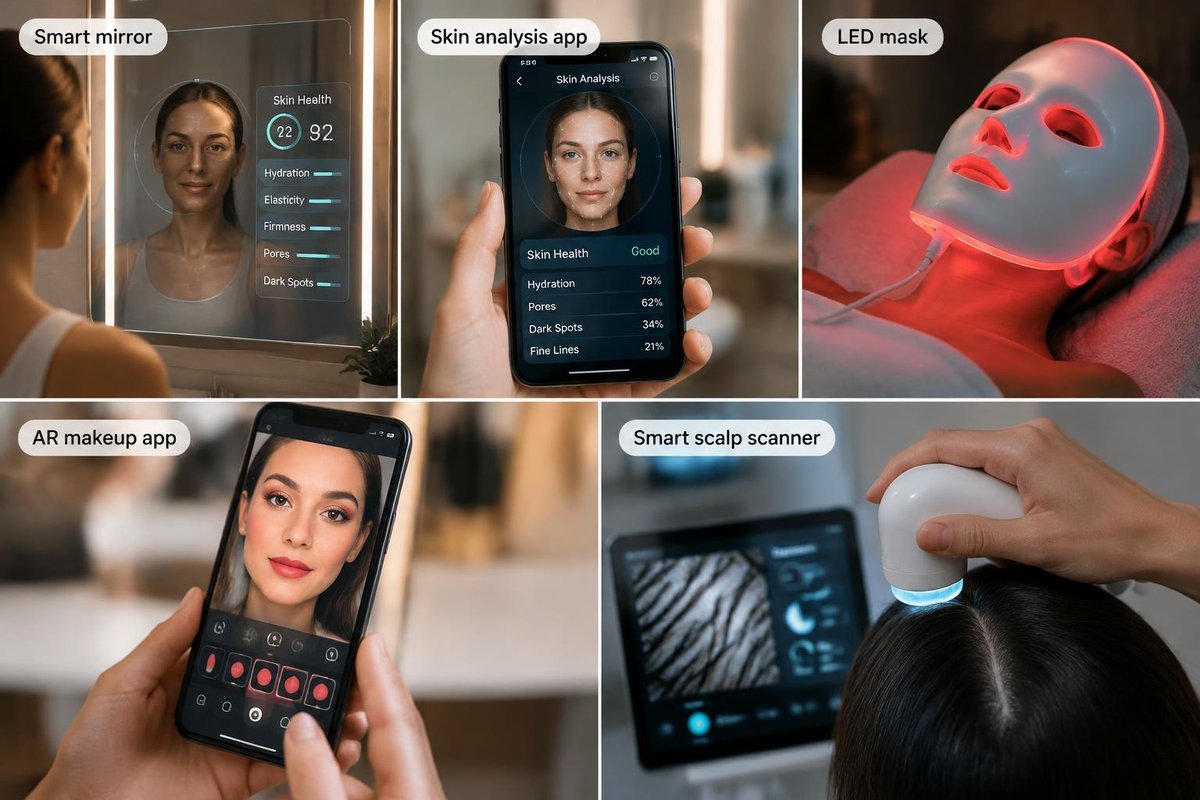
The beauty sector has embraced innovation rapidly, creating a range of digital tools designed to personalise and simplify beauty routines.
Beauty Technology Comparison Table
| Technology | Primary Function | Potential Benefits | Limitations |
|---|---|---|---|
| Smart Mirrors | Analyse facial appearance and skin changes | Easy visual tracking, routine consistency | Dependent on lighting conditions |
| AI Skin Analysis Apps | Evaluate complexion through images | Accessible and affordable | Varying levels of accuracy |
| AR Make-up Tools | Virtual make-up try-ons | Reduces purchasing mistakes | Colour matching not always perfect |
| LED Facial Devices | Stimulate skin renewal | Convenient at-home treatment | Results typically gradual |
| Smart Haircare Devices | Analyse scalp and hair condition | Personalised haircare advice | Limited scientific validation |
| Wearable Skin Patches | Track hydration and environmental impact | Real-time monitoring | Early-stage consumer technology |
| Connected Beauty Platforms | Integrate product recommendations | Better personalisation | Privacy considerations |
Smart Mirrors
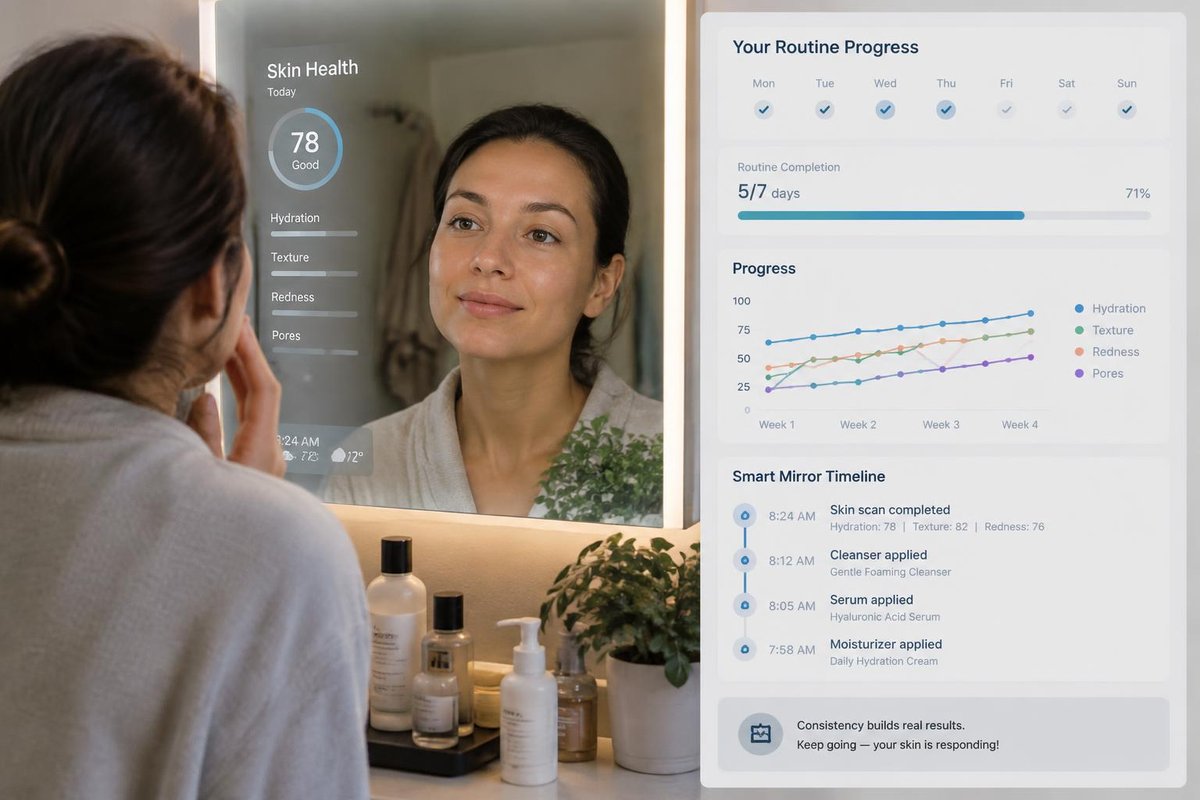
Modern smart mirrors represent some of the most cutting-edge developments within the beauty industry. Using built-in cameras and AI analysis, they can track:
- Wrinkles
- Skin brightness
- Redness
- Texture changes
- Hydration markers
Some devices create a visual timeline, allowing users to observe changes over months. This can help strengthen consistency and encourage better skincare habits.
AI Skin Analysis Apps
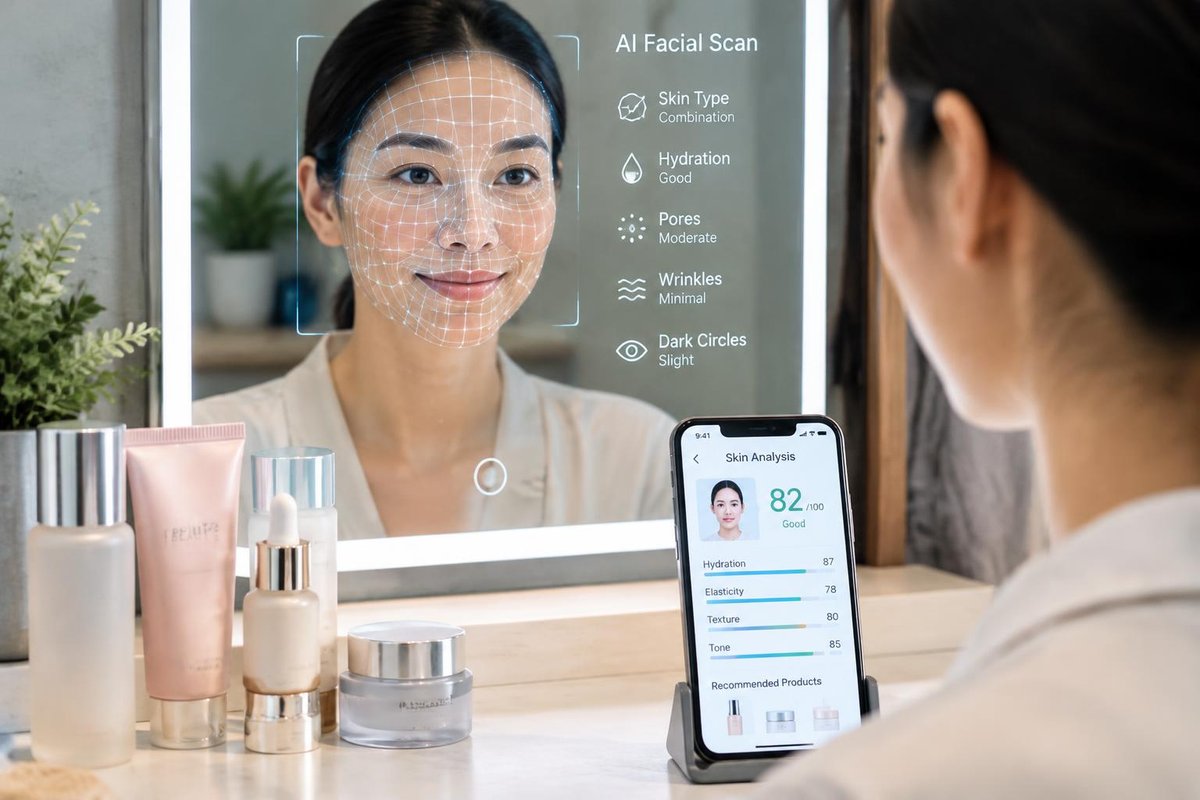
These platforms have become increasingly popular because they are accessible and affordable. A simple smartphone image can generate recommendations based on skin concerns and product preferences.
Many apps now recommend active ingredients such as:
- Hyaluronic acid for hydration
- Peptide-based formulations
- Vitamin C for brighter skin
- Retinoids for signs of ageing
- Barrier-supportive formulas
Augmented Reality Beauty Tools
AR and augmented reality experiences are transforming the beauty industry by giving consumers virtual access to make-up trials before buying.
Consumers can preview:
- Foundation shades
- Lip colours
- Hair colour transformations
- Brow shapes
- Cosmetic aesthetics
This technology helps reduce unnecessary purchases and often contributes to more sustainable consumption patterns.
Benefits and Limitations
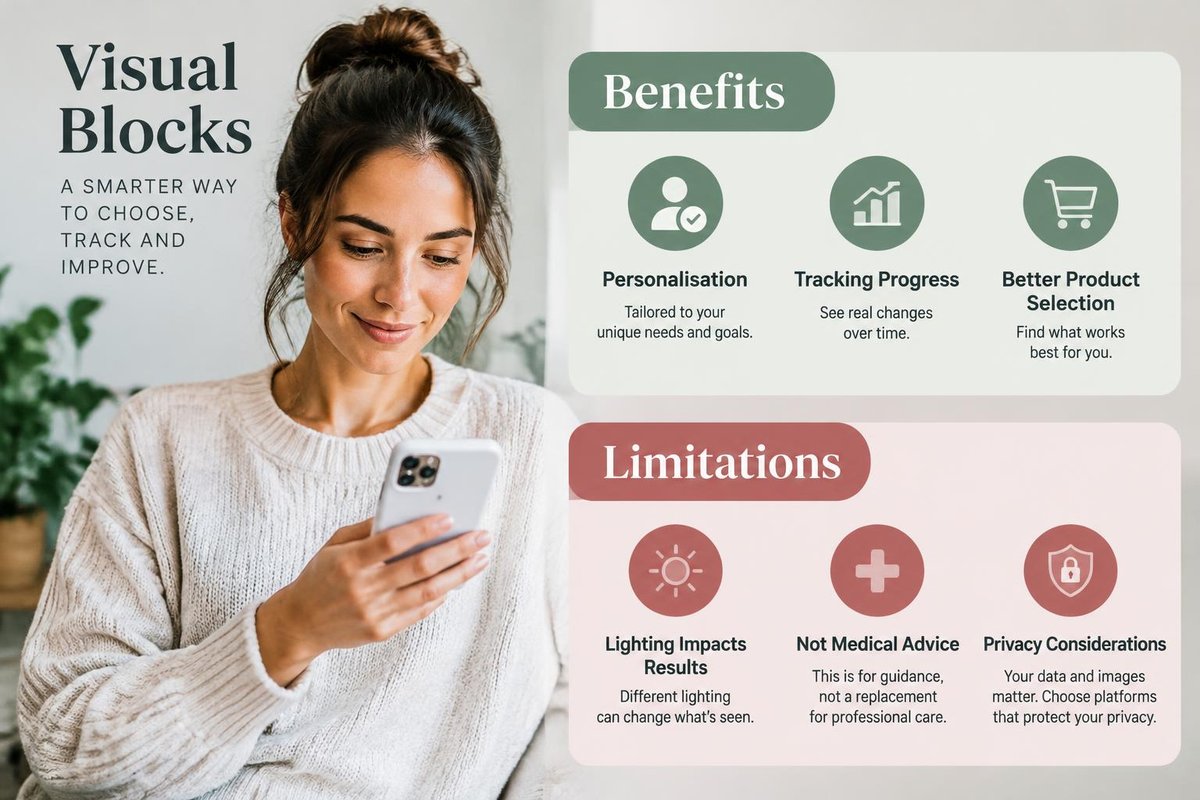
While the promise of technology is exciting, understanding both strengths and weaknesses is essential.
Benefits
1. Greater Personalisation
One of the biggest advantages of beauty technology is personalisation. Rather than following generic advice online, consumers can receive recommendations tailored to their complexion, lifestyle and skincare goals.
2. Improved Routine Consistency
Tracking tools encourage users to follow a skincare ritual consistently. The ability to see progress over time often motivates better habits.
3. Better Product Education
Many AI-powered platforms explain why certain active ingredients may be beneficial, helping consumers better understand beauty products and formulation science.
4. Early Awareness
Regular monitoring can help users identify changes in skin condition, prompting earlier professional consultation when necessary.
5. Reduced Trial and Error
Data-driven recommendations may help reduce unnecessary purchases and streamline beauty solutions.
Limitations
1. AI Is Not a Dermatologist
Artificial intelligence can identify patterns, but it cannot diagnose medical skin conditions. Clinical expertise remains essential for persistent concerns.
2. Image Quality Matters
Results depend heavily on:
- Lighting
- Camera quality
- Angles
- Environmental conditions
Inconsistent imaging can affect accuracy.
3. Limited Context
AI often lacks important contextual information such as:
- Hormonal changes
- Allergies
- Health conditions
- Medication use
- Lifestyle factors
4. Privacy Considerations
Consumers should understand how facial data is stored, processed and protected before using any beauty technology platform.
Consumer Case Studies: Realistic Outcomes
Case Study 1: The Skincare Minimalist
Sarah, 34, used an AI skin analysis app to simplify an overly complex routine. By focusing on hydration and barrier support rather than constantly changing products, she reported smoother skin and improved comfort after three months.
Key insight: Technology helped improve consistency rather than providing a miracle solution.
Case Study 2: The Make-up Enthusiast
Olivia frequently purchased foundation shades online. After adopting AR virtual colour matching tools, she reduced returns and found more accurate matches.
Key insight: Augmented reality delivered measurable convenience.
Case Study 3: The Smart Mirror User
Michael used a smart mirror to track signs of ageing and skin texture over six months. The device highlighted gradual improvement after introducing SPF and peptide products.
Key insight: Long-term tracking provided motivation rather than dramatic transformation.
Who Should Consider These Devices?
Beauty technology can be especially valuable for:
Ideal Users
- Beauty enthusiasts interested in personalisation
- Consumers wanting more insight into skincare habits
- People building structured routines
- Users interested in data-driven beauty solutions
- Individuals exploring preventative skincare
Who May Not Benefit as Much
- Those expecting instant results
- Consumers seeking medical diagnoses
- Users uncomfortable with facial data collection
- People looking for direct treatment of complex skin conditions
For most consumers, beauty technology works best as a guidance tool rather than a replacement for expert care.
Expert Verdict
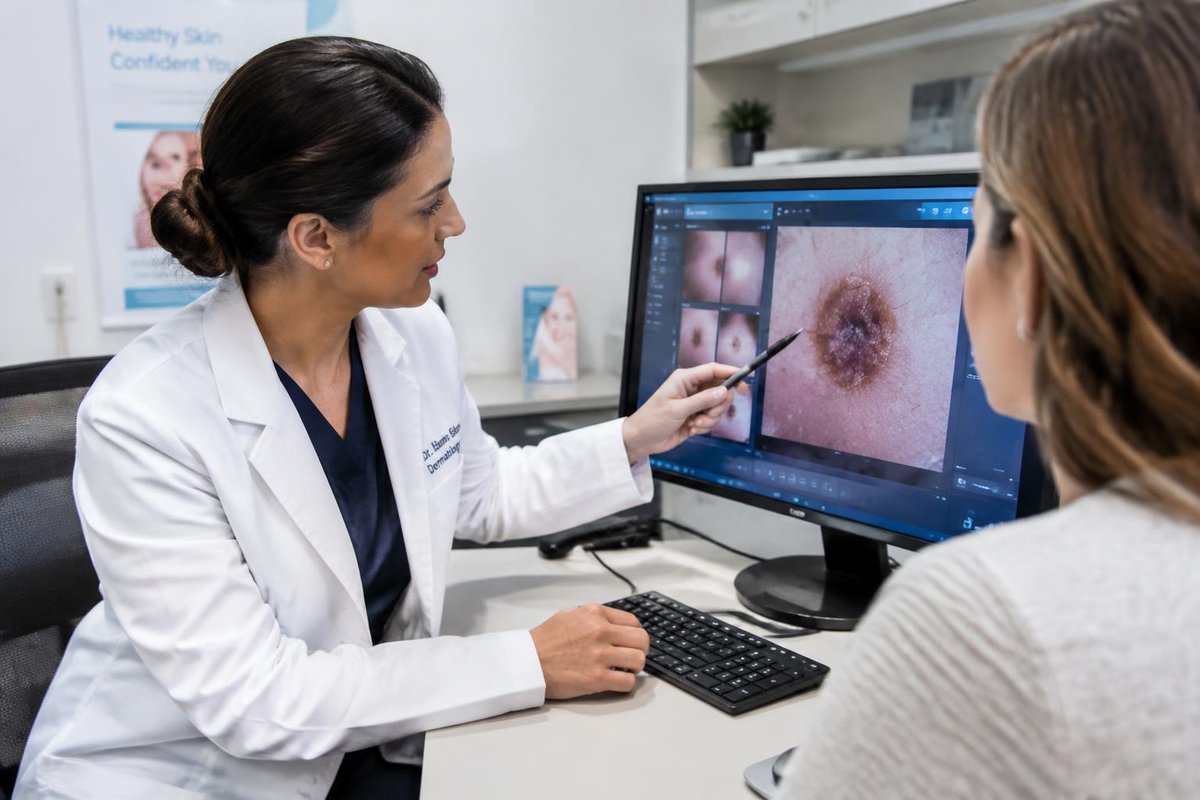
According to dermatologists and cosmetic chemists, AI skin analysis is becoming increasingly sophisticated, but professional evaluation remains the gold standard for diagnosing and managing skin concerns.
Experts generally agree that:
✅ AI can identify broad trends and patterns.✅ Smart mirrors can encourage consistency.✅ AR tools improve shopping experiences.✅ Personalisation can support better product choices.✅ Routine tracking often leads to better adherence.
However:
❌ AI cannot replace dermatological assessment.❌ Beauty technology cannot guarantee results.❌ Algorithms cannot fully account for individual biology.
As technology continues to evolve, we can expect more advanced applications involving predictive skincare, adaptive formulation systems and connected beauty ecosystems. Yet even the most innovative advances will still require human expertise.
Maya’s Beauty Editor Insight
The most successful beauty technology products are not necessarily the most advanced. They are the ones that help consumers make better everyday decisions. In many cases, the real value comes from consistency, education and personalisation rather than sophisticated hardware.
My prediction for the next phase of beauty tech is a shift toward integrated wellness platforms that combine skincare, haircare and lifestyle data to create more holistic personal care recommendations.
Quick Guide: Before You Buy Beauty Tech
Ask yourself:
✓ What problem am I trying to solve?✓ Do I want tracking or treatment?✓ Am I comfortable sharing facial data?✓ Will this realistically fit my routine?✓ Does the device have independent validation?
Saving this checklist can help avoid expensive impulse purchases.
Frequently Asked Questions
Is AI skin analysis accurate?
AI skin analysis can provide useful insight into visible skin concerns, but accuracy varies depending on the platform, lighting conditions and image quality.
Are smart mirrors worth the money?
They may be worthwhile for consumers who enjoy tracking progress and maintaining routine consistency. Those expecting dramatic skin improvements may be disappointed.
Can AI recommend skincare products?
Yes. Many systems suggest active ingredients and beauty products based on identified concerns. However, recommendations should be reviewed critically.
Does beauty technology work for mature skin?
It can help monitor visible signs of ageing, hydration and elasticity, but results depend on the technology and user expectations.
Can beauty technology replace a dermatologist?
No. Technology can support decision-making but cannot replace professional medical advice, diagnosis or treatment.
Final Take
Beauty technology is transforming the beauty industry in genuinely useful ways. Smart mirrors, AI-powered skin analysis, augmented reality tools and connected beauty platforms are helping consumers personalise routines, better understand their skin and make more informed purchasing decisions.
The strongest benefit is not necessarily better skin overnight. It is better awareness, stronger routine adherence and more educated product choices. When used thoughtfully, these digital tools can elevate everyday skincare and enhance personal care habits.
However, consumers should approach beauty tech with balanced expectations. While technology can provide valuable insight and support real results over time, it cannot fully replace professional dermatological expertise or personalised medical guidance.
In other words, beauty technology is a powerful companion to skincare, not a substitute for expert care. The smartest approach is to use these innovations as tools that support healthy, balanced and sustainable beauty habits for the long term.