
By Maya, Fashion Weekly Beauty Expert
The beauty world is getting a tech-powered makeover—and your skin care routine might never look the same. Thanks to generative AI and advanced beauty tech, we’re seeing a wave of innovation that’s all about one thing: individualisation. Whether you're fighting fine lines, managing dark spots, or searching for the perfect beauty products, AI is making it easier to create routines that actually work—for your unique skin, lifestyle, and goals.
Let’s break down how artificial intelligence is accelerating the future of product development, elevating the customer experience, and reshaping the way we interact with skincare and hair care.
How is AI Revolutionising Skincare?
AI is redefining what’s possible in skin care. It’s not just about digitising existing routines—it’s about creating smarter ones. Using tools like facial recognition, chatbots, and predictive analytics, beauty brands can now offer targeted solutions that respond to your skin’s real-time needs.
What are the Benefits of AI in Skincare?
Here’s what AI brings to your vanity table:
- Hyper-Personalisation: From moisturisers to serums, you’ll receive recommendations tailored to your concerns—whether it's fine lines, dark spots, or dryness.
- Efficient Diagnosis: Instant skin readings using smart devices or apps.
- Smart Product Development: Brands are using generative AI to formulate beauty products faster, test them virtually, and bring them to market in record time.
How Does AI Analyse Skin Conditions?
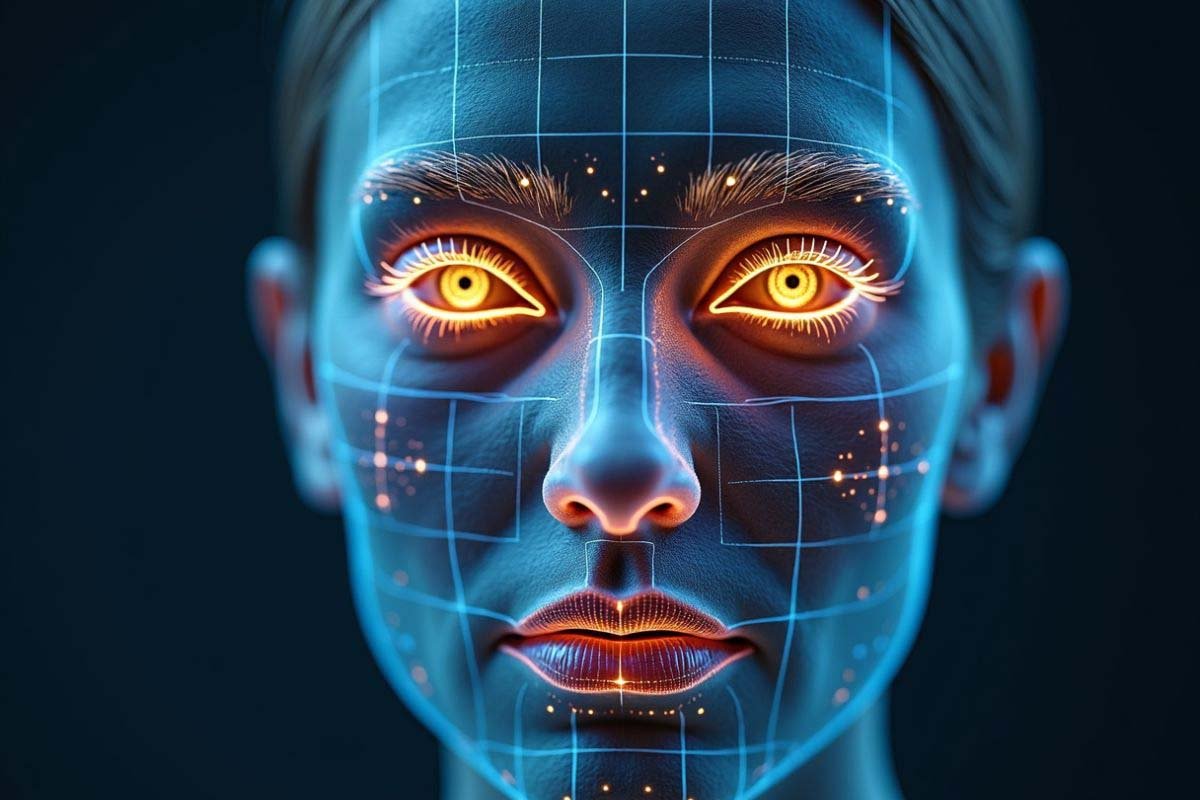
AI tools are trained to understand the complexities of skin—its texture, tone, and tendencies.
What are AI-Powered Skin Analysis Tools?
Platforms like ModiFace (acquired by L’Oréal) are leading the charge with apps that scan your face and assess everything from wrinkles to oiliness. Others rely on machine learning to suggest routines that evolve over time.
How Do AI Skin Analysis Tools Work?
Most begin with a selfie or short video. AI compares your skin to millions of others in its database to spot signs of aging, dehydration, dark spots, or congestion. Then, it recommends personalised solutions—from exfoliants to SPFs.
What Features Should You Look for in AI Skin Analysis?
- Precision mapping of skin zones
- Detection of multiple issues (fine lines, redness, acne, etc.)
- Seamless customization and tracking
- Integration with beauty products that suit your goals
How Accurate are AI-Powered Skin Analysis Results?
While they don’t replace dermatologists, these tools often hit accuracy rates of over 90%. Plus, they're accessible 24/7—making them ideal for maintaining consistent skin care between appointments.
What are Personalized Product Recommendations?
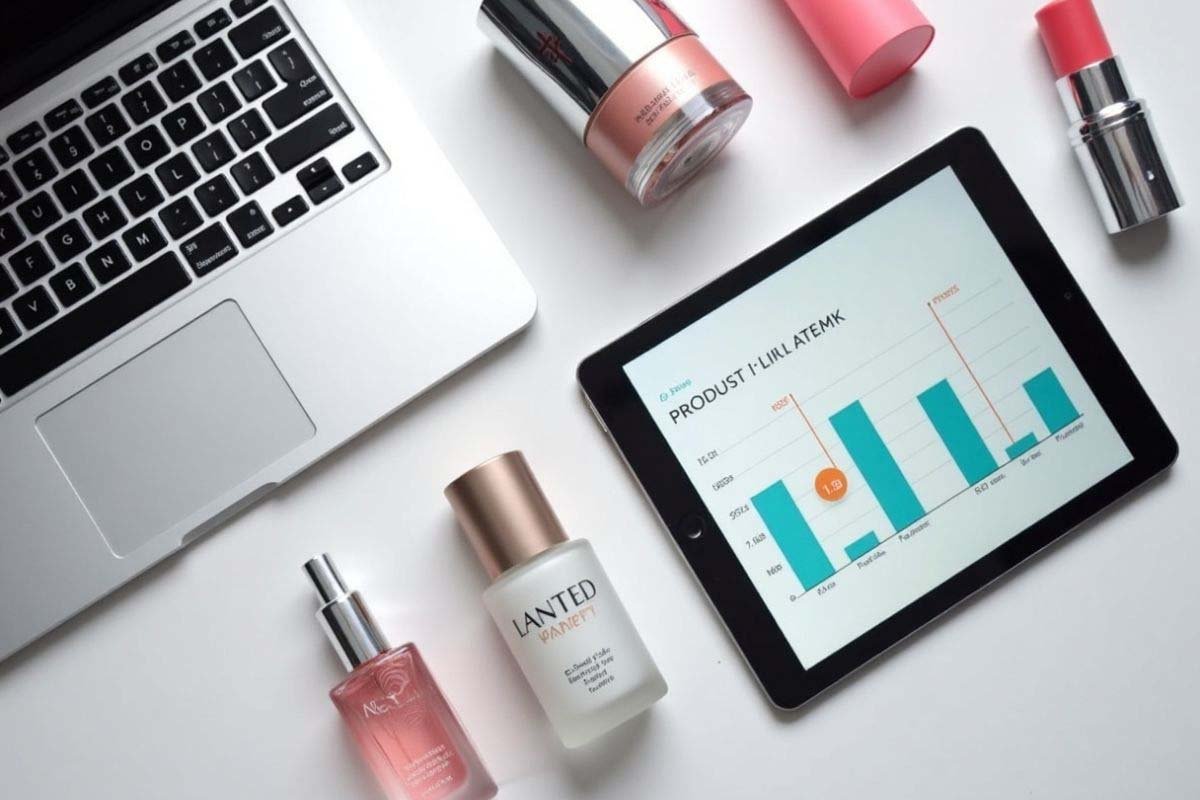
This is where AI really shines—curating a customized skincare regimen based on you.
How Does AI Generate Personalized Recommendations?
AI considers everything from your skin type and location to your lifestyle habits and current skin health. Platforms using generative AI can even create new beauty products based on aggregated user data, speeding up product development like never before.
What Factors Influence AI-Driven Recommendations?
- Skin sensitivity and type
- Common concerns (dark spots, fine lines, dullness)
- Lifestyle (sleep, stress, climate)
- Feedback from millions of users
- AI predictions based on daily skin trends
How Can Personalized Recommendations Improve Your Skincare Routine?
With fewer mismatched purchases and more effective results, AI helps you build a skincare routine that’s intuitive and responsive—streamlining your beauty journey and enhancing the customer experience.
What are the Ethical Considerations of AI in Beauty?
As AI gets smarter, so must our standards around transparency and ethics.
Is AI Use in the Skincare Industry Ethical?
Yes—when used responsibly. Ethical AI means clear data use policies, inclusive data sets, and opt-in customer consent. Without this, there's a risk of biased outputs or data misuse.
How is Customer Data Protected in AI Applications?
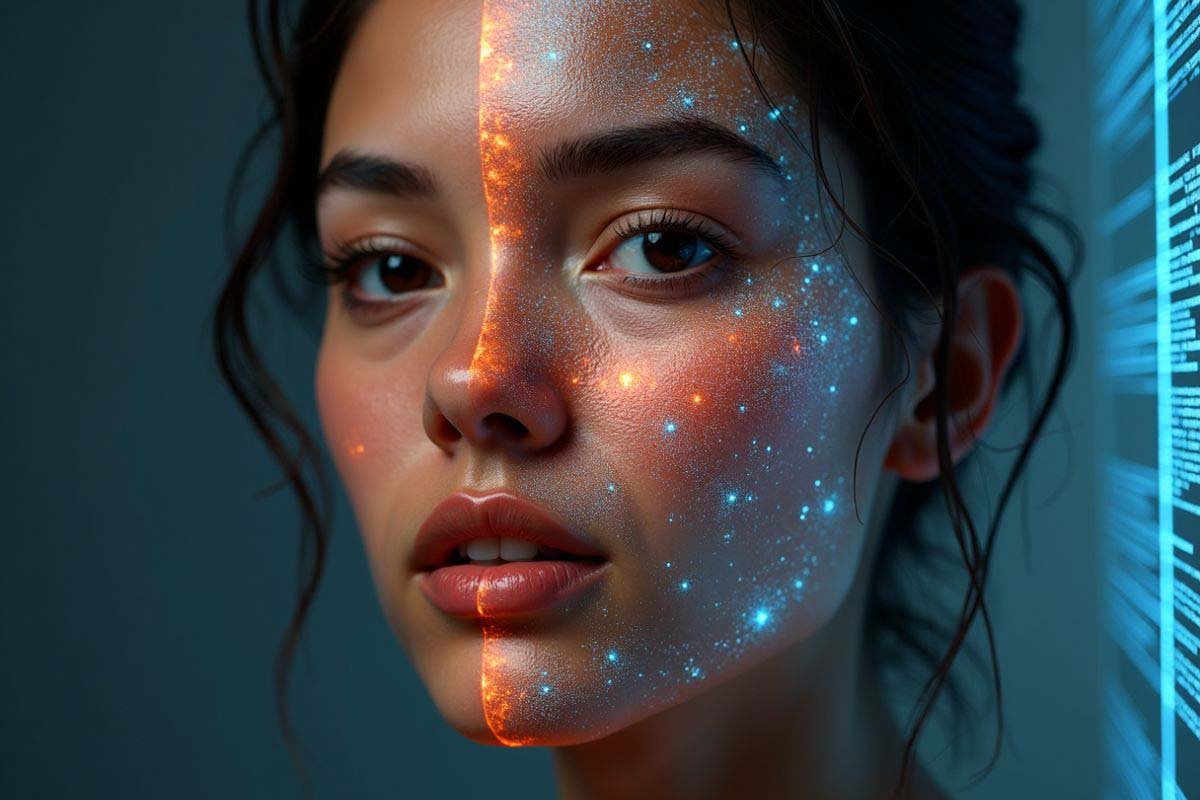
Reputable platforms encrypt data and anonymise your profile. Always use apps that are transparent about how your data is stored and used—your skin info is personal.
What are the Challenges of AI in the Cosmetic Industry?
- Bias in training data can limit inclusivity
- Overdependence on automation may reduce human touch
- Privacy concerns, especially around facial recognition tech
How is Technology Personalising Makeup Experiences?
The beauty of AI extends well beyond skincare—into lipstick shades, foundation tones, and even hair care routines.
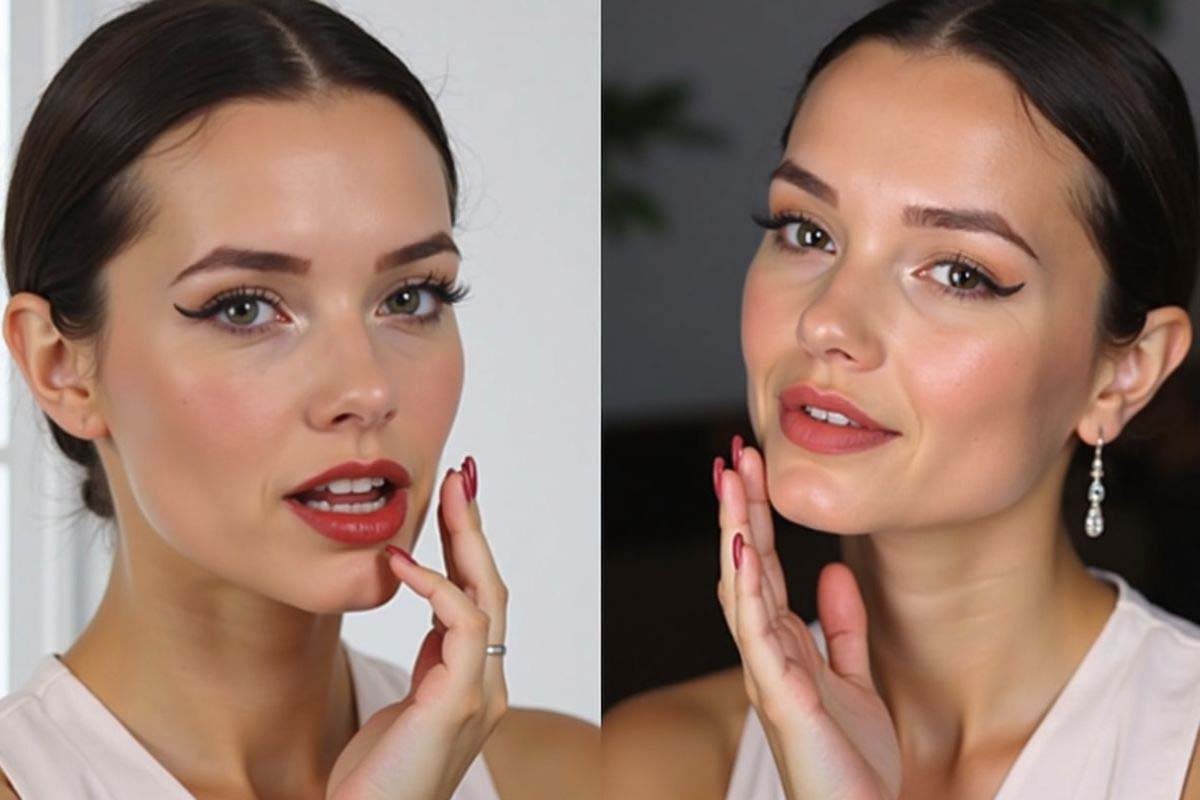
What is Virtual Try-On Technology?
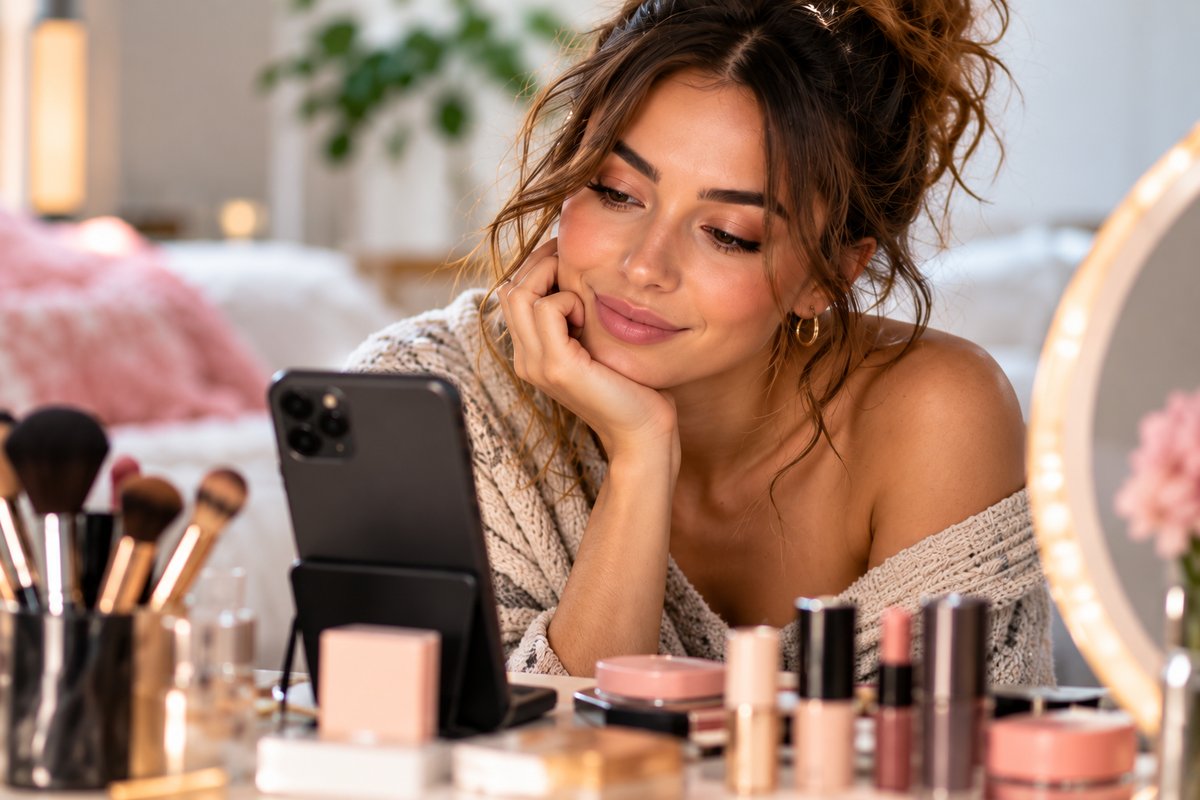
Using AR and AI, virtual try-ons (like those by ModiFace) let you swipe on eyeshadow or test foundation colours from your phone—no makeup remover required.
How Does AI Personalise Makeup Formulas?
Some brands now use AI to individualize makeup, analysing your skin tone, undertones, and preferences to craft custom formulas. From foundation that matches your exact skin tone to lip colours that complement your undertone, it’s customisation like never before.
What are the Future Trends in AI-Powered Makeup?
- Real-time application tips via chatbots
- AI-generated beauty tutorials based on your features
- Adaptive formulas that adjust to changing skin conditions
How is AI Shaping the Future of the Skincare Industry by 2025?
AI isn’t just enhancing beauty—it’s redefining how we experience it.
What Innovations Can We Expect in AI and Skincare?
- DNA-based skincare planning
- Voice-controlled smart mirrors
- On-demand beauty product creation via 3D printing
How Will AI Change Consumer Experiences in Beauty?
We’re moving toward a world where your skincare routine updates automatically based on your daily skin status, climate, and lifestyle. Talk about a revolution in customer experience!
What Companies are Leading in AI-Driven Skincare Solutions?
Some innovators to watch:
- L’Oréal & ModiFace – AI skin analysis and virtual try-ons
- Proven Skincare – Custom skincare via AI quizzes
- Neutrogena – Skin360 analysis and diagnostics
- Shiseido – AI-enabled diagnostics and smart mirrors
💡 Maya’s Final Take
AI is the beauty bestie we never knew we needed. It’s not here to replace your routine—it’s here to elevate it. Whether you're exploring new hair care solutions, getting smarter about skin care, or just curious about the latest in product development, one thing’s clear: the future of beauty is intelligent, intuitive, and individualised.