

As the first warmer mornings arrive and spring leaves begin to appear across parks and neighbourhood streets, many Australians find themselves craving a fresh start. The transition from winter into a new season naturally invites reflection. Closets feel overcrowded, schedules appear busier than they need to be, and digital devices seem filled with distractions that quietly drain energy.
For years, self-care was often associated with spa days, beauty treatments or occasional indulgences. While those experiences still have their place, a growing number of Australians are embracing something different in 2026: practical wellbeing systems.
Instead of searching for quick fixes, people are focusing on small daily habits, intentional routines and sustainable lifestyle changes that create lasting support for physical and mental wellbeing. This modern approach recognises that feeling healthier, calmer and more fulfilled is less about perfection and more about consistency.
In many ways, spring is the perfect time to reassess priorities, reset daily rhythms and create space for meaningful growth.
Why Self-Care Is Evolving
Why are Australians moving away from traditional self-care?
The conversation around wellbeing has changed significantly over the past few years. Many people have discovered that occasional treats cannot fully counteract chronic busyness, digital overload or inconsistent routines.
Rather than adding more activities to an already packed schedule, Australians are looking for ways to simplify daily life.
The shift reflects a broader cultural transformation. People are increasingly interested in systems that support long-term wellbeing:
- Better sleep habits
- More intentional eating habits
- Less digital clutter
- Stronger morning and evening routines
- Realistic goal setting
- Movement integrated into everyday life
Wellness experts often describe sustainable wellbeing as the result of repeatable behaviours rather than dramatic lifestyle overhauls. In practice, that means creating an environment where healthy choices become easier to maintain.
The season of renewal offers a natural opportunity to examine what is working and what is not. Instead of asking, "How can I treat myself?", many people are now asking, "How can I design a lifestyle that feels better every day?"
That subtle mindset shift is shaping the future of wellbeing in Australia.
Data Signal: The Rise of Habit-Based Wellness
Recent wellness trends consistently point toward behaviour-based wellbeing. Research across health and productivity sectors suggests that small habits repeated regularly are more likely to succeed than large-scale lifestyle transformations that rely on motivation alone.
The takeaway is simple: consistency often outperforms intensity.
New Wellness Habits Australians Are Embracing
What does a modern spring reset look like in 2026?
Today's spring reset is less focused on perfection and more focused on creating fresh energy through simple, actionable changes.
1. Seasonal Home Resets Beyond Traditional Spring Cleaning
Traditional spring cleaning remains popular, but Australians are broadening the concept.
Rather than simply trying to clean every corner of the house, many are using the season to organize their living spaces in a more intentional way.
Common habits include:
- Getting rid of unused items
- Reorganising a cluttered drawer
- Rotating seasonal clothes
- Simplifying home decor
- Creating calming workspaces
A helpful question many people are adopting is: "Does this still serve a purpose or bring me joy?"
This approach transforms spring cleaning from a chore into an exercise in clarity.
2. Digital Decluttering
Physical clutter is only one form of overwhelm.
Many Australians are conducting a digital reset by tackling:
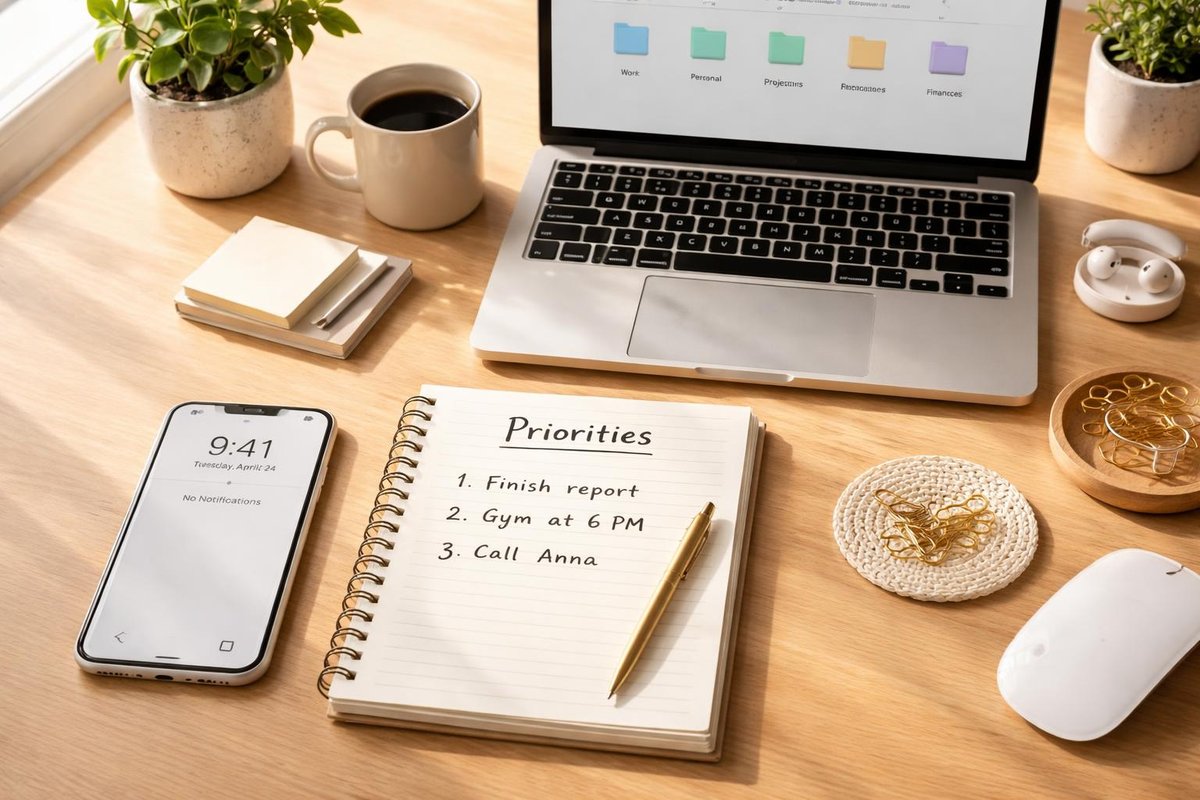
- Unread emails
- Duplicate photos
- Unused apps
- Outdated files
- Notifications that interrupt focus
Some are even scheduling a monthly digital clean-up session on their calendar.
Simple actions include:
- Delete unused applications
- Update passwords
- Organize folders
- Limit unnecessary device alerts
- Review app permissions
This kind of digital renewal can create surprising improvements in productivity, focus and mood.
3. Morning Routines Built Around Energy, Not Productivity

The idealised 5 a.m. routine has gradually lost appeal.
Instead, Australians are creating morning habits that align with their natural rhythm and lifestyle.
Examples include:
- Stretch sessions before work
- Short walks in the sun
- Journaling or a brain dump
- Mindful coffee rituals
- Preparing healthy food for the day
The goal is not optimisation for its own sake. It is about creating a calmer start that supports mental clarity and sustained energy.
4. Moving Your Body in Everyday Ways
Fitness trends continue to evolve, but one message remains consistent: movement matters.
Many Australians are moving away from all-or-nothing exercise plans and embracing activities that fit seamlessly into daily life.
Popular choices include:
- Walking meetings
- Weekend hikes
- Cycling locally
- Gardening
- Regular stretch breaks
- Swimming when weather permits
This approach helps people stay fit while reducing the pressure associated with rigid workout programs.
Movement becomes a habit rather than an obligation.
5. Seasonal Eating Habits

Food choices often shift naturally with the seasons.
As temperatures become lighter and warmer, many households begin incorporating more fresh produce into weekly meals.
Seasonal eating can include:
- Fresh salads
- Colourful vegetables
- Local fruit
- Lighter lunches
- Outdoor dining experiences
Rather than following restrictive diets, Australians are focusing on balanced eating habits that feel realistic and enjoyable.
The emphasis is increasingly on nourishment rather than deprivation.
6. Intentional Schedule Design
One emerging wellness trend involves treating time as a wellbeing resource.
Rather than filling every available hour, people are becoming more selective about commitments.
This may involve:
- Reassessing priorities
- Protecting rest periods
- Scheduling family time
- Creating boundaries around work
- Leaving space for spontaneous activity
An intentional schedule can often provide greater benefits than adding another self-improvement goal.
Saveable Spring Reset Checklist
10 Simple Ways to Reset for the New Season
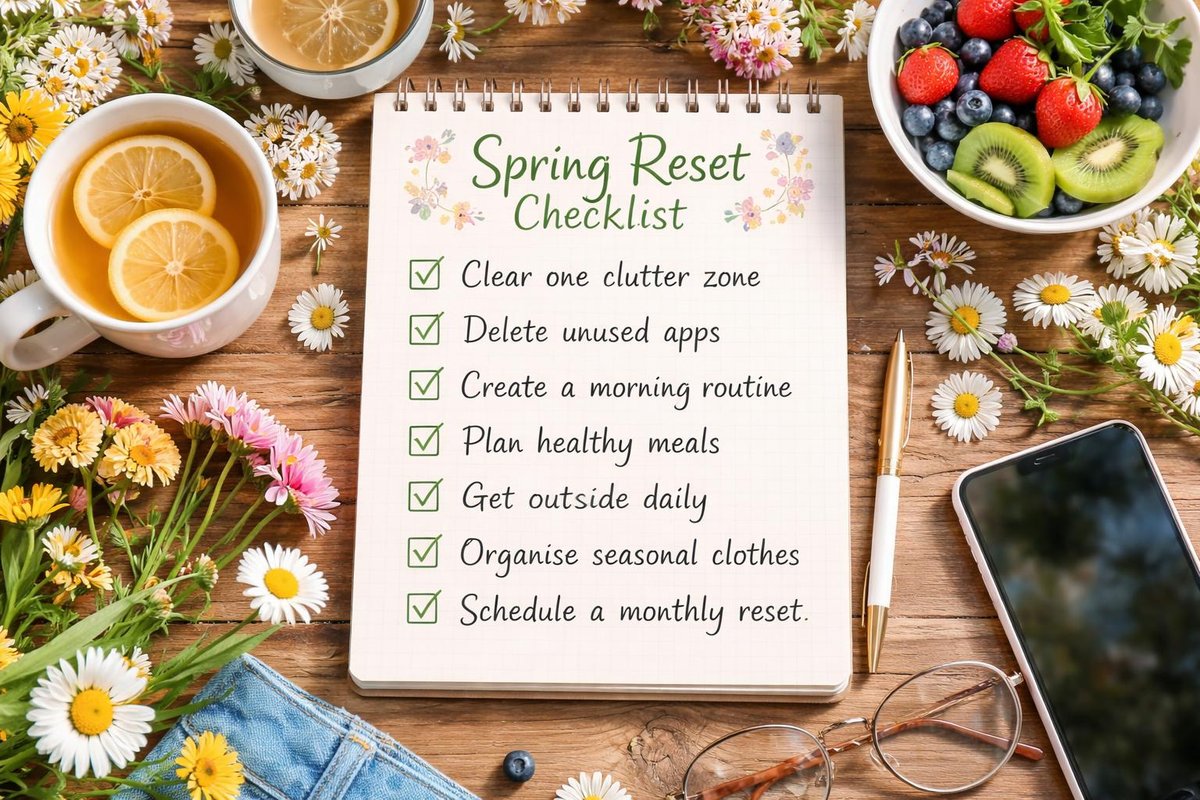
- Clean one cluttered area this week
- Organize a single drawer
- Rotate seasonal clothes
- Delete unused apps
- Update important digital accounts
- Take a daily walk in the sun
- Create a realistic morning routine
- Plan one healthy meal each day
- Schedule a monthly reset session
- Write down one intention for the season
Small actions repeated consistently often create more lasting change than ambitious plans that are difficult to maintain.
Creating Sustainable Routines
How do you make a spring reset last?
The success of any reset depends on sustainability.
People often lose momentum because they attempt too much at once. A more effective approach is to incorporate small adjustments gradually.
Here are a few principles that support long-term success:
Start Smaller Than You Think
Choose one habit before adding another.
For example:
- Five minutes of stretching
- One organised shelf
- One daily walk
- One healthy breakfast change
Consistency builds confidence.
Connect Habits to Existing Behaviours
Attach a new habit to something already established.
For example:
- Stretch after making coffee
- Review your schedule after breakfast
- Complete a brain dump before finishing work
This method reduces friction and makes routines easier to maintain.
Focus on Systems Instead of Outcomes
Rather than focusing solely on a goal, focus on the routine that supports it.
Goals create direction.
Systems create results.
Accept Imperfection
One of the most important mindset shifts in modern wellness involves learning to accept that consistency does not require perfection.
Missing a day does not mean failure.
Sustainable progress often comes from simply returning to a routine after interruptions.
FAQs: Spring Reset 2026
What is a spring reset?
A spring reset is a seasonal opportunity to reassess habits, organise your environment, refresh routines and create a stronger foundation for wellbeing during the months ahead.
Why is spring considered the season of renewal?
Longer daylight hours, warmer weather and signs of natural growth often encourage reflection, motivation and positive lifestyle changes.
What is the difference between self-care and a spring reset?
Traditional self-care often focuses on individual experiences or treats. A spring reset focuses on everyday systems, habits and routines that support wellbeing over time.
How can I start a spring reset without feeling overwhelmed?
Begin with one small area of focus, such as your morning routine, a digital clean-up or a single home organisation project. Small steps are more sustainable than dramatic transformations.
What are the most popular spring reset habits in 2026?
Digital decluttering, intentional scheduling, seasonal eating, movement-based wellness, home organisation and habit-focused wellbeing systems are among the strongest trends.
Final Take
The most influential wellbeing trend of 2026 is not a product, an application or a perfect routine.
It is the growing recognition that everyday wellbeing is built through thoughtful, repeatable habits.
As Australians embrace a new season, the focus is shifting away from occasional self-care moments and toward systems that genuinely support daily life. Whether that means creating a calmer morning rhythm, tackling digital clutter, improving eating habits or simply spending more time moving your body in the sun, the most meaningful changes are often the simplest.
A successful spring reset is not about becoming a different person. It is about creating space for fresh energy, intentional choices and sustainable growth.
Because the future of wellbeing belongs not to perfection, but to consistency.