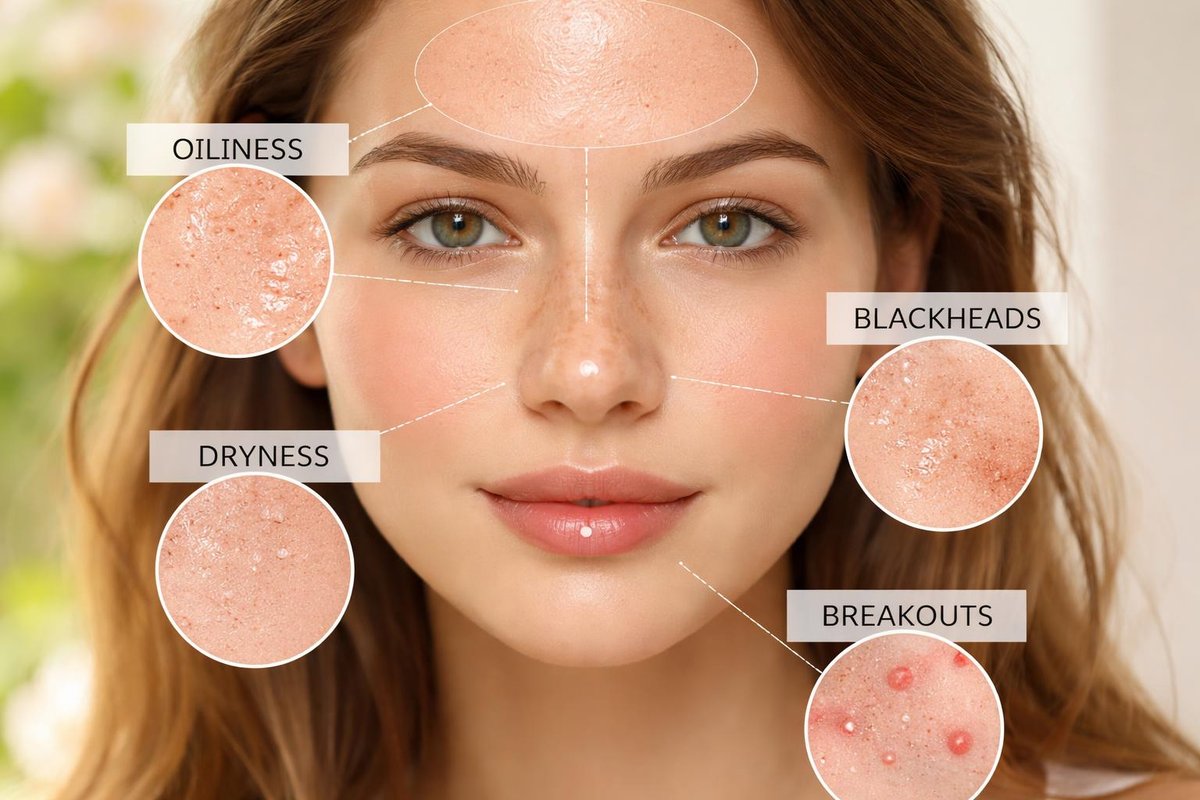
From unexpected breakouts across the T-zone to dry, tight cheeks as the seasons shift, spring often reveals just how differently various parts of our skin behave. While social media has reignited interest in face mapping, modern skincare takes a more evidence-based approach: understanding that different areas of the face have different needs and tailoring treatments accordingly.
As a beauty editor, I've noticed a growing interest in personalised beauty. Consumers are moving away from one-size-fits-all routines and looking for ways to better understand their individual concerns. That's where face zoning can be genuinely helpful. Not as a medical diagnosis, but as a practical method of observation that helps you identify patterns and make smarter skincare decisions.
When combined with professional skin assessment, thoughtful product choices and expert guidance from a dermatologist, it can provide useful insights into what your skin may be telling you.
Why Spring Is the Perfect Time for a Skin Reset
Spring brings warmer weather, increased humidity and more time outdoors. These seasonal shifts can affect the appearance and behaviour of the skin in different ways, often highlighting concerns that may have gone unnoticed during winter.
Quick Reality Check
Your current skincare routine may need adjusting if you've noticed:
- An oily forehead by midday
- Dry or flaky cheeks
- Recurring breakouts around the chin
- Blackheads around the nose
- Increased redness after spending time outdoors
- A dull-looking complexion despite following a consistent routine
Rather than reaching for more products, it may be worth taking a closer look at where these concerns are occurring.
Understanding Face Mapping
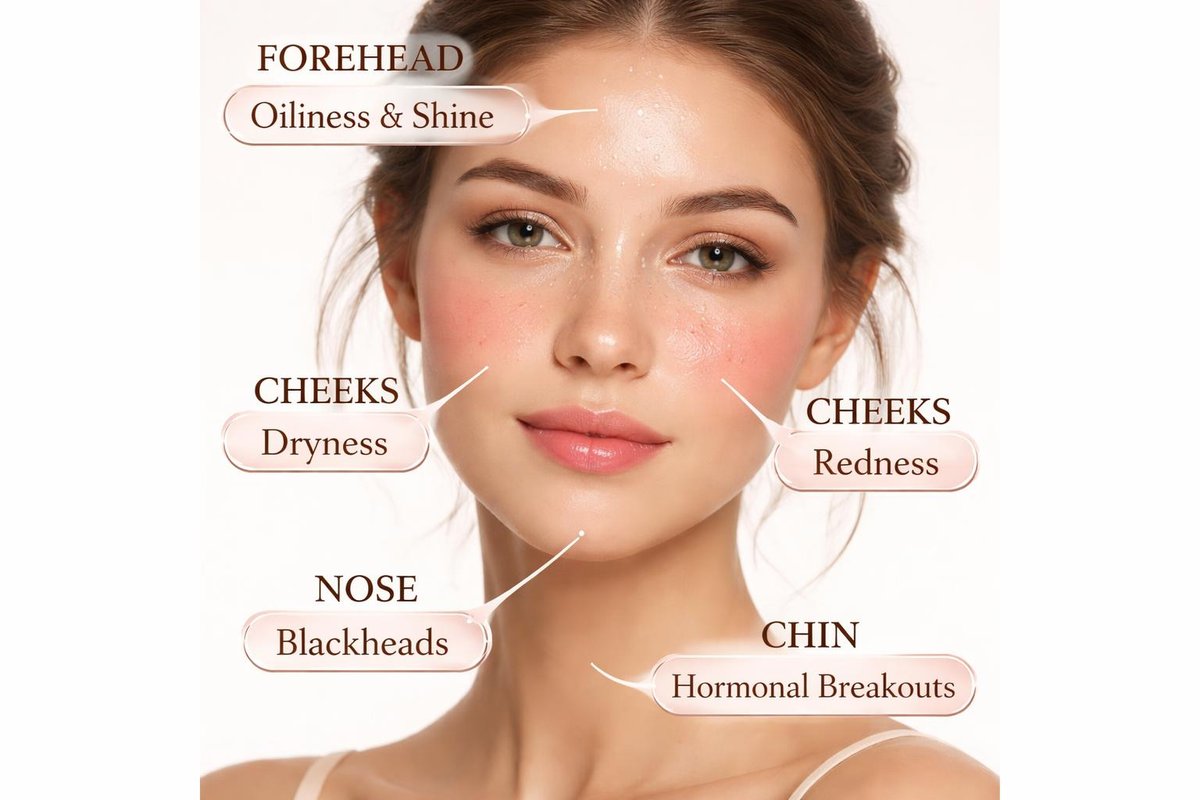
The concept of face mapping dates back centuries and has links to Ancient Chinese medicine, which associated different facial regions with internal organs and bodily systems. Traditional interpretations suggested that a breakout on the chin or a pimple on the forehead could be a reflection of an internal imbalance.
Modern dermatology takes a different perspective.
Today, facial analysis focuses on visible characteristics that can help explain why certain concerns regularly appear in specific areas. These observations may include:
- Oil production
- Hydration levels
- Pore visibility
- Signs of inflammation
- Distribution of breakouts
- Discoloration patterns
- Environmental exposure
Rather than assuming every blemish has an internal cause, a professional dermal analysis looks at lifestyle factors, product use and overall skin health.
A Modern Face Map
| Area | Common Concerns | Potential Factors |
|---|---|---|
| Forehead | Oiliness, congestion, occasional acne | Natural sebum production, hair products |
| Nose | Blackheads, enlarged pores | Higher oil activity |
| Chin | Hormonal breakouts, sensitivity | Hormonal fluctuations |
| Cheeks | Dryness, dehydration, redness | Environmental exposure, weakened barrier |
| Under eyes | Dark circles, fine lines | Genetics, ageing, lifestyle |
The key takeaway? Your face isn't one single zone. Different sections often require different approaches.
Dry Zones vs Congested Zones
One of the most common findings from skin mapping is the difference between areas that are dry and those that are congested.
Many people assume they have one skin type, yet it's incredibly common to experience multiple concerns at the same time.
The T-Zone
The forehead, nose and chin form the T-zone, where oil glands are generally more active.
This area is often associated with:
- Blackheads
- Enlarged pores
- Excess shine
- Congestion
- Mild acne breakouts
Because this zone produces more oil, ingredients designed to regulate sebum can often be beneficial.
The Cheek Area
By contrast, the cheeks frequently experience:
- Dryness
- Dehydration
- Sensitivity
- Redness
- Dullness
This area is often more vulnerable to seasonal changes, pollution and moisture loss.
Why This Matters
Using a strong treatment across the entire face may improve congestion around the nose, but it may also increase irritation or dehydration elsewhere.
The goal of modern skincare isn't simply applying products everywhere. It's understanding where they will be most effective.
Tailoring Ingredients by Area
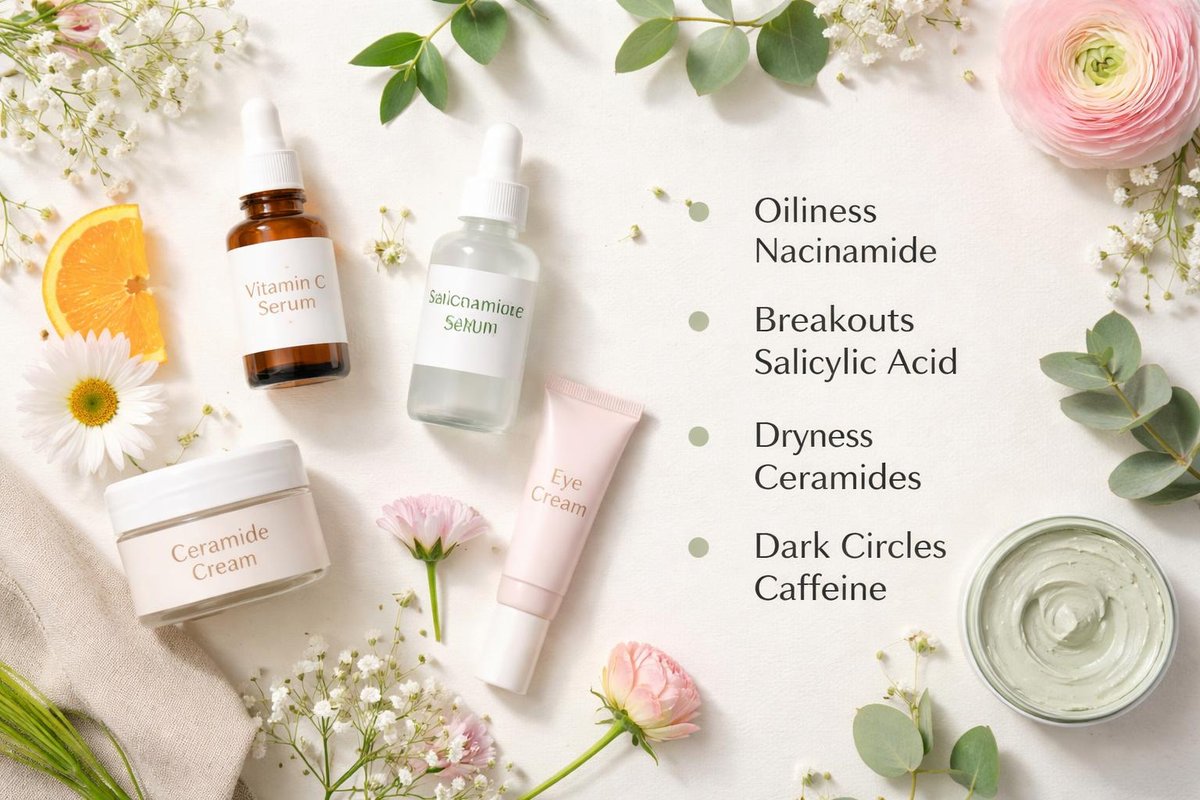
One of the biggest benefits of facial analysis is learning how to match ingredients to specific concerns.
Forehead and Nose
If shine and visible pores are your main concerns, look for:
- Salicylic acid
- Niacinamide
- Clay masks
- Zinc PCA
These ingredients can help refine the appearance of pores and reduce excess oil without leaving the skin feeling stripped.
Chin and Jawline
Breakouts concentrated around the chin are often associated with hormonal fluctuations.
Ingredients commonly recommended include:
- Retinoids
- Azelaic acid
- Benzoyl peroxide
If recurring acne becomes persistent, consulting a dermatologist is always advisable.
Cheeks
The cheeks often benefit from ingredients that support hydration and barrier health.
Look for:
- Ceramides
- Hyaluronic acid
- Glycerin
- Peptides
These ingredients can help minimise dryness, improve comfort and reduce visible redness.
Under-Eye Area
Dark circles and early fine lines can often benefit from:
- Caffeine
- Vitamin C
- Peptides
- Hydrating humectants
Uneven Tone and Pigmentation
If you're concerned about dark spots or discoloration, ingredients such as vitamin C, azelaic acid and retinoids may help promote a brighter, more even-looking complexion over time.
The Rise of AI Skin Analysis
Beauty technology is evolving rapidly, and many brands now offer AI-powered skin analysis tools.
Using a selfie or digital scan, these platforms can assess visible concerns such as:
- Pore size
- Redness
- Fine lines
- Pigmentation
- Oiliness
- Dark circles
While AI can provide useful product suggestions and educational insights, it should complement professional advice rather than replace it.
For persistent acne, severe irritation or unexplained changes, a qualified dermatologist remains the most reliable source of guidance.
What Dermatologists Say About Face Mapping
Most dermatologists agree on one important principle: different areas of the face behave differently.
Research shows that oil production, moisture levels and barrier function can vary significantly between facial regions. This is one reason personalised skincare has become such a major trend.
However, experts also caution against interpreting every blemish as evidence of an internal health issue.
Instead, a thorough skin analysis typically considers:
- Genetics
- Hormones
- Lifestyle habits
- Environmental exposure
- Product selection
- Stress levels
A dermatologist can often identify the cause of recurring concerns far more accurately than traditional theories alone.
Common Mistakes
1. Treating Every Area the Same
A one-size-fits-all approach rarely works because each zone can have different requirements.
2. Over-Exfoliating
Too much exfoliation can damage the skin barrier and increase irritation.
3. Ignoring Dehydration
Even oily skin can experience dryness and benefit from hydrating ingredients.
4. Following Every Beauty Trend
Not all skincare trends are backed by evidence or suitable for every skin type.
5. Misunderstanding Face Mapping
Face mapping is a helpful observation technique, but it should not be viewed as a replacement for professional assessment.
6. Forgetting the Basics
Healthy skin is influenced by daily habits, including:
- Drinking enough water
- Eating a balanced diet
- Exercising regularly
- Prioritising sleep
- Using sun protection
Spring Face Mapping Checklist
Ask yourself:
□ Is my forehead noticeably oilier than the rest of my face?
□ Do I experience frequent breakouts around my chin?
□ Are blackheads concentrated around my nose?
□ Have my cheeks become drier during seasonal changes?
□ Is redness becoming more noticeable?
□ Have I had a professional skin analysis recently?
If you answered yes to several of these questions, your current routine may benefit from a more targeted approach.
FAQs
Does face mapping really work?
Facial mapping can be a useful tool for understanding where concerns such as acne, discoloration, dryness and oiliness occur. However, it should be viewed as an observation method rather than a medical diagnosis.
Why do I keep getting breakouts on my chin?
Recurring breakouts around the chin are often linked to hormonal fluctuations, product use or friction. If they persist, speak with a dermatologist.
Should I use different products on different areas of my face?
Yes. Many people find that tailoring products to a specific zone creates a more effective skincare routine than using the same product everywhere.
Can AI skin analysis replace a dermatologist?
No. While AI tools can provide useful information and product suggestions, they cannot replace professional advice from a qualified dermatologist.
What is the biggest mistake people make with face mapping?
The most common mistake is assuming that every pimple automatically signals an internal problem rather than examining external factors such as products, hormones, environment and lifestyle.
Dermatology References
- American Academy of Dermatology (AAD)
- British Association of Dermatologists (BAD)
- Journal of Cosmetic Dermatology
- International Journal of Cosmetic Science
Final Take
The modern approach to face mapping is less about decoding hidden messages and more about paying attention to patterns. A shiny forehead, congested nose, breakout-prone chin or dry cheeks can all reveal important information about your skin's changing needs.
By combining careful observation, professional skin analysis, evidence-based skincare and advice from a dermatologist when needed, you can create a more personalised routine that supports a healthy, balanced and radiant complexion throughout spring and beyond.
As beauty becomes increasingly personalised, I believe the future won't be about following every trend. It will be about understanding your own skin, recognising the signals it gives you and choosing treatments that work for each individual area rather than relying on a single solution for all.