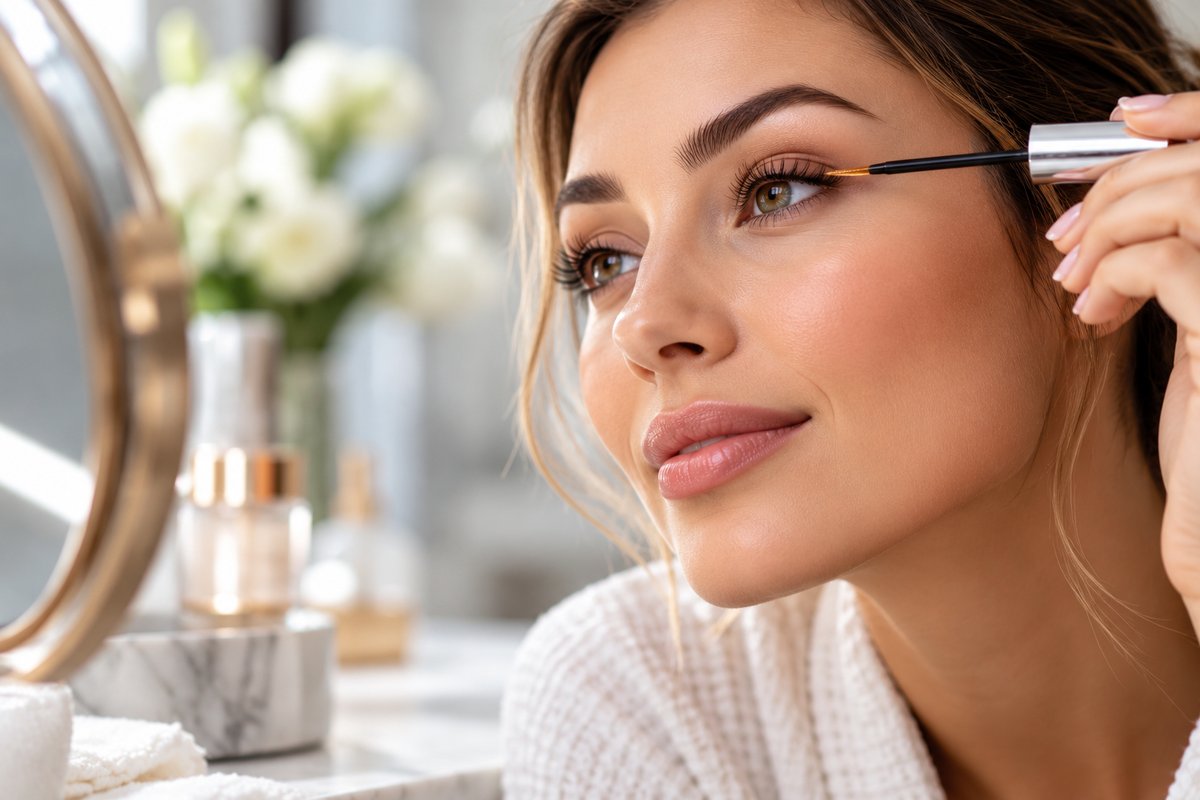
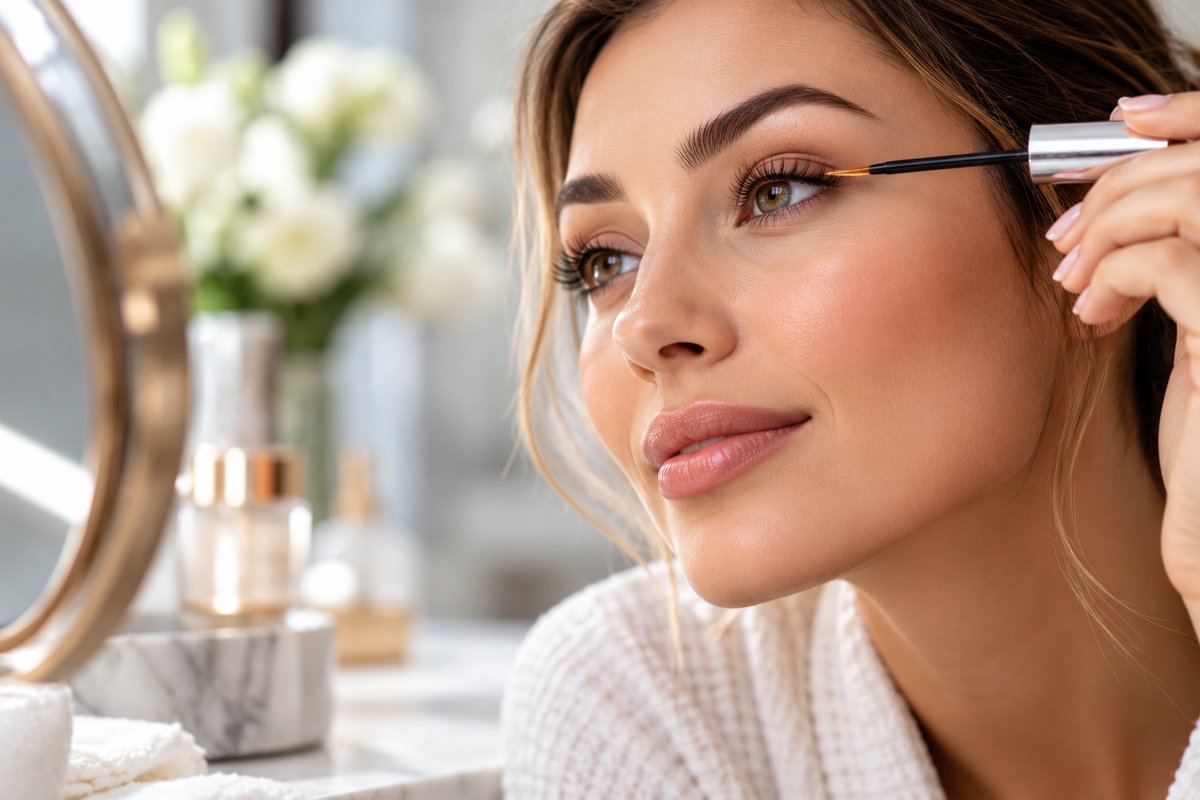
Lash serums are entering a new phase, with peptide-based formulas offering beauty shoppers another option for conditioning lashes without prostaglandin analogues.
For years, the promise of longer-looking, fuller-looking lashes has made lash serums one of the most talked-about products in eye beauty.
Now the conversation is shifting.
Instead of focusing only on dramatic-looking results, a growing number of brands are emphasising conditioning, healthier-looking lashes and formulas designed without prostaglandin analogues.
The latest example comes from RevitaLash Cosmetics, which has launched RevitaLash Peptide Complex+ Time Release Eyelash Conditioner globally from 1 October 2026.
The new product is positioned as an ophthalmologist-developed, multi-peptide conditioning serum with time-release technology. It also arrives at a moment when beauty shoppers are paying closer attention to what is in lash products and what those products are actually designed to do.
Why are peptides appearing in lash serums?
Peptides are short chains of amino acids. In cosmetics, they can be included in formulas intended to condition and support the appearance of hair or skin.
In a lash serum, that usually means the focus is on helping lashes look healthier, stronger and better conditioned rather than making a pharmaceutical-style growth claim.
That distinction matters.
The term lash serum can describe very different products. Some are essentially conditioners. Others use ingredients intended to influence the lash-growth cycle. Packaging and marketing can make them appear similar, so it is worth reading the ingredient list and product description rather than assuming every serum works in the same way.
RevitaLash says its new Peptide Complex+ formula uses multiple peptides delivered through time-release technology. The company describes the product as a conditioner for the appearance of stronger, healthier and more resilient lashes.
What does prostaglandin-analogue-free mean?
One of the biggest talking points around the launch is what the formula leaves out.
RevitaLash Peptide Complex+ is made without prostaglandin analogues, a category of ingredients used in some lash-enhancing formulas.
For beauty shoppers, this does not make one type of serum universally right or wrong. It does mean the products may work differently and should not be treated as interchangeable.
A peptide conditioning serum is generally marketed around lash condition and appearance. Products containing prostaglandin analogues may be promoted with a different performance story and can require a different level of consideration.
If you have sensitive eyes, an existing eye condition, use prescription eye products, are pregnant or breastfeeding, or have previously reacted to a lash serum, it is sensible to discuss the product with an appropriately qualified health professional before use.
What does the RevitaLash study tell us?
According to RevitaLash, the new formula was assessed in an independent 12-week consumer study involving 160 participants.
The brand reports that after six weeks, 90 per cent of participants said their lashes appeared improved and 90 per cent reported healthier-looking lashes.
It also says the proportion who felt their lashes appeared enhanced rose from 89 per cent at six weeks to 92 per cent at 12 weeks, while those who felt their lashes were more nourished increased from 89 per cent to 96 per cent.
Those figures are encouraging, but they should be read for what they are: consumer-reported results supplied by the brand, not a guarantee that every user will have the same experience.
They also describe appearance and conditioning rather than proving that the product medically stimulates lash growth.
Why lash care is moving beyond mascara
Lashes have traditionally been treated mainly as a makeup category. Mascara, curlers, false lashes and extensions all create an immediate visible effect.
Serums bring a skincare-style mindset to the same area.
Instead of changing how lashes look for one day, they become part of a routine that may take several weeks to assess. That fits neatly with the wider beauty shift towards hybrid products that sit somewhere between makeup and care.
It also suits the current preference for softer, more natural makeup. As heavy eye looks give way to lightly defined lashes and skin-first beauty, the condition of the natural lash becomes more noticeable.
That does not mean mascara is disappearing. A conditioned lash and a good mascara can play completely different roles. One supports the look and feel of the natural lash over time; the other adds immediate colour, definition, length or volume.
How to use a lash serum carefully
Lash serums are used close to one of the most sensitive areas of the face, so more product is not necessarily better.
Follow the directions supplied with the individual formula. Apply it only where instructed, avoid getting it into the eye and do not share the applicator.
The skin should generally be clean and free of makeup before application, but the correct timing and frequency depend on the product.
Stop using a serum if it causes irritation and seek appropriate advice if symptoms persist. A formula described as hypoallergenic or non-irritating can still be unsuitable for an individual user.
Fashion Weekly Tip: Take a clear photograph of your lashes in the same lighting before starting a serum. Subtle changes are easier to assess after six or twelve weeks when you have a consistent comparison rather than relying on memory.
What should you look for when choosing a lash serum?
Start with the outcome you actually want.
If your lashes feel dry or brittle after frequent mascara, extensions or removal, a conditioning formula may be the most relevant place to begin.
If a product makes stronger claims, look closely at the active ingredients, directions, warnings and evidence supporting those claims.
It is also worth checking whether the product is available through an authorised Australian retailer. Buying from a trusted source reduces the risk of receiving an old, incorrectly stored or counterfeit eye-area product.
Price deserves attention too. RevitaLash lists the new 4 mL Peptide Complex+ conditioner at a suggested price of US$90, but Australian pricing and availability may differ. Compare the amount supplied, recommended frequency and expected period of use rather than judging value from the bottle price alone.
The Fashion Weekly view
Peptide lash serums are likely to appeal to shoppers who want a conditioning-first approach and prefer a formula made without prostaglandin analogues.
The launch of RevitaLash Peptide Complex+ shows how quickly the lash category is becoming more specialised. Instead of one serum promising everything, brands are beginning to offer different formulas for different preferences.
That choice is welcome, but it makes careful reading more important.
Look beyond the before-and-after promise. Check what the product contains, whether the claims relate to growth or appearance, how the evidence was collected and whether the formula makes sense for your eyes and your routine.
In a category built around tiny hairs and big expectations, clarity may be the most valuable beauty ingredient of all.