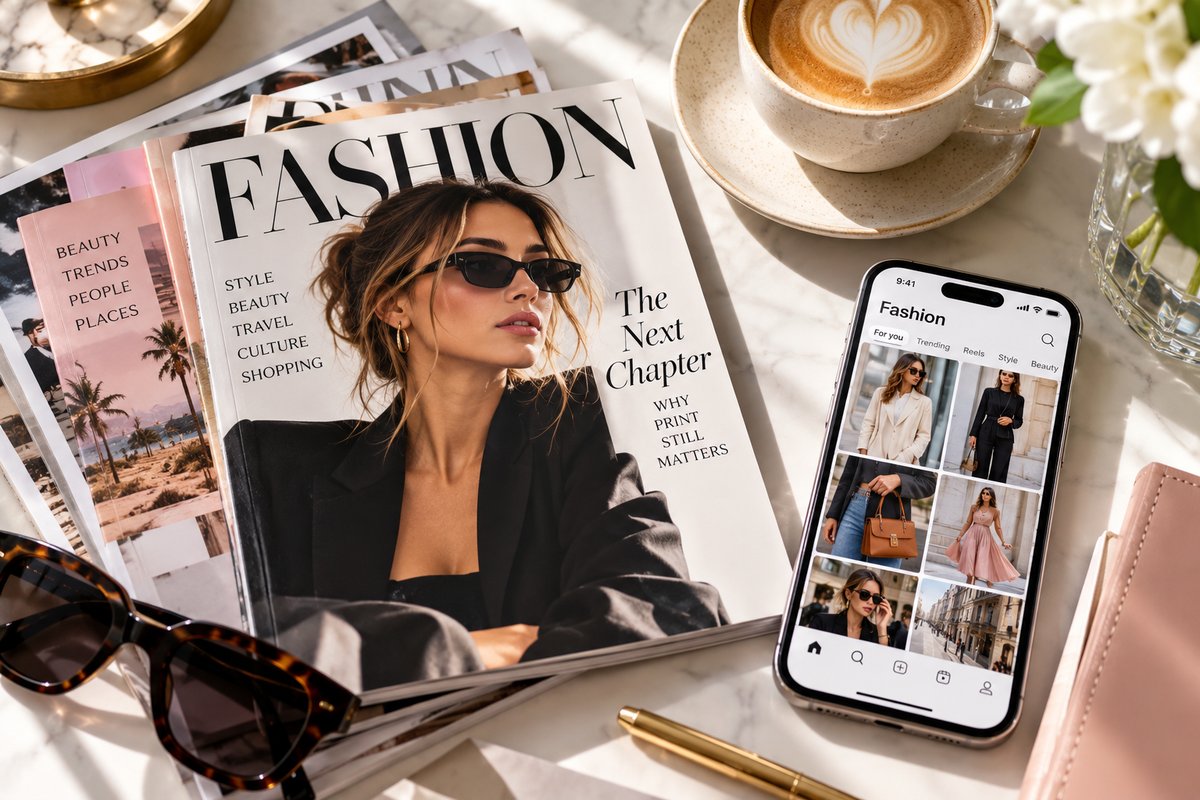
From TikTok recommendations to AI-powered product research, the Australian beauty shopping journey is becoming increasingly fragmented — and traditional beauty retailers are facing some serious competition.
The way Australians discover and buy beauty products is changing.
For years, beauty shopping often meant heading into a specialist retailer, browsing the shelves, asking for advice and leaving with a carefully selected new addition to the bathroom cabinet.
Today, that journey might begin with a creator on Instagram, continue with a Google search or a question to an AI assistant, and end with a purchase from an online marketplace.
New Australian research from ecommerce accelerator Pattern suggests this shift is happening faster than many might expect.
According to Pattern's 2026 State of Beauty & Personal Care in Australian Ecommerce report, Australia's online beauty market is forecast to grow by 47 per cent to US$2.2 billion by 2030.
Online Marketplaces Are Challenging Beauty's Biggest Retailers
One of the most striking findings is the growing influence of online marketplaces.
Pattern reports that Amazon generated approximately A$200 million in Australian beauty and personal care sales during the fourth quarter of 2025.
For comparison, specialist beauty and health retailers including Mecca, Sephora, Adore Beauty and Chemist Warehouse collectively recorded A$199.3 million in online beauty sales during the same period.
It is an interesting shift in a category where specialist retailers have traditionally played an important role in both product discovery and purchasing.
Convenience appears to be increasingly important.
The research found that 71 per cent of Australian online beauty shoppers intend to purchase beauty products through Amazon during the next 12 months.
Perhaps more significantly for beauty brands, 43 per cent said they would consider buying a similar product from another brand if their preferred product was unavailable on Amazon.
For consumers, that means availability and convenience may sometimes be becoming almost as important as brand loyalty.
Beauty Discovery Starts Long Before Checkout
Where things become particularly interesting is how Australians are finding products in the first place.
Nearly half — 47 per cent — of beauty shoppers surveyed said they were more likely to purchase a product following a creator recommendation.
Instagram and Facebook each influenced 47 per cent of beauty shoppers to consider or purchase a product during the previous year, followed by YouTube at 45 per cent and TikTok at 38 per cent.
But seeing a product on social media does not necessarily mean buying it there.
When consumers discover a beauty product through social media, 39 per cent said they would be most likely to purchase directly from a retailer or brand website, while 32 per cent would head to Amazon.
So the modern beauty journey is becoming less of a straight line.
You might discover a foundation in a TikTok tutorial, read reviews elsewhere, compare shades on the manufacturer's website and eventually buy it from whichever trusted retailer has it available at the best price.
Now AI Is Joining the Beauty Counter
There is another relatively new influence entering that journey: artificial intelligence.
Pattern found that 38 per cent of Australian beauty shoppers are relying more heavily on AI tools to discover products online than they were a year earlier.
More than one in four — 27 per cent — said they had already used ChatGPT or another AI assistant while researching or purchasing products.
Perhaps most surprisingly, 55 per cent said they trusted AI-generated product recommendations.
For beauty shoppers faced with an enormous range of serums, active ingredients, foundations, hair treatments and skincare routines, it is not difficult to understand the appeal.
Instead of opening dozens of browser tabs, a shopper can ask questions such as which ingredients suit a particular skin concern, how two products differ or what alternatives exist within a particular budget.
That does not necessarily replace professional advice or independent product reviews, particularly when skin conditions or health concerns are involved. But it does add another research tool to the increasingly complicated beauty-shopping journey.
Are We Becoming Less Loyal to Beauty Brands?
Beauty has traditionally been a category capable of generating fierce brand loyalty.
Find the mascara, moisturiser or foundation that works and many of us will buy it repeatedly for years.
The new research suggests convenience could be challenging some of that loyalty.
If shoppers cannot easily find their preferred product through the channels they already use, a significant proportion appear willing to try something else.
At the same time, social media exposes consumers to an almost constant stream of alternatives.
A product no longer competes only with the other bottles sitting beside it on a department-store shelf. It may be competing with dozens of products appearing in tutorials, reviews, influencer content, search results and AI recommendations.
What Does This Mean for Australian Beauty Shoppers?
More choice can be a good thing.
Competition between retailers can make products easier to find, while creators and online communities can introduce consumers to brands they may never encounter in a traditional store.
But an abundance of recommendations also makes it increasingly important to consider who is making the recommendation and why.
Sponsored creator content should be identifiable as advertising. Affiliate recommendations may generate commission. Marketplace listings need to come from reputable sellers, particularly when purchasing cosmetics and skincare.
AI recommendations also deserve the same healthy scrutiny we would apply to any other source.
The tools used to discover beauty may be changing, but some old-fashioned shopping habits remain valuable: check the ingredients, compare credible reviews, understand the returns policy and buy from a retailer or authorised seller you trust.
The Beauty Shopping Journey Is No Longer a Straight Line
The biggest takeaway from Pattern's research may not be that marketplaces are replacing specialist beauty retailers.
It is that the boundaries between discovery, research and purchasing are disappearing.
A beauty purchase can now involve social media, creators, search engines, AI, brand websites, specialist retailers and marketplaces — sometimes all for the same product.
For Australian shoppers, that creates unprecedented access to beauty brands and information.
For the beauty industry, it means earning a customer's attention is only the beginning.
Keeping it all the way to the checkout may be the much bigger challenge.