For years, finding a beautiful pair of shoes has often involved an uncomfortable compromise. The heels look wonderful, the flats complete the outfit and the boots feel perfect in the fitting room. A few hours later, however, the experience can be very different.
Now, a growing conversation around footwear design is challenging the idea that style and comfort must be competing priorities.
Australian footwear brands are among those exploring how considered design, supportive construction and contemporary styling can work together. But what actually makes a shoe comfortable, and how can shoppers tell the difference between thoughtful design and clever marketing?
Why Comfort Is Becoming Part of the Style Conversation
Footwear has always been about more than appearance. Shoes influence how we move through our days, whether that involves commuting, working, travelling or attending social events. The rise of practical styles is also visible in technical footwear's move from trail to street.
As wardrobes become increasingly versatile, the expectation that shoes should work across different settings is understandable. A pair that looks polished with tailored trousers but remains comfortable during an afternoon of walking can be more useful than something reserved for occasional wear.
This is also reflected in the popularity of sneakers beyond traditional sportswear. The boundaries between practical and fashionable footwear have become less rigid, giving women more freedom to prioritise both appearance and wearability.
What Makes a Shoe Comfortable?
Comfort is not determined by one feature alone. The shape of the shoe, its construction and how well it fits the individual all matter.
Fit and toe space: A shoe should accommodate the natural shape of the foot without squeezing the toes. A narrow or pointed design may look elegant, but the available space inside the shoe still matters.
Cushioning: Cushioning can help a shoe feel softer underfoot, although more cushioning does not automatically mean better support or a more suitable fit.
Stability: The structure of the sole and heel can affect how secure a shoe feels while walking.
Materials: Flexible uppers, breathable linings and carefully positioned seams may contribute to a more comfortable wearing experience.
Individual needs: Foot shape, activity level and existing foot concerns can influence which features feel most comfortable.
Materials and construction only tell part of the story. A soft upper can still rub if a seam falls in the wrong place, while a plush sole may feel comfortable briefly without providing the stability a particular wearer prefers. There is no single construction that works perfectly for everyone. A shoe that suits one person may be less appropriate for another.
The Australian Footwear Brands Exploring a Different Approach
Australian footwear brand FRANKIE4 has brought renewed attention to the relationship between fashion, comfort and footwear research.
The brand has highlighted a 2025 independent study undertaken with Queensland University of Technology (QUT) and published in the Journal of Foot and Ankle Research. It involved 29 women experiencing plantar heel pain and measured results for a specific tested combination: the FRANKIE4 Jackie sneaker and Sole Hero Footbed.
Those findings are specific to that study and product combination. They do not establish that every FRANKIE4 style prevents or treats foot pain, or that the same results apply to every wearer or foot condition.
For shoppers, the more useful takeaway is that footwear design can involve considerably more than choosing an attractive silhouette. Details that are largely invisible from the outside may influence how a shoe feels during everyday use.
Style Is No Longer Limited to One Type of Shoe
The idea of dressing well has evolved beyond the expectation that formal occasions require uncomfortable footwear.
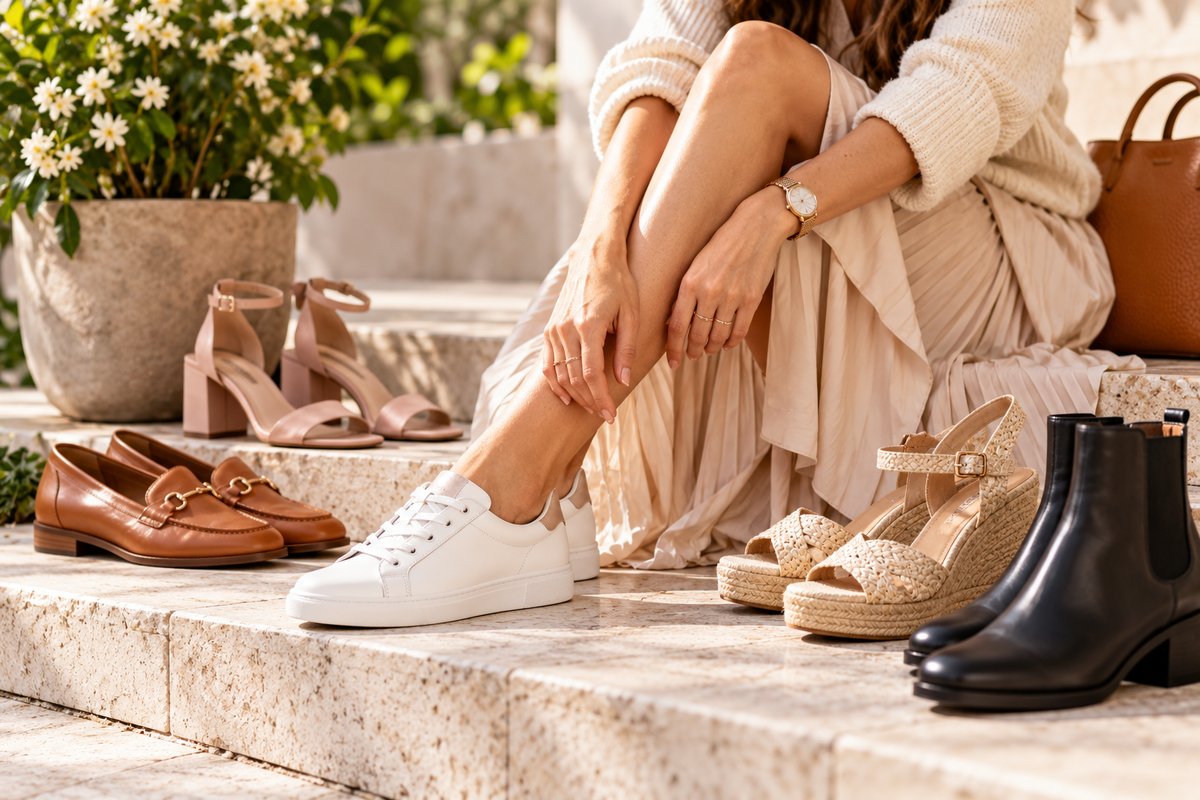
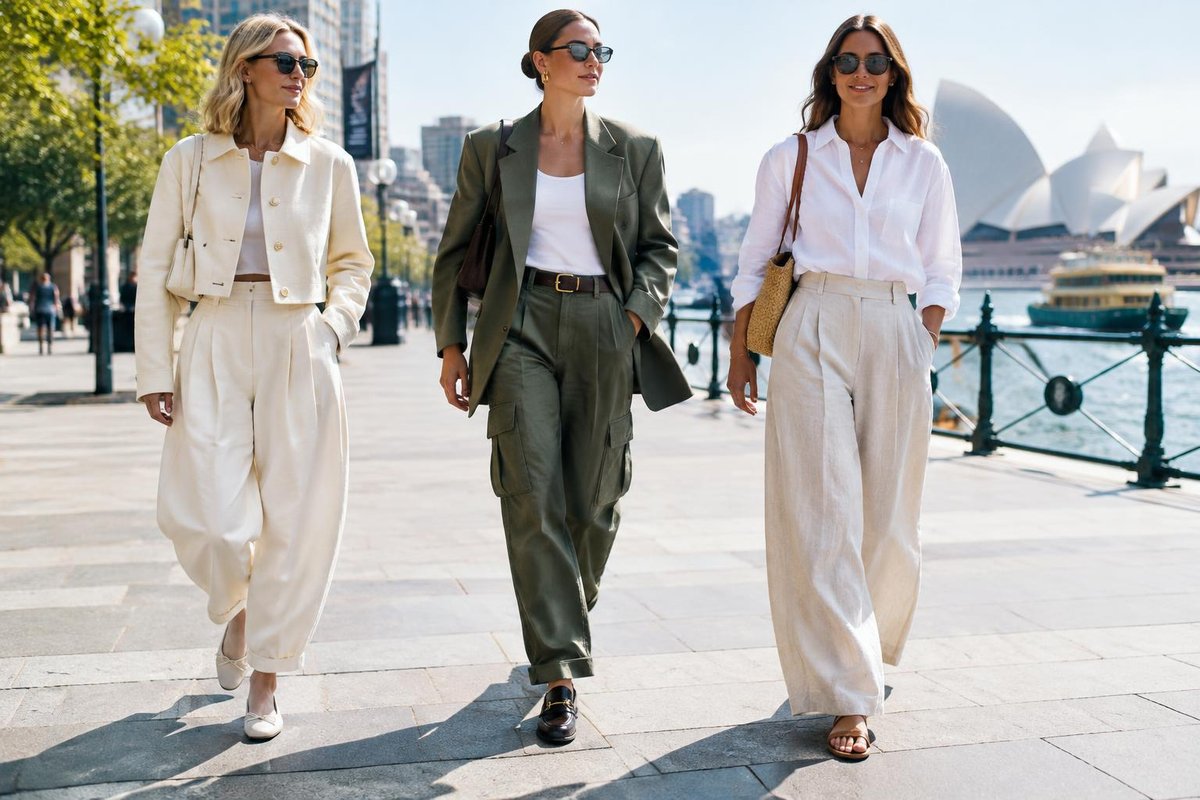
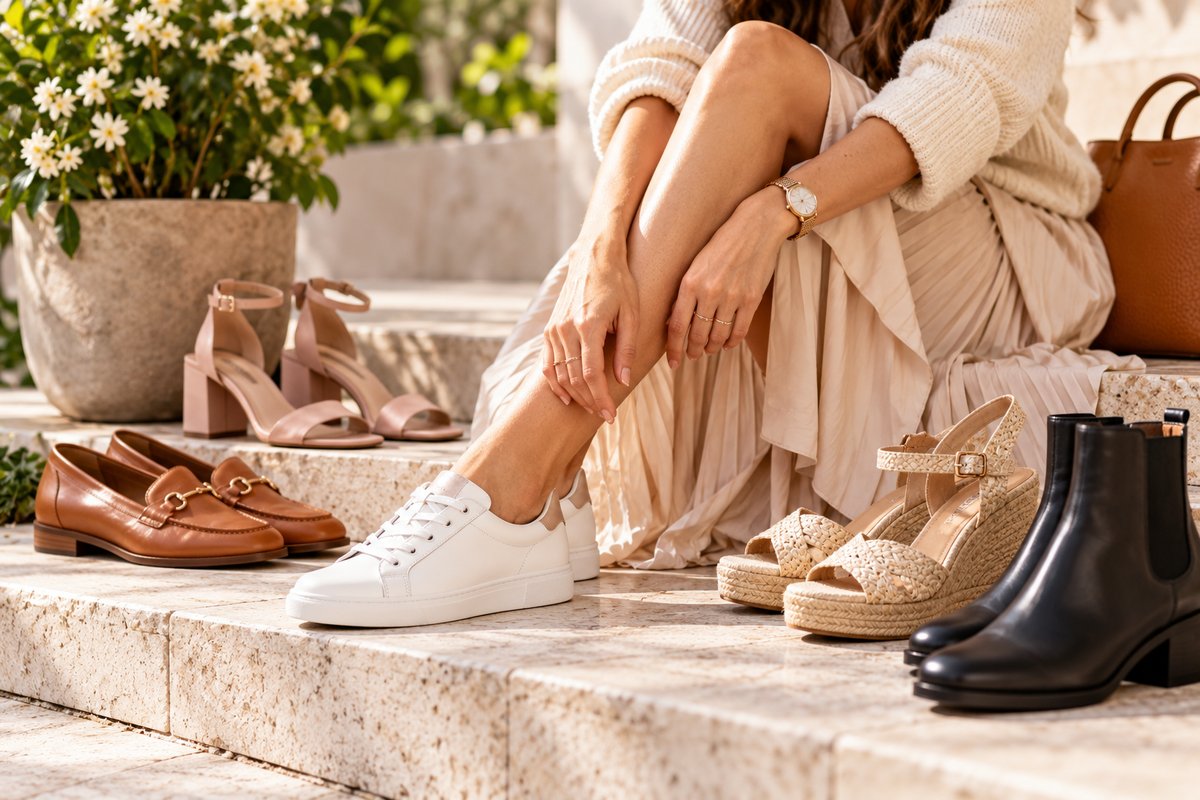
A tailored outfit can work beautifully with minimalist sneakers. A flowing dress can be paired with supportive sandals. Loafers and low-profile flats can provide a polished alternative to high heels.
Rather than following one fixed formula, contemporary personal style increasingly allows room for individual preferences and practical needs.
This flexibility also encourages a more considered approach to buying shoes. For ideas on building versatile outfits around repeat-wear pieces, see Fashion Weekly's Australian capsule wardrobe guide. Instead of choosing a pair only because it matches one outfit, shoppers can think about how frequently they will wear it, where they will walk and whether it suits their daily routine.
How to Shop for Shoes That Look Good and Feel Good
The most useful test of a shoe is not how it looks on a shelf, but how it feels when worn.
When trying on footwear, consider the following:
- Walk around rather than assessing the fit while standing still.
- Check whether your toes have enough room.
- Notice whether your heel slips excessively or the shoe feels unstable.
- Pay attention to pressure around the sides and top of the foot.
- Consider the surfaces and activities for which you intend to wear the shoes.
- Try both shoes, as feet can differ slightly in size.
It is also worth remembering that a shoe should not require significant discomfort before it becomes wearable.
Fashion Weekly Tip: Try on new shoes later in the day, when your feet may be slightly larger, and walk around in them before deciding. A beautiful shoe is a much better investment when it feels comfortable from the beginning.
Is the Future of Footwear More Considered?
The most interesting development in footwear may not be a particular heel height, material or trend. It may be a change in what women expect from the shoes they purchase.
A stylish design can still be elegant, expressive and contemporary while paying attention to fit and function.
For Australian shoppers, that creates an opportunity to ask better questions about footwear, look beyond broad comfort claims and choose designs that suit their individual needs.
Because the most beautiful pair of shoes is arguably the one you actually enjoy wearing.