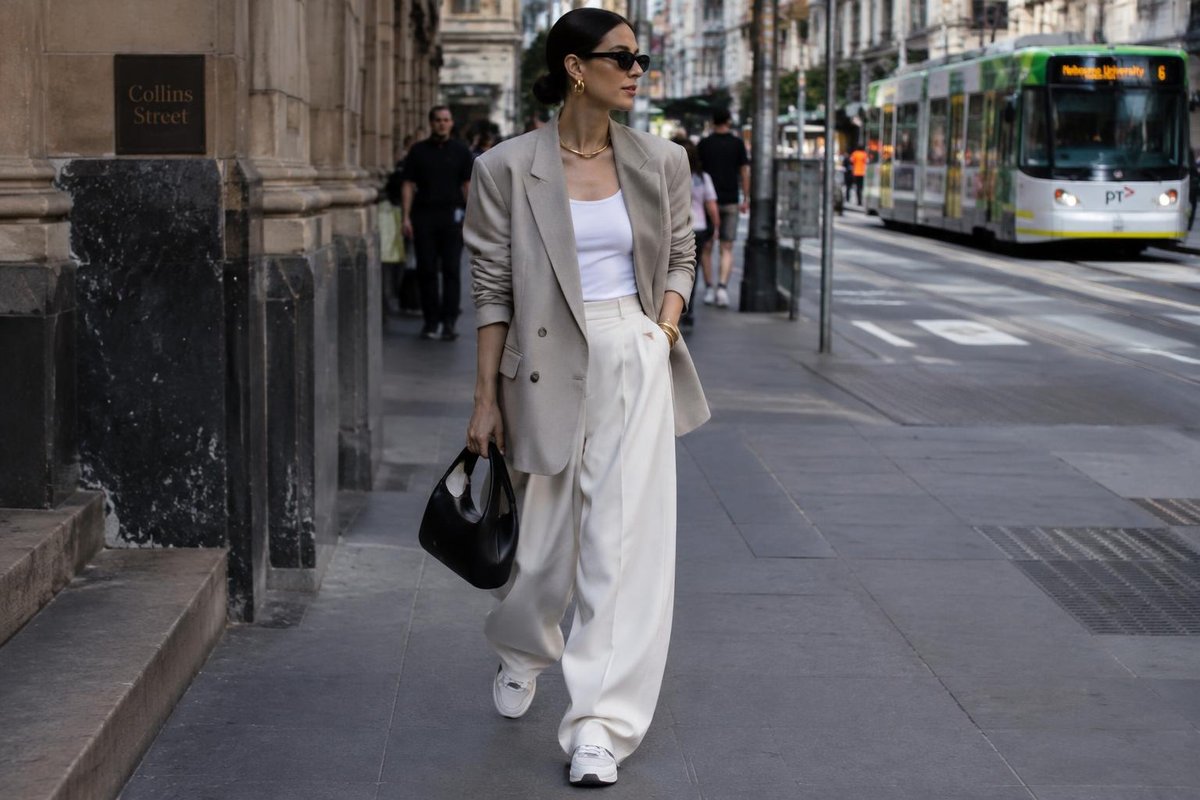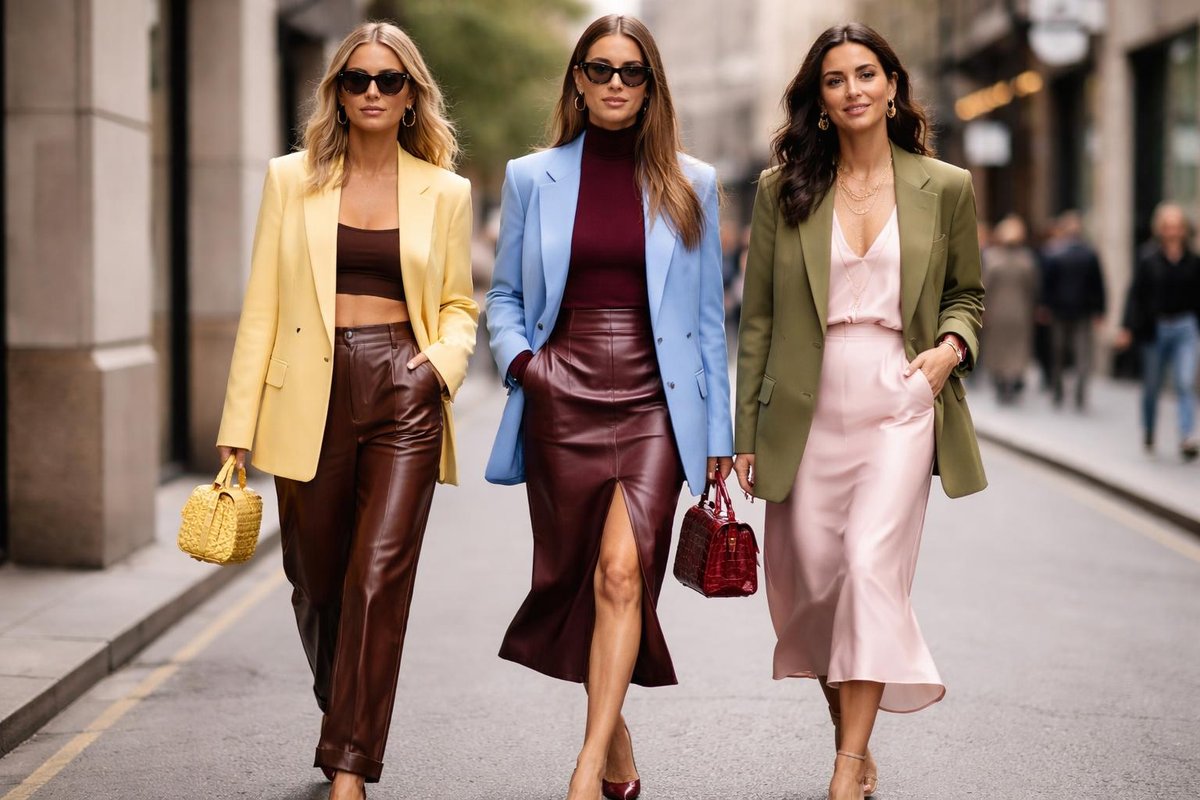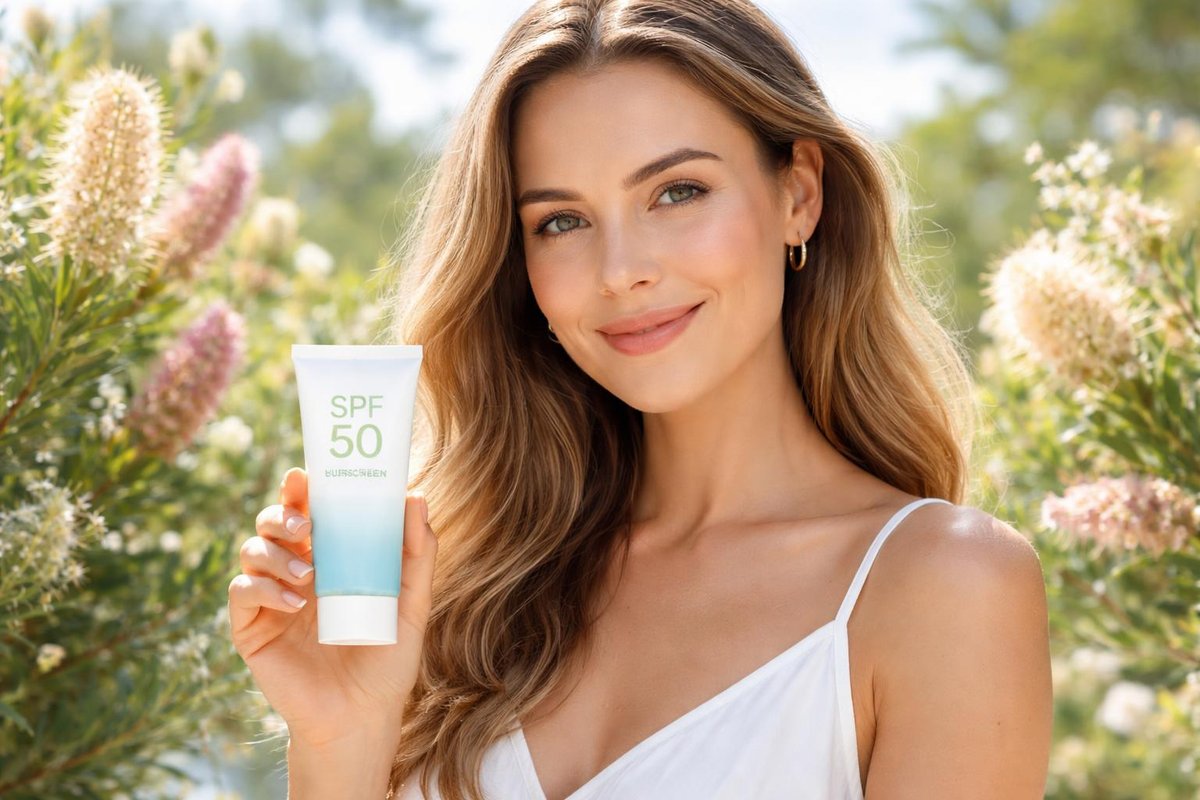
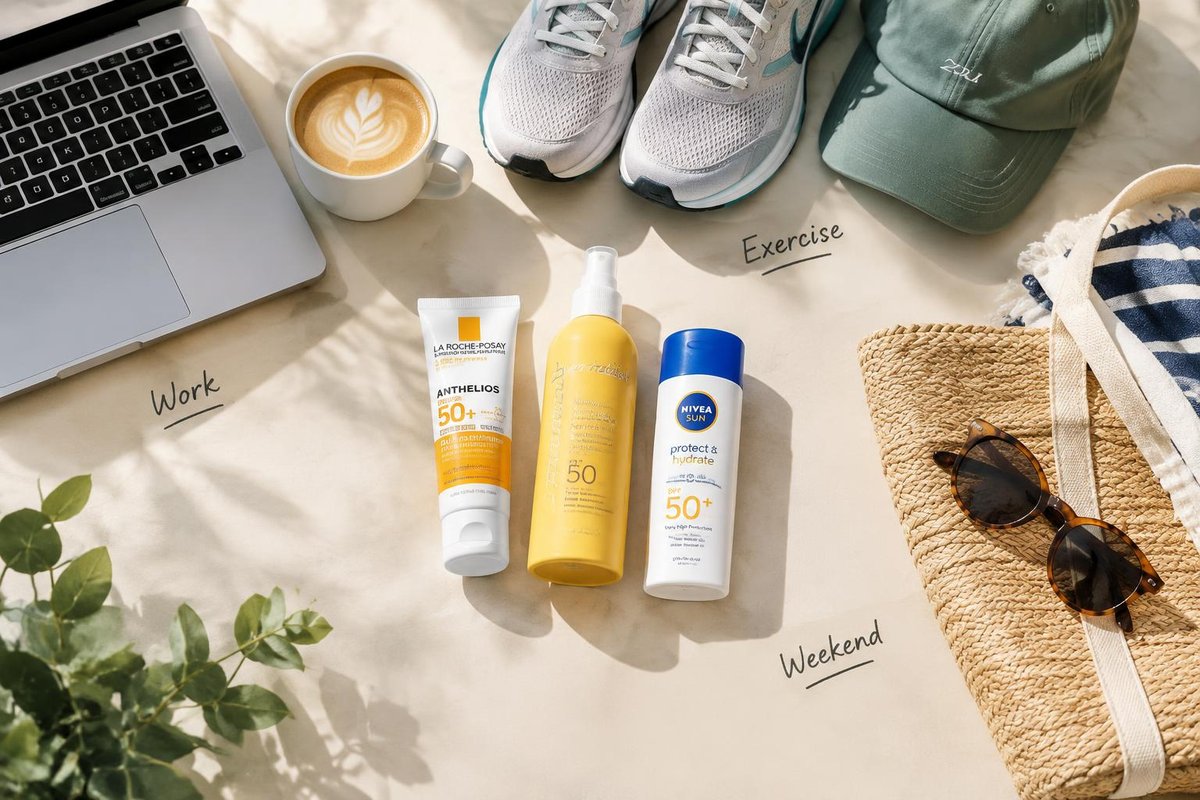
The idea of owning just one sunscreen for every situation is quickly becoming outdated. Much like we build wardrobes for different occasions, many Australians are now creating an SPF wardrobe, choosing different formulas based on where they are, what they're doing, and how long they'll be exposed to the sun.
With Australia’s intense UV levels, the conversation around sunscreen has evolved beyond simply wearing it. Consumers are paying closer attention to SPF ratings, broad-spectrum protection, water resistance, cosmetic elegance and how products perform in real life. Recent sunscreen testing and Choice results have also increased interest in SPF claims, independent testing and how sunscreens in Australia are regulated.
The good news? Building an SPF strategy doesn't have to be complicated. Once you understand your lifestyle needs, finding the best sunscreen Australia has to offer becomes much easier.
Building Your SPF Wardrobe for Spring
Spring is when many Australians spend more time outdoors, whether that's commuting to work, exercising before sunrise, or planning weekend adventures. At the same time, Australia’s sun can deliver high levels of UV radiation even on cool or cloudy days.
That's why dermatologists increasingly encourage people to think beyond a single tube of sunscreen. Different activities place different demands on your sun protection, and one formulation may not tick every box.
Think of your SPF wardrobe like this:
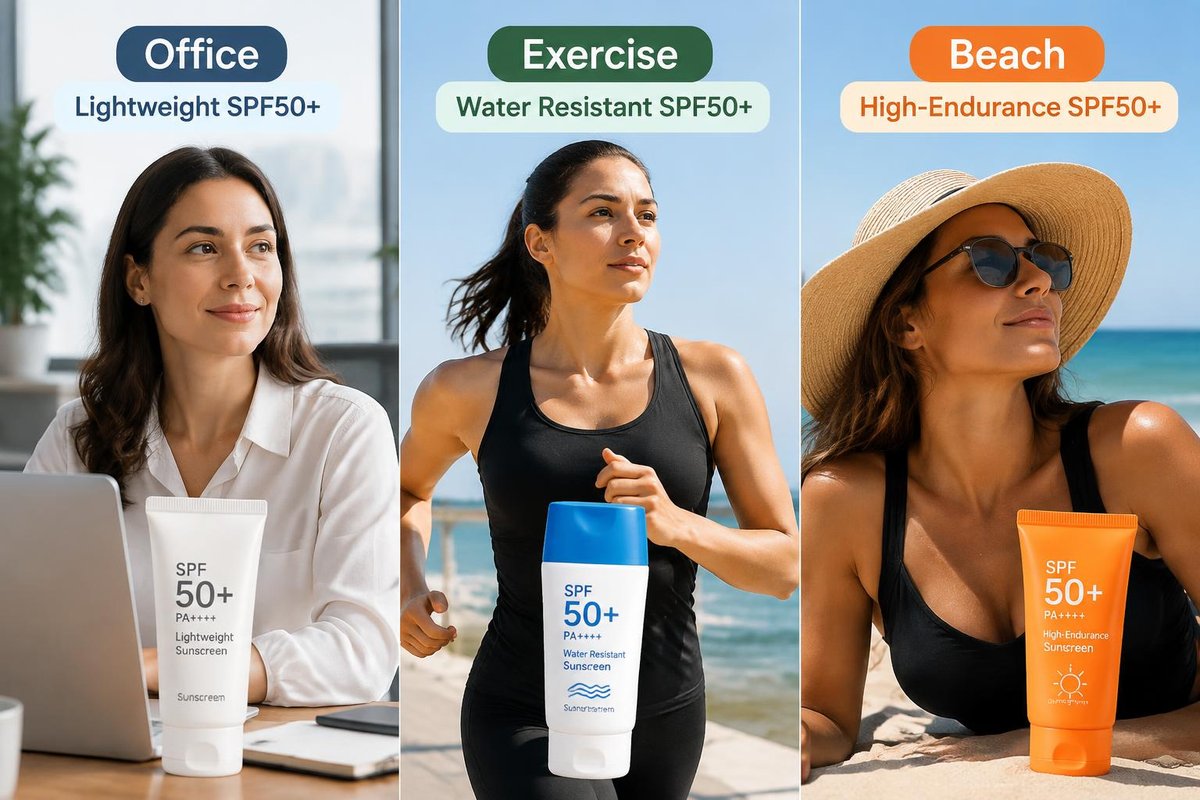
- One sunscreen for daily office wear
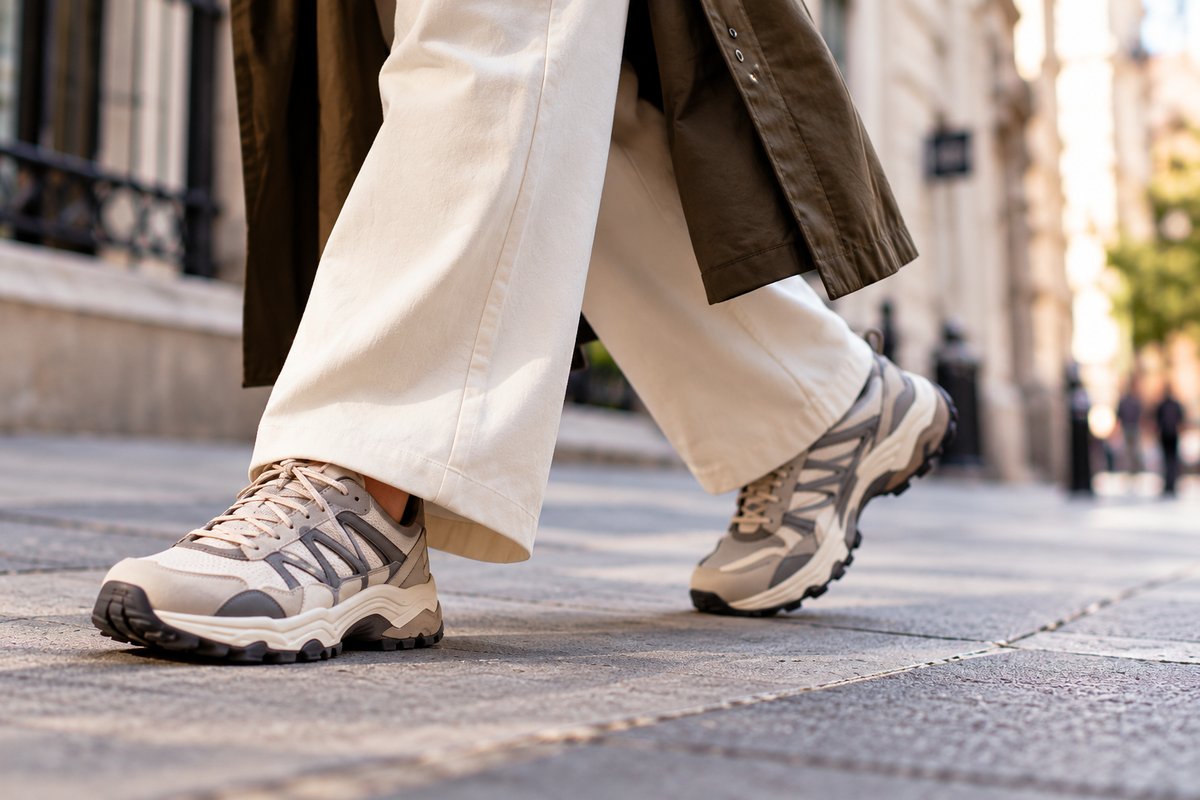
- One for outdoor exercise
- One for long recreational days outdoors
- A convenient option for reapplication
By matching your sunscreen to your lifestyle, you're more likely to wear it consistently and protect your skin from both immediate sun damage and long-term risks such as premature ageing, melanoma and skin cancer.
Why One Sunscreen Isn't Always Enough
Many people assume all SPF 50 products perform exactly the same. While the SPF rating measures protection against UVB rays, texture, ingredients and wearability vary significantly.
For example:
- A lightweight skincare-style formula may feel perfect under makeup but offer limited sweat resistance.
- A sports sunscreen may provide excellent water resistant performance but feel heavy during office hours.
- A mineral sunscreen containing zinc oxide may suit sensitive skin but leave a noticeable white cast on deeper skin tones.
When shopping for sunscreens sold in Australia, it's also worth understanding the country's strict regulations.
The Therapeutic Goods Administration (TGA), an Australian government body, regulates most primary sunscreens through inclusion on the Australian Register of Therapeutic Goods (ARTG). This means products must comply with Australian SPF standards and therapeutic requirements before being sold.
Australia's sunscreen market is often viewed as one of the most heavily regulated globally, with products required to undergo SPF testing according to recognised international standards.
Recent discussions around sunscreen testing results, SPF claims and products tested by Choice have highlighted why independent testing and ongoing quality assurance matter. While occasional discrepancies can occur due to human error, methodology differences or original test variations, reputable sunscreen brands continue to validate the results through accredited laboratories and SPF testing programs.
The key takeaway? Choose products that meet their SPF claims, provide broad-spectrum sunscreen protection, and suit your daily routine.
Best SPF for Different Activities
Office Days
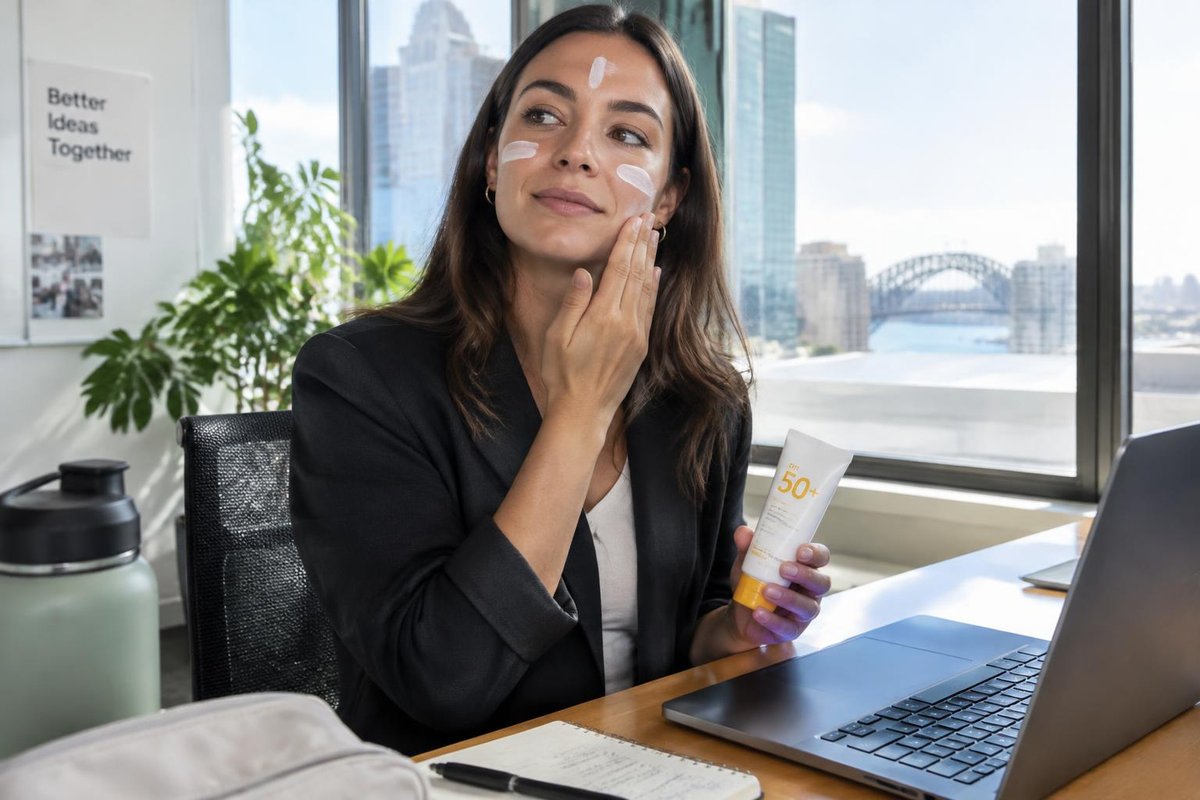
The modern office worker spends significant time indoors, but that doesn't eliminate sun exposure.
UVA rays can penetrate glass, and brief periods outside during commuting, lunch breaks or walking meetings can contribute to cumulative sun damage over time.
For office environments, look for:
- SPF50 or SPF 50+
- Broad-spectrum protection against UVA and UVB rays
- Lightweight texture
- Fragrance free options if you have sensitive skin
- Compatibility with makeup and skincare
Popular Australian sunscreen options in this category include:
- Ultra Violette Supreme Screen SPF 50+
- Ultra Violette Lean Screen SPF 50+
- Invisible Zinc Daily Wear SPF 50+
- Cancer Council Face Day Wear Moisturiser SPF50+
Products such as Lean Screen SPF 50 and other mattifying zinc formulations appeal to those seeking mineral protection with a satin finish.
Office-friendly ingredients like hyaluronic acid can provide hydration throughout the day, while non-comedogenic formulations may help reduce concerns about products that clog pores.
Your Ideal Office SPF
- Broad-spectrum
- SPF50+
- Lightweight finish
- Makeup-friendly
- Comfortable daily wear
- Easy to reapply
Outdoor Exercise
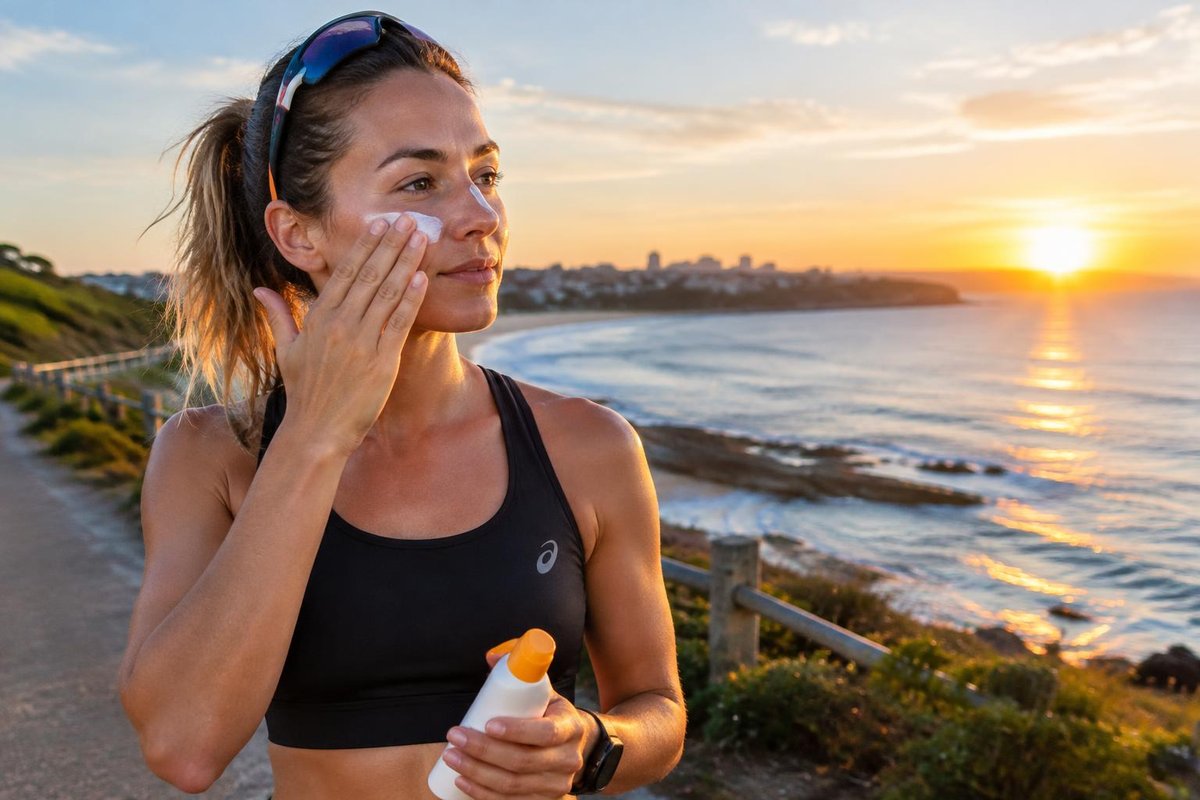
Whether you're running, cycling, hiking or playing weekend sport, exercise creates a unique challenge.
Sweat can compromise even high-performing products, making water resistant formulas essential.
Look for:
- SPF50+
- Broad spectrum protection
- Four-hour water resistant performance where possible
- Sweat-resistant formulation
- Durable wear during movement
Remember that even the best Australian sunscreens require proper application. Many people use significantly less than the recommended amount, reducing their SPF protection dramatically.
For outdoor workouts:
- Apply sunscreen 20 minutes before exercise
- Cover often-missed areas such as ears, neck and scalp line
- Reapply every two hours
- Reapply immediately after excessive sweating or towelling off
No sunscreen provides all-day protection. Consistent reapplication remains critical.
Save This: Outdoor Exercise SPF Rules
- Apply before leaving home.
- Use enough sunscreen.
- Wear protective clothing.
- Reapply every two hours.
- Seek shade when possible.
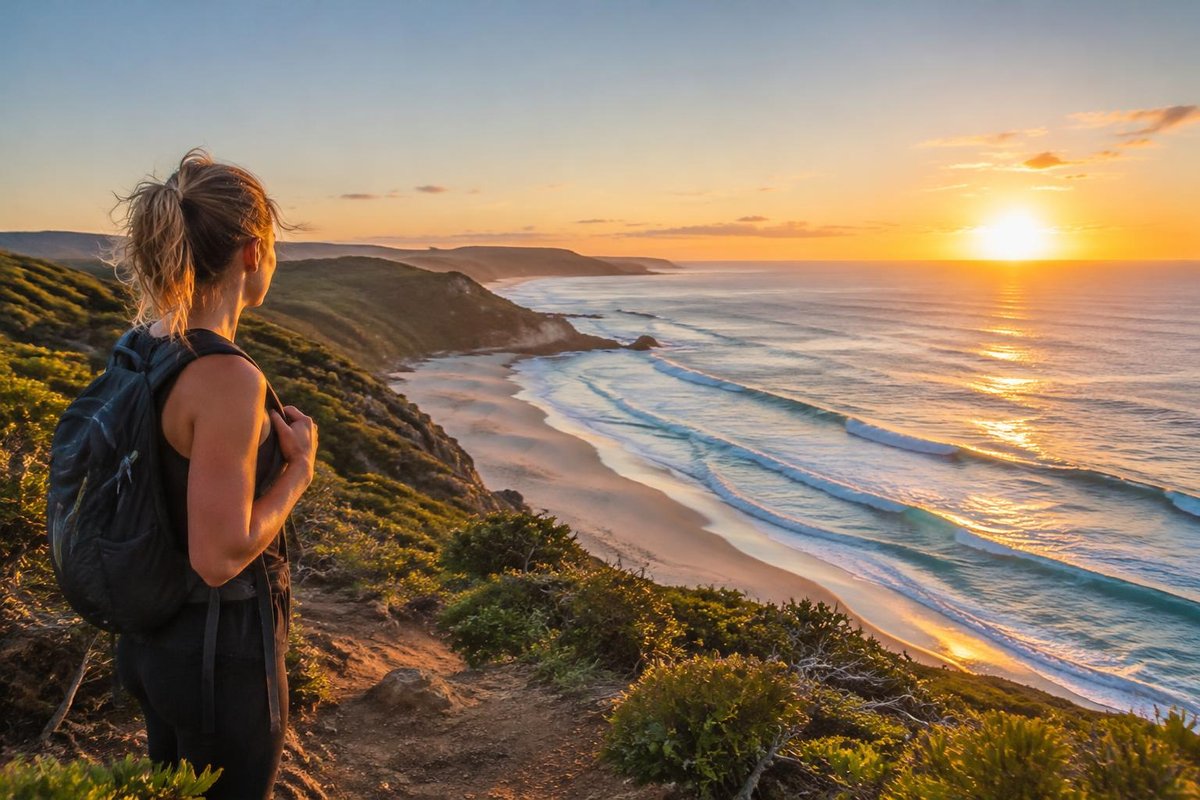
Weekend Adventures
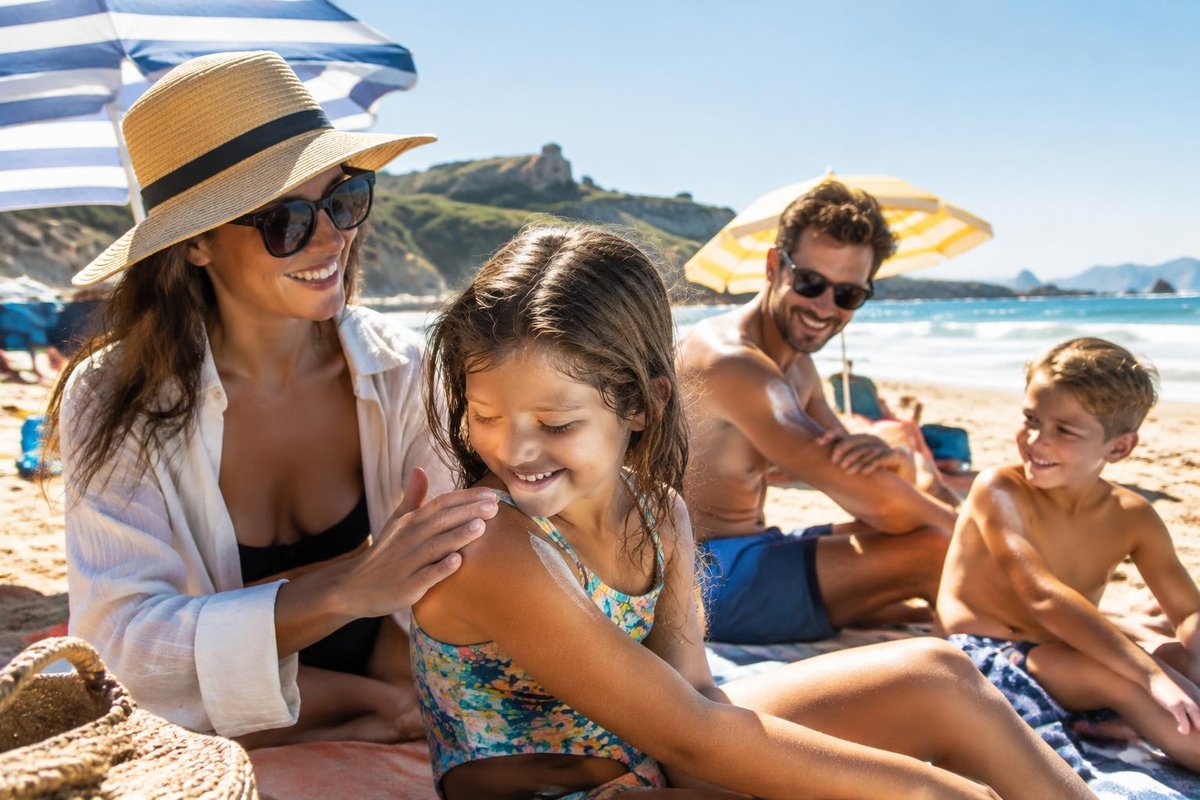
Beach days, camping trips, boating, festivals and long family outings place the highest demands on sun protection.
Extended sun exposure means you need more than just a high SPF rating.
Prioritise:
- SPF50+
- Broad-spectrum sunscreen
- Strong UVA protection
- Water resistant performance
- Comfortable reapplication
Australians often underestimate the sun's UV intensity around reflective surfaces such as water and sand. The sun's UV rays can remain intense even when temperatures feel mild.
This is where dedicated recreational sunscreens from trusted sunscreen brands become particularly valuable.
Options from Cancer Council, Nivea, Invisible Zinc and other well-established Australian sunscreen manufacturers remain popular choices because they're designed specifically for prolonged outdoor use.
Many dermatologists recommend combining sunscreen with:
- Broad-brimmed hats
- Sunglasses
- UPF clothing
- Shade breaks during peak UV periods
No product should be viewed as a standalone solution.
Application Mistakes to Avoid
Even the best sunscreen Australia offers won't perform as intended if it's applied incorrectly.
Using Too Little
Most adults require approximately one teaspoon per limb and region of the body, or around seven teaspoons for full-body coverage.
Using less can significantly lower your actual protection compared with the advertised SPF.
Skipping Reapplication
Many people apply sunscreen once in the morning and assume they're protected all day.
In reality, SPF50 protection gradually declines during normal wear, movement and environmental exposure.
Be sure to reapply every two hours during outdoor activities.
Relying Solely on Makeup SPF
Foundation or tinted moisturiser with SPF can contribute additional protection but rarely provides enough on its own.
A dedicated broad-spectrum sunscreen should remain the foundation of your routine.
Ignoring UVA Protection
When consumers focus only on SPF numbers, they may overlook UVA protection.
While SPF measures UVB protection, UVA rays contribute significantly to skin ageing and long-term skin damage.
Always choose broad-spectrum products.
Assuming All SPF Claims Are Equal
Recent media attention surrounding urgent SPF test reviews, SPF testing showed variations among some products, and discussions around results in the 20s versus label claim values have reminded consumers why independent testing matters.
Australian regulatory oversight through the Therapeutic Goods Administration helps ensure sunscreens meet strict standards. Nevertheless, consumers should purchase products from reputable brands, follow instructions carefully and monitor updates regarding sunscreen testing.
Frequently Asked Questions
What is the best sunscreen Australia offers?
There is no single best sunscreen for everyone. The best choice depends on your skin type, lifestyle and daily activities. Products from Ultra Violette, Cancer Council, Invisible Zinc and Nivea are among the most popular options available in Australia.
Is SPF50 better than SPF30?
SPF50 offers higher UVB protection than SPF30. Both provide valuable protection, but many dermatologists recommend SPF50+ for Australia's high UV environment.
Are zinc sunscreens better?
Not necessarily. Zinc oxide provides excellent broad-spectrum protection and is often preferred for sensitive skin. However, chemical and hybrid formulations can also offer excellent sun protection when used correctly.
How often should I reapply sunscreen?
For outdoor activities, reapply every two hours and after swimming, sweating or towelling off.
Do I need sunscreen indoors?
If you're sitting near windows, driving frequently or exposed to daylight during the day, sunscreen remains worthwhile because UVA can penetrate glass.
Why Australians Take SPF Seriously
- Australia has one of the highest skin cancer rates in the world.
- UV radiation can cause both visible sunburn and long-term skin damage.
- Broad-spectrum products help protect against both UVA and UVB rays.
- Australian sunscreen products are regulated under some of the world's strictest standards.
- Consistent daily use of sunscreen remains one of the most effective forms of sun protection available.
Final Take
The smartest approach to sun protection isn't finding one perfect product. It's building an SPF wardrobe that fits your lifestyle.
A lightweight sunscreen for work, a durable water resistant formula for exercise, and a high-performance outdoor option for weekend adventures can make daily protection feel effortless rather than restrictive.
As Australian consumers become more informed about SPF testing, broad-spectrum protection, sunscreen claims and long-term skin health, the focus is shifting from simply buying sunscreen to choosing the right sunscreen for the right moment.
And that's ultimately the secret to protecting your skin year-round: wearing a sunscreen you'll actually enjoy using, applying it generously, and remembering to reapply when it matters most.