
Australians are pressing pause on complicated skincare. After years of 10-step routines, strong actives and endless product launches, Winter 2026 is shaping up to be the season of the skin barrier reset. The focus has shifted from doing more to doing less, with consumers prioritising resilience, hydration and long-term skin health.
The trend reflects a growing understanding that healthy, radiant skin begins with a strong skin barrier. Rather than layering multiple acids, exfoliants and treatment products, many beauty enthusiasts are simplifying their skincare routine to support the skin’s natural protective system.
According to dermatologists, this movement is being driven by rising rates of sensitivity, irritation, redness and dehydration linked to over-exfoliation, environmental stressors and product overload. The result is a more mindful approach to skincare that prioritises protection, balance and recovery.
If your skin feels tight, reactive, red or unusually dry during winter, your skin barrier may be compromised. A barrier reset focuses on gentle cleansing, hydration and barrier-supporting ingredients such as ceramides, panthenol and glycerin.
What Is the Skin Barrier?
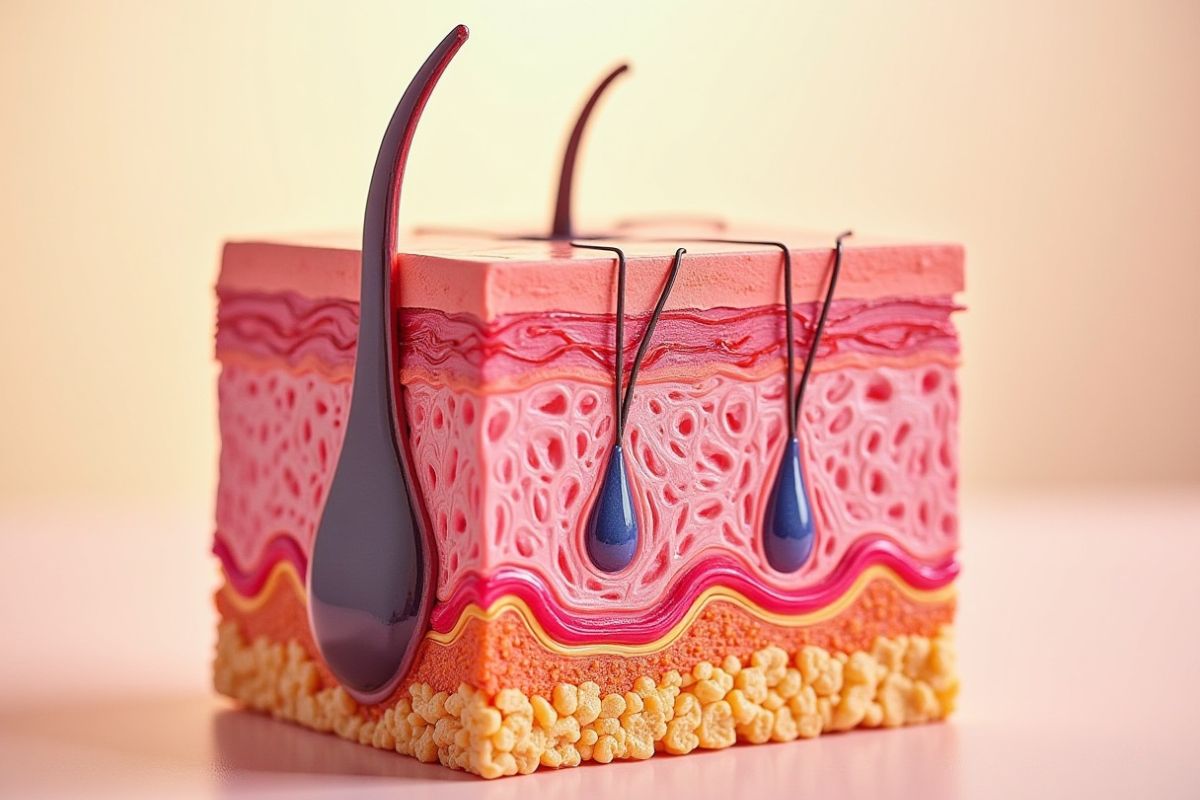
The skin barrier is the outermost layer of your skin. This layer is called the stratum corneum and consists of tough skin cells held together by waxy lipids, including ceramides, cholesterol and fatty acids. Think of it as your skin's built-in shield. Its primary role is to:
- Protect against environmental toxins
- Defend against harmful bacteria
- Prevent moisture loss
- Buffer the skin from harmful irritants
- Support overall skin health
A healthy skin barrier function keeps skin comfortable, hydrated and strong. When functioning properly, the skin's barrier helps lock in moisture while preventing unwanted substances from penetrating the epidermis.
How to Tell If Your Skin Barrier Is Compromised
Many people struggle to tell if their skin barrier is damaged because the symptoms can mimic other skin conditions.
Common signs include:
- Persistent dryness
- Flaking
- Redness
- Itchiness
- Increased sensitivity
- Burning after applying skincare products
- Unexpected breakouts
- Inflammation
- Rough texture
- Dehydration
A compromised or damaged skin barrier often develops gradually. Over time, excessive exfoliation, harsh cleansers, strong retinoid use and frequent acid treatments could damage your skin and lead to chronic irritation.
Why Winter Challenges Skin Health
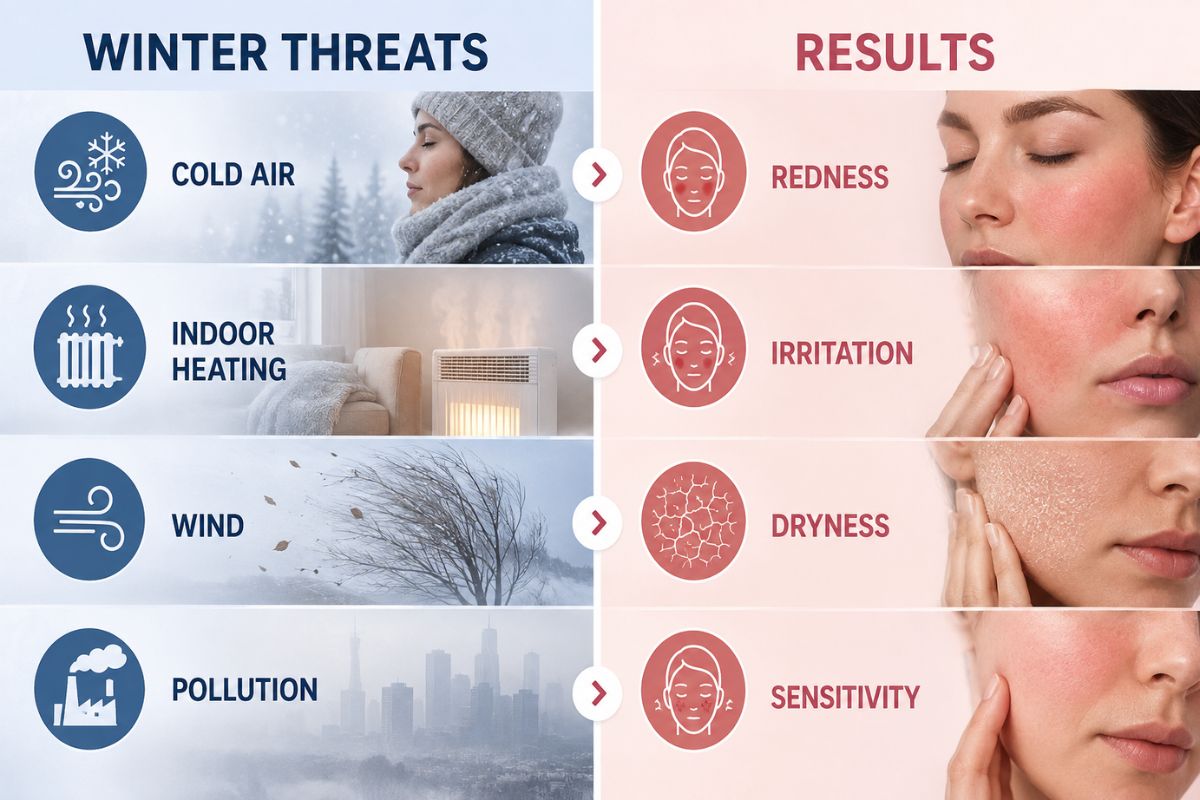
Australian winters may be milder than those experienced in parts of Europe and North America, but they can still significantly disrupt skin barrier function.
Several seasonal factors contribute to barrier stress:
Lower Humidity Levels
Cooler air contains less moisture, increasing transepidermal water loss. As hydration levels drop, skin cells become less effective at maintaining a protective barrier.
Indoor Heating
While heaters provide comfort, they can accelerate dehydration and contribute to moisture loss, leaving skin tight and uncomfortable.
Increased Sensitivity
Cold temperatures can trigger redness and sensitivity, particularly for individuals with eczema, rosacea, acne-prone skin and other dermatology concerns.
Overuse of Active Ingredients
Many people continue using multiple acids, exfoliants and retinoids throughout winter without adjusting their skincare routine. This can cause a compromised skin barrier and prolong recovery.
Many dermatologists report seeing increased winter-related barrier damage due to the combination of reduced humidity, aggressive active ingredients and over-cleansing. The message is simple: healthy skin barrier function depends as much on what you remove from your routine as what you add.
The Barrier Reset Routine
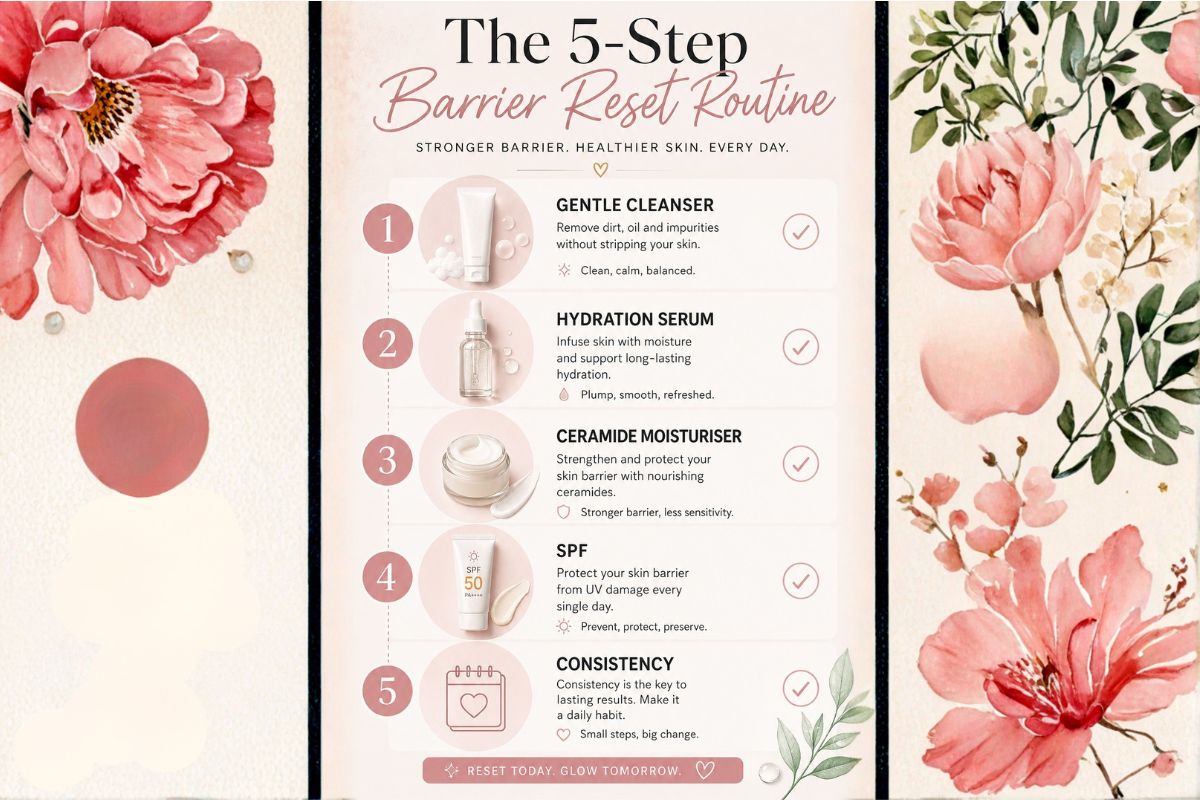
The biggest skincare trend of Winter 2026 is not a new ingredient or viral product. It is a return to the fundamentals.
A skin barrier reset aims to minimise irritation while restoring hydration and lipid content.
Step 1: Simplify Your Cleanser
Choose a gentle cleanser that cleanses effectively without stripping natural oils. Look for:
- Fragrance-free formulas
- Low-foam cleansers
- Hydrating cream cleansers
- pH-balanced products
Avoid harsh surfactants that may disrupt your skin’s natural acidity.
Step 2: Pause Excessive Exfoliation
Over-exfoliation remains one of the leading causes of a compromised skin barrier.
During a reset:
- Reduce acid exfoliants
- Limit physical scrubs
- Scale back usage if you experience irritation
- Monitor how your skin responds
Your goal is recovery, not aggressive resurfacing.
Step 3: Focus on Hydration
Hydration supports healthy skin cells and helps restore comfort.
Layer products containing:
- Humectants
- Glycerin
- Hyaluronic acid
- Panthenol
Ingredients like hyaluronic acid attract water into the skin and help hydrate deeper layers.
Step 4: Rebuild Barrier Lipids
Barrier repair requires replenishing lost lipids.
A moisturiser or cream rich in ceramides can help strengthen the skin barrier and improve moisture retention.
Step 5: Protect Daily
Even during winter, UV exposure and pollution continue to impact skin health.
Use:
- Broad-spectrum SPF
- Protective moisturiser
- Barrier-supportive skincare products
Protection remains one of the most effective ways to prevent future barrier disruption.
Ingredients Worth Using
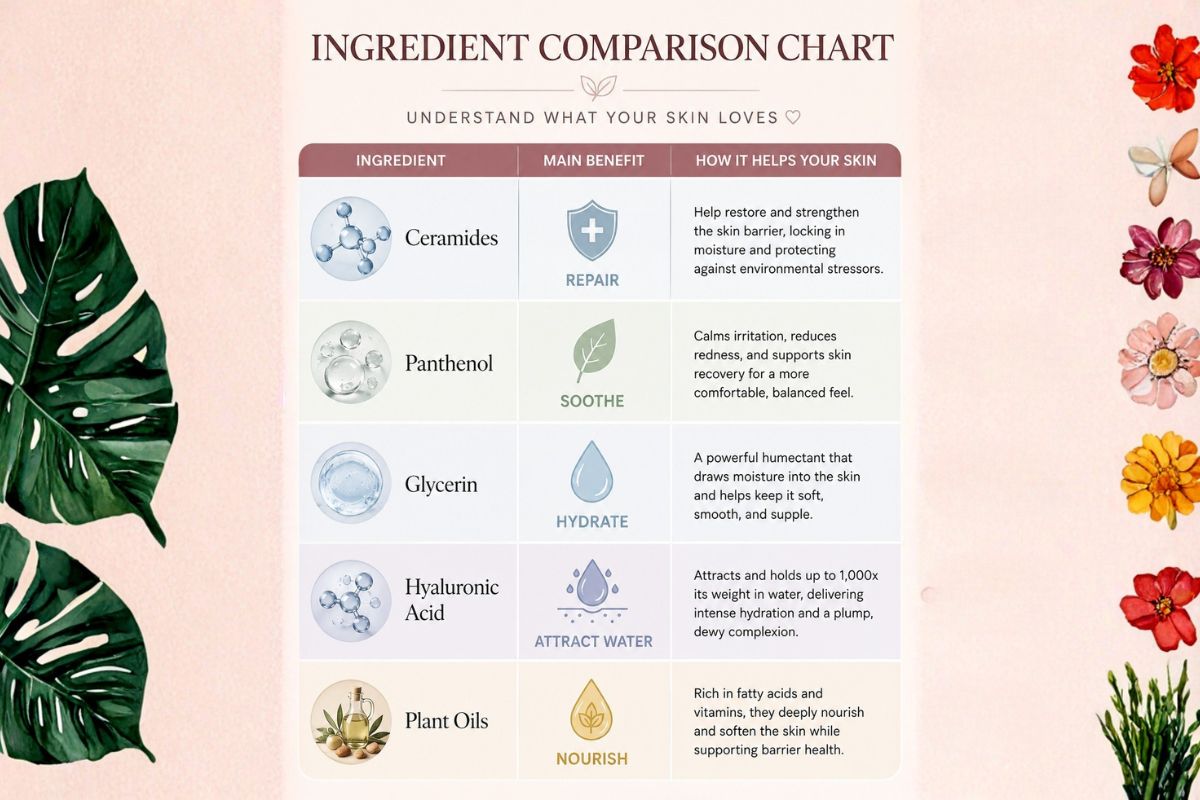
The barrier reset movement focuses on a small number of proven ingredients rather than overwhelming the skin with dozens of actives.
Ceramides
Ceramides are naturally occurring lipids found in the skin barrier.
Benefits of Ceramides
- Strengthen barrier function
- Reduce moisture loss
- Improve hydration
- Help repair damaged skin barrier
- Protect against environmental stressors
When ceramide levels decline with age, skin can become drier and more vulnerable to irritation.
Best For:
Dry skin, sensitive skin, compromised skin barrier and mature skin.
Panthenol
Panthenol, also known as provitamin B5, is one of the most soothing ingredients used in modern skincare.
Benefits of Panthenol
- Supports skin recovery
- Reduces redness
- Helps moisturise skin
- Improves comfort
- Assists barrier repair
It is commonly recommended by dermatologists following procedures or periods of irritation.
Best For:
Reactive skin, inflammation and recovery-focused skincare.
Glycerin
Glycerin remains one of the most effective humectants available.
Benefits of Glycerin
- Attracts moisture
- Improves hydration
- Supports barrier function
- Helps lock in moisture
- Provides long-lasting comfort
Despite newer ingredient trends, glycerin continues to outperform many premium hydrators.
Best For:
All skin types, including acne-prone and sensitive skin.
Ingredient Comparison Chart
| Ingredient | Primary Function | Key Benefit | Best For |
|---|---|---|---|
| Ceramides | Lipid replenishment | Strengthens barrier function | Dry, mature, damaged skin |
| Panthenol | Soothing support | Reduces irritation and redness | Sensitive, reactive skin |
| Glycerin | Humectant | Attracts and retains water | All skin types |
| Hyaluronic Acid | Humectant | Deep hydration | Dehydrated skin |
| Plant Oils | Emollient support | Nourish and soften skin | Dry and flaky skin |
Barrier Reset Checklist (Save This)
✅ Use a gentle cleanser
✅ Choose a ceramide-rich moisturiser
✅ Add glycerin or hyaluronic acid serum
✅ Reduce over-exfoliation
✅ Be cautious with strong acid treatments
✅ Monitor retinoid usage if experiencing irritation
✅ Wear SPF daily
✅ Focus on consistency rather than product quantity
✅ Prioritise hydration and barrier recovery
Skin Barrier FAQ
How long does it take for a damaged skin barrier to recover?
Mild barrier disruption may improve within several days, while a more compromised skin barrier can take several weeks to recover. Recovery time varies depending on the severity of damage and ongoing exposure to irritants.
Can hyaluronic acid repair the skin barrier?
Hyaluronic acid helps hydrate the skin and support moisture retention, but it does not rebuild barrier lipids on its own. Combining it with ceramides and moisturising ingredients typically provides greater support.
What causes a compromised skin barrier?
Common factors include over-exfoliation, excessive acid use, harsh cleansers, environmental toxins, pollution, dehydration, excessive retinoid use and chronic irritation.
Can a damaged skin barrier cause acne?
A skin barrier is damaged when inflammation and irritation weaken the skin's protective function. This may increase vulnerability to breakouts and acne in some individuals.
Should I stop using retinoids during a barrier reset?
Not necessarily. Some people benefit from temporarily reducing frequency rather than eliminating use completely. If significant irritation occurs, consult a dermatologist.
What skincare products should I avoid during a skin barrier reset?
Avoid aggressive exfoliants, high-strength acids, harsh cleansers and products that consistently trigger irritation or sensitivity.
Is the skin barrier reset suitable for all ages?
Yes. Supporting skin barrier health benefits individuals of all ages and skin types by maintaining hydration, protection and resilience.
Why This Trend Is Here to Stay
The skin barrier reset represents a broader shift within beauty. Consumers are becoming more informed, more ingredient-aware and more focused on long-term skin health than quick results.
Rather than chasing the latest active ingredient, Australians are embracing routines that nourish, protect and strengthen the skin's natural defences. This approach aligns with modern dermatology thinking, which increasingly emphasises prevention, resilience and barrier support.
Editorial Prediction
Expect to see more skincare products marketed around barrier repair, microbiome balance and recovery-focused formulations throughout late 2026 and beyond. The era of aggressive skincare is steadily giving way to a gentler, more sustainable philosophy.
Final Take
Healthy skin begins with strengthening the barrier, not overloading products.
If there is one beauty lesson consumers are embracing in Winter 2026, it is that less can truly be more. A strong and healthy skin barrier provides the foundation for hydration, resilience and radiant skin year-round. Before adding another serum to your shelf, consider whether your skin might benefit more from simplifying, restoring and protecting what is already there. When your skin’s barrier is thriving, everything else in your skincare routine tends to work better too.