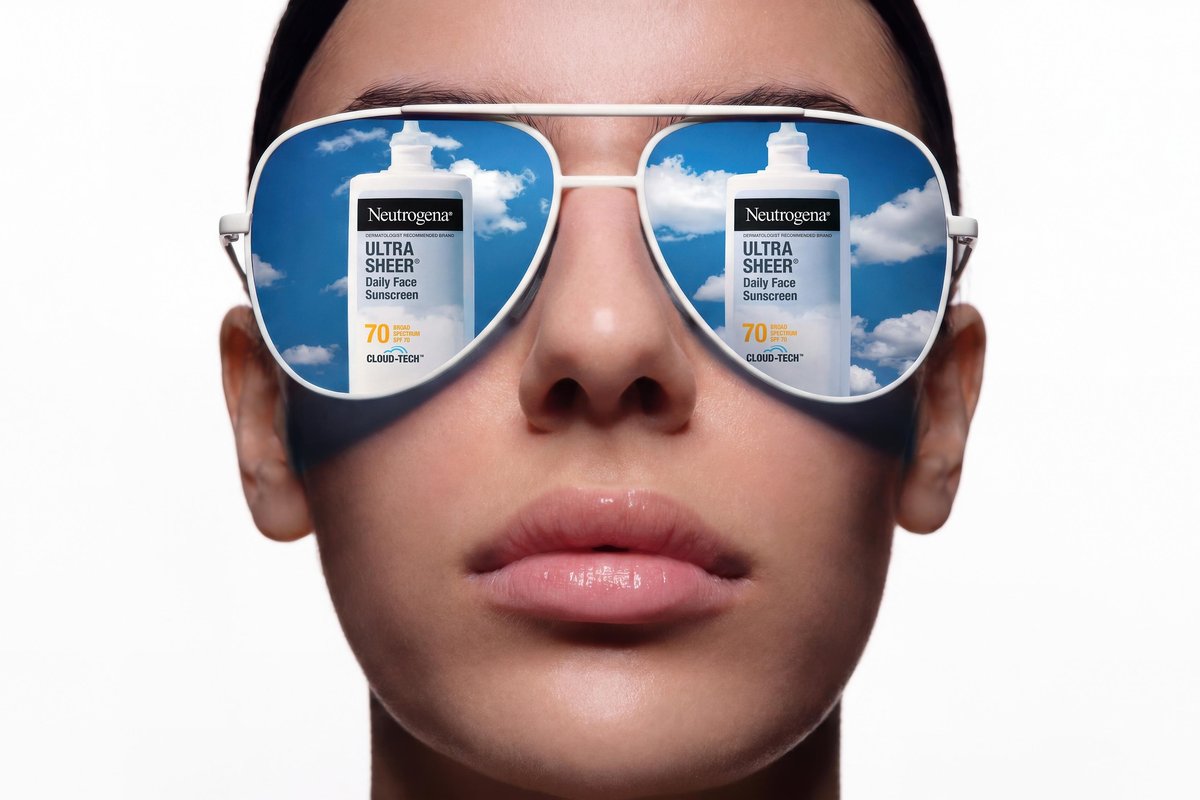

Sunscreen has always been marketed as our secret weapon against sunburn, ageing, and skin cancer. But 2025 has pulled back the curtain on a shocking truth: many sunscreens may not be living up to their bold SPF claims. In Australia, consumer watchdog CHOICE found 16 out of 20 “SPF 50+” sunscreens underperformed when tested — some rated as low as SPF 4 (CHOICE, 2025).
Sunscreen Scandal Shakes Beauty Lovers
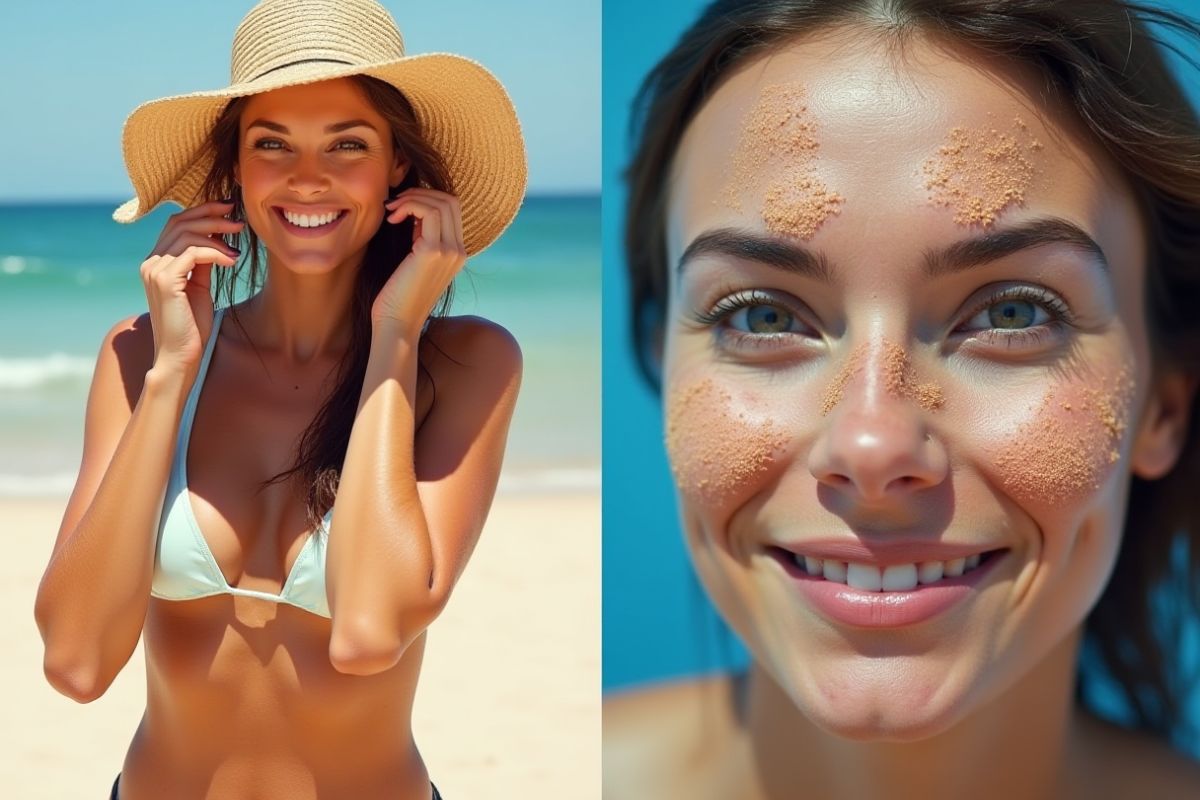
For anyone chasing luminous, youthful skin (yes, we’re looking at you, glass skin devotees), this raises an uncomfortable question: is your sunscreen really protecting you?
SPF Isn’t Just About Cancer — It’s About How You Look
When we talk sunscreen, most of us think of skin cancer prevention. And yes, SPF matters deeply here. But let’s be real: for the beauty world, the conversation often starts with something much closer to home — skin ageing and aesthetics.
- Fine lines and wrinkles: Up to 90% of visible ageing is caused by UV exposure (World Health Organization, 2017). Without daily SPF, collagen breaks down faster, leading to sagging and wrinkles.
- Dark spots and pigmentation: Uneven skin tone and stubborn sunspots are classic signs of cumulative UV damage (Skin Cancer Foundation, 2025).
- Texture and glow: UV stress dulls the skin barrier, making it harder to achieve that dewy, hydrated K-beauty glow.
In other words: SPF, when applied as instructed, is your best anti-ageing serum.
SPF 15 vs SPF 30: Why Korean Beauty Always Goes Higher
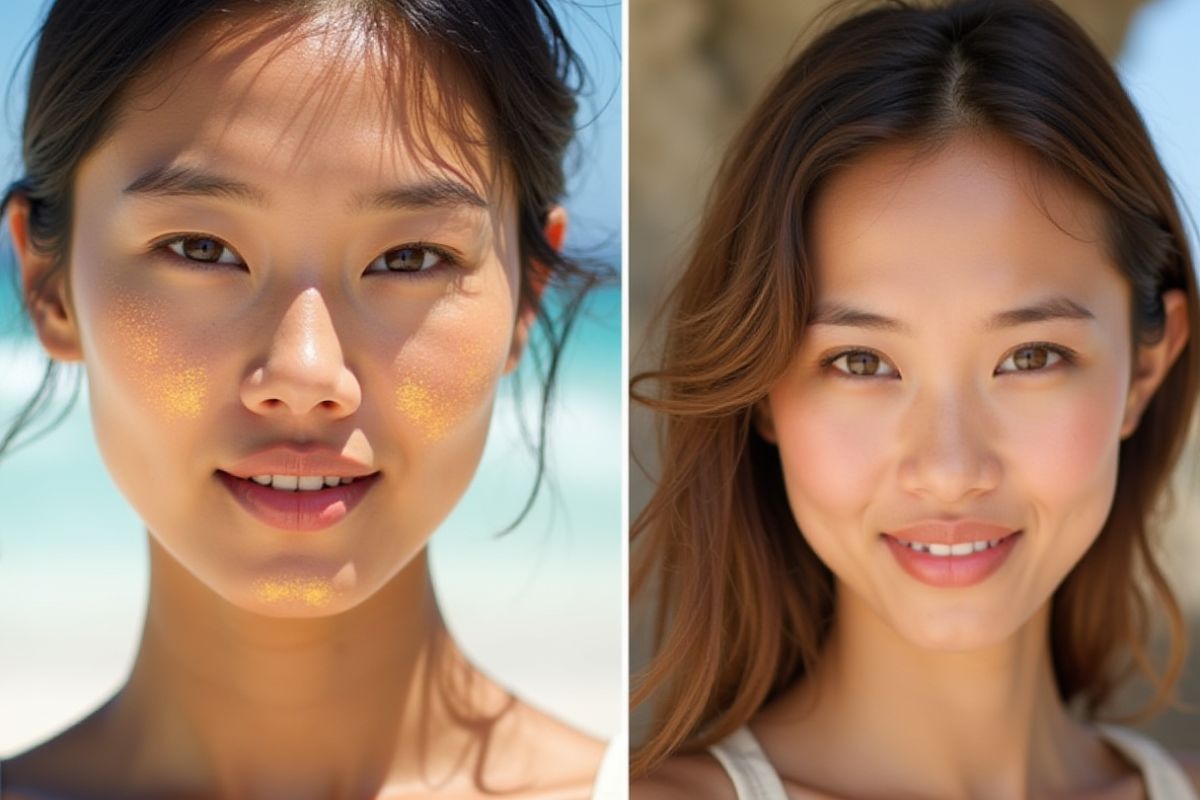
On paper, SPF 15 blocks about 93% of UVB rays, while SPF 30 blocks around 97%. That 4% difference doesn’t sound like much, but in real life it’s huge: SPF 30 lets in only half the UV damage of SPF 15 (American Cancer Society, 2024).
This is why Korean beauty brands never stop at SPF 15. Walk through Seoul’s beauty stores, and you’ll see SPF 30+ (usually SPF 50/PA++++) as the standard. K-beauty culture equates sun protection with youthful, flawless skin — they don’t just sell it as “cancer protection,” they market SPF as the single most important beauty product.
The Sunscreen Scandal and Your Beauty Routine
The recent revelations — spf test results show that some SPF 50+ products may actually perform closer to a spf rating of SPF 4 — hit hard for skincare lovers (The Guardian, 2025).
It means:
- You may have thought you were shielded, but your skin was quietly accumulating sun damage, pigmentation, and early wrinkles.
- Your “brightening serum” or “anti-ageing cream” can only do so much if your sunscreen products aren't working as promised.
- The trust we put in luxury and influencer-hyped sunscreens is being questioned.
In short: if you care about how your skin looks in 10 years, this matters just as much as if you care about long-term health.
How to Choose (and Use) Sunscreen the K-Beauty Way
- Go SPF 30 or higher — No shortcuts. Dermatologists worldwide recommend SPF 30+ daily (Cancer Council Australia, 2024).
- Broad spectrum is non-negotiable — UVA rays cause skin ageing (“A” for ageing), UVB causes burning. You want both blocked.
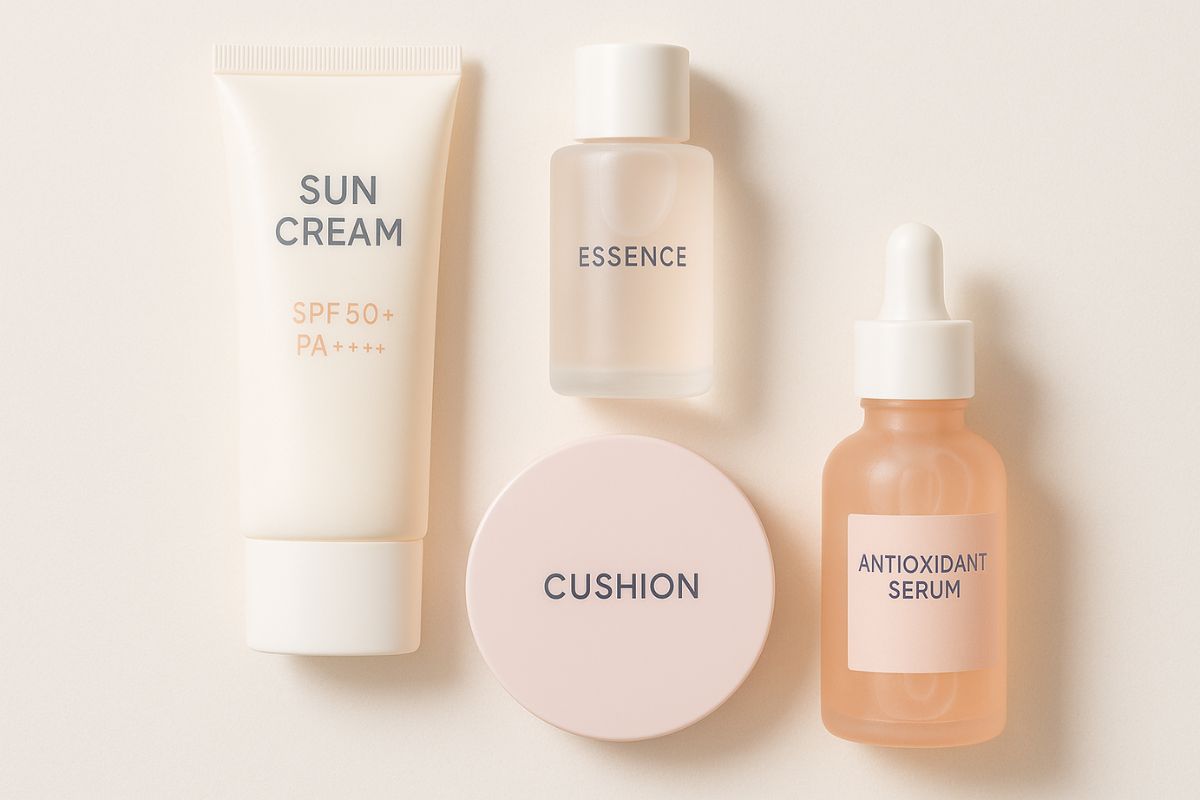
- Think of SPF as skincare, not medicine — In Korea, sunscreen is designed to be elegant: lightweight gels, essence-like fluids, and formulas that reapply easily without ruining makeup (Vogue Korea, 2023).
- Reapply, reapply, reapply — Glass skin isn’t achieved by a one-time morning application. A K-beauty hack? Cushion compacts with SPF for touch-ups on the go.
- Layer with antioxidants — Many K-beauty sunscreens are infused with green tea, centella asiatica, or niacinamide, which help calm and brighten while defending against UV stress.
Mineral Sunscreen: Gentle Protection with Maximum Glow
If you have sensitive or reactive skin, mineral sunscreens (also called physical sunscreens) can be a beauty lifesaver. Using zinc oxide or titanium dioxide, they sit on the skin’s surface and physically block UV rays rather than absorbing them. Many K-beauty enthusiasts love mineral formulas because they’re less likely to irritate, won’t clog pores, and often have a subtle brightening effect, giving you that coveted “glass skin” luminosity. Bonus: they often pair beautifully under makeup, leaving your complexion smooth, hydrated, and protected all day. For anyone chasing radiant, youthful skin, mineral sunscreen is a must-have in your daily routine.
Australian Sunscreens Are Regulated — But Oversight Isn’t Perfect
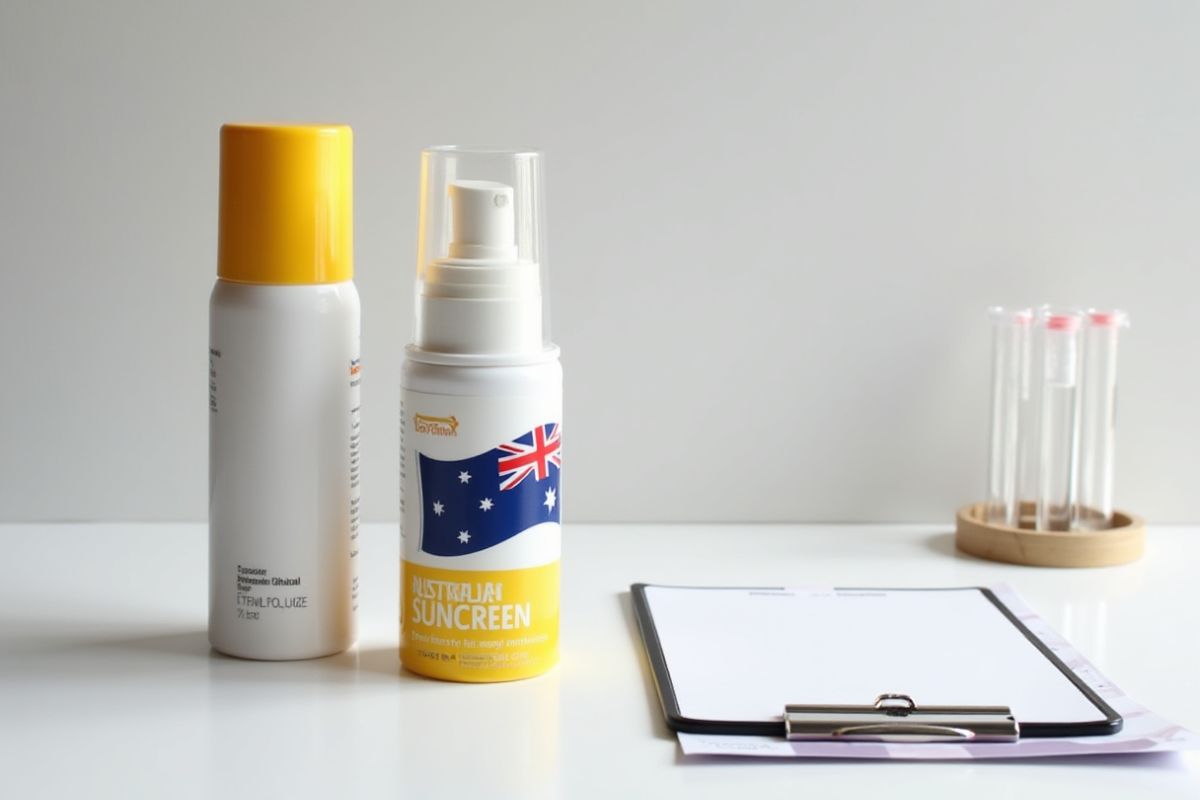
It’s important to remember that sunscreens are regulated and tested by authorities like Australia’s TGA (therapeutic goods administration) or the US FDA, which set standards for SPF testing and label claims. However, as the recent 2025 scandal shows, sunscreen regulation doesn’t always guarantee that your sunscreen lives up to its SPF promise. Factors like formulation changes, lab inconsistencies, or under-application by consumers can all impact real-world protection. This is why beauty insiders recommend choosing reputable brands, checking for broad-spectrum coverage, and reapplying regularly — your skin’s long-term health and radiance depend on it.
Sunscreen SPF, Skin Cancer, Anti-Ageing, and the Secret to Flawless Korean Beauty Skin
Yes, SPF saves lives by reducing skin cancer risk. Australia has the highest rate of skin cancer in the world! But for beauty lovers, the more immediate truth is this: sunscreen is the foundation of everything. Your retinol, your serums, your sheet masks — they’re wasted if UV undoing is happening in the background.
The scandal shows we can’t always blindly trust the number on the bottle. But if we take a page from Korean beauty philosophy — treat SPF as your #1 beauty step, not an afterthought — your skin will thank you now and for decades to come.
References
- CHOICE. (2025). 16 of 20 sunscreens didn’t meet SPF claims in CHOICE test. Retrieved from choice.com.au
- The Guardian. (2025). Base formulation may be linked to 20 sunscreens falling short of SPF claims. Retrieved from theguardian.com
- World Health Organization. (2017). Ultraviolet (UV) radiation. Retrieved from who.int
- Skin Cancer Foundation. (2025). Risk factors and prevention. Retrieved from skincancer.org
- American Cancer Society. (2024). Choosing to protect your skin. Retrieved from cancer.org
- Cancer Council Australia. (2024). About sunscreen. Retrieved from cancer.org.au
- Vogue Korea. (2023). Sunscreen in K-Beauty routines. Retrieved from vogue.co.kr