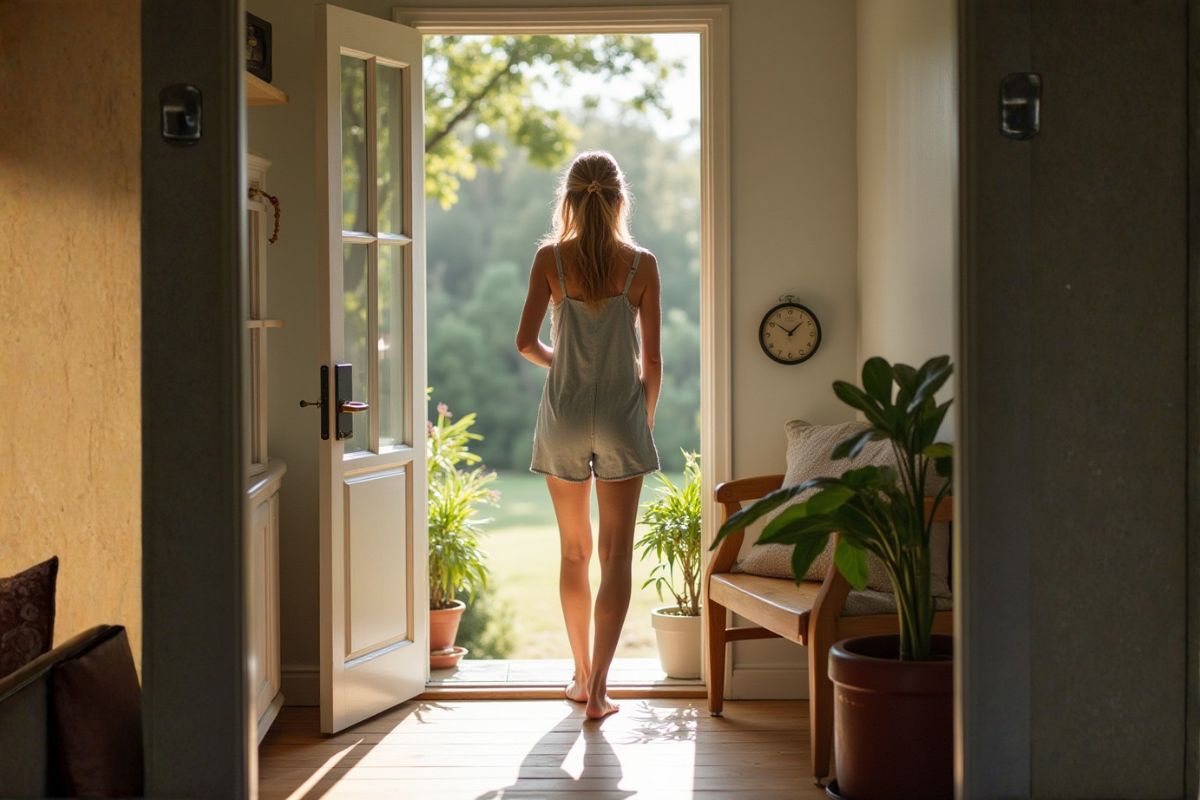
In the cool hush of early morning, before inboxes fill and notifications flicker to life, there’s a softer rhythm taking hold. A glass of water by the bedside. A slow stretch. A quiet decision to step outside for five minutes of fresh air.
This is what wellness trends in Australia look like right now — less performance, more presence. In 2026, Australians are reshaping their approach to health with micro habits that feel effortless rather than overwhelming. It’s a subtle but powerful shift across the wellness landscape, where sustainability matters more than intensity.
This is the future of wellness: small, grounded, and designed to last.
The Trend: Micro Habits Over Maximum Effort
Among the top wellness trends, there’s a clear departure from rigid, aspirational routines toward something far more livable. Instead of overhauling entire lifestyles, Australians are embracing micro habits — tiny, repeatable actions that support overall health without triggering burnout.
Within the wellness industry, this reflects a growing demand for personalized wellness — routines tailored to individual needs, energy levels, and daily realities. Rather than following a one-size-fits-all wellness program promoted on TikTok or across digital platforms, people are choosing what genuinely fits.
Think:
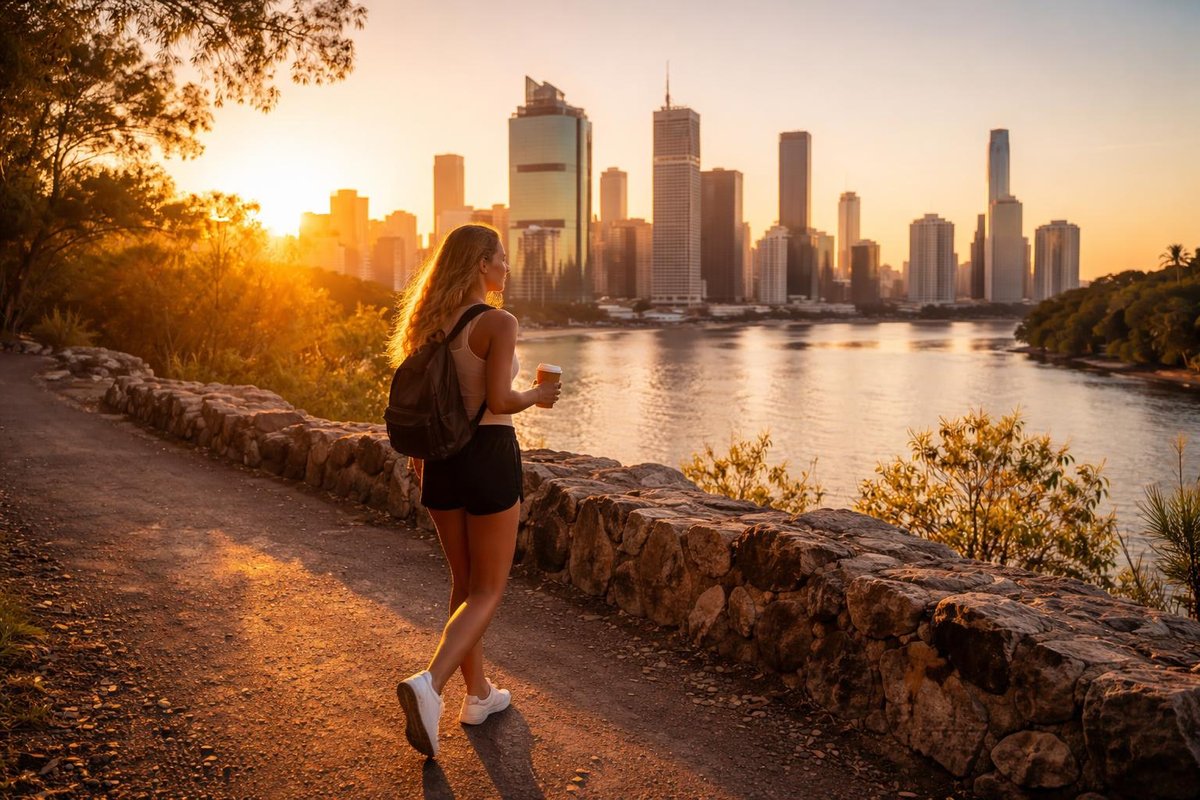
- A 7-minute walk between meetings instead of a full gym session
- A consistent breakfast that supports gut health
- Gentle evening rituals that improve mental well-being without a full digital detox
These practices may seem small, but within the wellness economy, they signal a major shift — from extremes to sustainable, holistic health.
Why It’s Trending
The momentum behind these wellness trends 2026 is deeply cultural.
In recent years — especially from 2024 through 2025 — the rise of digital overload, high-performance routines, and constant health tracking led many Australians to a familiar endpoint: fatigue. Even within a booming global wellness economy, consumers began to question whether more really meant better.
According to insights echoed across the wellness market and reports like those often discussed by the Global Wellness Institute and McKinsey, there’s a growing interest in proactive health that supports body and mind without adding pressure. What’s changed?
- Burnout awareness: More people are prioritising emotional wellness alongside physical health
- Flexible lifestyles: Hybrid work has reshaped wellness routines
- Desire for simplicity: A move toward sustainable practices and fewer, better habits
- Shift in aesthetics: Less focus on “perfect” wellness, more on how it feels
Even traditionally structured spaces — from fitness classes like Pilates and Hyrox to wellness retreats and sauna experiences — are evolving to reflect this ease-driven wellness scene.
Today’s Australian wellness isn’t about transformation. It’s about continuity.
How to Bring It Into Your Life
Adopting these wellness practices doesn’t require a complete reset. In fact, the secret is to do less — with more intention.
Start with One “Anchor Habit”
Choose one consistent action that grounds your day:
- A warm, protein-rich breakfast (hello plant-based options)
- A short walk after lunch for stress reduction
- A simple evening wind-down ritual
This creates stability without restriction.
Try “Movement Snacks”
Short bursts of movement throughout the day support muscle recovery, circulation, and overall wellbeing:
- Walk during phone calls
- Stretch between tasks
- Take the long way home
No gym pressure required.
Refine Your Digital Boundaries
In an era of digital wellness, subtle limits are more effective than strict detoxes:
- Keep your phone out of the bedroom
- Delay notifications until mid-morning
- Replace 10 minutes of scrolling with breathwork or stillness
It’s about reclaiming attention — not removing technology altogether.
Personalise, Don’t Standardise
The strongest wellness trend right now is personalization. Whether it’s guided therapy, health data from a smartwatch, or intuitive routines, the goal is to create habits tailored to individual needs.
Wellness should feel like support — not a system you have to keep up with.
Practical Ideas to Keep It Effortless
For a more elevated, lifestyle-driven approach:
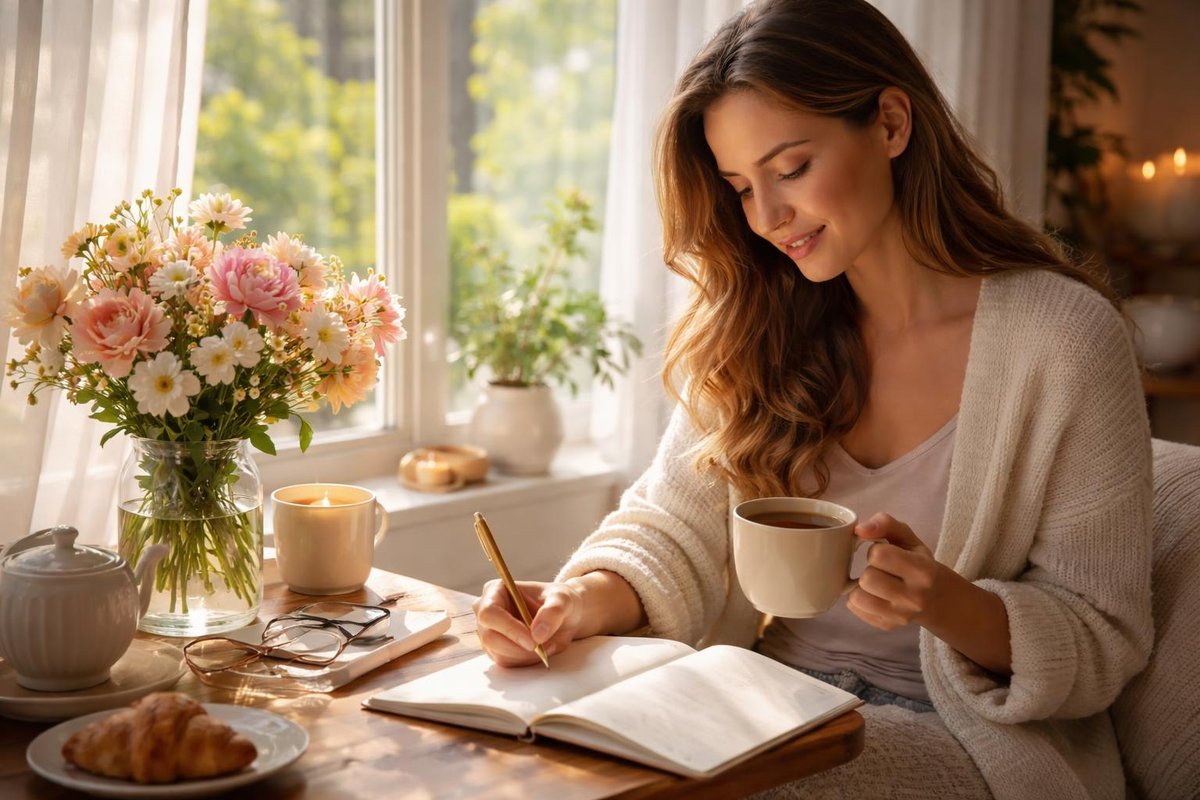
- Create a calming corner at home for micro rituals (reading, stretching, tea)
- Build a weekly rhythm instead of a strict daily routine
- Explore simple holistic practices — like breathwork or mindful walking
- Join wellness communities that prioritise connection and belonging and shared experiences
Even in Australia’s evolving beauty and wellness spaces — from skincare rituals to wellness real estate concepts — the emphasis is shifting toward how environments support everyday calm.
What to Ignore in the Wellness Scene Right Now
As the wellness sector expands, not every trend is worth following. Consider stepping back from:
- Extreme longevity-focused routines that promise unrealistic outcomes
- High-tech wellness solutions that overcomplicate basic needs
- Overly aesthetic, social-driven self-care that prioritises image over feeling
- Rigid programs that don’t adapt to real life
The most meaningful changes happening across Australia’s wellness culture are rooted in simplicity — not spectacle.
A Softer Approach to the Year Ahead
Looking toward the year ahead, the future of wellness feels refreshingly grounded. Across the global wellness economy, there’s a collective return to what works: consistency, comfort, and intuitive care.
Micro habits may not look impressive from the outside, but they quietly reshape daily life — offering a steadier, more sustainable path toward healthier lives.
Because sometimes, it’s not the big reinventions that change us.
It’s the gentle rituals we keep — long after week two.