

For years, attraction was often framed around chemistry, confidence, looks, or lifestyle. While those things can still spark interest, there’s a growing shift happening in modern dating. More people are looking beyond surface-level compatibility and asking a deeper question: Can this person show up emotionally?
Real Talk: The Dating Standard Has Changed
In a world shaped by dating apps, busy schedules, and constant digital communication, emotional availability has become a genuine differentiator, highlighting the importance of healthy relationships. It influences trust, intimacy, communication, and the long-term health of a relationship.
The modern dating conversation is no longer just about finding someone exciting. It is about finding someone emotionally present, self-aware, and capable of creating a meaningful connection.
If you've ever wondered why some relationships feel easy while others leave you anxious, confused, or emotionally exhausted, emotional availability may be the missing piece.
Why Emotional Availability Matters Now
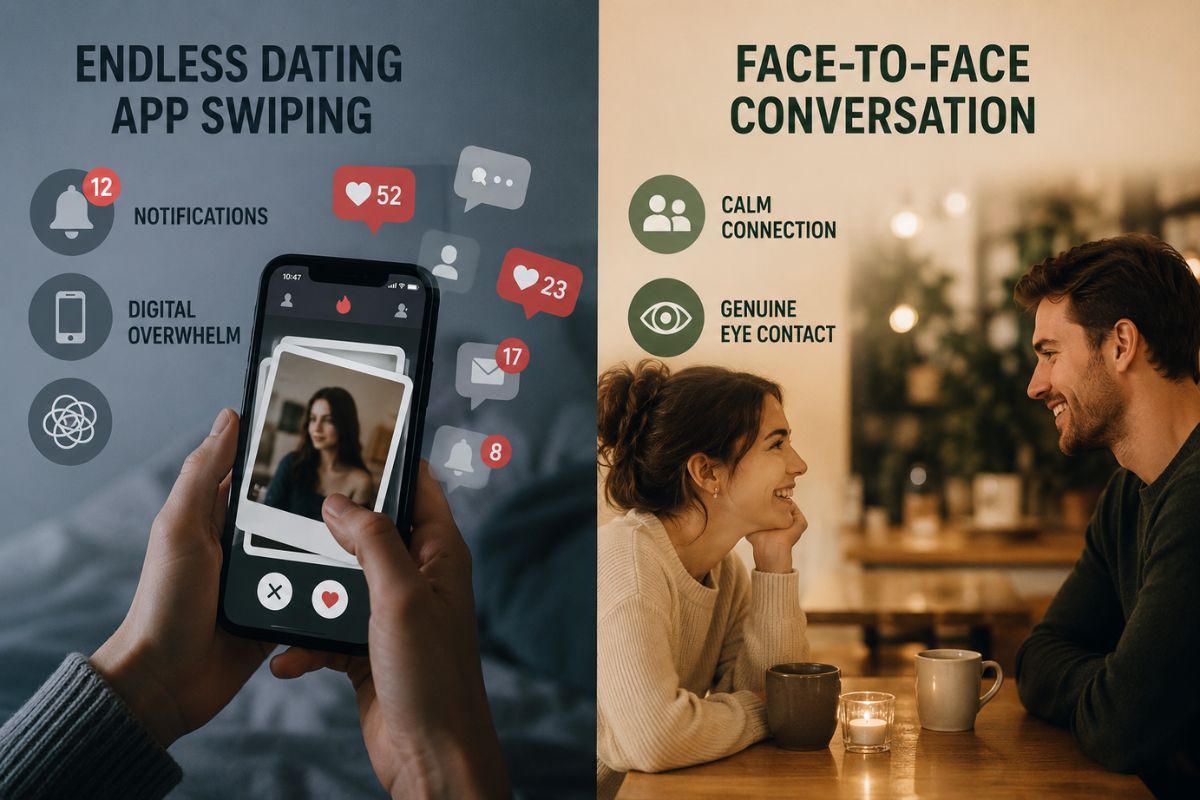
Emotional availability refers to a person's ability to recognise, express, and manage their emotion while being open to connecting with others.
From a psychology and psychological research perspective, emotionally available people tend to communicate more openly, handle conflict more effectively, and develop stronger emotional bonds over time.
Modern Dating Has Increased Emotional Demands
Dating today can be exciting, but it can also create uncertainty. Situationships, inconsistent communication, ghosting, and digital overload have changed relationship dynamics. Many singles are becoming less impressed by effortless charm and more interested in emotional consistency.
A psychologist might describe emotional availability as the ability to remain engaged during vulnerability rather than withdrawing when conversations become uncomfortable.
This matters because emotional availability directly affects:
- Trust
- Communication
- Emotional safety
- Relationship satisfaction
- Long-term compatibility
- Mental and emotional well-being
Research in attachment theory and cognitive psychology suggests that secure relationships thrive when both people feel understood, respected, and emotionally supported.
Emotional Availability Creates Deeper Intimacy
True intimacy is not created through constant texting or grand gestures.
It develops when people can:
- Discuss difficult feelings honestly
- Address misunderstandings respectfully
- Share fears and hopes
- Express needs without shame
- Practise kindness during disagreement
From a psychological perspective, attraction often grows when emotional safety exists. Knowing someone will listen, show care, and respond respectfully can feel more meaningful than any romantic gesture.
Mental Health Conversations Are Increasing
Another reason emotional availability matters is the growing awareness around the importance of emotional intelligence in relationships.
Many people are navigating anxiety, stress, uncertainty, and life's challenges while dating. Emotional intelligence doesn't mean becoming someone else's therapist; rather, it involves understanding and conducting oneself with emotional awareness. However, it does mean creating space to communicate honestly without judgment.
Whether someone is experiencing temporary emotional distress, struggling with a difficult mood, or managing a clinical mental health condition, healthy communication becomes an important foundation.
Signs to Look For
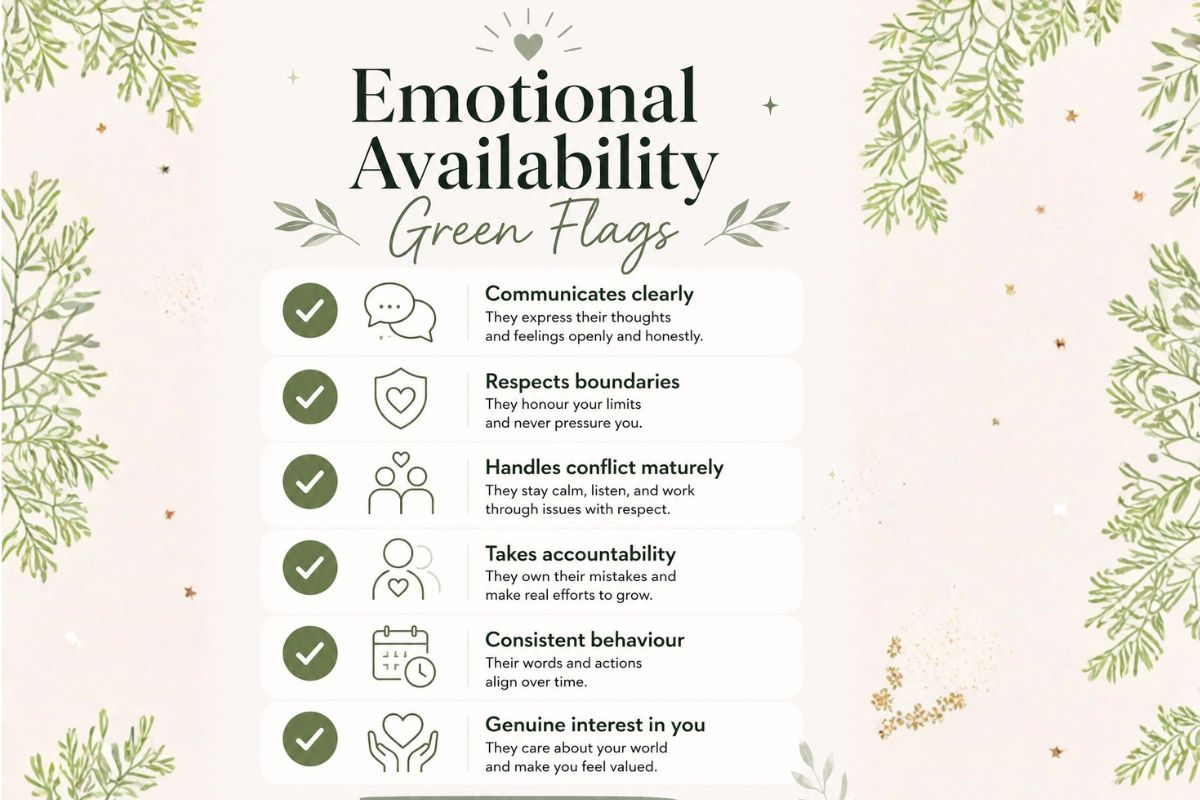
Emotional availability is often revealed through consistent behavior, not words alone. Many people can talk about vulnerability. Fewer people regularly demonstrate it.
1. They Communicate Clearly
An emotionally available person doesn't leave you constantly guessing. They:
- Follow through on commitments
- Discuss concerns directly
- Share their thoughts openly
- Clarify misunderstandings
This doesn't mean they communicate perfectly. It simply means they are willing to engage rather than disappear.
2. They Can Reflect on Their Feelings
Self-awareness is a powerful indicator of emotional maturity.
Emotionally available people can often:
- Reflect on their reactions
- Identify emotional triggers
- Take accountability for mistakes
- Express what they need
Rather than becoming immediately defensive, they show curiosity about their own behavioral patterns.
3. They Respect Boundaries
A healthy boundary is a non-negotiable component of strong relationships. People who respect boundaries typically:
- Honour your time
- Accept "no" without pressure
- Respect emotional limits
- Value healthy independence
Respecting boundaries demonstrates mutual respect rather than control.
4. They Stay Present During Conflict
Conflict is inevitable in any relationship. The difference lies in how people respond. Emotionally available partners generally try to:
- Address issues directly
- Listen before reacting
- Discuss solutions
- Remain respectful even when angry
They understand that disagreement is not automatically a threat to connection.
5. They Show Genuine Interest in Your Inner World
Emotional availability goes beyond asking about your day. It involves curiosity about:
- Your values
- Your dreams
- Your fears
- Your personal growth
These conversations create emotional depth and help nourish long-term connection.
6. Their Actions Match Their Words
Perhaps the biggest green flag is consistency. Their actions, habits, and intentions align over time, which is crucial for maintaining emotional availability as noted in psychology today terms. Trust grows when someone repeatedly demonstrates reliability, honesty, and genuine effort.
Save This: Emotional Availability Green Flags Checklist
- Communicates openly
- Takes responsibility for mistakes
- Respects boundaries
- Shows empathy and kindness
- Handles conflict without shutting down
- Demonstrates emotional awareness
- Follows through on commitments
- Supports your well-being
- Values honest conversations
- Invests in long-term growth
How to Practise It

The conversation around emotional availability often focuses on finding emotionally available partners, which is an important topic in psychology today.
But the most valuable question is:
How emotionally available are you?
The good news is that emotional availability is a skill that can be strengthened.
Practise Self-Awareness
Understanding your own emotions is the starting point.
A simple daily activity can help:
- Pause for a few minutes
- Notice your mood
- Identify what you're feeling
- Reflect on what may be influencing it
This habit increases emotional awareness and helps reduce reactive behaviour.
Improve Your Communication
Many dating challenges stem from assumptions rather than conversations.
Instead of expecting someone to read your mind:
- Express needs clearly
- Discuss expectations early
- Address concerns respectfully
- Ask questions instead of making assumptions
Clear communication promotes healthier interactions and stronger connection, a key tip for building emotional availability.
Develop Self-Compassion
Many people struggle with vulnerability because they fear rejection.
This is where self-compassion becomes valuable.
Treat yourself with the same understanding you would offer a friend.
A growing body of psychological research suggests that self-compassion can improve emotional resilience and reduce anxiety around relationships.
Strengthen Emotional Regulation
Emotions are normal.
The goal is not to suppress them.
Healthy emotional regulation involves:
- Taking a slow breath before reacting
- Practising mindfulness
- Recognising triggers
- Avoiding impulsive decisions during heightened emotion
Mindfulness techniques have been widely explored by researchers studying stress management and emotional well-being.
Be Honest About Your Capacity
Being emotionally available does not mean being available 24 hours a day.
Healthy relationships require balance.
\Part of emotional maturity is honestly communicating:
- Your needs
- Your limits
- Your priorities
- Your emotional capacity
This honesty helps prevent resentment and confusion.
Invest in Personal Growth
Many experts, researchers, professors, and clinicians agree that self-development contributes to healthier relationships.
This may involve:
- Reading reputable psychology resources
- Working with a psychologist when needed
- Building healthy habits
- Focusing on self-care
- Improving emotional literacy
Growth is rarely about becoming perfect. It is about becoming more aware, intentional, and connected.
What Emotional Availability Is Not
There are several misconceptions about emotional availability.
It does not mean:
- Never feeling anxious
- Never worrying
- Always staying calm
- Sharing every private thought
- Fixing another person's problems
- Sacrificing your own needs
Even emotionally healthy people can feel angry, overwhelmed, insecure, or emotionally challenged.
The difference is their willingness to acknowledge those feelings and communicate respectfully, a fundamental suggestion from American Psychological resources.
The Modern Dating Lesson We Can All Learn
One of the most fascinating shifts in dating culture is that emotional intelligence has become increasingly attractive.
People are paying closer attention to consistency, communication, and emotional presence than performative romance.
From a relationship perspective, emotional availability helps create the conditions for trust, connection, and sustainable intimacy.
And while no one gets it right all the time, the willingness to show up honestly may be one of the most attractive qualities a person can have today, as suggested by American
Psychological Association studies.
The real trick isn't becoming perfect.
It's becoming more authentic.
Because modern dating is no longer just about finding someone who excites you.
It's about finding someone who can genuinely connect with you.
Frequently Asked Questions
What does emotional availability mean in a relationship?
Emotional availability is the ability to recognise, communicate, and respond to emotions in a healthy way. It allows partners to build trust, intimacy, and emotional safety over time.
Can emotional availability be learned?
Yes. Through self-awareness, mindfulness, communication skills, self-care practices, and personal growth, many people can become more emotionally available.
Why is emotional availability attractive?
It creates security, connection, and genuine intimacy. Many people view emotional consistency as more valuable than surface-level chemistry alone.
Is emotional availability connected to mental health?
While emotional availability and mental health are not the same thing, emotional awareness and healthy communication can positively support overall well-being. Anyone experiencing significant depression, anxiety, or ongoing emotional distress should consider seeking support from a qualified mental health professional.
What are common signs someone is emotionally unavailable?
Common signs may include avoiding serious conversations, difficulty discussing feelings, inconsistent behaviour, poor communication, fear of commitment, or repeatedly withdrawing during conflict.