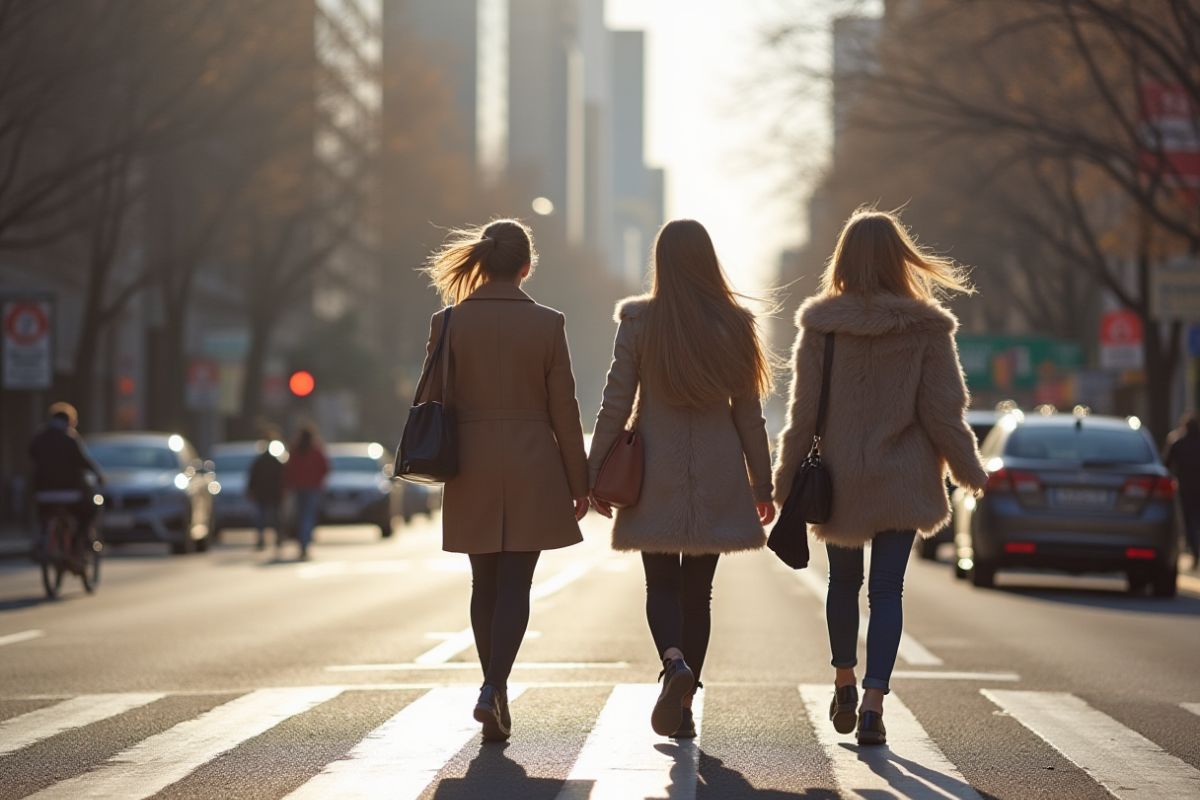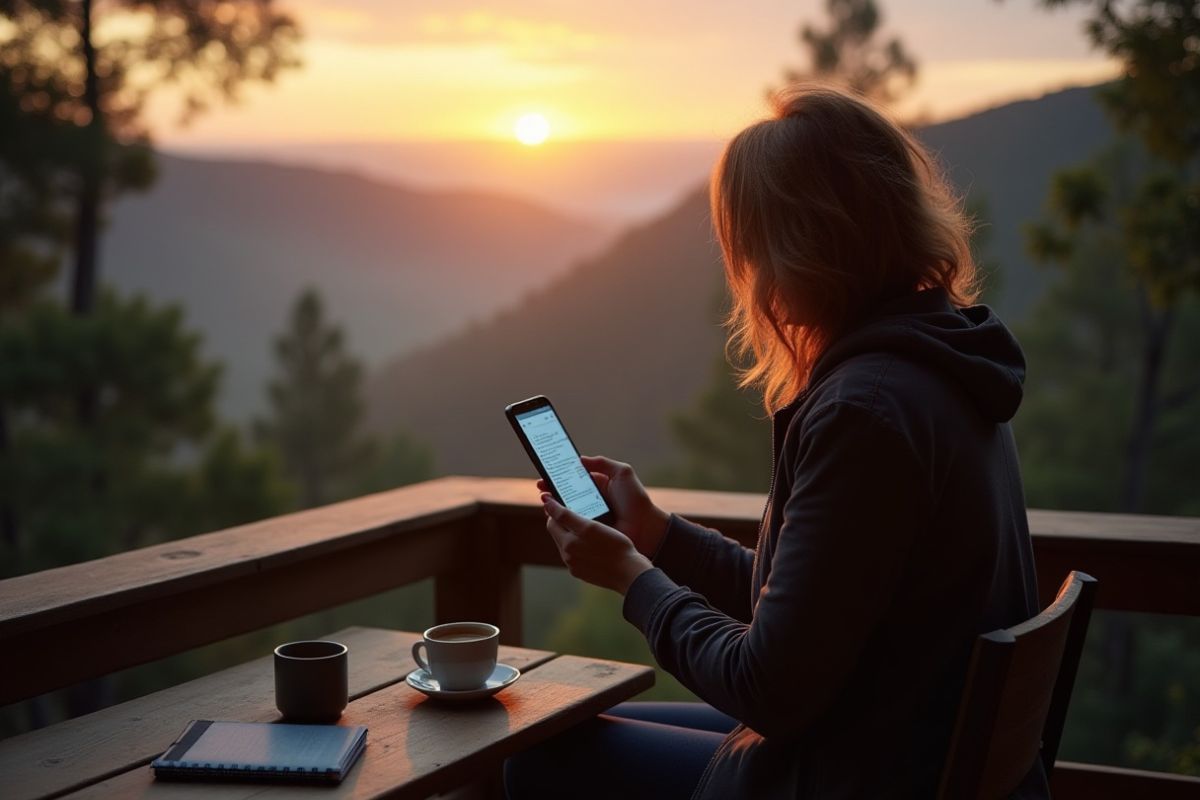
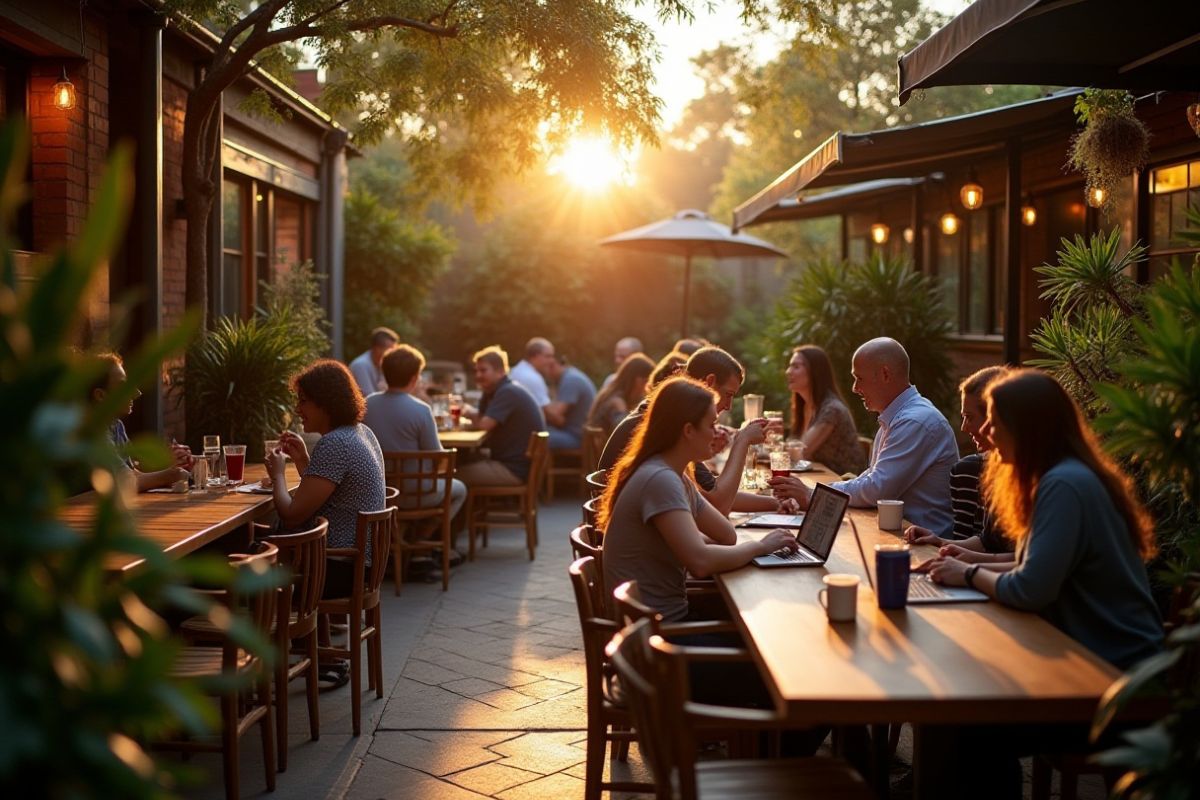
From neighbourhood cafés and community halls to creative hubs and wellness collectives, Australians are rediscovering the value of gathering in places that sit between home and work. These "third spaces" are becoming essential to modern life, offering connection, belonging and a renewed sense of community in an increasingly digital world.
As the morning rush moves through Melbourne laneways, a group of locals gathers around a long café table. In Brisbane, a community centre hosts a free training session for small business owners. Across regional towns in Queensland, residents meet in refurbished town halls for fitness classes, cultural events and neighbourhood initiatives.
These settings may look different, but they serve the same purpose. They are third spaces: places where people can connect, learn, share experiences and build meaningful relationships outside their home and office environments.
In 2026, Australia's growing interest in community spaces reflects a broader cultural shift. After years of remote work, digital communication and increasingly busy schedules, many Australians are actively seeking places that foster genuine human connection.
What Is a Third Space?
Why This Matters Right Now
If you've ever worked from a local café, attended a workshop at a community centre, joined a sporting club or spent an afternoon volunteering at a neighbourhood event, you've likely experienced a third space without realising it.
The concept was popularised by urban sociologist Ray Oldenburg, who described third spaces as environments separate from home (the first space) and work (the second space). They provide opportunities for informal social interaction, creativity and community engagement.
Unlike traditional meeting rooms or formal workplaces, third spaces are designed around participation and accessibility. They encourage people to gather without the pressures often associated with professional or family responsibilities.
Examples include:
- Community centres
- Community halls
- Libraries
- Local cafés
- Sporting clubs
- Art studios
- Co-working venues
- Public parks
- Cultural centres
- Wellness and fitness hubs
What makes these spaces valuable is not necessarily the building itself but the sense of belonging it creates.
"People thrive when they have regular opportunities to connect beyond their immediate household and workplace," notes community development consultant Sarah Bennett. "Third spaces create the social infrastructure that helps communities remain resilient and connected."
For many Australians, these venues have become important anchors within everyday life.
Why Australians Are Seeking Community

The Search for Connection in a Digital-First World
While technology has made communication easier than ever, it has also changed how people interact socially. Video calls, messaging platforms and remote work systems have increased convenience, but many Australians report feeling less connected to their local communities. Third spaces help bridge that gap.
Whether it's joining community groups, attending a local event or participating in a cultural initiative, people are increasingly looking for opportunities to engage face-to-face. Several factors are driving the trend:
Remote and Hybrid Work
Flexible work arrangements continue to reshape daily routines. Many professionals spend less time in a traditional office, creating opportunities to seek social interaction elsewhere.
Co-working hubs, libraries and shared meeting spaces are increasingly popular among remote workers who want balance between productivity and connection.
Mental Wellbeing and Social Health
Research consistently links social engagement to improved wellbeing. Having access to welcoming community spaces can reduce feelings of isolation while strengthening neighbourhood relationships.
Increasingly, councils across Australia are investing in facilities that support community participation and local engagement.
Supporting Local Communities
Many residents are choosing to spend more time in their immediate area, supporting local organisations, markets, sporting clubs and cultural programs.
As a result, community centres, halls and public venues are becoming active gathering places once again.
Cultural Inclusion and Representation
Modern third spaces also provide opportunities to celebrate culture and diversity. Across Australia, venues are hosting programs that recognise Aboriginal and Torres Strait Islander communities, local history and multicultural traditions.
These events help strengthen understanding while creating welcoming environments for everyone.
Popular Third Spaces in 2026
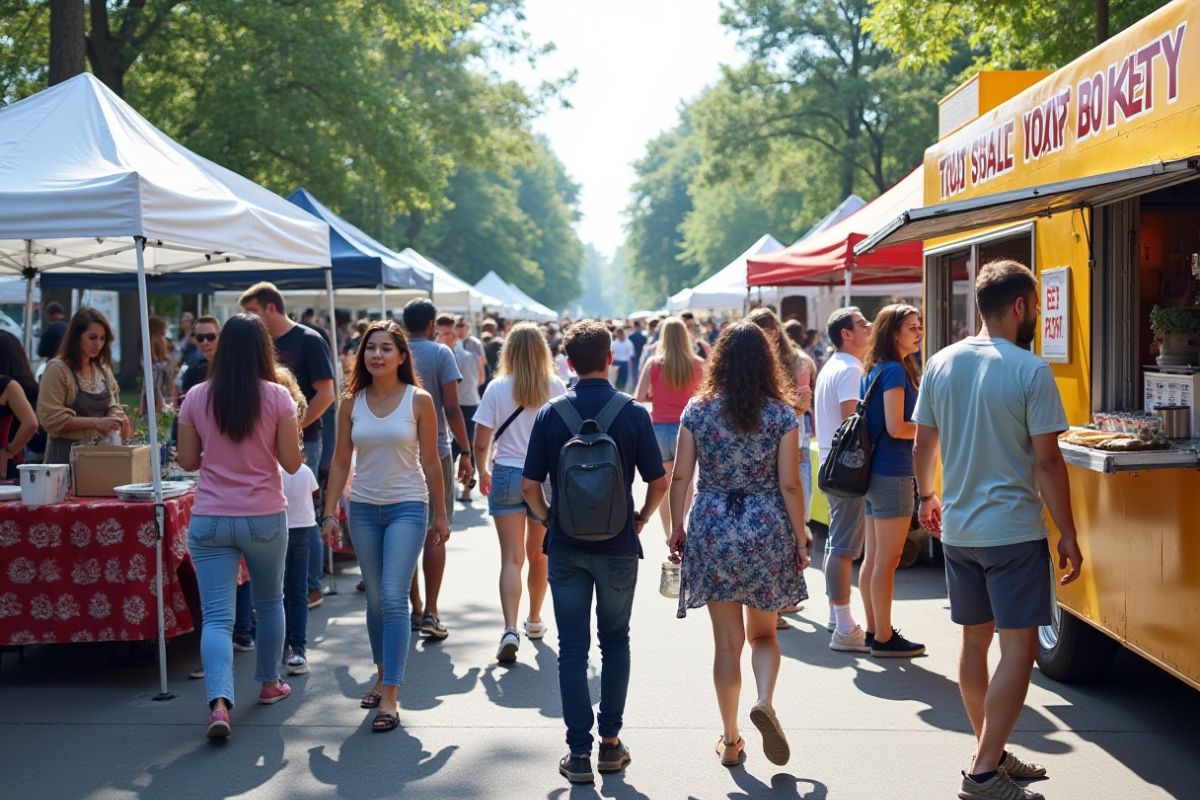
The Places Bringing Australians Together
Third spaces are evolving rapidly. Today, they are more flexible, accessible and community-driven than ever before.
Here are some of the most popular examples emerging across Australia.
1. Modern Community Centres
The traditional community centre has undergone a transformation.
Many now offer:
- Business training programs
- Wellness classes
- Youth support services
- Creative workshops
- Networking events
- Community meetings
Councils increasingly manage multi-purpose centres that allow residents to hire a room, make a booking online and access facilities with minimal administration.
These centres often serve as the heartbeat of a neighbourhood.
2. Revitalised Community Halls and Town Halls
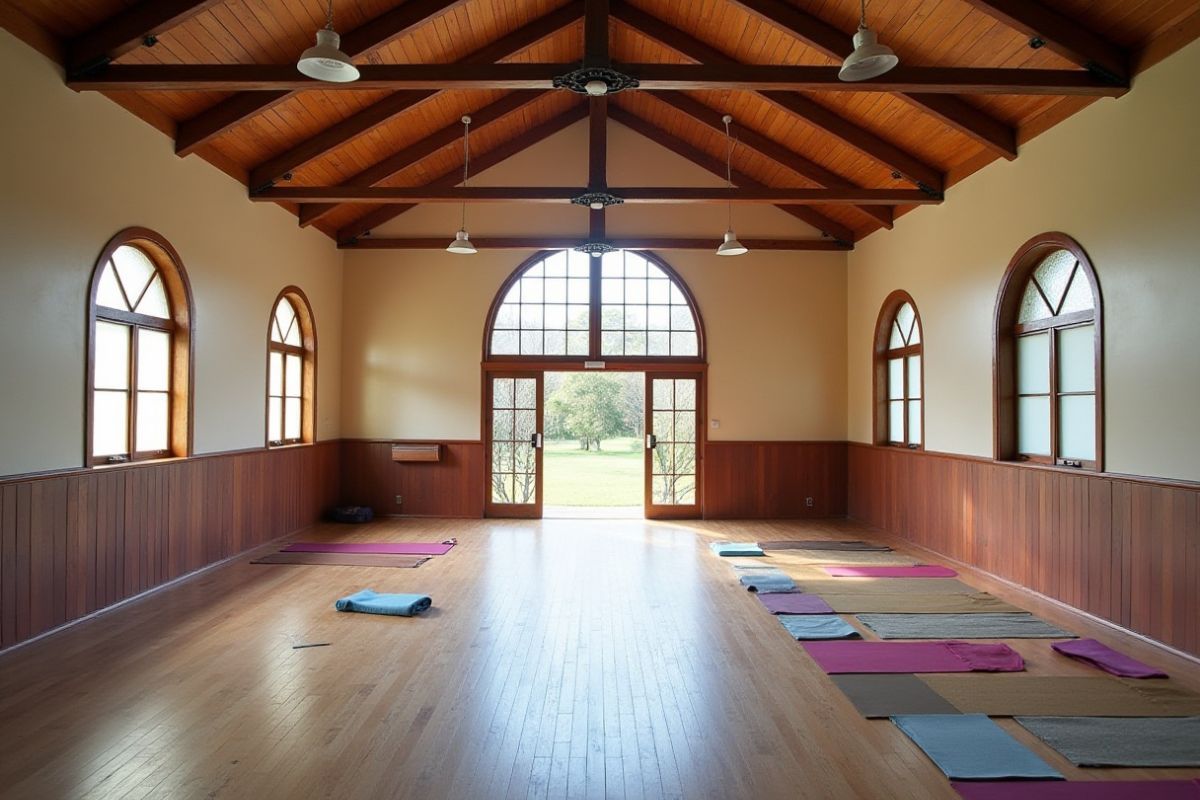
Community halls and historic town halls are experiencing renewed popularity.
Rather than sitting unused, many now host:
- Markets
- Fitness sessions
- Local performances
- Educational workshops
- Charity fundraisers
- Community group gatherings
Their flexibility makes them ideal venues for organisations seeking affordable and accessible meeting space.
3. Co-Working and Creative Spaces
As work patterns continue evolving, flexible shared environments have become important third spaces.
Unlike traditional offices, these venues blend productivity with social interaction. Users can access meeting rooms, collaborative areas and networking opportunities while maintaining independence.
Many creative professionals say these hubs provide the human connection often missing from remote work.
4. Libraries as Community Hubs
Australia's libraries have quietly become some of the country's most effective community spaces.
Today's library often functions as:
- A learning centre
- An event venue
- A technology hub
- A meeting place
- A cultural resource
Many offer free workshops, training, support services and public access to technology.
5. Sport and Recreation Facilities
Sport remains one of Australia's strongest community connectors.
From local football clubs to netball courts and recreation centres, sporting spaces bring together people of all ages.
These facilities offer more than exercise. They help build friendships, encourage volunteerism and strengthen community identity.
6. Cultural and Indigenous Gathering Spaces
Across Australia, dedicated cultural venues continue to grow in importance.
Many councils and organisations support initiatives that highlight Aboriginal and Torres Strait Islander knowledge, art, storytelling and culture.
These spaces create meaningful opportunities for education, celebration and connection.
Australian Examples Leading the Trend
Across the country, innovative projects are rethinking how public space can support community life.
Melbourne
Neighbourhood hubs combine cafés, flexible work areas and community programming, encouraging residents to move seamlessly between work, socialising and learning.
Brisbane and Queensland
Many local councils have invested in upgraded community centres and public venues that simplify booking systems and improve access for residents.
Regional Australia
Smaller communities are successfully revitalising town halls and shared facilities, ensuring residents have welcoming places to gather without travelling long distances.
Saveable Guide: How to Find Your Local Third Space
If you're looking to become more connected in your local area, start with these practical steps:
- Visit your council website
- Search local community groups
- Explore nearby community centres
- Attend a free neighbourhood event
- Join a sporting club or wellness class
- Check local libraries for workshops
- Hire a community hall for group activities
- Support local cultural initiatives
Often, the most valuable community connections begin with a simple visit.
The Future of Community Spaces in Australia
As cities grow and lifestyles become increasingly digital, the role of third spaces will likely become even more important.
Urban planners, councils and community organisations are recognising that strong social infrastructure supports healthier, more connected communities.
Future developments are expected to focus on:
- Flexible multi-use venues
- Improved accessibility
- Better digital booking systems
- Sustainable facilities
- Stronger local partnerships
- Inclusive cultural programming
The goal is simple: creating places where people genuinely want to spend time.
Frequently Asked Questions
What is a third space?
A third space is a place where people gather outside of home and work. Examples include community centres, cafés, libraries, sporting clubs and community halls.
Why are third spaces becoming popular in Australia?
Growing remote work, increased digital communication and a desire for stronger community connections are encouraging Australians to seek more meaningful social experiences.
Are community centres considered third spaces?
Yes. Community centres are among the most common examples of third spaces because they offer programs, events, support services and opportunities for social interaction.
Can businesses use community halls and venues?
Many community halls and public venues allow organisations and individuals to hire facilities for meetings, training sessions, workshops and events, often for a modest fee.
How do councils support third spaces?
Councils often fund, maintain and manage community facilities, helping residents access affordable and welcoming spaces for learning, recreation and community participation.
What role do Aboriginal and Torres Strait Islander communities play in third spaces?
Many cultural venues and community initiatives celebrate Aboriginal and Torres Strait Islander culture through education, art, storytelling and community engagement, helping foster inclusion and understanding.
Final Take
In an era dominated by screens, schedules and digital communication, third spaces offer something increasingly valuable: genuine human connection.
Whether found in a local community centre, a bustling café, a sporting club, a library or a revitalised town hall, these places help Australians build relationships, strengthen neighbourhoods and create a sense of belonging.
The resurgence of third spaces reflects a growing recognition that community is not built online alone. It thrives in shared rooms, welcoming venues, public halls and everyday gathering places where conversations happen naturally.
As Australia continues to evolve, these spaces are proving that connection remains one of the most important resources any community can have. And in 2026, the simple act of showing up may be one of the most powerful ways to belong.