
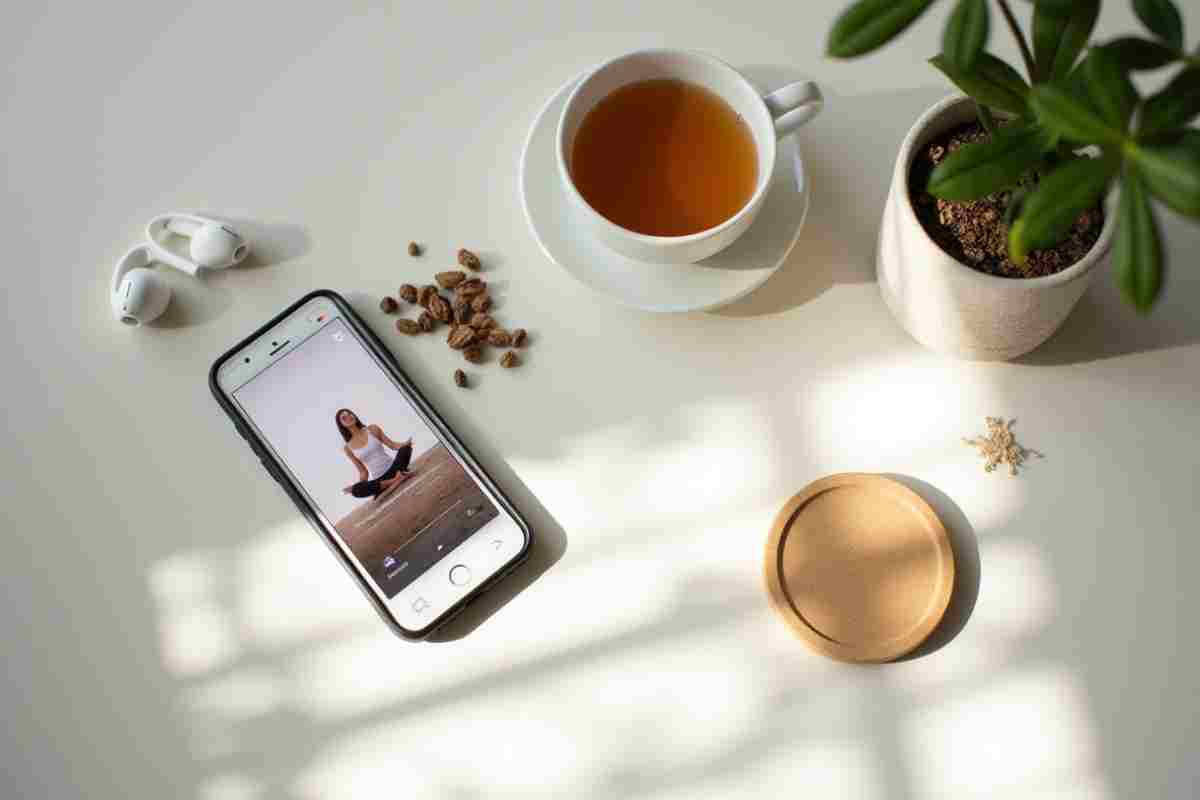
There’s a quiet shift happening across Australia. In sun‑washed kitchens, on morning coastal walks, and during late‑night reflection moments, more Australians are blending wellness rituals with ai wellness tools that promise calm, clarity, and a little extra breathing room in our days.
It’s the new rhythm of modern life—where mindfulness, productivity, and digital ease come together to help us live more intentionally.
The Rise of Wellness Tech Australians Actually Use
In 2026, wellness apps, ai chatbots, and wearables have become part of the everyday self‑care toolkit. But what’s resonating isn’t just efficiency—it’s the sense of grounding that ai-powered tools can offer when life feels busy, bright, and a little chaotic.
Apps like Headspace, Wysa, Woebot, and a wave of new mental health tools are giving millions of people a softer, more accessible way to check in with themselves. These platforms blend cognitive behavioral therapy, guided meditation sessions, and warm conversational AI that feels surprisingly human.
Meanwhile, productivity‑focused ai tools help Australians plan their meals, organize schedules, craft routines, and personalise daily rituals through smart ai-driven recommendations—all powered by algorithms trained on vast internet data but designed to support emotional and mental well‑being.
Why These Tools Are Trending Across Australia

1. They Bring Calm Into Busy Days
With work, family, and the pressure to stay constantly “on,” burnout has become quietly common. AI can help create micro‑moments of calm through simple chats, tailored reminders, and gentle interventions that nudge users toward better routines and improved mental well-being.
2. Access to Care—Anytime, Anywhere
For many living outside major cities, accessing psychologists, therapists, and trained human professionals isn’t always easy. That’s why digital mental health platforms—especially those specifically for mental health—are thriving. They provide mental health support, especially for symptoms of depression and anxiety, right from the phone in your hand.
3. AI Feels More Personal Than Ever
Today’s ai systems and ai models personalise recommendations based on user input, creating wellness routines that feel made just for you. Whether it’s adjusting meal plans, pacing meditation, or suggesting mindfulness techniques, algorithms adapt in ways that feel intuitive.
4. More Australians Want Balanced Living
From coastal cities to rural communities, there’s growing interest in health and wellbeing, slower mornings, nature breaks, and intentional living. AI interactions and tools like mindfulness apps fit neatly into this shift, helping create daily habits that reduce stress and nurture emotional health.
How to Bring These Wellbeing Tools Into Your Everyday Life

1. Start With AI-Enhanced Mindfulness
Try apps that use conversational, gentle check‑ins—like Wysa, Headspace, or Woebot. These clinically validated, direct-to-consumer tools help you talk or type through your thoughts while maintaining strong privacy and security and data protection standards.
2. Use AI Chatbots for Emotional Clarity
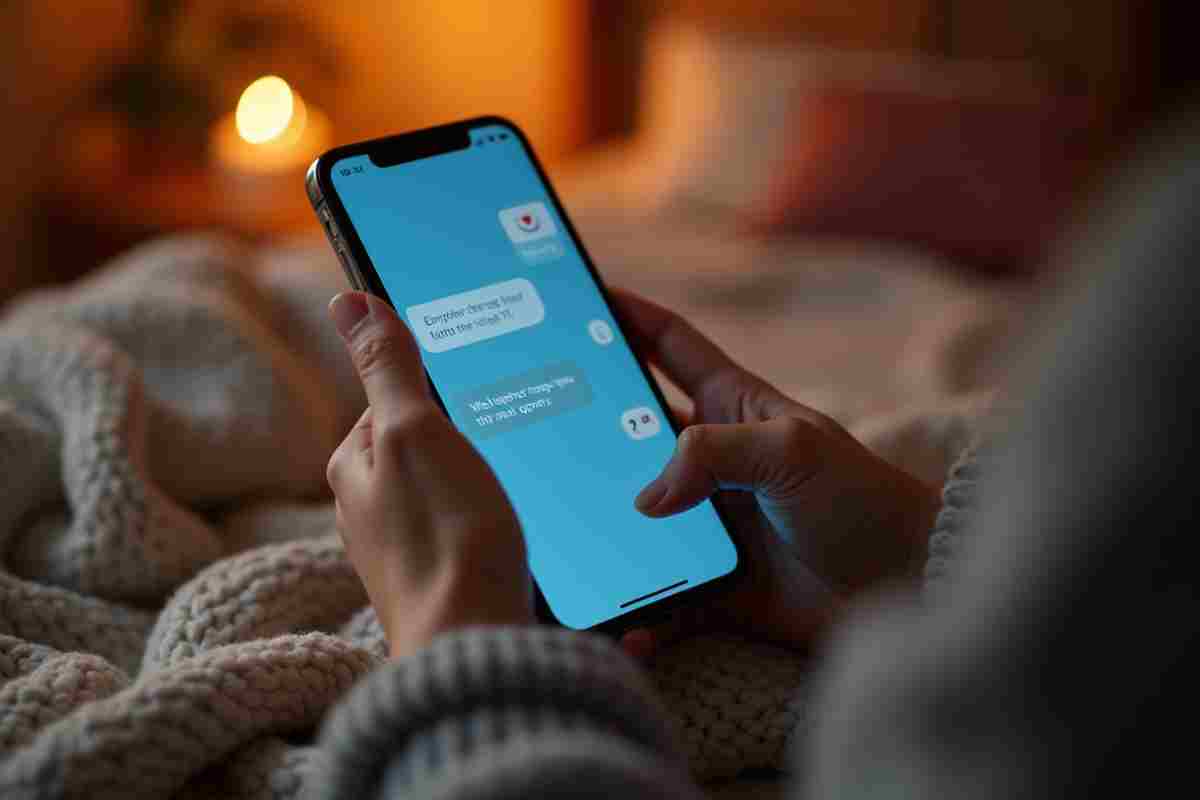
Modern ai chatbot platforms like ChatGPT or dedicated mental health chatbots can help you reflect, organise emotions, and explore grounding exercises. While they aren’t human therapists, they can still create a safe sense of connection—one of the few digital experiences that genuinely feels soothing.
3. Lean on Wearables for Gentle Accountability
From sleep insights to heart‑rate reminders, wearables help translate subtle health information into meaningful nudges that support emotional well-being. They remind you to breathe, pause, hydrate, or stretch—small rituals that add up to calmer days.
4. Build Productivity Rituals With AI Tools
Use AI to structure your day with ease. Automation apps and ai platforms can help you map your tasks, reduce mental load, and prevent burnout. Tools like these help you reclaim energy so wellness feels less like a chore and more like an effortless rhythm.
5. Keep Balance With Human Support
The World Economic Forum notes that as ai becomes more integrated, human support and oversight remain essential. Whether you're using generative AI, an ai companion, or productivity bots, balance is key. Wellness isn’t about replacing human interaction—it’s about enhancing it.
Tips for Using AI Wellness Tools and AI Mental Health Apps Safely
Because intentional living also means responsible tech use:
- Check for clinical validation or university-backed research (many Australian users trust apps supported by Stanford AI studies or similar).
- Be mindful of algorithmic bias, which can affect recommendations.
- Avoid overreliance—AI is support, not a substitute for real connection.
- Prioritise apps that follow ethical frameworks and safeguard data security.
- Always consult a psychologist or doctor when managing serious health conditions.
The Future of Wellness: Human Feeling, AI Ease
Wellness in Australia is evolving. It’s less about perfection and more about small, sustainable rituals—supported by tools like gentle chatbots, grounded mindfulness, and personalised routines that flow with your lifestyle.
The promise of AI isn’t that it replaces us—it’s that it helps create space for the parts of life that feel most human.
Because sometimes, it’s the quietest tools that help us feel most connected—to ourselves and to the world around us.