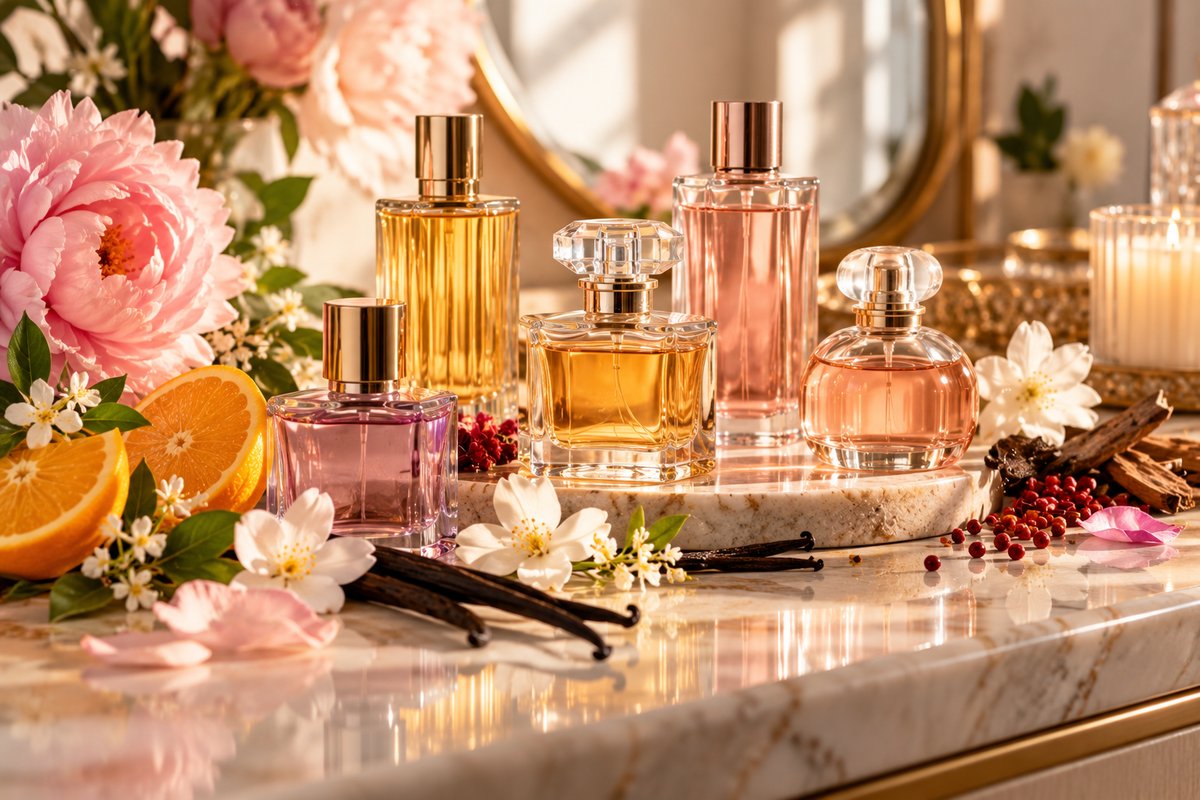
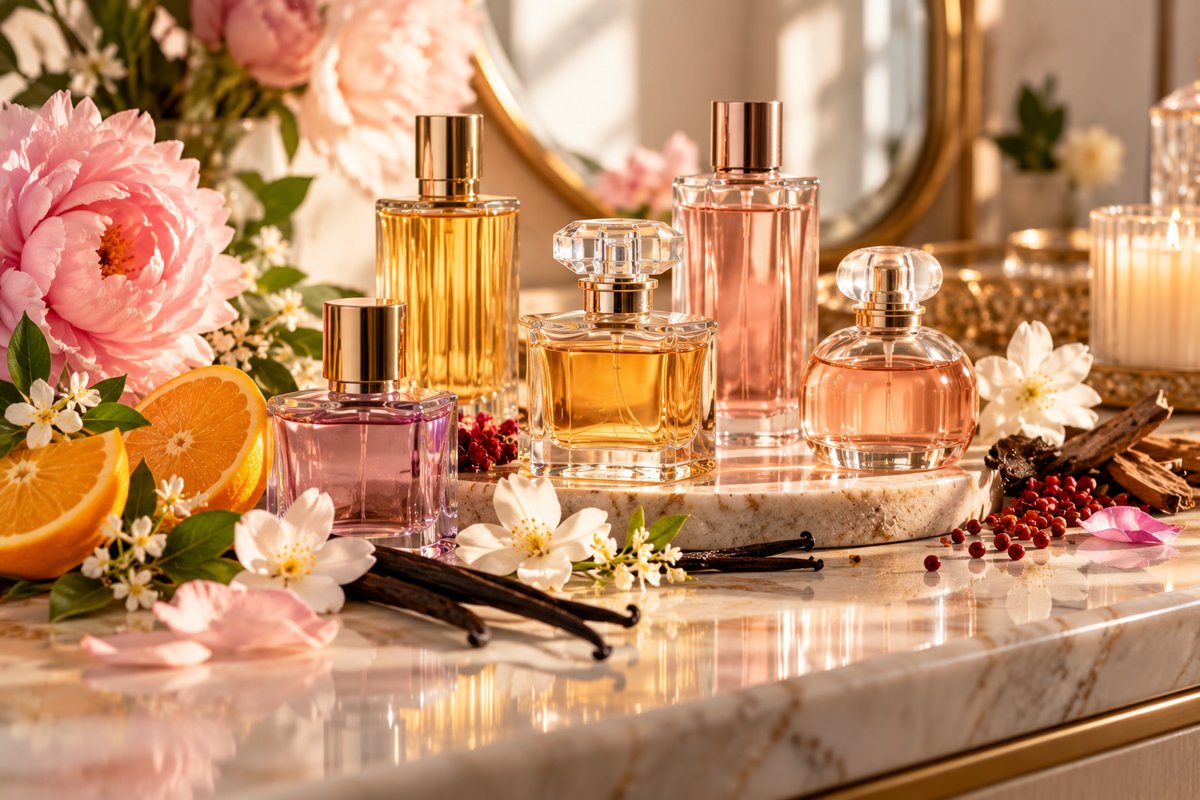
The idea of finding one signature perfume and wearing it for years is giving way to something more flexible. Fragrance lovers are building scent wardrobes, combining perfumes and choosing what to wear according to the season, occasion or the version of themselves they want to express that day.
Fragrance layering is central to that shift. Instead of treating a bottle as a finished statement that must always be worn alone, people are experimenting with two or more scents to create a combination that feels more personal.
KAYALI's latest international expansion offers a timely example. The fragrance brand has announced an exclusive launch with Sephora China, scheduled for 15 October 2026 across more than 300 stores and the retailer's digital channels. Its emphasis on layering will be part of how the range is introduced to a new market.
The broader trend, however, reaches beyond one brand. Fragrance is becoming less about a single defining scent and more about a collection that can change with personal style.
What fragrance layering actually means
At its simplest, fragrance layering means wearing more than one scented product together. That might involve two perfumes, or a lightly scented body product beneath a fragrance. The aim is not necessarily to create something louder, but to let different notes produce a result that neither fragrance creates alone.
A creamy vanilla may soften a dry wood. Citrus can bring brightness to a floral. Musk may give a gourmand scent a quieter base. These are starting points, not guarantees: two perfumes that sound compatible can behave very differently once sprayed.
Why scent wardrobes are becoming more visible
Beauty routines have become increasingly personalised. Shoppers select skincare for different concerns, adjust makeup to the occasion and change hair products with the weather. Fragrance is now being approached with the same flexibility.
A fragrance wardrobe can include a bright daytime option, something warm for cooler evenings, a polished scent for work and a more expressive choice for events. None has to represent its wearer all the time.
Discovery sets and smaller formats make that approach easier to explore. Social media also gives layering unusual visibility: a short video can demonstrate a pairing quickly, while comments invite viewers to compare combinations.
Younger beauty consumers have grown up with tutorials, product combinations and changing aesthetics, so experimentation can feel more natural than committing to one perfume as a permanent identity. Online popularity, however, is not proof that a pairing will suit everyone. Scent remains highly subjective.
KAYALI is a current example, not the whole story
KAYALI has made layering part of its brand language, and its China expansion places that idea in front of a large new retail audience. According to the company's announcement, customers will be encouraged to discover fragrances and experiment with combinations in store.
The launch is a useful marker of where prestige fragrance is heading: discovery is becoming as important as the sale of a single hero bottle. Yet the movement cannot be credited to one label. Perfume lovers across cultures have long combined oils, scented body products and sprays.
A brand can promote products as layerable, but it cannot dictate the only successful pairings. Nor does a coordinated collection automatically produce a better result than two fragrances from unrelated houses. The interesting trend is the permission to experiment, not a requirement to buy a complete range.
From one signature scent to a changing rotation
The signature scent is not disappearing. What is changing is the assumption that choosing one favourite rules out variety.
Someone might reach for citrus or a sheer floral during an Australian summer, then prefer vanilla, amber, musk or woods when temperatures fall. A fragrance worn to dinner may feel too dense for a humid morning.
Fashion Weekly's guide to choosing the right perfume explains how fragrance families and top, heart and base notes shape a scent. Understanding those elements can make layering less random, although personal preference should always lead.
Fragrance families that can work together
Beginners can look for one shared note or a clear contrast between two fragrances.
Vanilla and gourmand: Sweet, dessert-like notes can pair with woods or musk for structure. Because gourmands can be rich, one light spray may be enough.
Floral: Rose, jasmine and other florals often sit beside musk, citrus or soft woods. A fresh partner can keep an opulent floral from dominating.
Citrus: Bergamot, lemon and mandarin can brighten florals, herbs or woods. Give the pairing time before deciding whether it works.
Musk: A soft musk can form a quiet base for floral, fruity or gourmand fragrances, although not every musk perfume is minimal.
Woods: Cedar, sandalwood and other woody notes can add dryness or depth to sweeter scents. Start sparingly when both perfumes have strong bases.
A simple way to begin
Choose two fragrances you already enjoy separately. Spray each on a different blotter, then hold the strips together. This gives you an early impression without committing the combination to skin.
If the pairing still appeals, test lightly. Apply less of the stronger fragrance, then add the brighter or softer scent. You can place them on the same area or nearby points; there is no universal method.
Wait for the opening notes to settle. Fragrances change as they dry down, and an uncertain first minute can become harmonious later—or the reverse. Our earlier guide to creating a layered signature scent offers more background on notes, seasonal choices and testing.
Fashion Weekly Tip: Start with only two fragrances, apply each lightly and give the combination time to settle before adding another spray. Keep a note of the amounts you used if you want to recreate the result.
Creativity matters more than rigid rules
Layering advice often suggests putting the heaviest scent on first or pairing fragrances from related families. Both can be useful, but neither is a law.
Concentration, projection and the character of each formula matter more than a label such as floral or woody. A delicate eau de toilette may disappear beneath a powerful eau de parfum regardless of application order.
Experiment on blotters, avoid testing too many combinations at once and be considerate in shared spaces. If fragrance irritates your skin, stop using it and follow the product guidance; layering should not override individual sensitivities.
What the trend means for Australian fragrance lovers
Australian shoppers can explore international brands, local perfume houses, niche retailers and discovery services. Our changing climate also makes a flexible wardrobe practical: what feels comfortable in a Brisbane summer may differ from a winter evening in Melbourne.
The most appealing version of the trend is not about collecting endlessly. It is about paying closer attention to what is already on the shelf and finding new ways to wear it.
KAYALI's expansion shows that layering is now a prominent part of the global fragrance conversation. Its lasting appeal, however, comes from something more personal: there is no single formula for smelling like yourself.