As we move further into 2026, our homes are evolving in tandem with our lifestyles. The rise of hybrid living—where work, leisure, and wellness coexist under one roof—is transforming interior design. Sustainability is no longer just a buzzword; it’s a necessity for creating functional, beautiful, and eco-conscious spaces. Here’s a deep dive into the trends shaping hybrid living spaces this year.
Sustainability in Hybrid Living Spaces
Sustainable design is at the heart of modern living. In hybrid homes, where the boundaries between work and life blur, eco-conscious choices are more critical than ever. Designers and homeowners alike are seeking solutions that not only look stunning but also reduce environmental impact.
Defining Sustainable Living for 2026
Sustainable living in 2026 goes beyond using recycled materials. It’s about thoughtful curation—selecting furnishings and finishes that are durable, non-toxic, and locally sourced. Smart energy systems, water-efficient appliances, and renewable energy options are also central to creating a home that nurtures both residents and the planet.
Key Elements of Sustainable Home Design
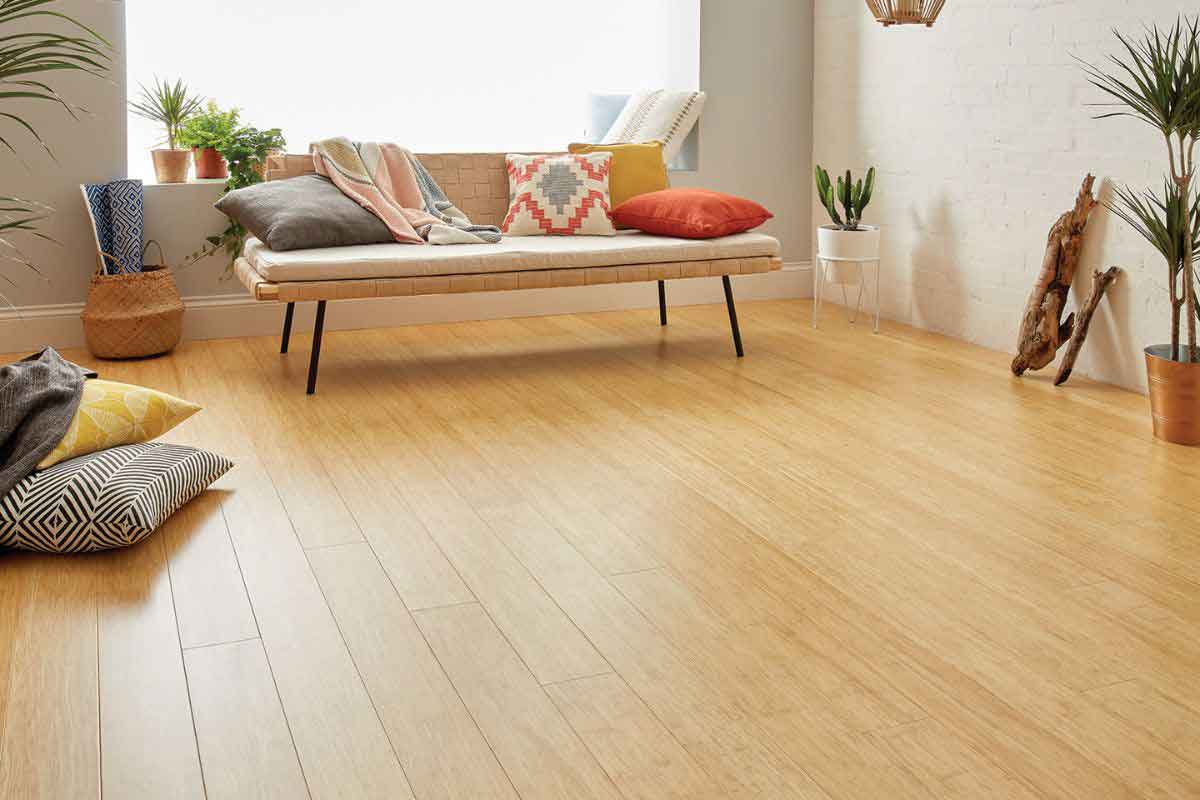
- Eco-friendly Materials: Bamboo flooring, recycled glass countertops, and FSC-certified timber are gaining popularity.
- Energy Efficiency: LED lighting, smart thermostats, and solar-powered systems reduce carbon footprints while keeping homes stylish.
- Indoor Air Quality: Natural ventilation and low-VOC paints promote a healthier, more breathable living environment.
Reducing the Carbon Footprint in Interior Design
Every design choice counts. Opting for locally produced furniture, minimizing single-use plastics, and investing in long-lasting pieces can significantly reduce a home's carbon footprint. Even small steps, like sourcing second-hand décor or repurposing existing furniture, make a meaningful difference.
Wellness and Aesthetics in Home Design
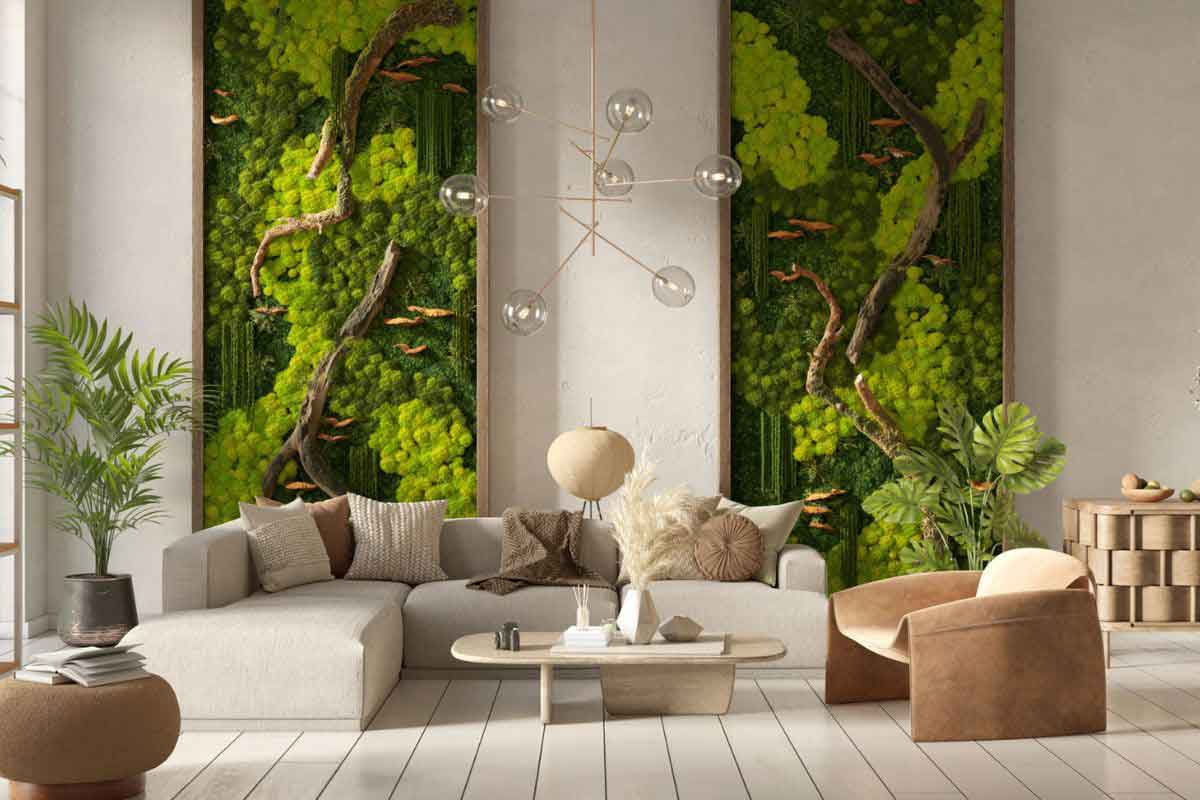
Hybrid living spaces aren’t just about function—they’re about fostering wellbeing. In 2026, wellness-driven interiors are emerging as a major trend, blending aesthetics with mental and physical health considerations.
The Impact of Wellness on Design Trends
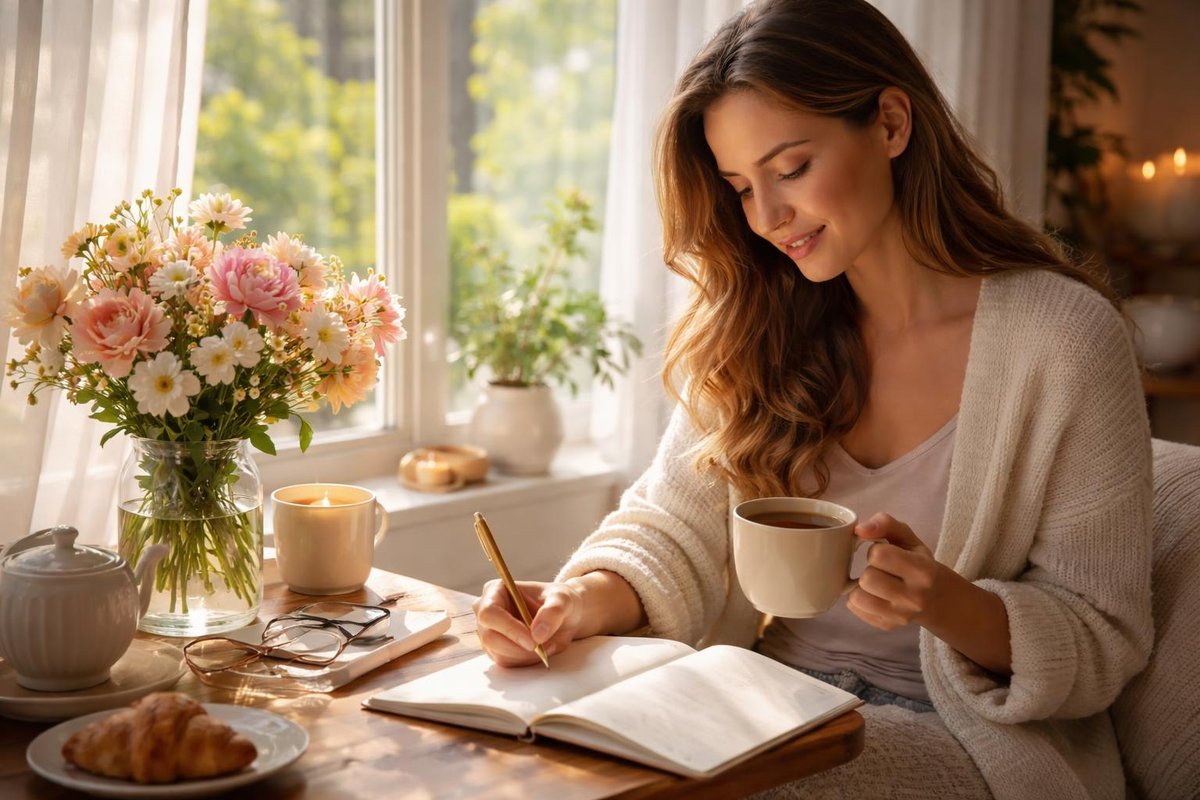
Design elements that promote calm, focus, and relaxation are more sought after than ever. Think biophilic design with indoor plants, natural lighting, and spaces that encourage movement and mindfulness. Homes are becoming sanctuaries for mental health, not just places to live.
Balancing Aesthetics with Sustainability
Sustainable materials and wellness features don’t have to compromise style. Sleek, minimalist furniture, organic textures, and earthy colour palettes are proving that eco-conscious design can also be chic and luxurious.
Creating Inviting Spaces for Remote Work
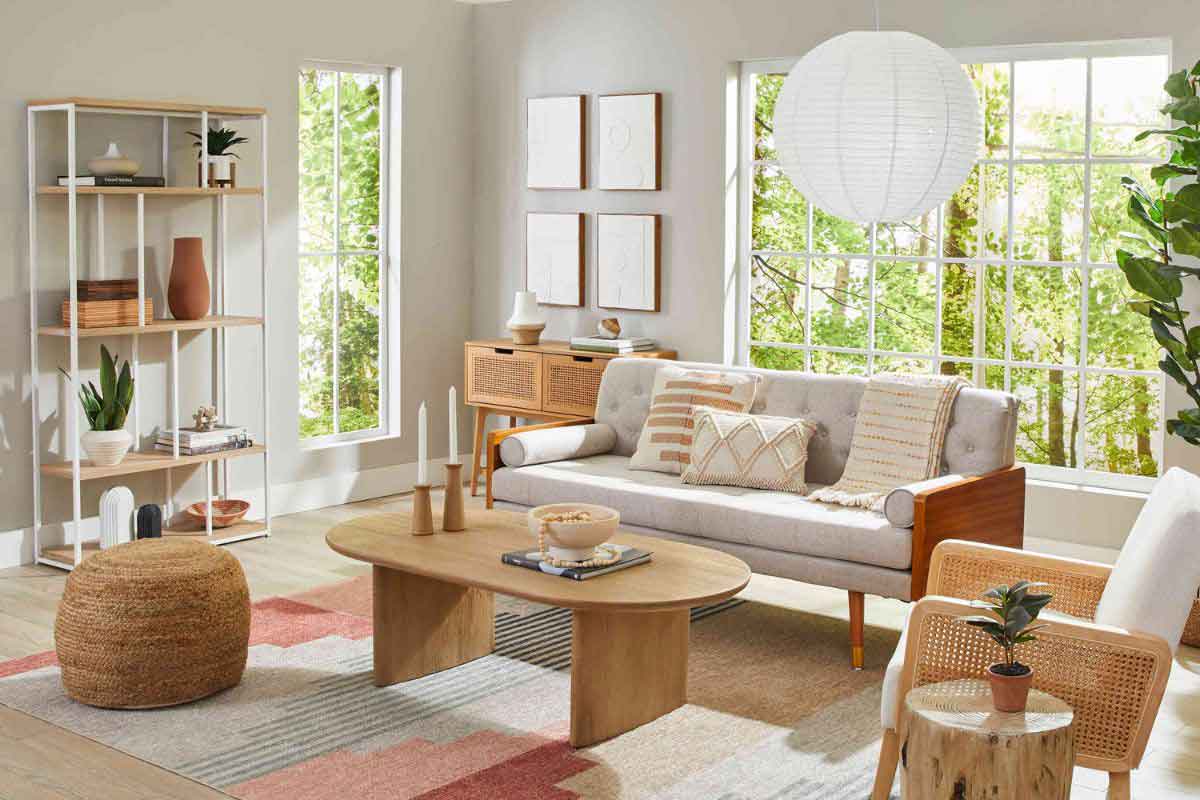
As hybrid work models continue to dominate, homes must adapt to provide functional, inspiring workspaces without sacrificing comfort.
Redefining Daily Routines in Hybrid Living
Home layouts are evolving to support both professional and personal life. Zoning areas for work, relaxation, and socialising helps maintain balance, preventing the home from feeling like an endless office.
Flexible Work Patterns and Home Layouts
Modular furniture, movable partitions, and versatile layouts allow rooms to transform from meeting zones to leisure spaces seamlessly. This flexibility ensures that homes remain both practical and aesthetically pleasing.
Designing for Multifunctional Spaces
Hybrid living spaces demand multifunctionality. Dining rooms double as offices, bedrooms host yoga sessions, and living rooms become media hubs—all while maintaining a sense of harmony and style.
Wardrobe Considerations for Hybrid Living
Closets are also evolving. With work-from-home routines, people favour versatile, sustainable wardrobes that transition effortlessly from home comfort to video call-ready. Minimalism in fashion mirrors the broader design ethos of decluttered, sustainable living.
Future Trends in the Real Estate Market
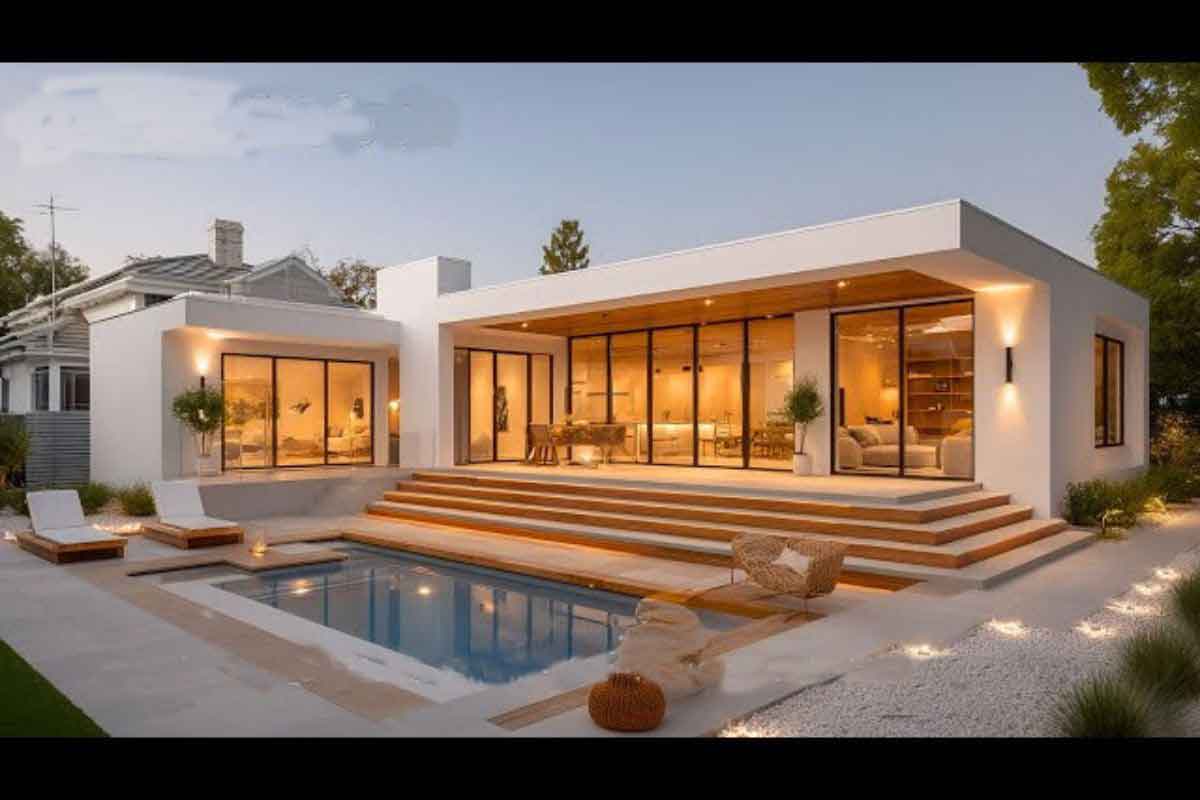
Sustainability and hybrid living are not just influencing interior design—they’re shaping property preferences too.
Shifts in Buyer Preferences for Sustainable Homes
Modern buyers increasingly prioritise eco-friendly features, energy efficiency, and flexible layouts when selecting a property. Homes that combine sustainability with functionality are commanding higher interest and value in the market.
Emerging Design Trends for Luxury Home Buyers
Luxury buyers are embracing conscious living, opting for sustainable materials, smart home integrations, and wellness-oriented spaces. Even high-end properties are showcasing green roofs, natural pools, and curated indoor gardens.
Adapting Real Estate Strategies for 2026
For sellers and developers, understanding these evolving buyer preferences is key. Highlighting sustainable features, multifunctional spaces, and wellness-driven design in listings will make properties more appealing in the 2026 market.
Hybrid living is redefining the way we experience our homes. By embracing sustainability, wellness, and multifunctional design, 2026 is shaping up to be a year where interiors reflect not just our style, but our values and lifestyle priorities.