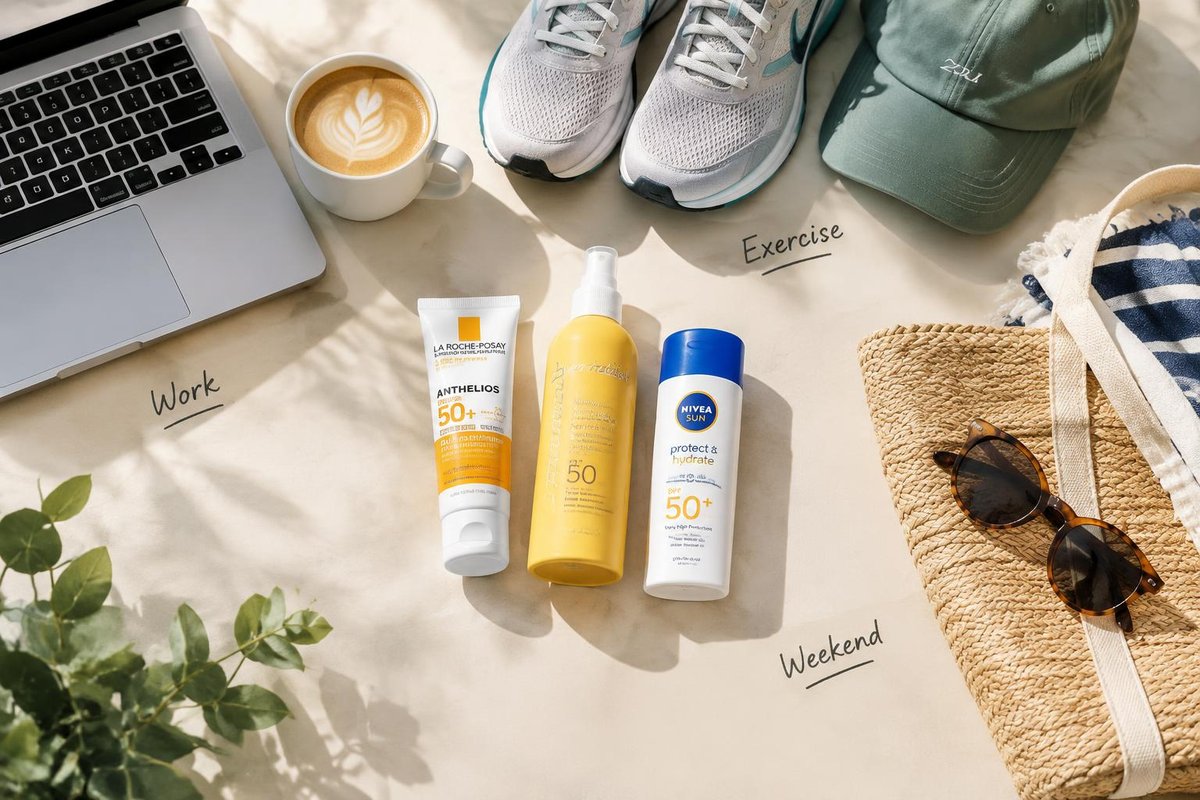
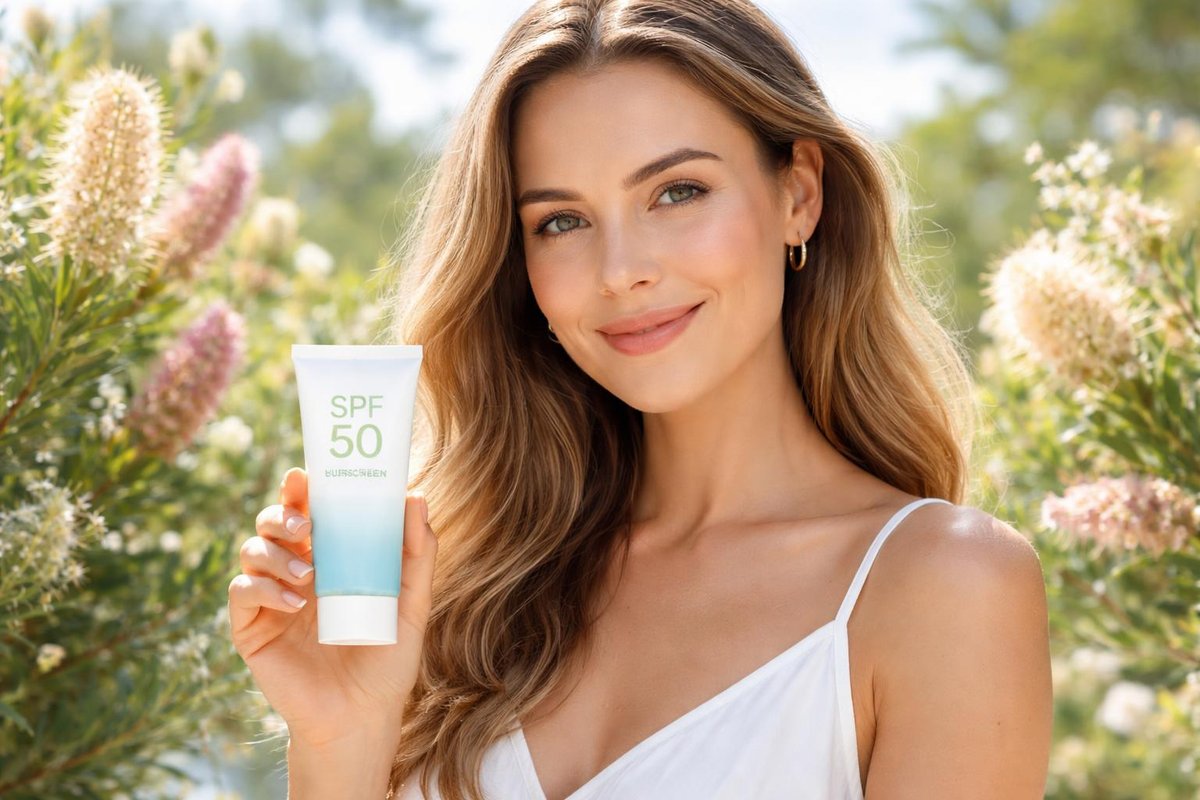
As the season shifts and temperatures rise, spring skincare Australia requires a fresh approach to protect, hydrate and rejuvenate skin after a long winter; think lighter moisturizers, broad-spectrum SPF, gentle exfoliation to slough away dullness, and antioxidant-rich formulas to combat increased sun exposure and seasonal allergens — plus homegrown ingredients like Kakadu plum and native botanicals that support brightening and repair while honoring the unique Australian climate.
The Australian Spring Skin Reset: Updated Advice for Healthier Skin
As the vibrant days of spring arrive across Australia, many of us instinctively reach for lighter skincare products, hoping to achieve that fresh, radiant glow that seems to define the season. But according to dermatologists, spring skincare in 2026 is about much more than swapping a richer moisturiser for a lighter one.
Australian skin experts are increasingly encouraging people to transition their skincare routine thoughtfully, focusing on skin barrier health, hydration, and diligent daily SPF use. As rising temperatures, increased humidity, stronger UV exposure, and environmental stressors begin to replace the colder months of autumn and winter, our skin's needs change significantly.
The result? A new generation of spring skincare advice that prioritises resilience, prevention, and long-term skin health over complicated routines.
If you're wondering how to transition your skincare from winter into spring and summer, here's everything you need to know.
Why Dermatologists Are Updating Their Advice in 2026
Search Intent Hook: Why are skincare experts changing spring skincare recommendations now?
Australian dermatologists are seeing growing awareness around skin barrier health, skin longevity, and UV prevention. Rather than encouraging consumers to constantly add new skincare products, experts are recommending simplified routines built around a few proven essentials.
The shift is driven by several factors:
- Australia's consistently high UV exposure levels
- Increased rates of sensitive skin and barrier impairment
- Consumer fatigue from overly complicated skincare routines
- New research highlighting the importance of the moisture barrier
- Greater understanding of how climate affects skin function
The message is clear: healthy, balanced skin often requires fewer products and smarter choices.
Maya's Take: One beauty trend I expect to grow throughout 2026 is "skin resilience". Rather than chasing perfection, people are investing in routines that help skin stay calm, strong and healthy through seasonal change.
What Happens to Skin During Seasonal Change
Spring brings a unique set of conditions that affect skin behaviour.
After months of exposure to cold air, indoor heating and lower humidity, many Australians enter spring with dehydrated, dull skin and a compromised moisture barrier.
Then conditions shift quickly:
- Humidity increases
- Temperatures rise
- Sebum production often increases
- UV levels intensify
- Outdoor exposure becomes more frequent
For some skin types, this means increased oil production and occasional breakout concerns. For others, lingering dehydration remains a challenge despite warmer weather.
Common changes during Australian spring include:
- Dull complexion from accumulated dead skin cells
- Increased sebum and excess oil production
- More visible dark spots due to UV exposure
- Greater sensitivity during climate transitions
- Combination skin becoming oilier in some areas
- Seasonal flare-ups for sensitive skin
Understanding these changes helps explain why your winter skincare routine may suddenly feel too heavy.
Australian Climate Considerations: Why Spring is Different Here
One reason Australian spring skincare deserves special attention is the country's unique climate.
Unlike many northern hemisphere regions, Australian UV levels begin rising sharply during spring, often reaching high or very high categories long before summer officially arrives.
At the same time, local climate conditions vary widely:
Coastal Areas
- Increased humidity
- Higher sweat production
- More congestion and impurity build-up
Inland Regions
- Dry air can persist despite warmer temperatures
- Hydration remains essential
Tropical Areas
- Elevated humidity year-round
- Greater focus on lightweight, oil-free skincare
Southern States
- Temperatures fluctuate frequently
- Skin may require flexible hydration strategies
Because Australian spring conditions differ significantly across the country, adjusting your skincare routine based on local climate often produces better results.
The New Skincare Priorities
In 2026, dermatologists consistently highlight three priorities above all others.
Barrier Repair
The skin barrier remains the foundation of healthy skin.
Also known as the moisture barrier, this protective outer layer helps retain water, defend against environmental stressors, and minimise irritation.
When damaged, skin may experience:
- Dryness
- Redness
- Sensitivity
- Breakouts
- Uneven texture
Barrier-Friendly Ingredients
Look for:
- Ceramides
- Niacinamide
- Glycerin
- Hyaluronic acid
- Panthenol
- Squalane
Avoid overdoing daily exfoliating products, particularly if you used stronger exfoliating acids throughout winter.
Spring skincare tip: If your skin feels tight, irritated or reactive, focus on keeping the skin barrier healthy before adding more active ingredients.
Hydration
Hydration remains important even as the weather warms.
Many people mistakenly remove moisturising products too aggressively during spring. Dermatologists instead recommend choosing lighter formulations that hydrate without feeling greasy.
Smart Hydration Strategies
✓ Switch to a lighter moisturiser if needed✓ Use a hydrating serum beneath moisturiser✓ Choose oil-free formulas for oily or combination skin✓ Maintain hydration morning and night
Ingredients that support hydration include:
- Hyaluronic acid
- Polyglutamic acid
- Glycerin
- Beta-glucan
The goal is balanced hydration and healthy skin radiance, not excessive layering.
Daily SPF
If there is one skincare essential dermatologists universally agree on, it is sunscreen.
As UV exposure rises throughout Australian spring, daily SPF becomes non-negotiable.
Consistent sunscreen use helps reduce:
- Premature ageing
- Hyperpigmentation
- Dark spots
- Loss of skin radiance
- Skin cancer risk
Choosing the Right SPF
Look for:
- Broad-spectrum SPF 50+
- Daily wear comfort
- Water-resistant formulas when outdoors
- Non-comedogenic options for breakout-prone skin
Apply generously every morning and reapply when spending time outdoors.
Many dermatologists now consider sunscreen the most effective anti-ageing product available.
Dermatologist-Backed Routine
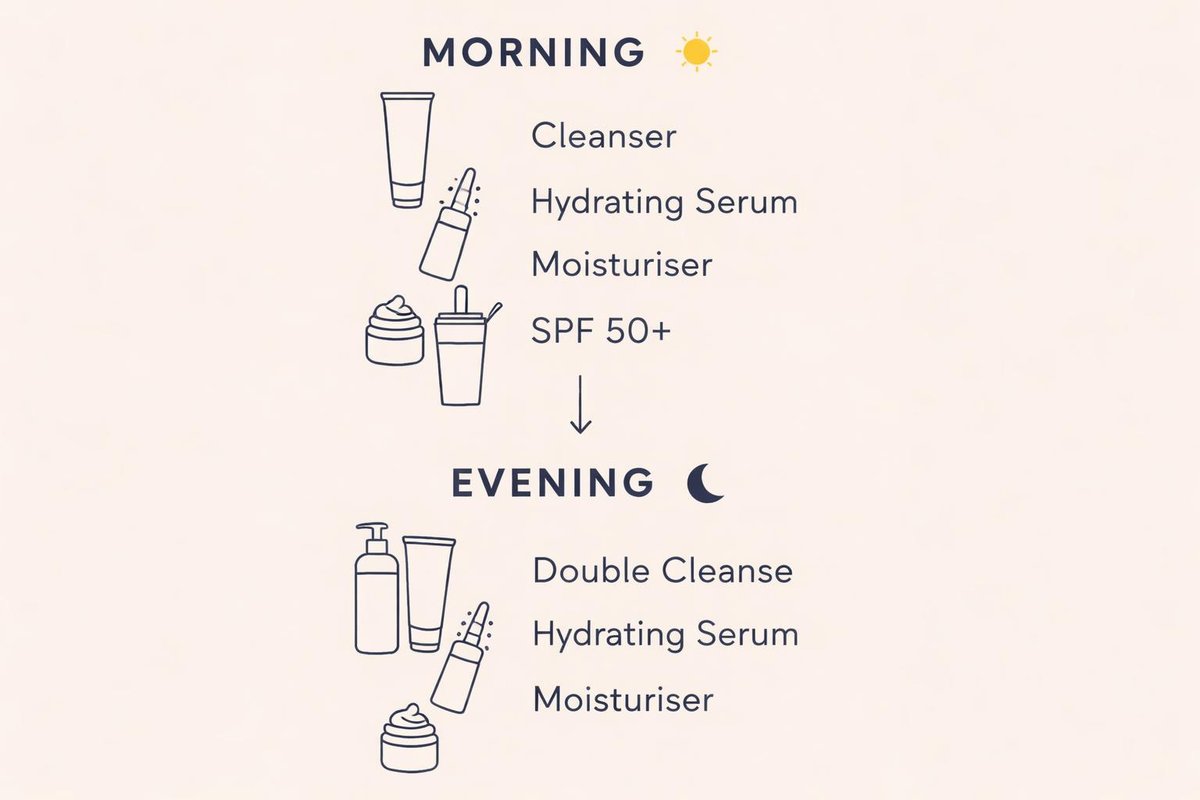
What does an ideal Australian spring skincare routine actually look like?
The answer is refreshingly simple.
Morning Routine
- Gentle cleanser or cleansing gel
- Hydrating serum
- Lightweight moisturiser
- Broad-spectrum SPF 50+
Evening Routine
- Double cleanse if wearing makeup or sunscreen
- Hydration-focused serum
- Moisturiser
- Optional treatment products based on skin type
Weekly Routine
- Exfoliate 1-2 times weekly
- Use gentle exfoliation methods
- Avoid over-exfoliating sensitive skin
- Focus on skin recovery after treatments
The emphasis is no longer on adding more products, but ensuring every product serves a clear purpose.
Common Spring Skincare Mistakes
Even the best skincare routine can be undermined by a few common habits.
Mistake #1: Stopping Moisturiser Entirely
Warmer weather does not mean your skin no longer needs hydration.
Mistake #2: Over-Exfoliating
Trying to brighten dull skin by excessive exfoliation often damages the skin barrier.
Mistake #3: Forgetting Daily SPF
UV levels increase rapidly during spring, even on cloudy days.
Mistake #4: Using Winter Products Too Long
Heavier formulations may contribute to excess oil, congestion, and breakouts.
Mistake #5: Ignoring Your Skin Type
A routine for mature skin may differ significantly from one suited to oily or combination skin.
FAQ: Australian Spring Skincare in 2026
Should I change my skincare routine every season?
Small adjustments are often beneficial. Seasonal change affects oil production, hydration levels and UV exposure, so adapting products can help support skin health.
What is the best spring skincare routine?
A simple routine built around cleanser, serum, moisturiser and SPF is generally recommended by dermatologists for most skin types.
Is exfoliation necessary in spring?
Gentle exfoliation can help remove dead skin cells and improve skin radiance, but overdoing it may damage the moisture barrier.
Do I still need moisturiser if my skin becomes oily?
Yes. Choose a lighter moisturiser or oil-free formula rather than eliminating hydration altogether.
Why is SPF more important during Australian spring?
UV exposure increases significantly as spring progresses, making daily broad-spectrum sunscreen essential for preventing sun damage and supporting long-term skin health.
What Experts Are Seeing
- Dermatologists report increasing cases of skin barrier impairment linked to overly aggressive skincare.
- Australian UV levels often reach high categories during spring months, even before peak summer.
- Skin barrier support, hydration, and SPF remain among the most consistently recommended skincare strategies by leading dermatology organisations worldwide.
- Consumers are increasingly favouring simplified skincare routines over multi-step regimens.
These trends continue to shape skincare advice entering 2026.
Spring Skincare Essentials Checklist
- Gentle cleanser
- Hydrating serum
- Lighter moisturiser
- Broad-spectrum SPF 50+ sunscreen
- Weekly exfoliating treatment
- Barrier-supporting ingredients
- Products suited to your skin type
Saveable Checklist: Use this list as your spring beauty routine shopping guide.
Final Take
Spring is the ideal season to simplify and strengthen your skincare routine.
As the weather warms and humidity rises, your skin doesn't necessarily need more products. Instead, it often benefits from a smarter, more balanced approach focused on hydration, barrier repair, and consistent sunscreen use.
The biggest skincare trend of 2026 isn't a new ingredient or viral product. It's understanding your skin's needs and building a routine that supports healthy and radiant skin throughout the season.
The most effective spring skincare routine is also the simplest: protect your moisture barrier, hydrate thoughtfully, wear SPF every day, and allow your skin to thrive through the transition from winter into Australia's brighter, warmer months.