For years, the image of self-care has been remarkably consistent: a quiet bath, a scented candle, a face mask and some much-needed time alone.
There is nothing wrong with any of those things. Taking time for yourself can be restorative, especially when everyday life feels busy.
But another approach to wellbeing is attracting attention, and it looks a little different.
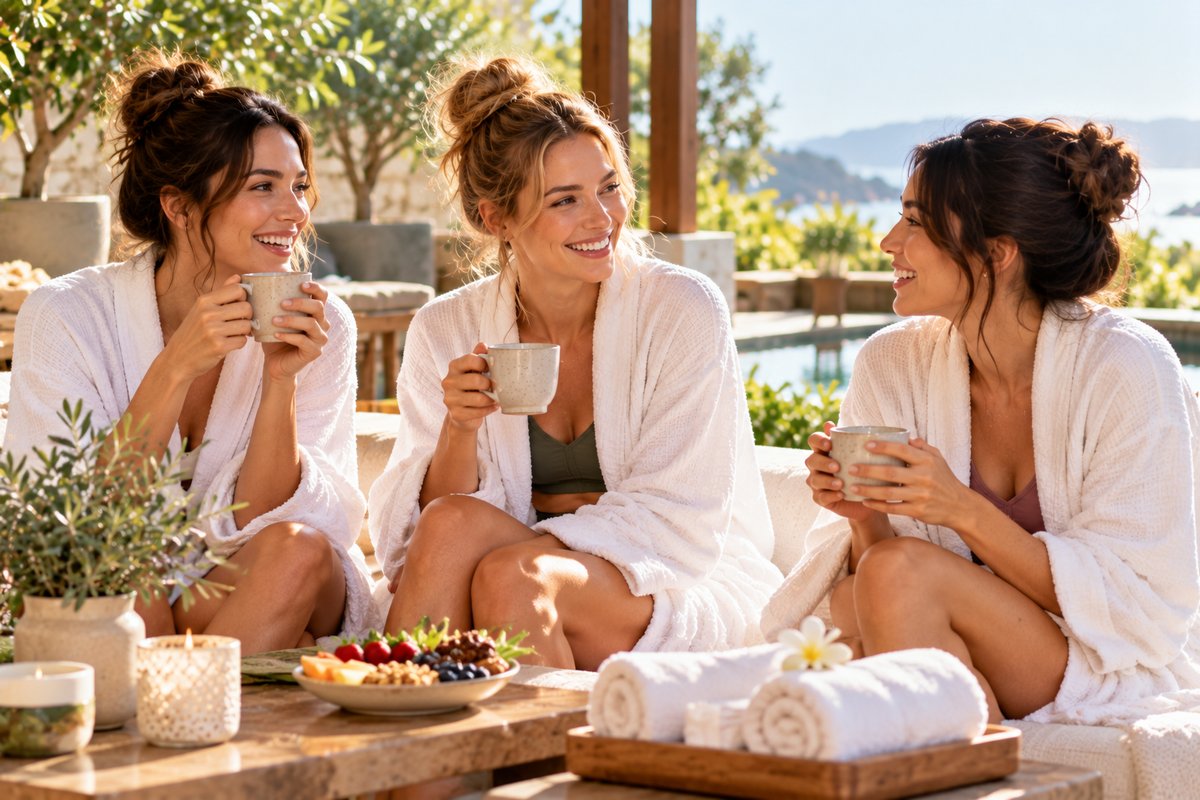
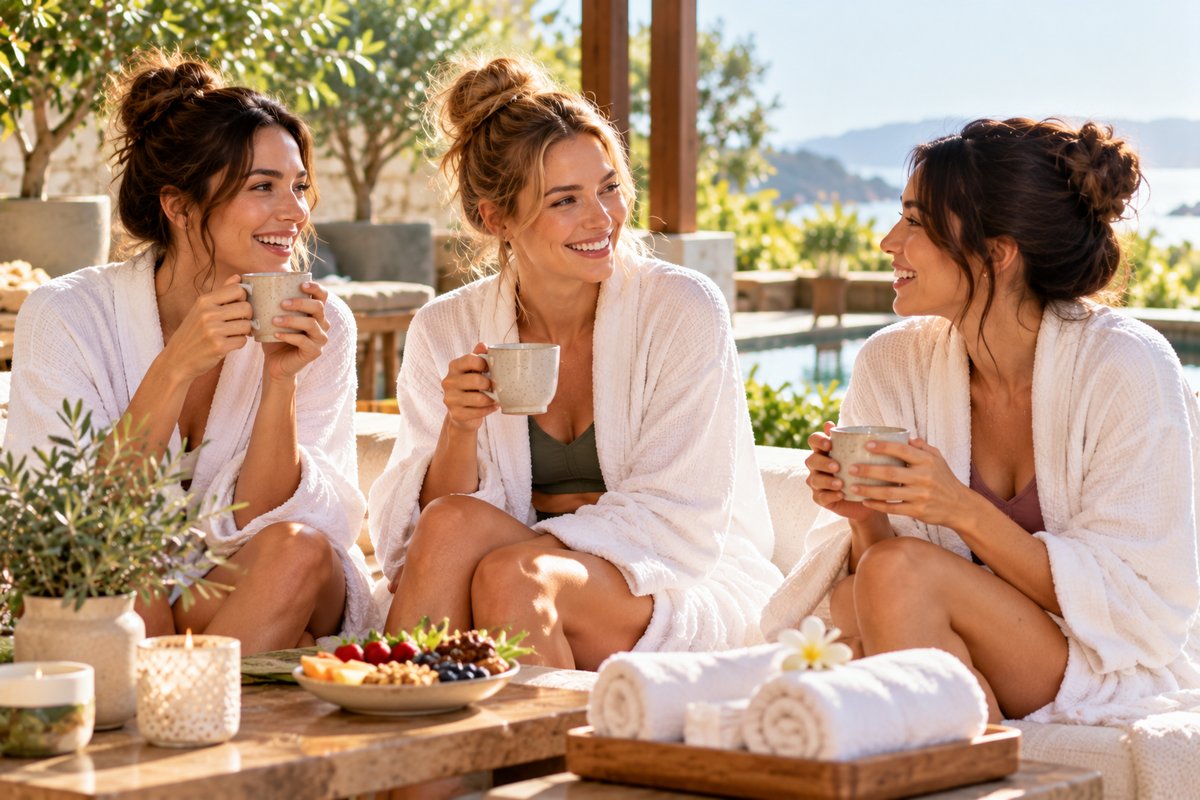
Think morning walks with friends, group Pilates classes, community saunas, creative workshops and wellness retreats built around shared experiences.
Rather than focusing exclusively on individual routines, social wellness brings connection into the conversation.
And it raises an interesting question: could spending meaningful time with other people be one of the most accessible forms of self-care?
What Is Social Wellness?
Social wellness refers to the quality of our relationships, our sense of belonging and the opportunities we have to connect with others.
In the lifestyle and wellness industry, the term is increasingly associated with experiences that combine familiar wellbeing activities with a social element.
A yoga class followed by coffee, for example, offers both movement and an opportunity to connect. A weekend retreat might bring together relaxation, shared meals and conversations with people who have similar interests.
The activities themselves are not necessarily new.
What is changing is the way some wellness businesses are presenting them: not simply as services to improve individual wellbeing, but as opportunities to build community.
Why the Wellness Industry Is Paying Attention
Industry organisation Live Love Spa highlighted social wellness among the themes in its wellness trends report looking ahead to 2028.
The report also identified interest in personalised experiences, recovery and longevity-focused services.
These findings reflect the perspectives gathered through the wellness industry. They should not be interpreted as proof that every consumer is embracing the same trends.
Nevertheless, the emphasis on connection is noteworthy.
Traditional spa and wellness marketing has often celebrated escape from other people. Social wellness suggests that, for some customers, sharing an experience may be part of the attraction.
That could mean attending a retreat with friends, joining a regular movement class or choosing a wellness experience designed to encourage conversation.
The Connection Between Friendship and Wellbeing
Social connection is more than a lifestyle preference.
Supportive relationships can contribute to emotional wellbeing, provide practical assistance during difficult periods and help people feel part of a community.
That does not mean everyone needs a large social circle.
A few close friendships may be more meaningful than a busy calendar filled with acquaintances.
Likewise, social wellness should not be confused with constant socialising.
Some people recharge through conversation and shared activities, while others need more time alone. Many benefit from a combination of both.
The aim is not to fill every spare hour with organised experiences. It is to make room for connections that feel genuine and supportive.
From Solo Spa Days to Shared Experiences
The traditional spa day remains appealing, particularly for people seeking peace and quiet.
But wellness experiences can take many forms.
A shared sauna session, a guided meditation workshop or a small-group retreat may provide a different atmosphere from a private treatment.
For friends who struggle to find time together, a wellness activity can also become an alternative to the usual lunch or shopping trip.
For inspiration, see how Brisbane locals are making winter nights social.
Instead of arranging another dinner, they might book a yoga session, take a coastal walk or spend an afternoon at a bathhouse.
The benefit is not necessarily that one activity is healthier than another.
It is that people can combine something they enjoy with time spent together.
Why Movement-Based Communities Are Appealing
Group fitness has long provided opportunities for social interaction.
Walking clubs, running groups, dance classes and Pilates studios can all offer a regular meeting point for people with shared interests.
For someone who has recently moved to a new area, changed jobs or experienced a major life transition, a recurring activity may also provide a practical way to meet others.
The shared focus can make conversation feel more natural.
There is already something in common, whether that is learning a dance routine, completing a walk or developing a new skill.
Importantly, participation does not have to involve intense exercise.
Gentle movement, beginner-friendly classes and accessible community activities may be more suitable for people with different abilities and preferences.
Social Wellness Does Not Have to Be Expensive
Luxury wellness retreats and boutique fitness studios can be appealing, but they are not the only ways to experience social connection.
Some of the most accessible options are also the simplest.
Fashion Weekly has rounded up low-cost weekend rituals in Brisbane.
A regular walk with a friend costs very little. A local library workshop may offer an opportunity to learn something new. Community gardening, volunteering and neighbourhood activities can create opportunities to meet people.
Even establishing a monthly catch-up with friends can help make connection a regular priority rather than something squeezed into an already busy calendar.
For Australian readers, local councils, community centres and recreation groups can be useful starting points when looking for activities close to home.
The best choice is often something enjoyable, affordable and realistic enough to continue.
The Difference Between Connection and Another Obligation
There is a potential downside to turning every aspect of wellbeing into a scheduled activity.
When wellness becomes another list of things we feel we should be doing, the experience can lose some of its appeal.
A social activity should not create unnecessary pressure to spend money, attend every session or maintain a particular lifestyle.
It is also important to recognise that not every group environment feels welcoming or comfortable.
Finding the right activity may take time, and choosing to leave an unsuitable group is perfectly reasonable.
Meaningful connection is about quality rather than appearances.
Finding Your Own Balance
The appeal of social wellness lies in its flexibility.
Some people may enjoy weekly group classes. Others might prefer occasional retreats or informal gatherings with close friends.
There is also room for traditional solo self-care.
An evening spent reading can be just as valuable to someone who needs quiet time as a group activity is to someone craving company.
The most useful approach is to pay attention to what you need rather than following a particular wellness trend.
Fashion Weekly Tip: Choose one activity you already enjoy and invite someone to join you. Whether it is a morning walk, a creative workshop or a relaxed coffee after Pilates, start with connection that feels natural rather than adding another demanding commitment.
A More Connected Approach to Self-Care
The growing conversation around social wellness offers a reminder that looking after ourselves does not always mean withdrawing from the world.
Rest, independence and personal routines remain important.
But friendship, shared experiences and a sense of belonging can also have a place in a balanced approach to wellbeing.
The future of wellness may involve more choice between individual and shared experiences, rather than treating one as better than the other.
And sometimes, the most rewarding part of a wellness activity is not the treatment, class or destination.
It is the person you share it with.