Retinol is powerful — but it doesn’t suit every skin type. For many, especially those with sensitive skin, the promise of smoother texture and fewer fine lines and wrinkles can come with dryness, redness, or even a lingering risk of irritation.
That’s why more Australians are turning to retinol alternatives — gentler, barrier-supportive ingredients that deliver similar benefits to retinol without the discomfort. Think a radiant complexion, improved skin tone, and softer skin texture — all achieved in a more balanced, skin-first way.
What This Trend Is
The shift toward retinol alternatives for sensitive skin isn’t about giving up results — it’s about achieving them differently.
Instead of fast, sometimes aggressive cell turnover, these ingredients:
- Support gradual skin renewal
- Encourage collagen production
- Help improve the skin health with natural retinol alternatives.
- Work without the irritation
From plant-based retinol alternative options like bakuchiol to barrier-repairing peptide blends, today’s skincare products focus on long-term skin health — not quick fixes.
Why It’s Trending
In Australia’s sun-heavy climate, skin is often more prone to sun sensitivity, making traditional retinoid use harder to tolerate. Add rising awareness around skin barrier damage, and the shift makes sense.
Key reasons this trend is everywhere:
- More people can’t tolerate retinol due to sensitivity
- Increased focus on gentler alternatives
- Demand for routines that protect your skin by using natural retinol alternatives that are gentle.
- A beauty shift toward radiant, hydrated, effortless skin
It’s a natural evolution of beauty trends 2026 — where glow comes from consistency, not intensity.
Benefits for Your Skin
Switching to the best retinol alternatives can transform your skin in a quieter, more sustainable way.
Here’s what you can expect:
- Improved skin tone without irritation
- Reduced hyperpigmentation and dark spots
- Smoother, softer texture
- Boosted collagen and elastin support
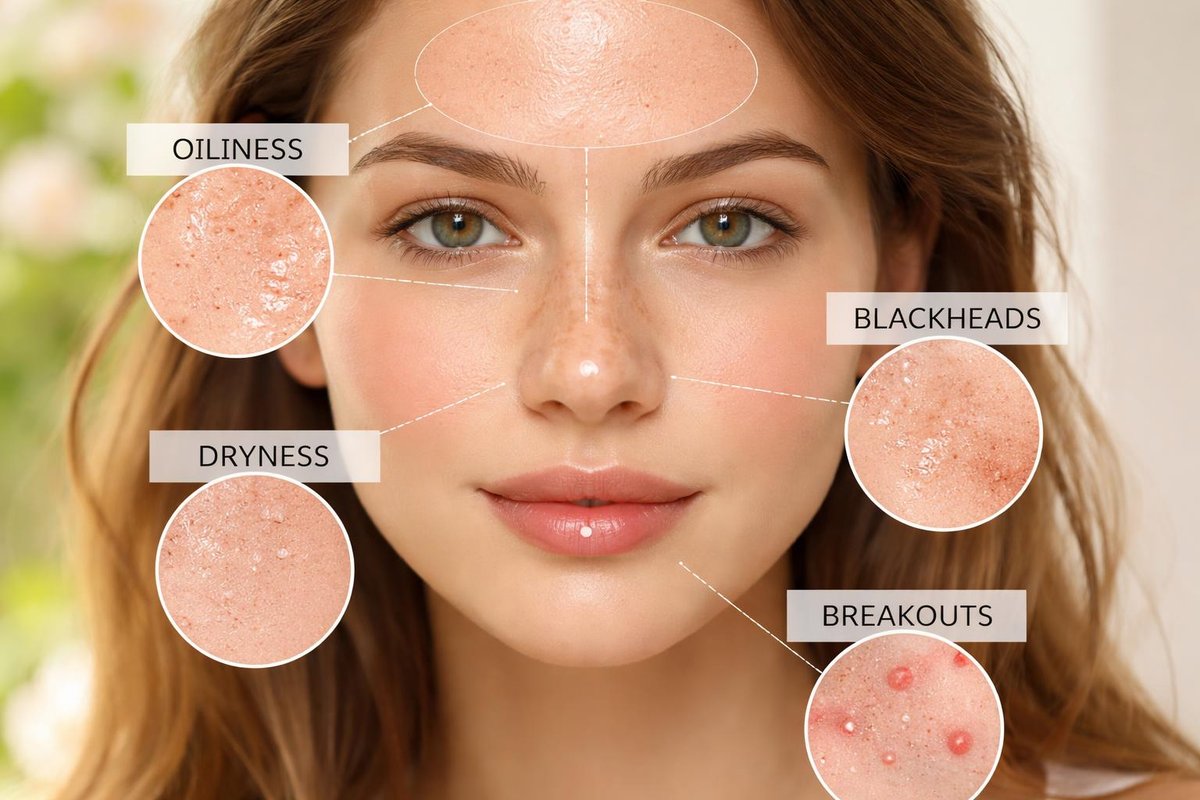
- Less breakout and reduced acne flare-ups
- A healthier skin barrier that can better hydrate and soothe
These ingredients deliver benefits without the irritation, which often leads to more consistent results over time.
Why Some Skin Doesn’t Tolerate Retinol
Retinol works by accelerating cell turnover — but this process can strip the skin faster than it can replenish.
For people with sensitive skin types or compromised barriers, this may:
- Lead to irritation and peeling if the products are not suitable for sensitive skin.
- Increase redness or sensitivity
- Trigger breakouts
- Heighten risk of UV damage
If your skin feels tight, reactive, or inflamed, it may be a sign you don’t tolerate retinol well — and it’s worth exploring a natural alternative to retinol.
The Alternatives (Bakuchiol, Peptides, Retinal Ladder)
Bakuchiol: The Plant-Based Glow Hero
Bakuchiol is the most talked-about plant-based retinol right now — and for good reason. It works similarly to retinol by:
- Smoothing fine lines and wrinkles
- Improving uneven skin tone
- Supporting collagen production
But unlike retinol, it’s gentler, rich in antioxidant properties, and suitable for people with sensitive skin.
Why it works: It delivers similar benefits while helping reduce redness and calm inflammation.
Peptides: The Skin Strengtheners
A peptide serum is less dramatic — but incredibly effective over time.
Peptides help:
- Strengthen the skin
- Support collagen and elastin
- Improve skin texture and elasticity
They’re ideal for mature skin or anyone looking to reduce lines and wrinkles without risking irritation.
The Retinal Ladder: A Smarter Vitamin A Approach
If you still want to use retinol-adjacent ingredients, consider retinal.
The “retinal ladder” approach:
- Starts at a low-strength retinoid
- Slowly increases over time
- Helps skin adjust gradually
This reduces the risk of irritation while still delivering visible results.
How to Introduce Them Slowly
Even the most gentler alternatives need careful introduction into your skincare routine. Follow this simple method:
- Start 2–3 nights per week
- Pair with hyaluronic acid to deeply hydrate
- Use a nourishing moisturiser to nourish and support your skin barrier
- Always apply SPF — especially if your skin is sensitive
Consistency will help improve skin cells over time — no harsh resets needed.
What Not to Combine (Important Safety Signal)
Layering too many actives can quickly lead to irritation — even with the best retinol alternative.
Avoid combining:
- Strong acid exfoliants with retinal in the same routine
- High-strength vitamin C if your skin is already reactive
- Multiple actives targeting dead skin cells at once
Instead:
- Keep routines simple
- Focus on one active at a time
- Support with calming, rich in antioxidants formulas
This approach helps prevent free radical damage while maintaining a healthy glow.
How to Achieve It
For a modern, glow-first skincare routine Australia approach:
Morning
- Gentle cleanser
- Vitamin C serum (if tolerated) to brighten and protect
- Hydrating layer with hyaluronic acid
- Moisturiser
- SPF
Evening
- Cleanser
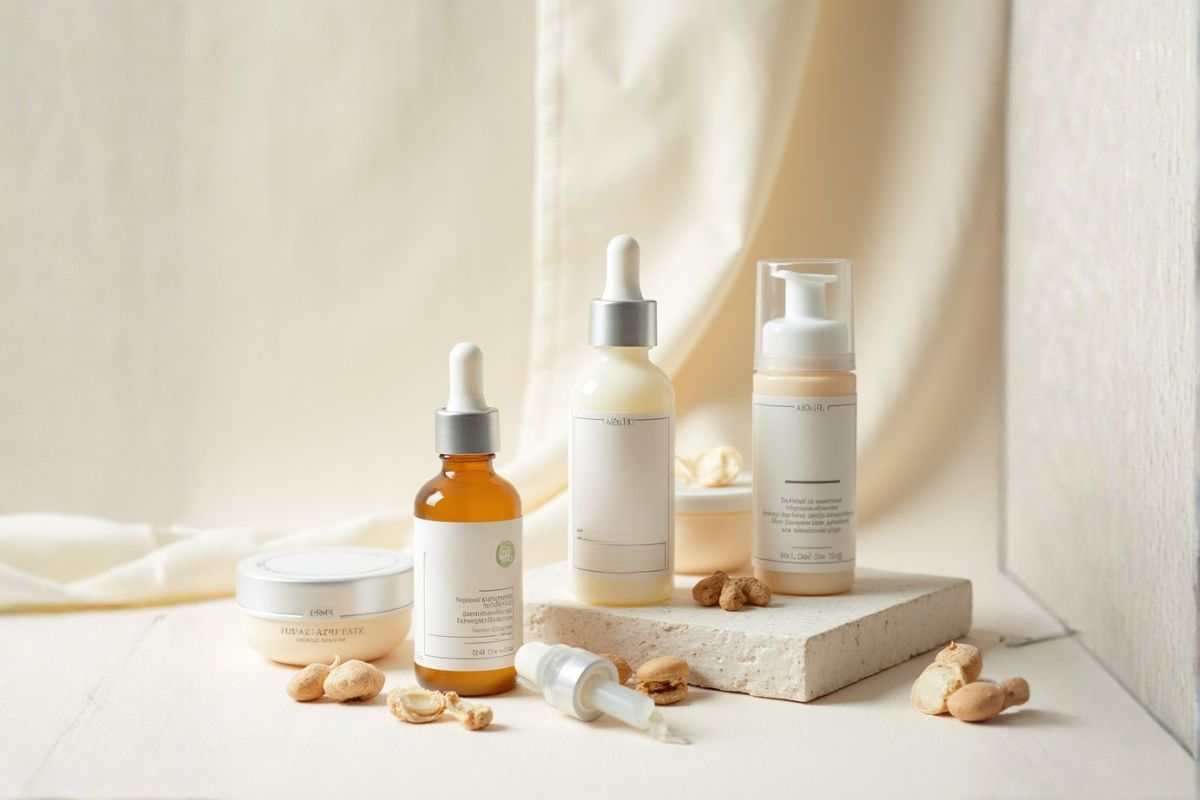
- One active (bakuchiol or peptide-based formula)
- Moisturiser
Optional:
- Introduce retinal slowly if your skin adapts well
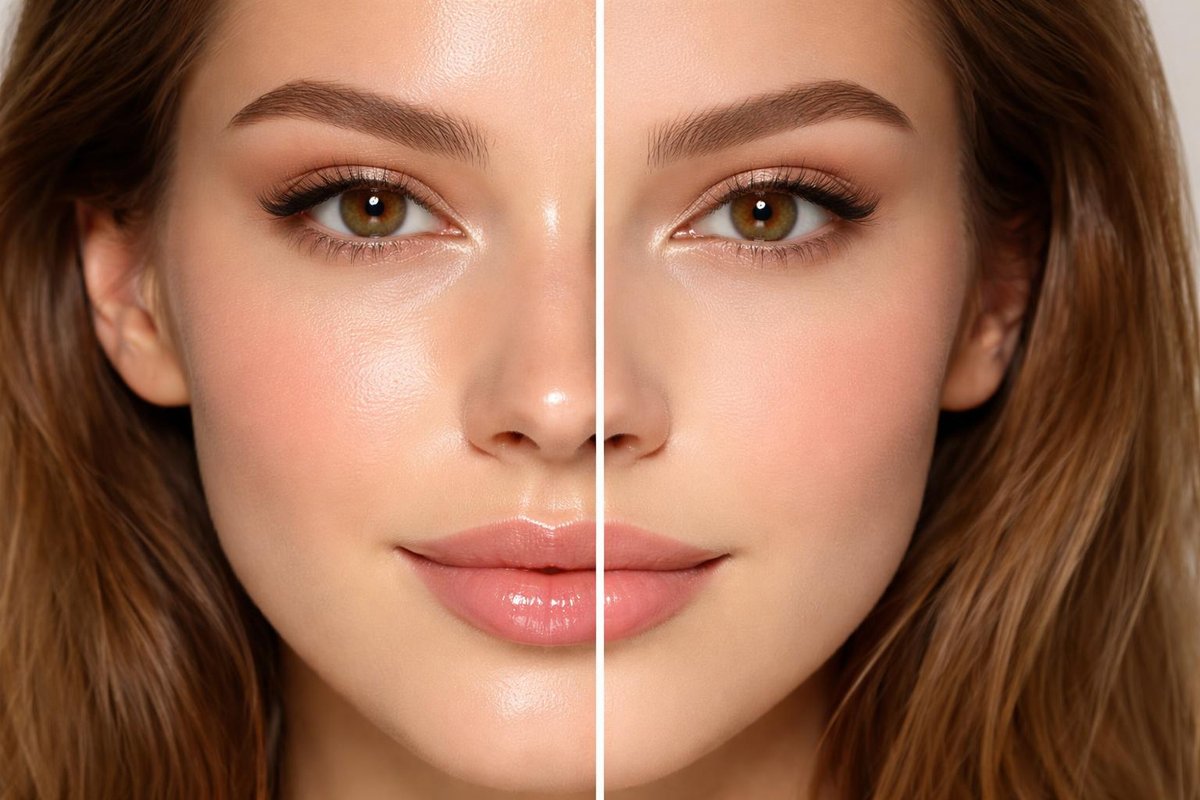
The result? A smooth, luminous, radiant complexion that feels as healthy as it looks.
Tips & Variations
- Sensitive skin: Stick to retinol alternatives for sensitive skin like bakuchiol
- Acne-prone skin: Add azelaic acid to calm inflammation and target breakouts
- Pregnancy-safe: Choose a plant-based retinol alternative (always confirm with your provider)
- Minimal routines: Look for hybrid formulas that combine peptide + hydration
The Takeaway
Retinol still works — but it’s not the only path to great skin.
Today’s alternatives to retinol offer a fresher, more balanced approach: one that supports your skin rather than pushing it too far. The result is healthier, more resilient skin — and a glow that feels effortless.
Because real radiance comes from routines that your skin can actually sustain.
Stay glowing,
Maya