

In 2025, relationship anarchy is becoming a meaningful way for Millennials and Gen Z to navigate love and intimacy. Moving beyond rigid labels and expectations, this philosophy encourages human connection that is intentional, flexible, and deeply personal. For those exploring alternative ways to define love, it’s a framework that values autonomy, consent, and individuality over conformity.
Understanding Relationship Anarchy
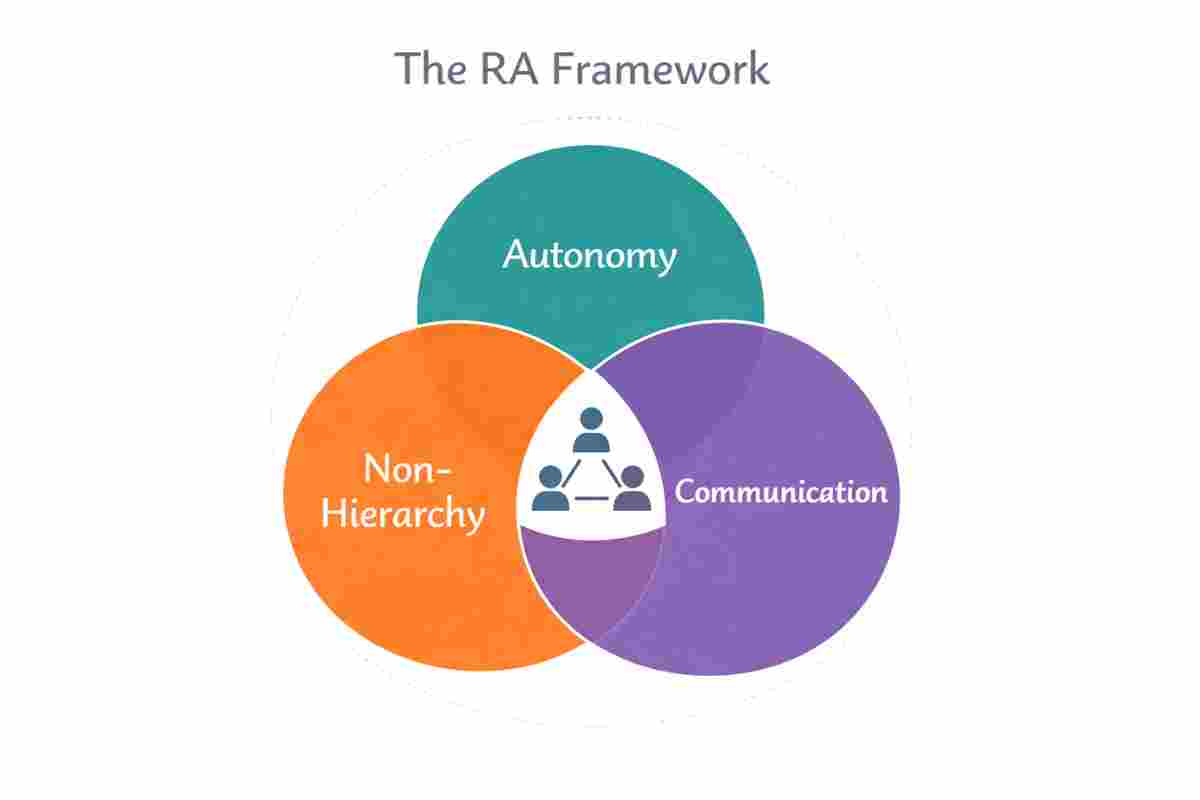
Relationship anarchy is more than a trend—it’s a mindset that invites us to reject traditional relationship models and embrace the kinds of relationships that truly enrich our lives.
Definition and Origins
The term ‘relationship anarchy’ was coined by Andie Nordgren in 2006, a Swedish thinker who challenged the default prioritization of romantic relationships over other bonds. Relationship anarchy means creating connections that suit the needs and desires of all involved parties, without hierarchy or pre-set roles.
The Role of Queer Communities
Queer communities have long practiced anti-hierarchy and mutual aid, fostering inclusive approaches to love and intimacy. RA encourages younger generations to define and navigate bonds—platonic, romantic, sexual, or otherwise—based on emotional energy, consent, and shared values rather than societal expectations.
Core Principles of Relationship Anarchy
At its heart, RA is about autonomy and individuality over conformity, with principles that include:
- Resisting traditional relationship models and societal hierarchies
- Prioritizing consent, communication, and mutual respect
- Fostering bonds that suit the individuals involved rather than following routine or cultural scripts
- Celebrating both romantic relationships and platonic bonds equally
The Nature of Connection for Millennials and Gen Z
Shifting Perspectives on Love and Intimacy
For Millennials and Gen Z, the nature of connection often prioritises emotional fulfilment over labels. Many are exploring alternative relationship structures, including polyamory, non-monogamous arrangements, and fluid partnerships, challenging the assumption that monogamy is inherently superior.
Rejecting Traditional Relationship Hierarchies
Relationship anarchists actively reject the hierarchy that places romantic partners above friends or community ties. By doing so, they foster inclusive networks of support where friendships, mentorships, and communal bonds can be as central as lovers and companions.
Autonomy and Individuality in Modern Love
Maintaining individuality is key. RA encourages single people, couples, and non-binary individuals alike to balance connection with independence. This focus on selfhood helps foster meaningful connections while respecting the autonomy of all involved parties.
Practicing Relationship Anarchy
Collaborative and Fun Approaches to Dating
RA invites a collaborative and fun approach to dating. Instead of adhering to routines or traditional expectations, you co-create agreements with partners that work for everyone. This might include:
- Openly discussing boundaries and needs
- Sharing emotional energy intentionally
- Finding unique ways to explore intimacy
Exploring Non-Monogamous Structures
Non-monogamy is a core aspect of RA for many, encompassing polyamory, open relationships, and fluid arrangements. By focusing on communication and consent, these structures challenge jealousy, scarcity, and the prioritisation of one relationship over another.
Utilising Apps like Feeld for Connection

Digital tools are increasingly part of how younger generations experiment with RA. Feeld, a dating app, allows users to connect in a communal way, whether for romantic or platonic bonds. According to Feeld’s State of Dating Report, members are embracing alternative relationship structures and exploring unique ways to define relationship status. RA can even guide interactions with non-Feeld members, ensuring clarity and consent remain central.
Connection as an Antidote to Loneliness Epidemic
Profit Over Meaningful Connection in the Digital Age
The modern dating landscape often prioritises profit over meaningful connection, with apps gamifying romance and commodifying intimacy. Relationship anarchists resist this, using RA to foster human connection that combats the loneliness epidemic while honouring emotional needs.

Building Meaningful Relationships Beyond Norms
By rejecting hierarchy and routine, RA allows involved parties to co-create bonds that truly enrich their lives, whether romantic, platonic, or sexual. It emphasises autonomy, honesty, and collaboration, showing that love and connection don’t need to follow traditional patterns to be fulfilling.
The Influence of AI on Relationship Dynamics
Redefining Relationships in a Modern Context
AI is reshaping dating and connection, from algorithmic matchmaking to digital companionship. For RA practitioners, these tools are opportunities rather than replacements, helping people explore intimacy and connection thoughtfully, while maintaining agency and consent.
Insights from Anarchist Perspectives
Drawing from anarchist philosophy, RA emphasizes anti-hierarchy and mutual aid, encouraging bonds that are equitable and consensual. It’s a reminder that healthy relationship dynamics require ongoing negotiation and attention to everyone’s emotional energy.
The Impact of Andie Nordgren on Relationship Discourse
Andie Nordgren in 2006 challenged us to rethink the hierarchy inherent in romantic relationships. Her work laid the foundation for inclusive practices in modern love, giving Millennials and Gen Z tools to define long-term relationships and bonds that suit them.
Future Trends in Relationship Structures

Looking ahead, relationship anarchists and the philosophy of RA are likely to influence broader societal trends:
- Blended approaches to intimacy, integrating romantic, platonic, and communal bonds
- Increasing acceptance of non-monogamous and polyamorous arrangements
- Continued engagement with dating apps and AI for intentional connection
- A focus on autonomy, individuality, and emotional literacy in creating relationships
For Millennials and Gen Z, relationship anarchy isn’t just a philosophy—it’s an antidote to traditional relationship constraints, offering a pathway to authentic, joyful, and self-defined connection in 2025 and beyond.