
The COVID-19 pandemic and the shift to remote work in Australia reshaped relationships in several unexpectedly positive ways, deepening connections and prompting more intentional interactions. Here’s how these changes positively influenced relationships:
1. Increased Quality Time at Home
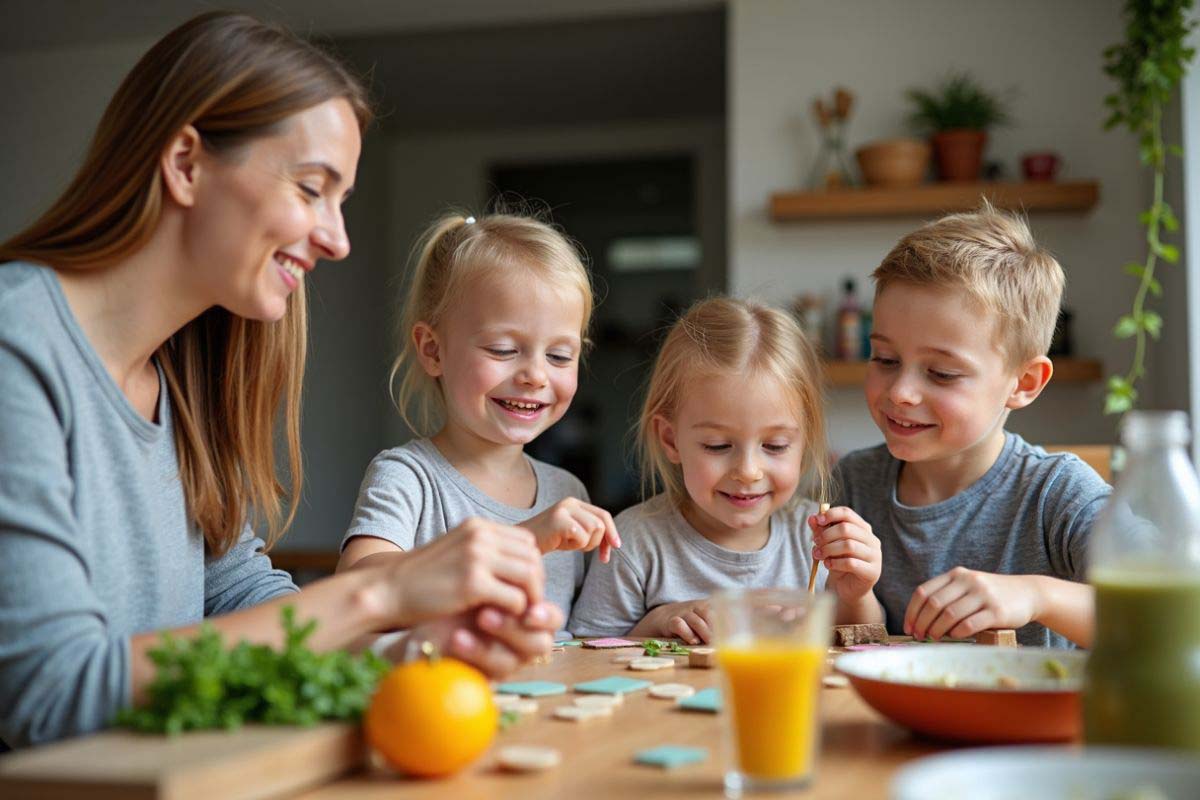
- Strengthened Family Bonds: As many Australians found themselves working from home, families spent more time together than before. Without the need to commute, mornings and evenings became opportunities for shared meals, family activities, and household tasks. This increase in quality time allowed families to bond and engage in meaningful conversations, helping members feel more connected and valued.
- Parental Involvement: For parents, the ability to work from home enabled them to be more present in their children’s daily lives. Many parents could participate more actively in their children's routines—helping with school-work, sharing lunch breaks, and having a hands-on role in their development. This closer involvement strengthened the parent-child relationship and fostered a stronger family unit.

2. Stronger Partner Connections
- Greater Appreciation for Partner Roles: With couples working side by side or sharing home office space, many Australians gained a deeper understanding of their partner’s work life and daily stresses. Seeing each other in a professional capacity increased empathy and appreciation for each other’s roles and challenges, leading to more supportive dynamics and mutual respect.
- Shared Daily Routines: Sharing the same space throughout the day brought partners closer together. From enjoying coffee breaks to cooking lunch, couples had more opportunities to engage in small daily routines that are often overlooked when both are working outside the home. These moments nurtured intimacy and fostered a sense of unity as they navigated the work-from-home landscape together.
- Focused Communication: Being home more often led many couples to reevaluate their communication patterns. With the increased stress of external circumstances, some couples became more intentional about checking in with each other, sharing their feelings, and resolving conflicts in healthier ways. This shift toward open and honest communication fostered a more emotionally supportive partnership.

3. Reconnecting with Extended Family and Friends
- Virtual Family Gatherings and Reunions: For families and friends who couldn’t meet in person, video calls and virtual gatherings became a regular part of life. Australians used Zoom, Face Time, and other platforms to host virtual family dinners, birthday celebrations, and reunions, keeping connections alive across distances. Many people reported staying in touch with distant relatives and friends more consistently than before the pandemic, which strengthened ties despite physical separation.
- Support Networks and Community Groups: With the challenges brought on by COVID-19, many Australians leaned on extended family and friend networks for emotional support. Community groups on social media allowed neighbours to stay connected, check in on each other, and provide practical support, such as meal deliveries or grocery runs for those in isolation. This sense of community support encouraged stronger neighbourhood relationships, helping people feel supported and connected during uncertain times.
4. Rediscovery of Hobbies and Interests Together
- Couples and Families Exploring Shared Hobbies: With more time at home, many couples and families explored shared hobbies such as cooking, gardening, home workouts, or playing games. Engaging in these activities allowed them to connect on new levels and create shared memories. For couples, cooking or working out together fostered teamwork and added an element of fun to daily life, while family activities helped everyone unwind and reconnect.
- Support for Personal Development: Remote work allowed individuals to focus on personal growth, which translated into healthier relationships. People could pursue new interests, develop healthier habits, and focus on self-care. As a result, they felt more fulfilled and balanced, allowing them to show up as more supportive and engaged partners, family members, and friends.
5. Rise in “Micro Celebrations” and Intentional Gatherings

- Celebrating Small Wins: With the traditional celebratory events scaled down, people embraced the idea of “micro-celebrations” at home. Couples and families marked achievements—whether a work milestone, a child’s school accomplishment, or simply making it through another challenging week—with small, thoughtful gatherings. These celebrations brought people closer, allowing them to find joy and gratitude in everyday life.
- Intentional Friend Gatherings: As restrictions eased, people approached social gatherings with a newfound sense of purpose, often focusing on smaller, more meaningful meet-ups with close friends and family. Rather than casual large gatherings, Australians were more intentional about who they spent time with, often opting for quality time with a select few. This shift fostered deeper friendships and more intimate connections.
6. Shift Toward a More Balanced Work-Life Perspective
- Work-Life Balance: The flexibility of working from home prompted Australians to redefine work-life balance. By setting boundaries and carving out time for personal relationships, many people reported feeling more satisfied with their work and home lives. This balance reduced stress and allowed people to feel more present with their loved ones, improving their overall quality of life and relationship satisfaction.
- Re-evaluation of Life Priorities: The pandemic led many Australians to reassess their priorities and make changes that better aligned with their values. As a result, some chose to reduce their work hours, relocate closer to family, or pursue roles that allowed more flexibility. These choices, motivated by a desire for meaningful connections and fulfilling relationships, brought greater contentment and harmony into their personal lives.

7. Strengthened Sense of Empathy and Compassion
- Shared Experiences: The collective experience of navigating a pandemic and adapting to new lifestyles created a sense of empathy and solidarity among Australians. This shared understanding extended to relationships, with people feeling more compassionate toward each other’s challenges. This empathy fostered more supportive interactions, making friends, family, and neighbours feel more connected and valued.
- Supportive Mental Health Conversations: The pandemic also normalised conversations around mental health and self-care, helping people better understand and support one another. Family members, friends, and partners became more open to checking in on each other’s mental health, encouraging a culture of support that strengthened relationships and improved emotional well-being.
In summary, the challenges of COVID-19 and the rise of remote work encouraged Australians to build closer, more intentional connections. The increased time spent at home allowed families to bond, couples to grow closer, and friends to deepen their friendships, laying a foundation for stronger, more supportive relationships well beyond the pandemic.