

Once upon a time, romance required coincidence. Now it requires Wi-Fi. In the aftermath of the covid-19 pandemic and months of lockdown, dating migrated almost entirely to a screen. What began as a clever solution during the pandemic has quietly evolved into something heavier: digital fatigue.
Between working from home, answering every email, sitting through zoom meetings, checking slack, and then opening a dating app at night, many of us are experiencing a subtle but persistent state of mental exhaustion. The blur between online and offline life has never been more pronounced—and our wellbeing is feeling the impact.
Understanding Digital Fatigue
What Is Digital Fatigue?
Digital fatigue is a form of mental exhaustion caused by prolonged screen time and constant device usage. It’s the cognitive drain that settles in after hours of looking at a screen, the feeling overwhelmed sensation that creeps up after doom-scrolling social media sites, and the unmotivated slump following back-to-back video calls.
This isn’t mere tiredness. It’s a state of mental exhaustion that can affect mental clarity, productivity, and emotional well-being. Fatigue can lead to irritability, difficulty concentrating, and a growing sense of overwhelm that makes even simple decisions feel heavy.
How Screen Time Affects Mental Health
Daily screen time has steadily increased since the covid-19 pandemic reshaped our routines. Video conferencing replaced conference rooms. Webinars replaced gatherings. Zoom calls replaced coffee dates. Even dating became another platform demanding our engagement.
Spending too much time on screens—whether for work, binge-watching, instant messaging, or social media and news—can have a negative impact on mental health. Information overload keeps the brain in a reactive state. Constant notifications divert your attention. Multitask long enough, and your cognitive resources begin to drain.
The result? Mental exhaustion disguised as “just being busy.”
The Role of Devices in Modern Dating
Today’s romance unfolds through digital tools. A swipe, a scroll, a clever line delivered through an app. While technology has expanded our dating pool, it has also increased our emotional labor. Every new match is another micro-meeting. Every unread message sits like a pending task.
When your device becomes both office and matchmaker, boundaries quietly disappear.
The Impact of Online Dating Platforms
How Apps Contribute to Digital Fatigue
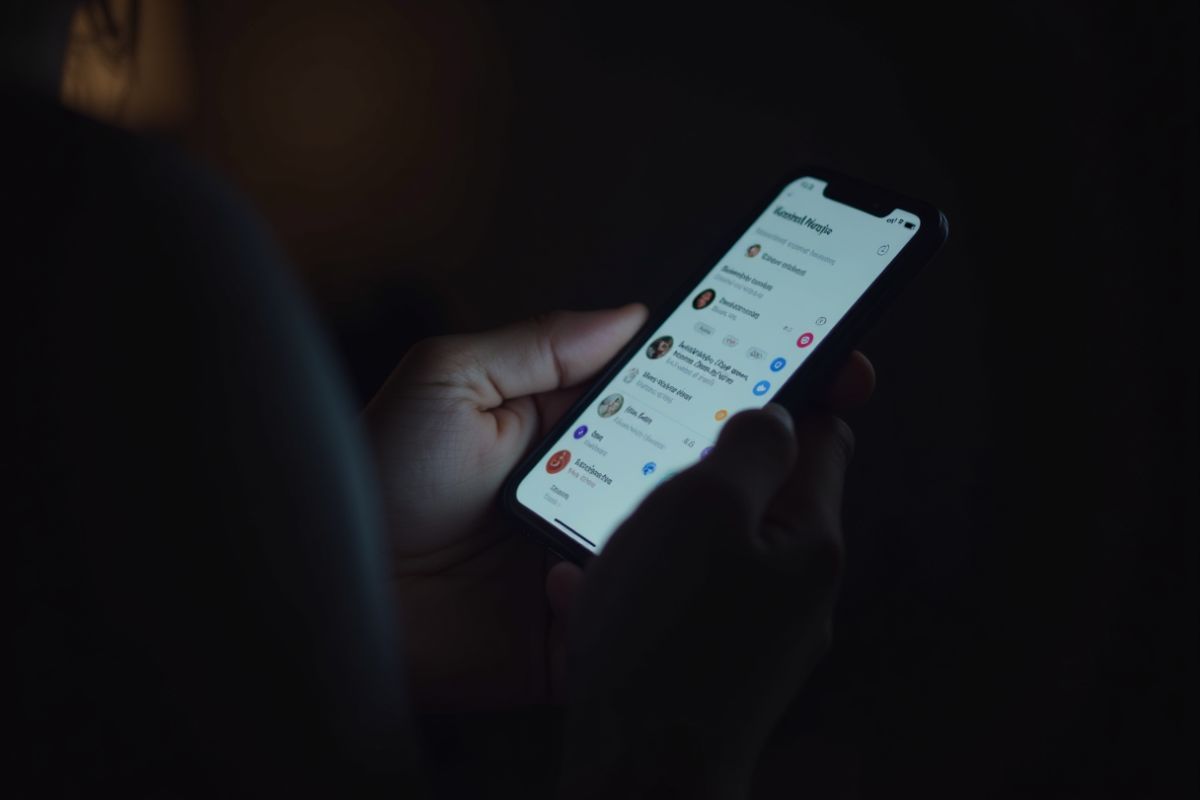
Dating apps are designed for engagement. The scroll is endless. The dopamine hits are unpredictable. You consciously tell yourself “five minutes,” and suddenly 40 minutes per day has vanished into profiles and polite small talk.
This habit, repeated nightly, can create a steady cognitive drain. Decision-making fatigue sets in. You compare endlessly. You navigate conversations with strangers while still processing the last one. It becomes less about connection and more about consumption.
Over time, zoom fatigue or technology fatigue doesn’t just apply to work—it extends to dating too.
Zoom Fatigue and Virtual Dating
Zoom fatigue is now a familiar phrase. Staring into a camera during a video conference or a string of zoom meetings requires sustained focus. You monitor your posture, your expression, your lighting. You engage while simultaneously watching yourself engage.
Virtual dating replicates this exact dynamic. A video call after a full day of video conferencing can feel like overtime for your nervous system. Your brain doesn’t differentiate between employer check-ins and romantic interviews—it simply registers more effort.

Maintaining Genuine Connections in a Digital World
Strategies to Manage Screen Time
To combat digital fatigue, begin with awareness. Notice how you feel after prolonged screen usage. Energized—or depleted? Curious—or drained?
Set limits that feel manageable. Perhaps cap dating app activity to certain minutes per day. Disable non-essential notifications. Take breaks every hour and step away from your desk. Even brief physical activity can reset your mental clarity.
Small changes, practiced consistently, are surprisingly sustainable.
Setting Boundaries with Dating Apps
Boundaries are not restrictive—they are protective. Create an intentional schedule for dating rather than opening an app whenever boredom strikes. One thing at a time: if you’re chatting with someone promising, pause the scroll elsewhere.
This mindful approach reduces overwhelm and supports emotional well-being. It also shifts dating from reactive to intentional.
Scheduling Time Away from Screens
Time away is non-negotiable. Disconnect in the evenings. Leave your phone in another room. Go for a walk without checking social media sites. Give your eyes a break from the stare of blue light.
These pauses allow your brain to recharge and alleviate the steady drain of constant connectivity. Resilience grows in moments of stillness, not stimulation.
Incorporating Recharge Time into Your Routine
Well-being requires conscious maintenance. Incorporate mindfulness practices into your day—breathing exercises, journaling, or simply sitting quietly away from your desk. The goal is not perfection; it is rhythm.
When recharge time becomes a habit, digital fatigue becomes easier to manage.
Balancing Online and Offline Connections
Transitioning from Virtual Meetings to In-Person Dates
If a conversation flows, suggest an in-person meeting sooner rather than later. Extended messaging can create false intimacy and prolong screen dependency. Chemistry is best assessed offline, where energy isn’t filtered through Wi-Fi.
An in-person gathering restores nuance—body language, subtle timing, shared atmosphere. It reminds you that connection is physical as well as digital.
The Importance of Mindful Engagement
Mindful engagement means choosing depth over volume. Rather than juggling multiple chats while responding to email and slack, give someone your full attention. Avoid multitask mode during dates, even virtual ones.
When you consciously limit distractions, conversations become richer—and far less exhausting.

Creating a Healthy Dating Schedule
A healthy dating schedule protects both productivity and emotional well-being. Perhaps you designate two evenings per week for app engagement, with built-in time away afterward. Perhaps weekends are reserved for offline connection.
The aim is balance. Digital tools can enhance our lives, but only when we navigate them thoughtfully. Without boundaries, digital fatigue can quietly accumulate. With structure, dating becomes manageable, even joyful.
In an age shaped by platforms and pixels, true luxury is not constant connection—it is clarity. Protect your mental health. Take breaks. Step outside. And remember: romance should expand your world, not confine it to a screen.