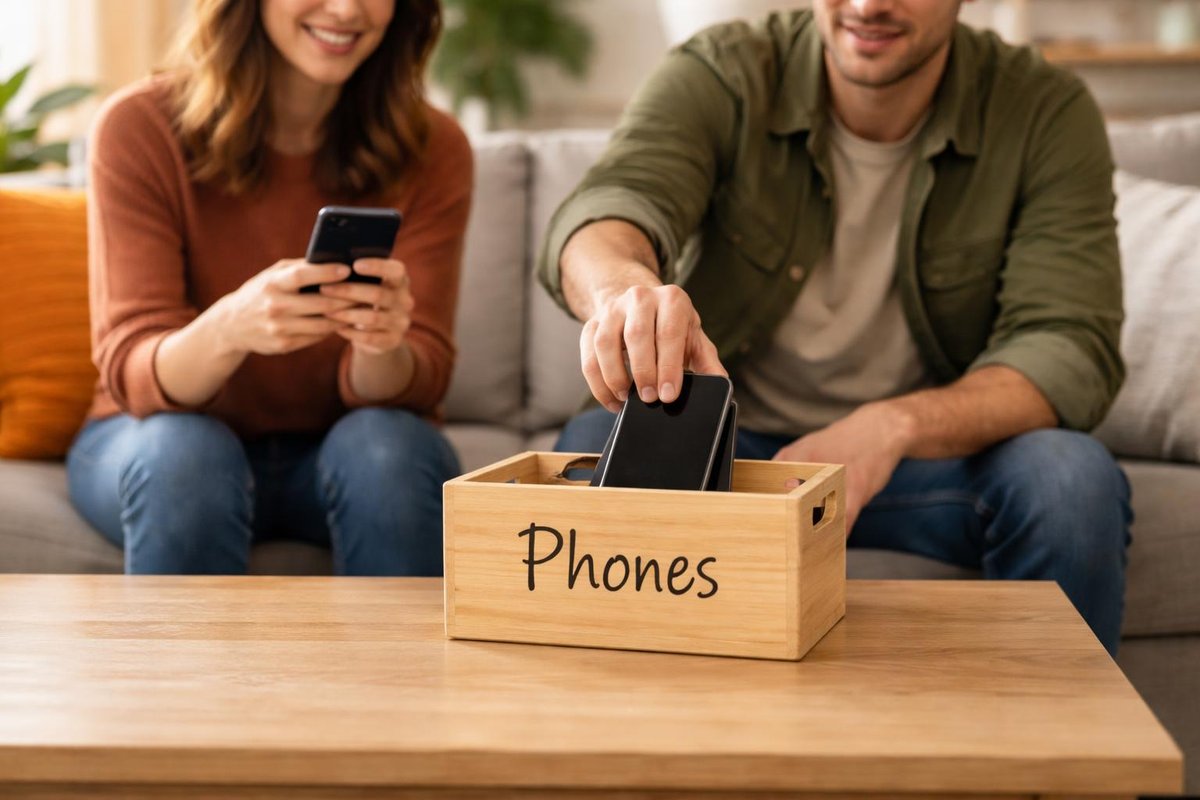

Let’s be honest… learning how to set boundaries isn’t exactly something we were taught growing up. Most of us picked up the habit of saying “yes” when we meant “no,” then wondering why we feel overwhelmed, resentful, or just… off.
Here’s the truth no one talks about: boundaries aren’t about pushing people away. They’re about taking control of your life, protecting your energy, and building good relationships that actually feel safe.
And the good news? You don’t have to sound harsh, defensive, or cold to do it.
What’s Happening: The New Era of Boundary Setting
In today’s world—where we’re constantly online, always reachable, and navigating everything from situationships to workplace burnout—boundary setting has become a core life skill.
People are starting to think about boundaries differently:
- Not as rejection, but as clarity
- Not as conflict, but as communication
- Not as rigid limits, but as healthy boundaries
This shift is shaping modern love and connection. In fact, one of the biggest dating trends 2026 is emotional clarity—people want honesty over guessing games.
Because real talk? A healthy relationship can’t exist without clear boundaries.
Why It Matters (More Than You Think)
When you don’t set boundaries, you end up:
- Saying yes when you need to take a break
- Feeling bad for having basic needs and wants
- Letting people overstep your boundaries
- Building quiet resentment in your personal relationships
That’s where things get messy.
On the flip side, setting healthy boundaries helps you:
- Protect your personal space and time boundaries
- Feel less overwhelmed and more grounded
- Build stronger boundaries in relationships
- Communicate your needs without guilt
Because here’s the key truth:
Boundaries are important because boundaries are limits—and those limits protect your peace.
What You Should Do: A Guide to Setting Boundaries (Without the Drama)
Let’s make this practical. Here’s your no-fluff guide to setting better boundaries in real life.
1. Start Small (Yes, Really)
You don’t need to flip your whole personality overnight. Start with small boundaries.
- “I’m going to take a break tonight.”
- “I can’t commit to that this week.”
This is the first step to setting boundaries—simple, doable, and real.
2. Use Clear, Calm Language
You don’t need a speech. You just need clarity.
Try:
- “I’m not comfortable with that.”
- “That doesn’t work for me.”
- “I’d prefer something different.”
This is what being assertive actually looks like. Not aggressive. Not apologetic. Just clear. And remember: you don’t need to justify every decision.
3. Match Your Boundaries to the Situation
Different moments require different boundaries:
- Emotional boundaries → “I can’t have this conversation right now.”
- Time boundaries → “I’m offline after work hours.”
- Physical boundaries → respecting your personal space
- Financial boundaries → saying no to lending money
- Sexual boundaries → expressing comfort and consent clearly
Understanding the types of boundaries in relationships helps you respond intentionally instead of reacting emotionally.
4. Practice Scripts for Real-Life Scenarios
Here’s how to set a boundary without overthinking:
Dating / Romantic Relationships
“I like spending time with you, but I want to take things slower.”
Friendships
“I don’t have the energy for that today, let’s plan another time.”
Boundaries with Family
“I’d rather not discuss that topic—it makes me uncomfortable.”
Boundaries at Work
“I can help, but I’ll need to prioritise my current workload first.” → You’re not rejecting people. You’re creating boundaries that protect your well-being.
5. Say It Out Loud (Even If It Feels Weird)
At first, it will feel uncomfortable. That’s normal.
But practice setting boundaries anyway.
Say it out loud. Keep it simple.
Confidence doesn’t come before action—it comes from it.
What to Say When Someone Pushes Back
Here’s where most people hesitate: when someone doesn’t respect your boundaries immediately.
If someone tries to challenge you:
- “I understand, but this is still my decision.”
- “I hear you, and I need you to respect your boundaries.”
- “That boundary has been crossed, and I need to reset this.”
No over-explaining. No debating.
Just calm, consistent boundary enforcement.
Because if you don’t enforce boundaries, they don’t really exist.
The Mistake People Keep Making
Let me say this gently—but clearly: The biggest mistake in setting boundaries in relationships is over-explaining. When you explain too much, you:
- Invite negotiation
- Weakens your boundary
- End up feeling even more overwhelmed
Here’s your reminder:
- You don’t need a full backstory
- You don’t need approval
- You don’t need to convince anyone
Healthy boundaries are about clarity, not permission.
Conclusion: The Energy of Better Boundaries
Learning how to set boundaries isn’t about becoming distant or difficult.
It’s about:
- Respecting your needs
- Communicating with intention
- Maintaining healthy, balanced connections
Because at the end of the day, boundaries aren’t walls—they’re guideposts for how others treat you.
And the right people? They won’t resist them. They’ll respect them.
Final Thought
You’re allowed to protect your peace.
You’re allowed to speak up.
You’re allowed to choose yourself—without guilt. Start small.
Stay consistent. Keep it simple.
Until next time, keep choosing you. 💋