

In many workplaces, the most productive person is no longer the one answering emails at midnight or juggling endless meetings. Instead, a growing number of professionals are embracing a different philosophy: doing less, but doing it better. As burnout rates remain a concern worldwide and conversations around employee well-being become more sophisticated, slow productivity is emerging as one of the most influential wellness trends shaping the future of work.
This shift reflects a broader global movement away from hustle culture and toward sustainable performance. Professionals, employers and organisations are increasingly recognising that meaningful output matters more than constant activity. The result is a workplace trend that prioritises focus, wellbeing and long-term career development over relentless busyness.
What Is Slow Productivity?
Wondering whether slow productivity means working less? The answer might surprise you. Slow productivity is a strategic approach to work that focuses on meaningful achievements rather than maximising every available minute. Popularised by productivity researchers and workplace practitioners, the concept encourages people to concentrate on fewer high-value tasks while reducing unnecessary distractions and workload fragmentation.
Unlike traditional productivity systems that emphasise speed, efficiency and continuous output, slow productivity encourages professionals to:
- Prioritise meaningful work
- Protect focus time
- Build sustainable routines
- Reduce burnout risk
- Align work habits with personal wellbeing
At its core, slow productivity is not about avoiding responsibility. It is about creating a healthier relationship with work that supports both performance and long-term career wellness.
This trend has gained momentum in industries experiencing rapid change due to AI, automation and evolving workforce expectations. As technology accelerates workplace demands, many employees are searching for strategies that help them remain productive without sacrificing mental health or physical health.
Expert Insight
Workplace wellness coach and leadership advisor perspectives increasingly highlight the importance of sustainable performance.
According to many organisational psychologists, peak performance occurs when employees alternate periods of intense focus with periods of deliberate recovery. This holistic approach supports better engagement, retention and job satisfaction over time.
Editorial Insight: The most significant workplace shift may not be technological at all. It may be cultural. As AI expands workplace capabilities, human attention is becoming one of the most valuable professional assets.
Why Professionals Are Reassessing Work Habits
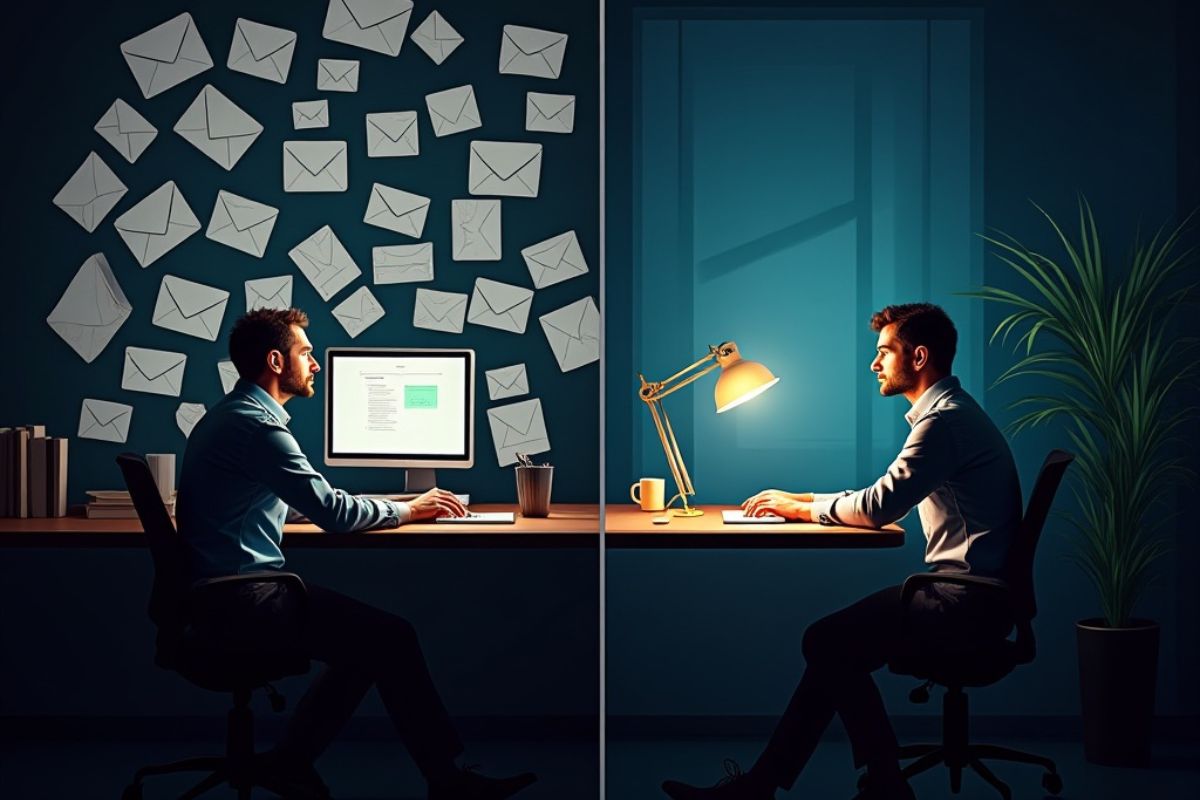
Why are high-performing professionals abandoning hustle culture despite pressure to do more?
Several factors are driving this global shift.
The Burnout Effect
The pandemic fundamentally altered how people think about work-life balance. Remote work, flexible arrangements and always-on communication blurred boundaries between personal and professional lives.
Many employees began questioning whether constant availability was actually improving productivity.
Workforce studies consistently show that stress, burnout and mental health challenges contribute to reduced engagement, absenteeism, sick days and employee turnover.
Businesses have increasingly recognised that exhausted employees rarely deliver sustainable outcomes.
The Rise of Career Wellness
Career wellness is becoming an important component of broader health and wellness conversations.
Rather than viewing success purely through salary or promotion metrics, professionals now evaluate:
- Career satisfaction
- Personal wellbeing
- Learning and development opportunities
- Workplace inclusion
- Flexibility
- Social connection
- Career mobility
This evolution is transforming traditional career services, outplacement support and workforce development programs.
AI Is Redefining Productivity
AI and automation are reducing repetitive tasks across many industries. As technology handles routine activities, human value increasingly comes from strategic thinking, creativity, relationship building and complex problem solving.
This shift encourages professionals to focus less on task volume and more on high-impact contributions.
Employers are increasingly investing in upskilling initiatives that help workers adapt to changing employment expectations while maintaining wellbeing.
Australia's Workplace Wellness Evolution
Across Australia and worldwide, organisations are expanding wellbeing strategies beyond fitness challenges and wellness programs.
Modern employee well-being initiatives increasingly integrate:
- Mental health support
- Mindfulness programs
- Flexible work options
- Career development pathways
- Personalised learning opportunities
- Leadership coaching
The goal is a healthier workforce capable of sustained performance rather than temporary productivity spikes.
Benefits and Challenges
Is slow productivity actually effective, or is it just another workplace trend?
The answer depends largely on implementation.
Key Benefits
Improved Mental Health
Reduced workload fragmentation can help lower workplace stress while encouraging greater focus and mindfulness.
Better Quality Work
When professionals dedicate uninterrupted attention to important projects, outcomes often improve.
Increased Job Satisfaction
A more intentional career strategy can help employees align daily responsibilities with long-term goals.
Stronger Retention
Employers investing in employee well-being often see stronger engagement and lower turnover rates.
Sustainable Performance
Slow productivity emphasises long-term momentum rather than short-term bursts of effort that can lead to burnout.
Common Challenges
Workplace Expectations
Some workplaces still reward visible busyness over meaningful results.
Learning New Habits
Transitioning from multitasking to focused work requires deliberate behaviour change.
Digital Overload
Constant notifications can undermine focus and productivity.
Measuring Success
Many organisations are still refining how they measure performance in environments that prioritise wellbeing and outcomes.
Practical Ways to Apply It
Want to try slow productivity without changing careers? Start with these practical strategies.
Time Blocking
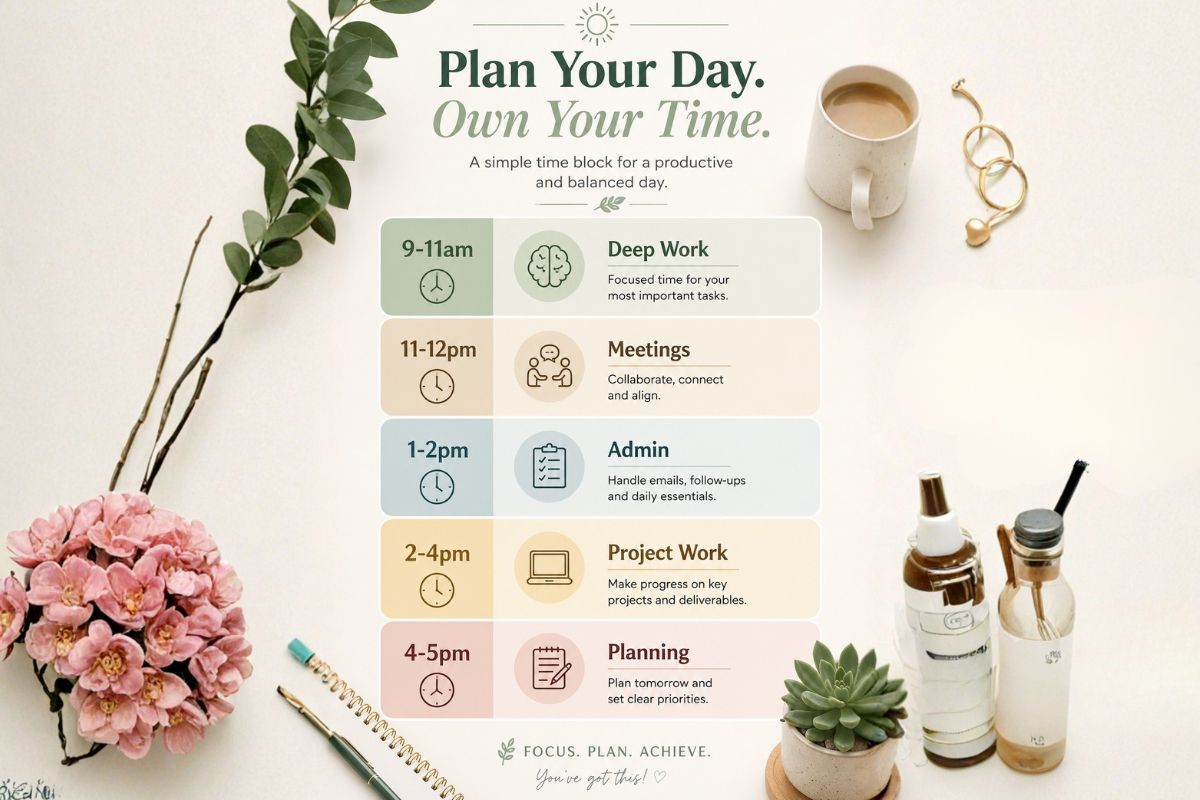
Time blocking involves scheduling specific periods for focused work, administrative tasks and recovery. Benefits include:
- Reduced decision fatigue
- Better prioritisation
- Stronger work-life balance
- Improved focus
A simple approach involves dedicating morning periods to strategic projects while reserving afternoons for meetings and communication.
Deep Work Sessions
Deep work sessions encourage uninterrupted concentration on complex tasks.
To create effective deep work sessions:
- Turn off notifications
- Close unnecessary tabs
- Set a clear objective
- Work in focused intervals
- Schedule recovery breaks
Many professionals discover they produce higher-quality outcomes in two hours of deep work than they do across an entire day of distracted activity.
Digital Boundaries
Creating digital boundaries is one of the most effective ways to support career wellness.
Consider:
- Limiting after-hours email checking
- Establishing communication expectations
- Scheduling technology-free periods
- Reducing unnecessary notifications
- Protecting personal time
Strong boundaries help employees socialise, recover and maintain healthier professional lives.
Workplace Wellness Statistics Snapshot
Recent workplace research consistently highlights several important trends:
- Burnout remains a leading concern across global workforces.
- Flexible work arrangements continue to influence employee satisfaction.
- Mental health support is becoming a core element of employee well-being programs.
- Learning and development opportunities are increasingly linked to retention.
- Employers investing in wellbeing strategies often report stronger engagement outcomes.
- Workforce expectations continue shifting toward flexibility and holistic support.
These trends reinforce the growing importance of sustainable productivity strategies.
Slow Productivity at a Glance
THE SLOW PRODUCTIVITY FORMULA
Less Busyness → More Focus → Better Outcomes
- Prioritise meaningful work
- Protect deep work sessions
- Use time blocking
- Create digital boundaries
- Support mental health
- Build sustainable routines
- Align work with career development goals
- Focus on quality over quantity
Result: Improved wellbeing, engagement, retention and long-term productivity.
Frequently Asked Questions
Does slow productivity mean working fewer hours?
Not necessarily. Slow productivity focuses on working intentionally rather than constantly. The emphasis is on meaningful output and sustainable performance.
Is slow productivity suitable for fast-paced industries?
Yes. Even high-pressure industries can benefit from structured focus time, digital boundaries and better workload management.
How does AI support slow productivity?
AI can automate repetitive tasks, allowing professionals to dedicate more energy to strategic thinking, creativity and client relationships.
Can employers integrate slow productivity into wellness programs?
Absolutely. Many organisations now combine wellbeing initiatives, career coaching, flexible arrangements and professional development to support sustainable performance.
Is slow productivity relevant during a career transition?
Yes. Individuals navigating a career transition often benefit from focusing attention on high-impact activities such as networking, LinkedIn optimisation, upskilling and targeted job search efforts.
Final Reflection
As the future of work continues to evolve, slow productivity represents more than another business trend. It reflects a cultural shift toward healthier, more sustainable professional lives. Rather than rewarding constant activity, this approach encourages employees, employers and organisations to recognise the value of focus, recovery and intentional effort.
The most successful careers may no longer belong to those who stay busiest, but to those who work with clarity, purpose and balance.
Final Take: Slow productivity focuses on meaningful output rather than constant activity. Sustainable success comes from protecting wellbeing, nurturing career wellness and creating work habits that can be maintained for years, not just quarters.
And while workplace wellbeing often benefits from doing less with greater intention, the same principle applies elsewhere in life: healthy skin begins with strengthening the barrier, not overloading products.