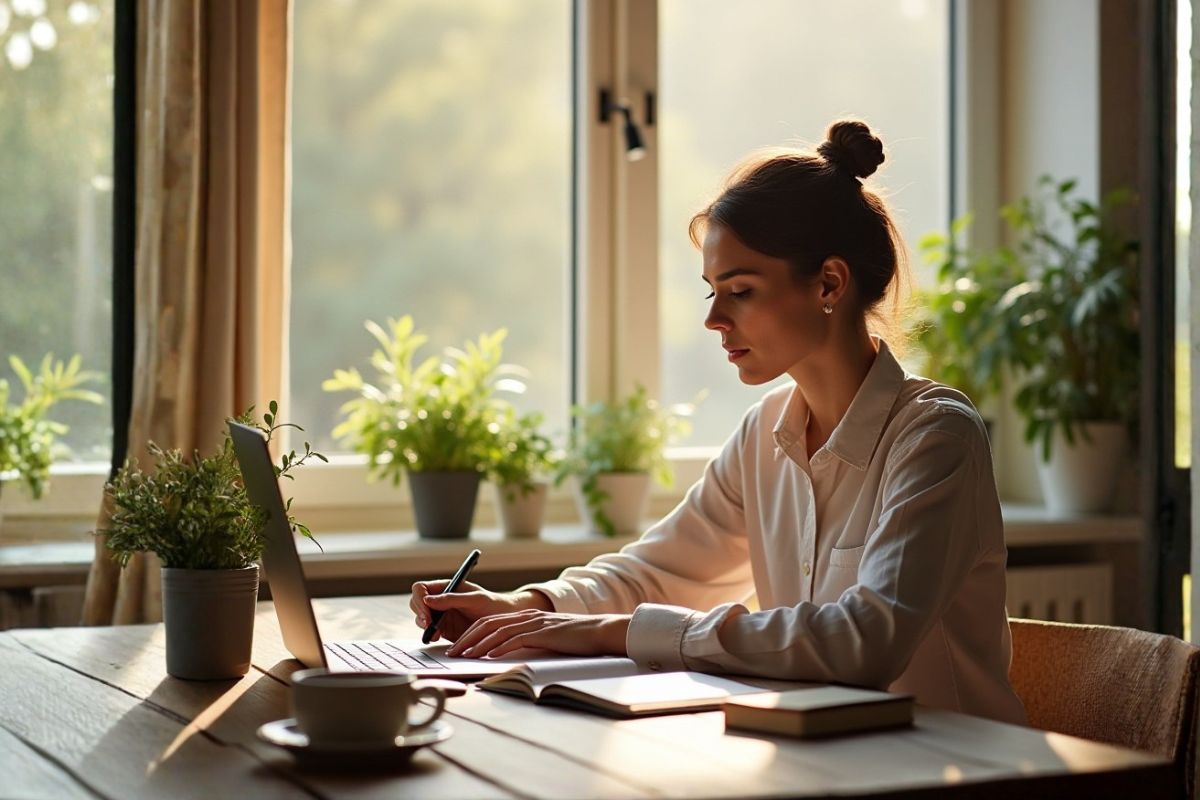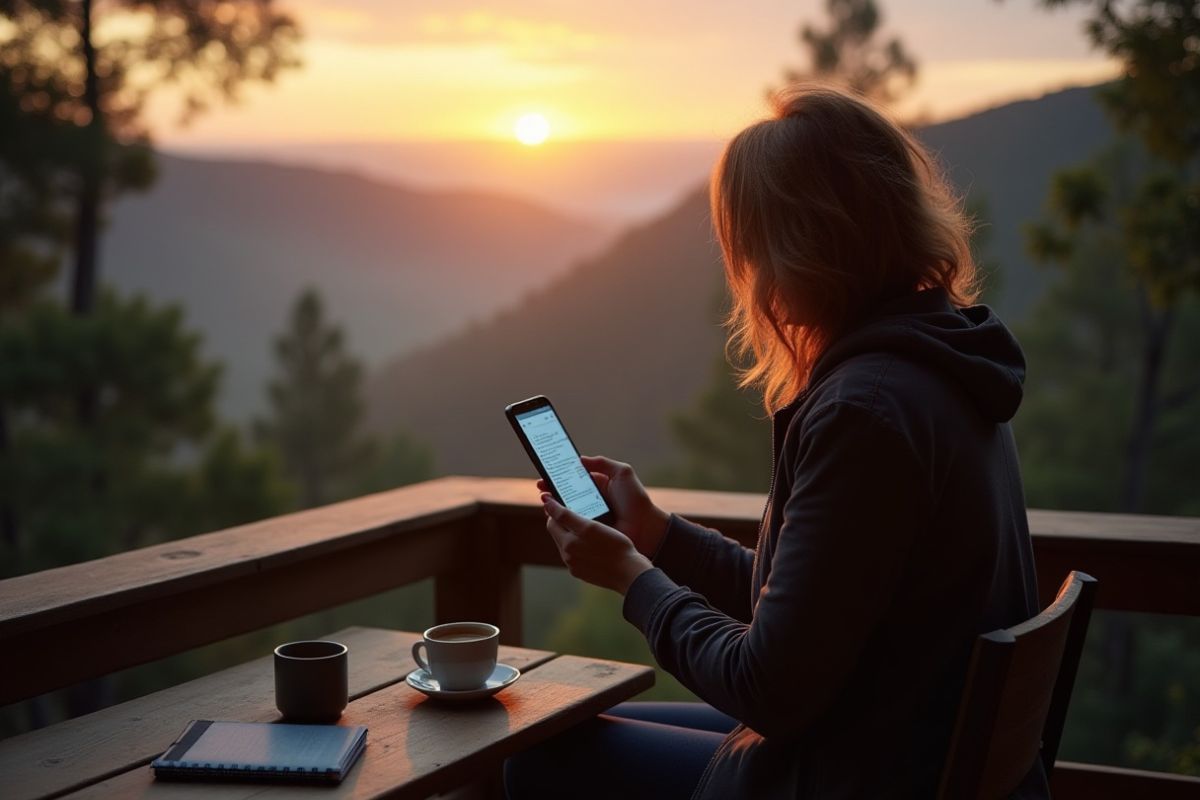
Soft Life Australia captures a growing lifestyle movement that prioritises ease, balance and intentional comfort in everyday living. Rooted in mindful choices—curated home design, flexible work setups, wellness-first routines and local travel—the soft life approach in Australia adapts coastal calm and urban convenience to help people reduce stress and increase joy. Whether you’re exploring slow weekends in Byron Bay, flexible remote work from a Melbourne apartment, or simple rituals that lift daily wellbeing, Soft Life Australia offers practical inspiration for making life feel lighter without sacrificing ambition or connection.
The 2026 Soft Life Australia Budget: Living Well Without Influencer Spending
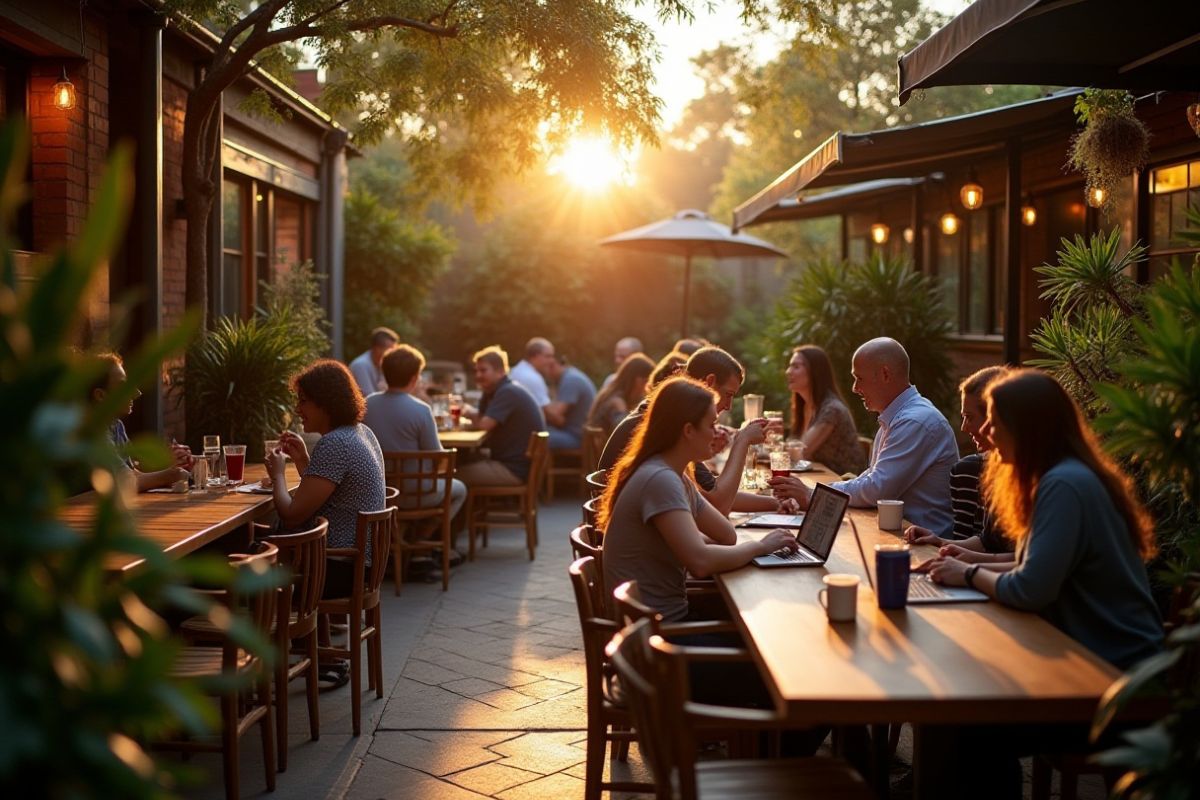
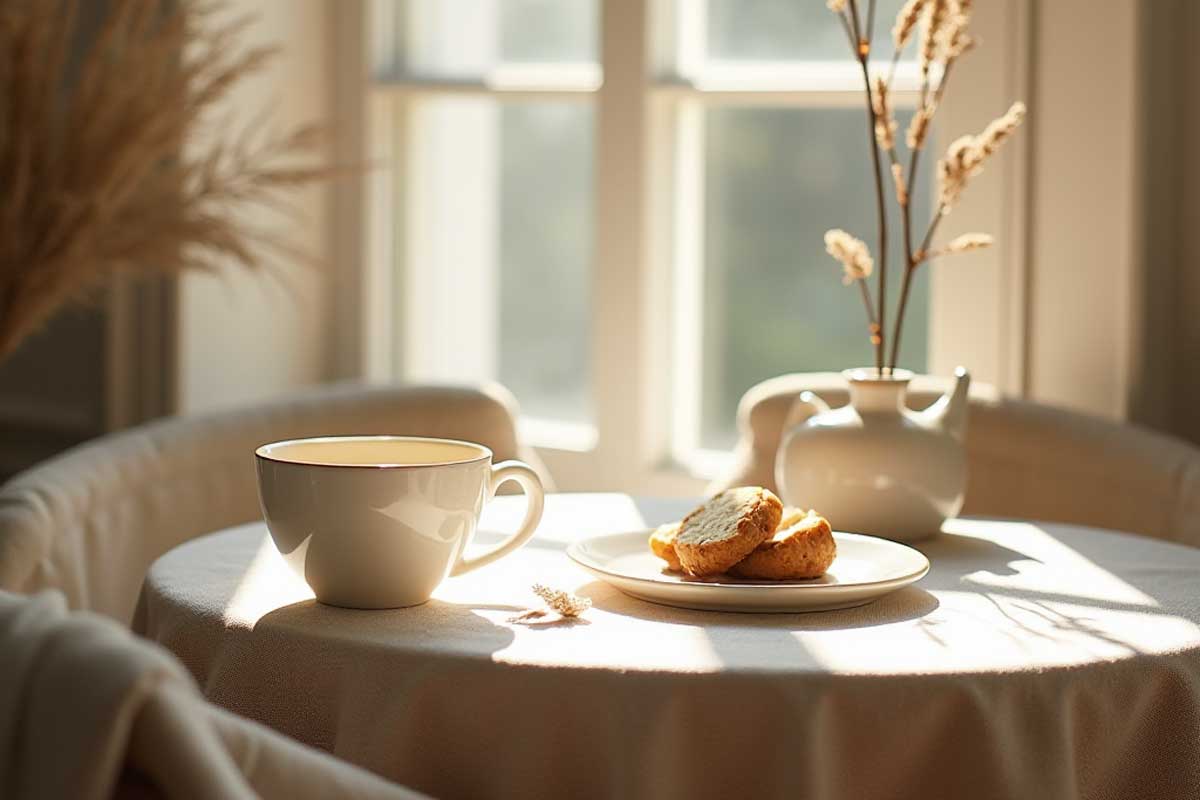
A quiet morning. Sunlight on the kitchen bench, coffee still warm in your hands. No rush, no relentless grind waiting to swallow the day.
This is the image many people associate with the soft life — but in Australia, the reality in 2026 is more practical, more intentional, and far more attainable. Away from TikTok wellness trends and aesthetic routines designed for social media platforms, Australians are reshaping the soft life movement into something grounded. Less flashy luxury. Fewer dopamine‑fuelled purchases. More balance, boundaries, and decisions that leave you feeling steadier rather than stressed. This is about living softly — without living beyond your means.
What the Soft Life Really Means (Myth‑Busting the Trend)
Online, the soft life trend often looks like an escape from responsibility: quitting work, endless self‑care, and a life of ease funded by… something vague. In reality, the soft life is the opposite of avoidance — it’s mindfulness applied to real life. In Australia, living a soft life in 2026 means:
- Stepping away from hustle culture, not ambition
- Choosing healthy boundaries over constant pressure
- Rejecting the idea that burnout equals productivity
- Aligning your lifestyle with your nervous system, not against it
Psychologists increasingly link the appeal of the soft life movement to rising mental health challenges — especially among millennials facing relentless pressure, high living costs, and work hard mentalities inherited from grind culture. Living softly doesn’t mean opting out. It means opting in — to wellbeing, fulfillment, and a sustainable mindset.
Cost‑Per‑Wear, Cost‑Per‑Use: The New Soft Life Australia Mindset
With life being so expensive, Australian have become deeply intentional about spending. Instead of chasing trends or influencer recommendations, people are prioritising value over novelty. The question isn’t “Is this aesthetic?”
It’s “Will this make my daily life less stressful?” This mindset shows up everywhere:
- Fewer clothes, worn more often (goodbye impulse trends)
- Home items chosen for comfort, not just vibe
- Wellness purchases that support routine, not guilt
Cost‑per‑use thinking reduces decision fatigue, financial pressure, and that familiar feeling of earning money only to feel guilty spending it. Soft life living values longevity — emotionally and financially.
The Small Luxuries That Truly Support Well‑Being
Contrary to social media, the most meaningful soft life rituals don’t look extravagant. They’re quiet, slow, and deeply supportive of mental health. Across Australian homes, people living softly are prioritising:
- Calm mornings over productivity‑stacked routines
- Food that nourishes, not restrictive wellness rules
- Stillness — breaks without distraction or dopamine hits
- Gentle self‑care that brings inner peace, not pressure
These small luxuries empower rather than overwhelm. They aren’t about vibrating higher or chasing a vibe — they’re about creating moments where life feels less relentless. For many, especially people struggling with mental health, this reframe has been quietly transformative.
What to Stop Spending On (A Gentle but Opinionated Reset)
Living a soft life Australia‑style also means letting go of spending habits tied to stress and hustle culture. In 2026, more Australians are consciously stepping away from:
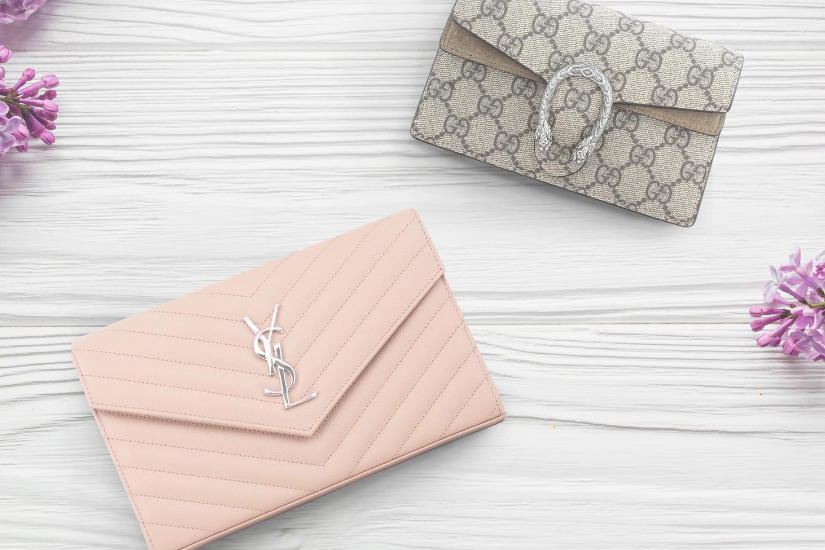
- Trend‑driven purchases inspired by TikTok wellness algorithms
- Productivity tools that promise balance but increase anxiety
- Constant self‑optimisation marketed as self‑care
- Aesthetic upgrades that add clutter, not calm
The soft life isn’t anti‑luxury — it’s anti‑pressure. If something adds stress, forces striving, or pulls you further into a hard life mindset, it simply doesn’t belong.
Living a Soft Life in Australia Is About Balance, Not Escape
The soft life movement started with Black women as an act of empowerment — a rejection of burnout and relentless expectations. In Australia, it has evolved into something broader but rooted in the same truth: life is short, and it shouldn’t feel constantly stressful. Living softly doesn’t mean working less at all costs. It means working in ways that align with wellbeing, holding boundaries, and choosing a lifestyle that supports a sense of purpose. Because sometimes, living a “luxury life” isn’t about spending more —
it’s about creating days that feel less heavy.