
There was a time when the Australian dream felt synonymous with expansion—bigger homes, busier calendars, louder hustle. But something fascinating is unfolding across our cities and coastlines. From Sydney’s inner terraces to Fremantle’s salt-kissed streets, Australians are quietly re-evaluating the way they live life.
We are witnessing a cultural pivot toward intentional living—a collective decision to trade merely existing for living with purpose. The new aspiration is not excess, but alignment. Not hustle, but clarity. Not comparison, but a life that feels authentically yours.
Understanding Intentional Living
If the phrase feels everywhere right now, it’s because it answers a very modern ache: feeling stuck, overextended, quietly unfulfilled. Intentional living means examining the beliefs and values guiding your daily decisions and asking whether they truly align with the life you want.
What is Intentional Living?
At its essence, intentional living means recognising that life is made up of choices—small, cumulative decisions and actions that shape direction and meaning.
It asks:
- What are my core values?
- What are my core beliefs about success, happiness, and the purpose of life?
- Am I living according to them—or merely reacting?
Living with intention means taking responsibility for how you spend your time or money. It means designing your days around what is truly important, not what is loudest.
To live intentionally is not about rigid control. It is about clarity. About understanding your ‘why’ and allowing that to inform your lifestyle choices.
Benefits of Living an Intentional Life
Living an intentional life creates a solid foundation beneath your thoughts and feelings. The benefits are both subtle and transformative:
- Less comparison—because you no longer compare your life to someone else’s highlight reel
- Reduced overwhelm from endless to-do lists
- Greater confidence in making decisions
- A stronger sense of true purpose
- A deeper, more meaningful life
When you embrace intentional living, you begin to show up for your life rather than drift through it.
How to Design Your Life with Intention
Designing a life with intention is less about dramatic reinvention and more about continual refinement. It is a personal journey—one of small changes that, over time, can change your life.
Decluttering for a Purposeful Life
Let us begin with the tangible. The rise of decluttering in Australia signals more than an aesthetic preference. It reflects a shift in identity.
Decluttering is not simply about removing stuff in your home. It is about examining what your possessions represent. Are they aligned with the life you’d like to live?
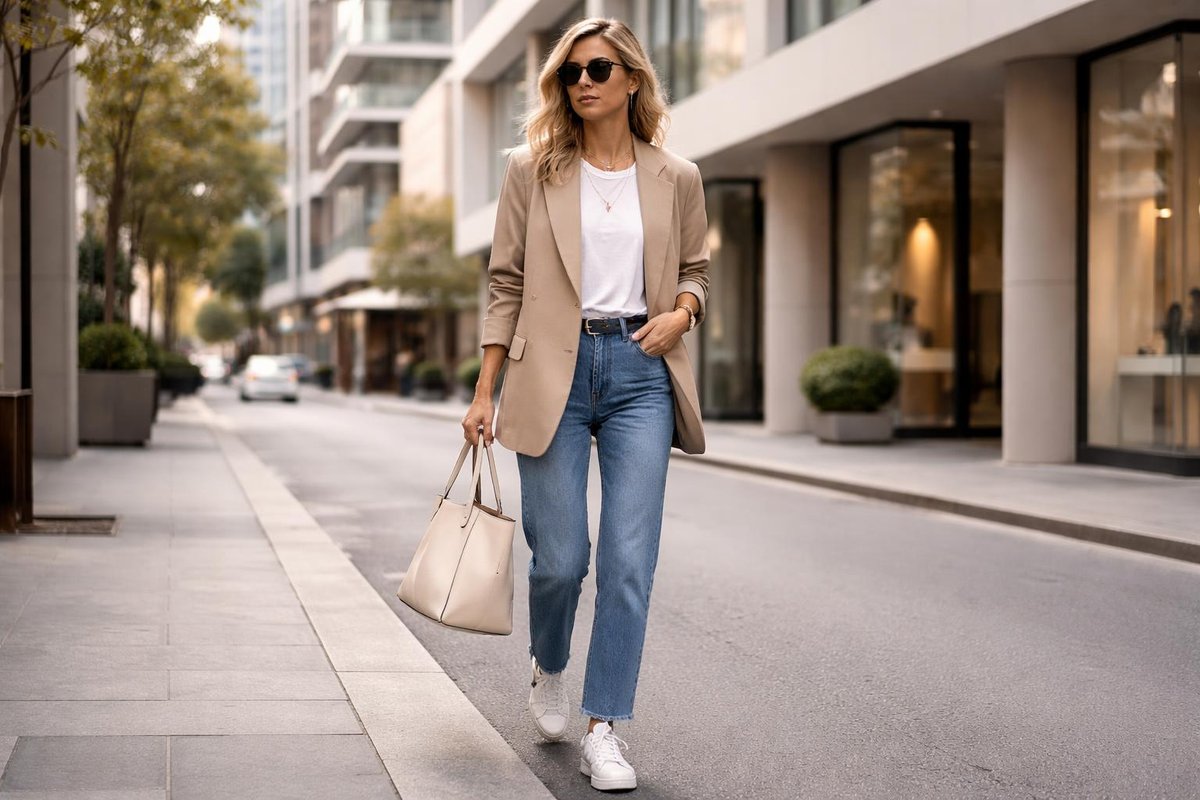
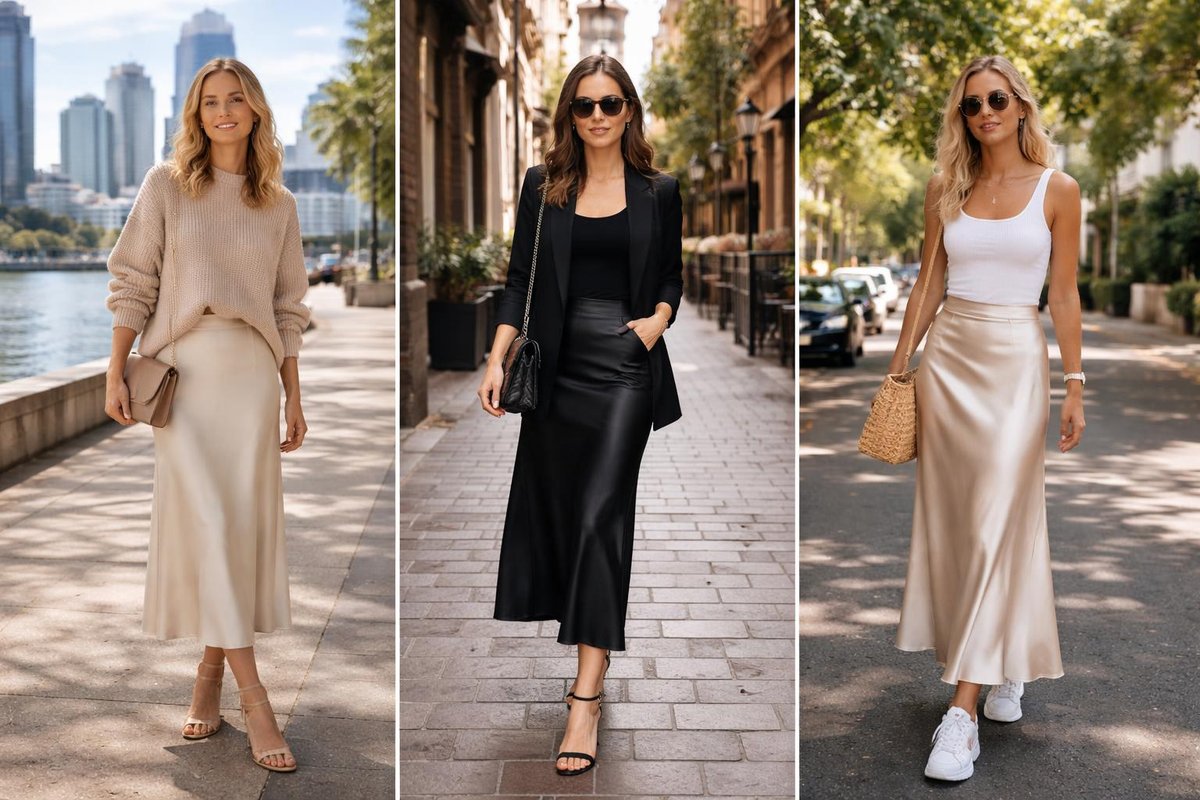
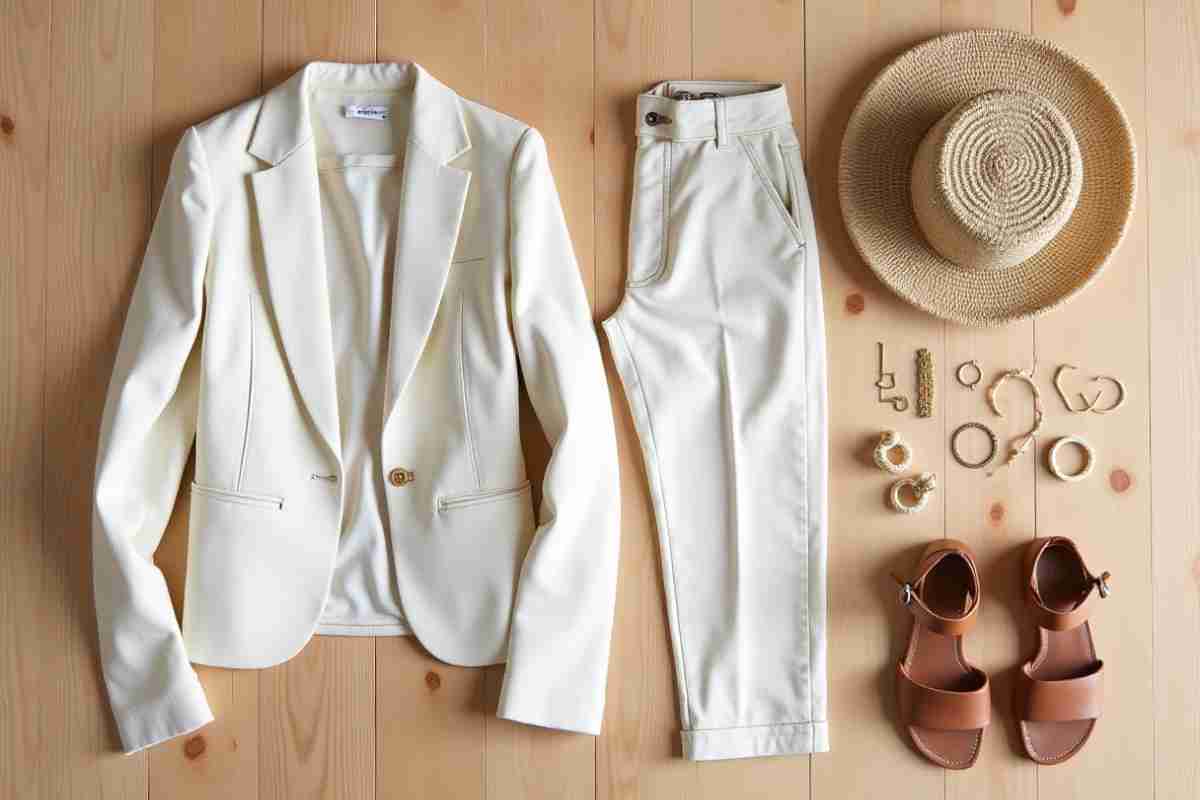
Minimalism has evolved here into a softer, more nuanced minimalist lifestyle—one that prioritises sustainability, longevity and intentionality. A minimalist wardrobe, curated home décor, fewer but finer investments. These are examples of intentional editing.
Declutter not to create emptiness, but to create space for a purposeful life.
The Importance of Decluttering Schedules
More radical still is the declutter happening in our calendars.
The Australian hustle culture—once aspirational—is being questioned. People want to live more intentionally, not perpetually busy. A purposeful life often begins by asking: where do I truly want to spend my time?
Protecting white space. Saying no. Going for a walk without tracking it. Stepping away from social media. These quiet acts are deeply purposeful.
Minimalist Lifestyle: A Path to Intentional Living
Minimalism, when approached thoughtfully, becomes a vehicle for living out your values.
A minimalist approach to fashion might mean buying fewer pieces but investing in ethical Australian labels. In wellness, it could mean a simple and intentional meditation practice or gratitude practice rather than chasing every trend.
Minimalism is not deprivation. It is precision.
Examples of Intentional Decluttering
Practical examples of intentional choices Australians are embracing:
- Editing wardrobes to reflect core values
- Cancelling subscriptions that no longer align
- Reducing digital noise and moving away from social media
- Replacing reactive spending with conscious budgeting
- Trimming the to-do list to what actually supports your goals
Each choice reinforces intentionality.
Living with Intention in Daily Routines
Living with intention is not a one-time decision; it is continually working toward alignment.
Creating Meaningful Experience

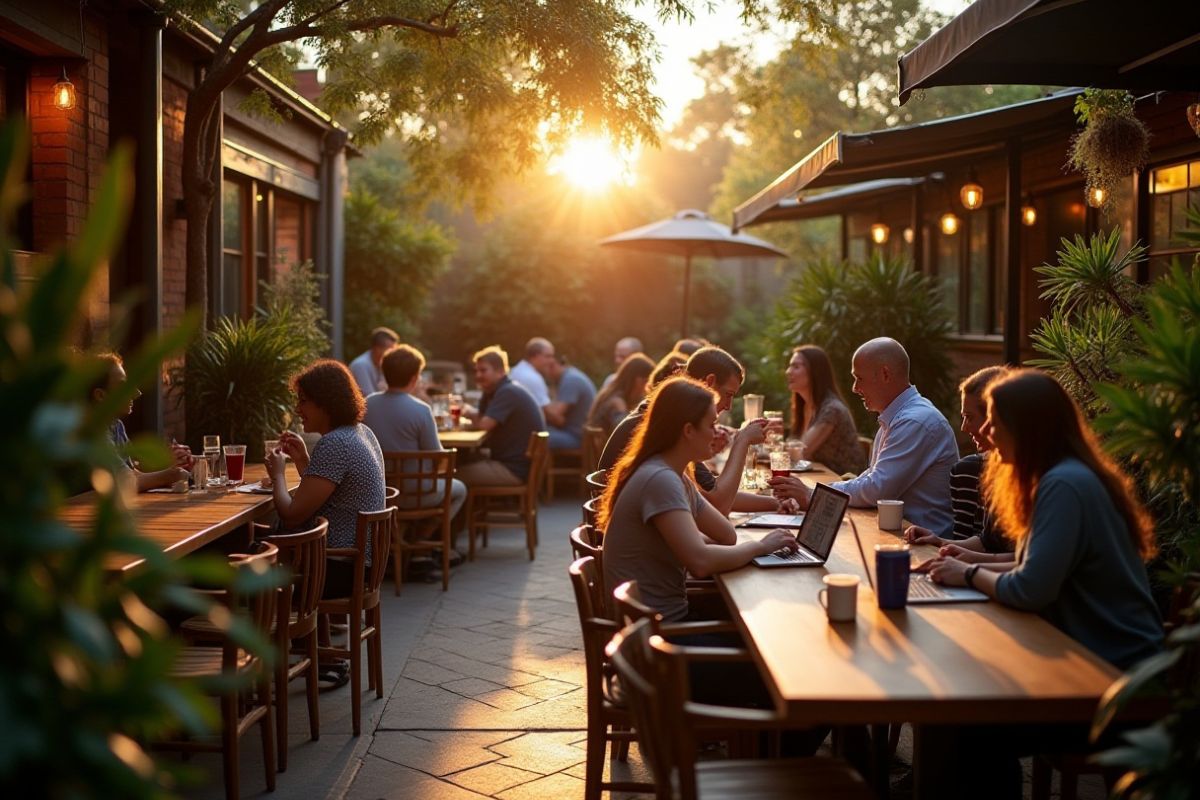
Across Australia, people are prioritising experiences that add direction and meaning over spectacle. Intimate dinners over crowded events. Nature over nightlife. Presence over performance.
Life comes alive when it is lived true to your values.
A morning gratitude practice. A weekly check-in to help you set goals aligned with your deeper beliefs. A conscious decision to spend your time nurturing relationships rather than scrolling.
These rituals create a life that feels grounded.
Strategies to Live More Intentionally
If you want to live with intention, consider these practical tips to simplify:
- Clarify your core values and define what a meaningful life looks like to you
- Reflect on whether you’re living in alignment with your true purpose
- Make small changes before attempting sweeping overhauls
- Evaluate your lifestyle choices regularly
- Seek guidance from a life coach if you feel unfulfilled or unsure of direction
Intentional living is a journey towards coherence. Towards making decisions and actions that support the life you want to live.
How Aussies are Embracing Purpose-Driven Routines
From four-day work weeks in Melbourne to coastal relocations in Queensland, Australians are consciously redesigning their rhythms.
Wellness has shifted from luxury to necessity. Meditation practice, slower mornings, community markets—these are no longer indulgences but integral to living with purpose.
More Australians want to live a life that reflects their beliefs and values. They are questioning not only how they earn money, but why. They are asking whether the direction they are heading aligns with the purpose of life as they understand it.
The cultural conversation has matured. We are less interested in merely existing and more committed to a life with intention.
Conclusion
Intentional living does not demand perfection. It demands awareness.
Reflecting on the Journey to an Intentional Life
This is not about constructing a flawless minimalist existence. It is about taking responsibility for the choices that make up your days.
Living an intentional life means recognising that your life is made moment by moment—through your thoughts and feelings, your spending habits, your conversations, your quiet decisions.
It is an ongoing personal journey. One that may not always look polished, but feels purposeful.
Future Trends in Intentional Living in Australia
Expect to see:
- Greater demand for ethical and sustainable fashion
- Homes designed around simplicity and function
- Increased interest in life coaching and values-based goal setting
- A continued shift away from relentless hustle culture
- Growing awareness of intentionality in making decisions
Intentional living is not a fleeting trend. It is becoming a framework for a life that feels deeply aligned.
Call to Action: Start Your Own Intentional Journey
Start small.
Declutter one drawer. Revisit your core beliefs. Spend your time on what is truly important. Take a walk without distraction. Reflect on your ‘why’.
The life you want is rarely found in dramatic reinvention—it is built through conscious, purposeful choices that make your days coherent.
Start living intentionally. Live true. And design your life in a way that ensures you are not just alive—but fully, deliberately, living.