
Introduction: A Softer Way to Start the Day
The morning light filters through the curtains, the kettle clicks off, and for a brief moment, there is no rush. No frantic scrolling, no racing against the clock. In a fast-paced world defined by the hustle and bustle of modern life, more people are choosing to slow down and find something gentler: mindful slow living routines that honour both body and soul. This quiet shift isn’t about doing less for the sake of it. It’s about doing things mindfully—immersing yourself in small moments, savouring the beauty of slow living, and creating a daily routine that feels intentional rather than reactive. Slower living is becoming less of a trend and more of a guide to slow living well.
The Concept: Embracing the Slow
At its heart, slow living is a philosophy of intentional living. It invites us to resist rushing through tasks, multitasking our way through the day, or measuring self-worth solely by productivity. Instead, it asks us to make space—for creativity, community, and experiences that make you happy.
A slow living lifestyle doesn’t reject ambition. It simply reframes it. Success becomes about finding a balance between doing and being, about cultivating a sense of calm without abandoning purpose. Think fewer to-do lists that dominate your thoughts, and more dedicated time spent with full attention—whether that’s a creative project, a daily walk, or a shared meal.
Why It’s Trending Now
In 2026, wellness trends point towards a collective desire to live in today rather than constantly chasing what’s next. Burnout culture has left many people feeling overwhelmed, disconnected from their internal clock, and craving grounding rituals that restore rather than deplete.
Social media updates no longer dictate aspiration in the same way. Instead, lifestyle trends—particularly across Australia and globally—highlight slow-living practices: spending time in nature, minimalist homes with physical space to breathe, and routines that support mental clarity. The shift is clear. People are setting boundaries, stepping away from constant digital noise, and choosing ways to practice mindfulness that feel personal and sustainable.
How to Bring Mindful Slow Living Routines Into Your Life
Start Your Day With Intention
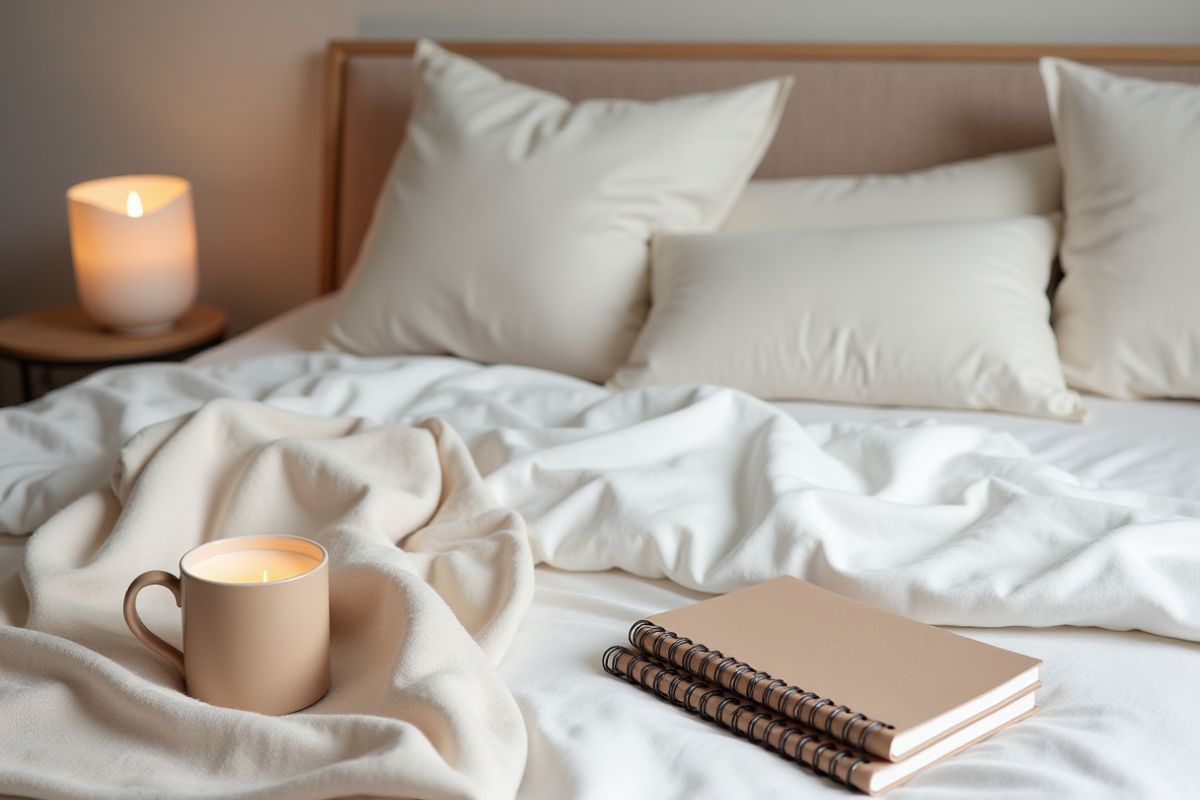
A mindful morning routine sets the tone for the entire day. This doesn’t mean waking at dawn or following a rigid checklist. It’s about a simple act—making my bed, lighting a candle, or enjoying a morning cup without distractions.
Take a few moments to breathe deeply. Gentle breathing exercises or deep breathing while the house is quiet can ground your nervous system. Instead of reaching for your phone, start your day by asking: How do I want to feel today?
Create Rituals, Not Rules
Slow living routines thrive on flexibility. Perhaps it’s practicing mindful eating at breakfast, savoring flavours rather than eating on the go. Or maybe it’s setting aside ten minutes for journaling, stretching, or making your bed with care.
These rituals are simple ways to incorporate mindfulness into everyday life—without rushing, without pressure.
Reimagine Productivity
Productivity doesn’t disappear in a slow-living life; it becomes more meaningful. Rather than multitasking, focus on one thing at a time. Give your full attention to the task in front of you, whether it’s work, a creative project, or tidying your physical space.
You may find that doing less—but with intention—actually helps you achieve more, with far less stress.
Ground Yourself Throughout the Day
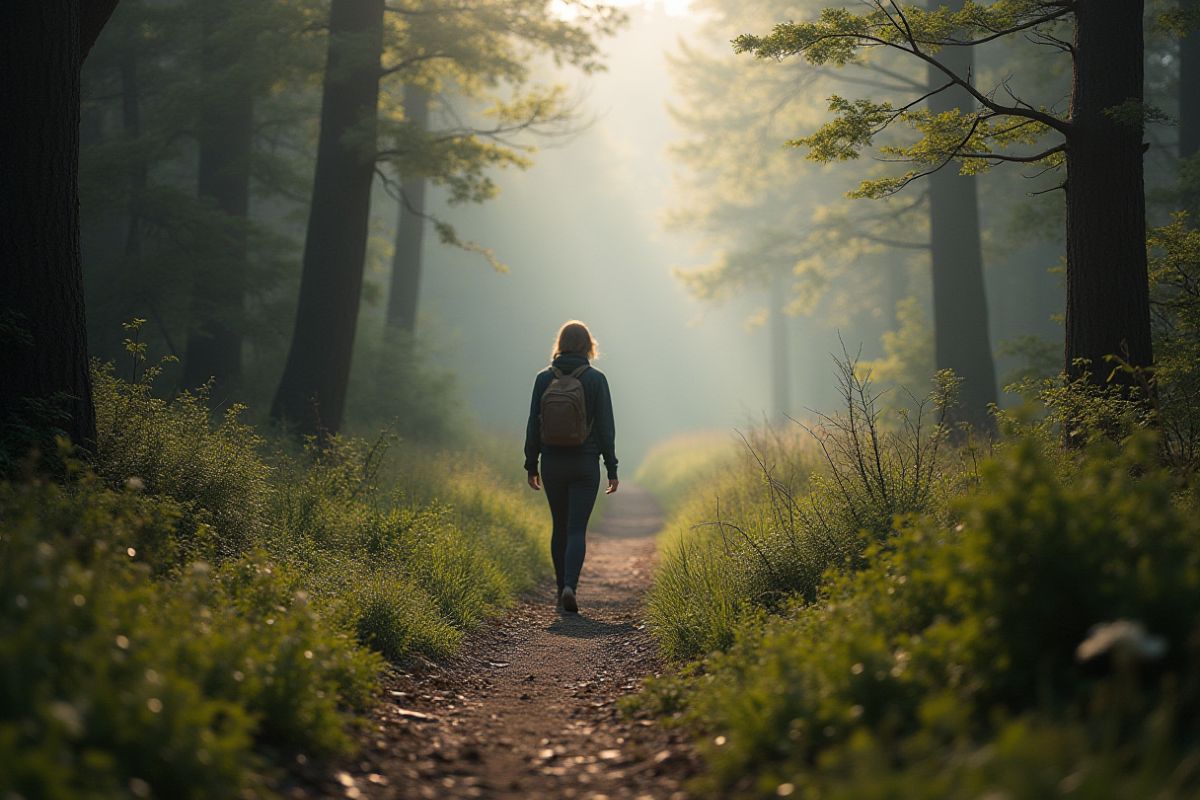
A slow living routine extends beyond mornings. A daily walk, even a short one, can be a powerful grounding practice. Spending time in nature recalibrates the senses and brings you back into your body.
During busy moments, pause. Take a few moments to breathe deeply, feel your feet on the floor, and reconnect with your internal rhythm.
Make Space at Home
Your environment shapes your mindset. A minimalist approach—creating space in your home and reducing visual clutter—supports calm living. This doesn’t mean stark or cold spaces, but thoughtful ones: warm textures, natural light, and room to move.
Setting boundaries around work zones, rest areas, and digital use helps separate hustle from rest.
Simple Ways to Practice Slow Living in the Evening
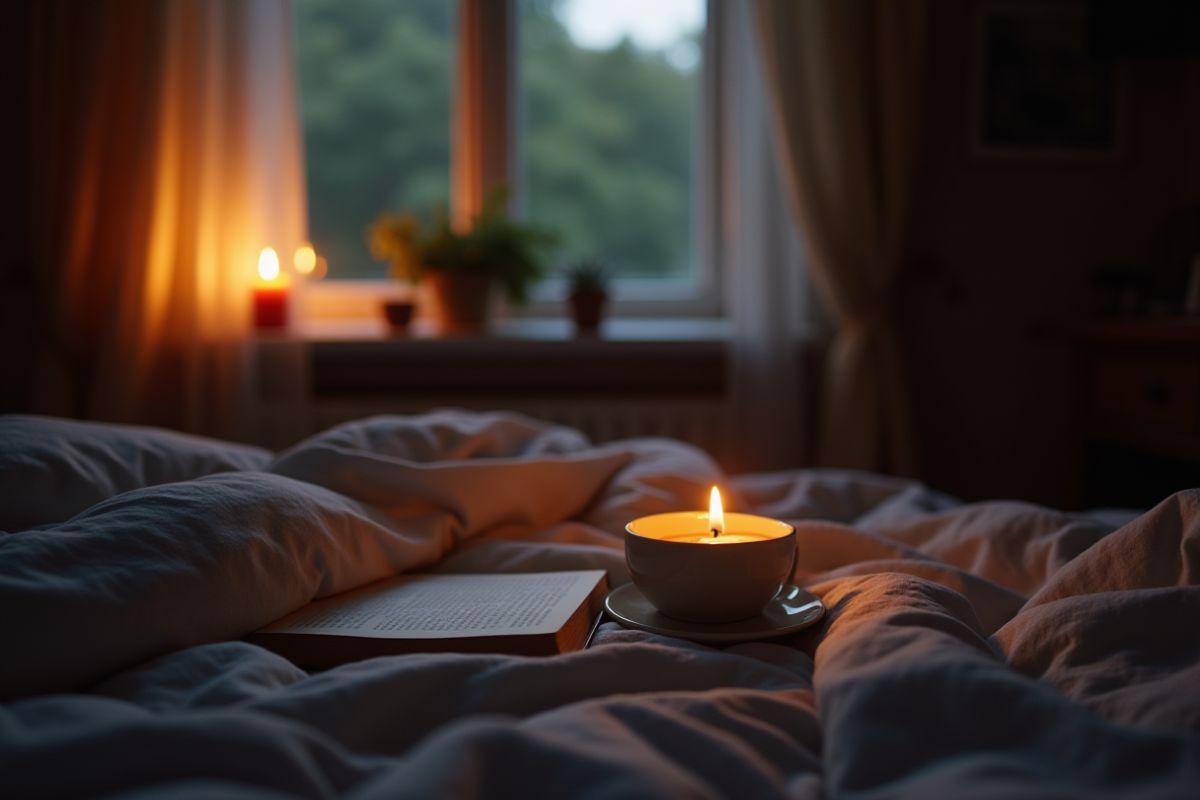
The evening wind-down is just as important as the morning routine. Transition gently from the demands of the day into rest.
- Turn off social media updates an hour before bed
- Light a candle or enjoy a warm, comforting drink
- Practice slow living by reflecting on small moments that brought joy
- Engage in deep breathing or quiet stretching
- Set aside screens and savour silence
This dedicated time signals to your body that it’s safe to slow down, supporting better sleep and emotional balance.
Finding Balance in a Fast-Paced World
Slow living is not about opting out of modern life. It’s about finding a balance—embracing the slow while still engaging fully with work, relationships, and ambition. It’s about making space for self-care without guilt, and understanding that a fulfilling life is built from moments of presence.
By incorporating mindfulness into your daily routine, you begin to notice how small changes can change your life. The simple act of slowing down becomes an act of self-respect.
Conclusion: The Beauty of Living Slowly
In a culture that glorifies the hustle, embracing the slow is a quiet rebellion. It’s choosing to live mindfully, to savour instead of rush, and to cultivate routines that support your wellbeing rather than compete with it.
Because sometimes, the smallest rituals—the way you start your day, the way you breathe, the way you wind down—are the ones that redefine how we live.