
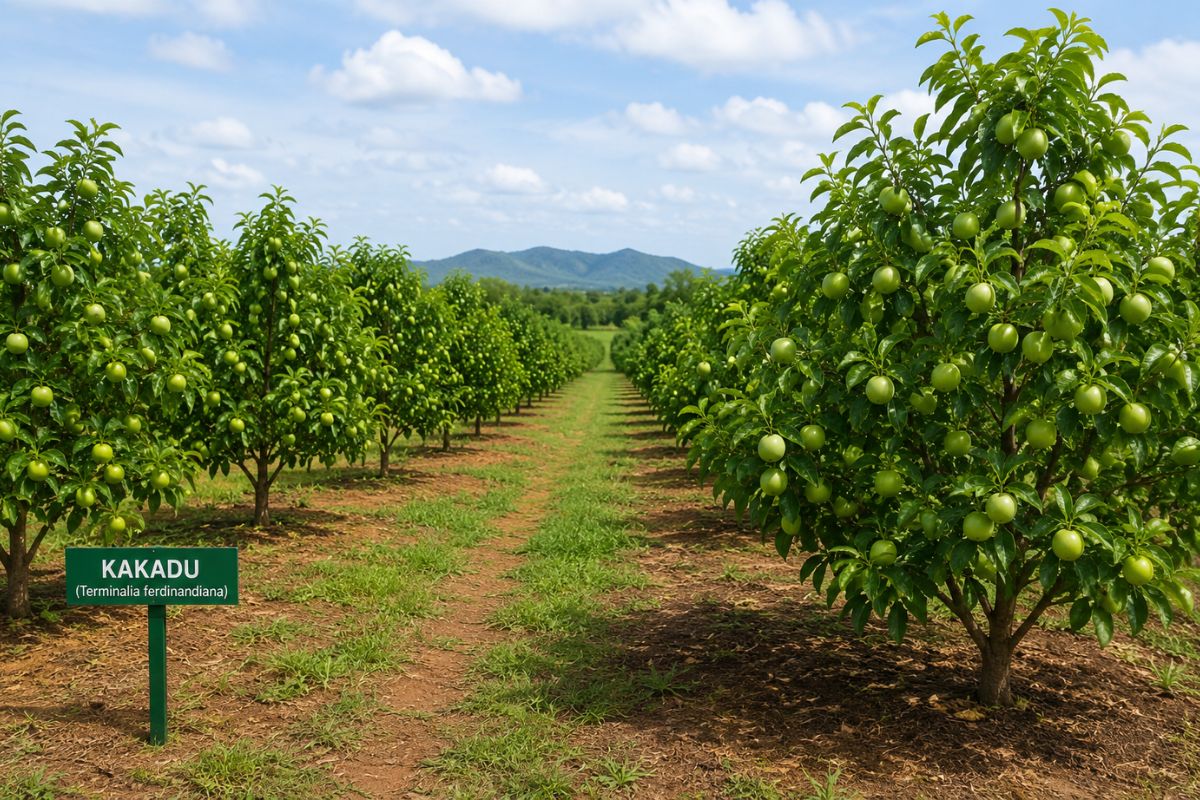
Across northern Australia, a quiet agricultural movement is reshaping how native food is grown, valued, and shared with the world. At the heart of this movement is kakadu farming and indigenous plantations—a model that blends traditional knowledge, modern agriculture, and long‑term economic opportunity for indigenous communities. Known locally as gubinge, the kakadu plum is more than a fruit. It is a cultural resource, a nutraceutical powerhouse with exceptional levels of vitamin C, and a rapidly growing industry attracting interest from the food, pharmaceutical, and cosmetic sectors worldwide.
What Kakadu Farming and Indigenous Plantations Are
Kakadu farming and indigenous plantations refer to structured, community‑led systems for cultivating, harvesting, and processing kakadu plum trees on aboriginal land, often on‑country in remote regions of the Northern Territory, Western Australia, and Queensland.
Unlike wild-only harvesting, indigenous plantations combine:
- Traditional owner land stewardship
- Sustainable bush food management
- Modern production and supply chain techniques
This approach supports consistent supply, protects the native bush, and creates enterprise opportunities for local indigenous producers.
The Cultural and Traditional Roots of Kakadu Plum
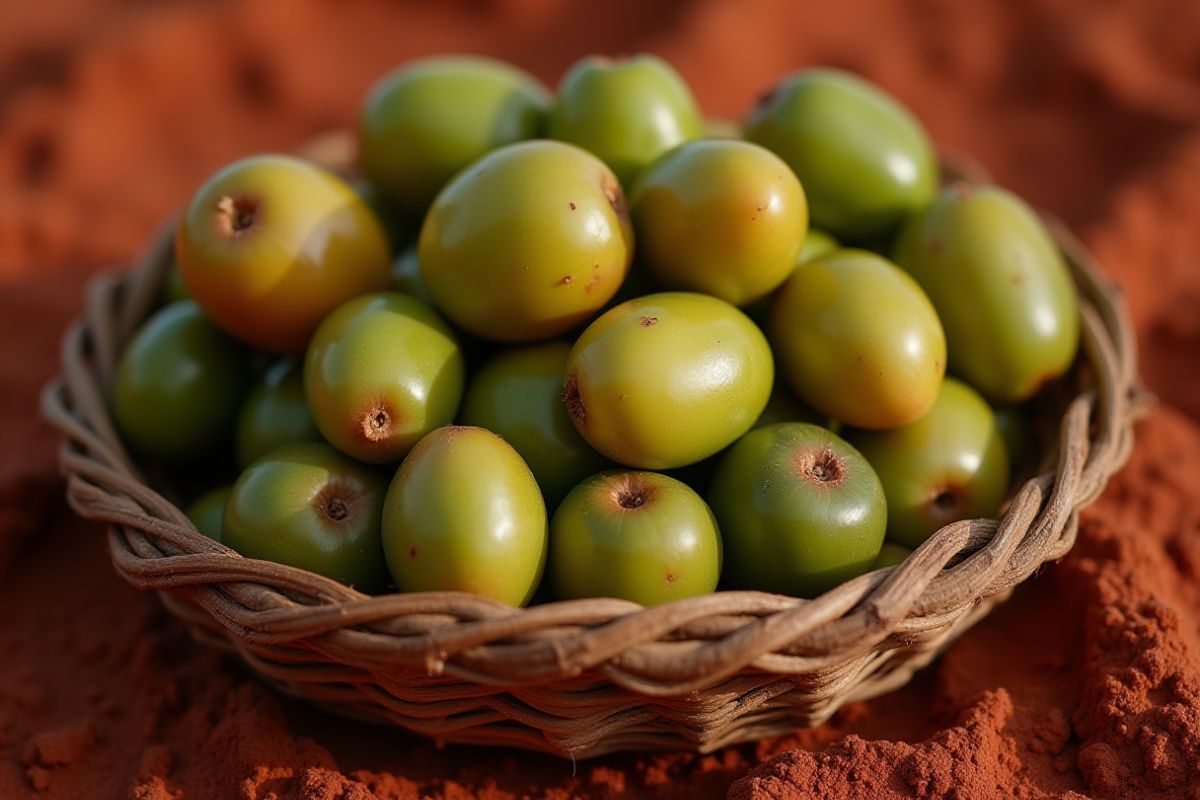
For thousands of years, aboriginal communities across northern Australia have harvested kakadu plum from the wild. The tree grows naturally in savannah woodland and native bush, where the fruit has long been used as food, medicine, and trade.
Traditional practices guide:
- When to harvest
- How much fruit to collect
- How to protect future growth
These traditional techniques are now central to modern kakadu plum harvest standards, ensuring sustainability while scaling for market demand.
Why the Kakadu Plum Industry Is Growing
The kakadu plum industry is experiencing strong growth due to rising global interest in australian native ingredients.
Key drivers include:
- Record-breaking levels of vitamin C
- Demand for functional foods and native food
- Expansion into cosmetic and pharmaceutical products
- Interest from overseas markets
From powders and extracts to skincare ingredients and health supplements, kakadu plum has become a premium product with strong value across multiple industries.
Indigenous Communities and Economic Opportunity
At its core, kakadu farming is about economic opportunities for remote aboriginal communities. Indigenous‑led projects enable communities to move beyond raw harvesting into:
- Processing
- Producer partnerships
- Brand‑led enterprise development
This shift strengthens the rural economy, supports women’s participation in agriculture, and builds long‑term economic resilience.
Organizations such as Agrifutures Australia, the Australia Aboriginal Kakadu Plum Alliance, and the Northern Australia Aboriginal Kakadu Plum Alliance play a key role in:
- Research and investment
- Market access
- Governance and fair supply chain development
From Tree to Market: The Supply Chain
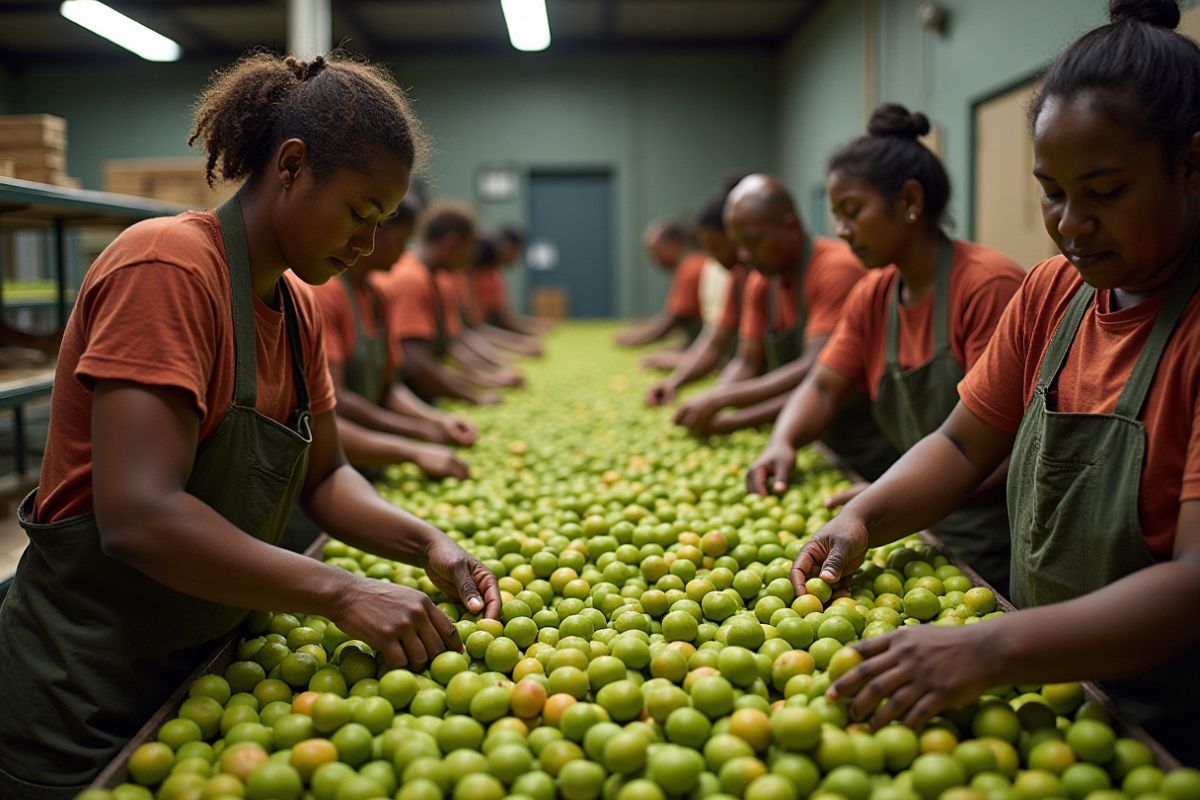
The kakadu plum supply chain begins with careful on‑country harvesting and ends with high‑value food products distributed locally and internationally.
Typical stages include:
- Harvest from wild or plantation-based kakadu plum trees
- Cold storage and transport from remote regions
- Processing into powder, puree, or extract
- Distribution to market partners
Each step creates activity, jobs, and skills within indigenous communities, helping ensure the value remains in the region.
Challenges Facing the Industry
Despite its promise, the native foods industry faces real challenges:
- Limited infrastructure in remote regions
- Climate variability affecting production
- Balancing commercial demand with cultural priorities
- Ensuring ethical corporation partnerships
Developing best‑practice technique, improving logistics from regions near Darwin, and securing long‑term investment are critical to sustaining growth.
Sustainability and Environmental Stewardship

Sustainability is central to kakadu farming. Indigenous plantations protect biodiversity by:
- Maintaining native ecosystems
- Avoiding over‑harvesting from the wild
- Supporting regeneration of bush food species
This approach positions kakadu plum as a renewable resource aligned with global sustainability standards.
The Role of Research and Innovation
Ongoing research supports improved yields, quality control, and new applications. Studies backed by Agrifutures Australia explore:
- Improved production methods
- Expanded nutraceutical use
- Applications in functional foods and cosmetics
Innovation ensures the industry remains competitive while respecting cultural knowledge.
A Growing Global Market
International interest continues to rise, particularly from overseas brands seeking traceable, ethical native ingredients. With growing demand, kakadu plum is emerging as one of Australia’s most valuable native food exports.
This global reach strengthens Australia’s reputation for premium, sustainable agriculture—while positioning indigenous communities as leaders, not suppliers.
Conclusion
Kakadu farming and indigenous plantations represent a powerful intersection of culture, sustainability, and modern economy. By centering traditional owner leadership, strengthening the supply chain, and expanding into high‑value markets, the kakadu plum industry offers a blueprint for inclusive agricultural growth in northern Australia.
As demand for ethical, functional, and native ingredients continues to rise, kakadu plum stands as both an ancient fruit and a future‑focused opportunity.