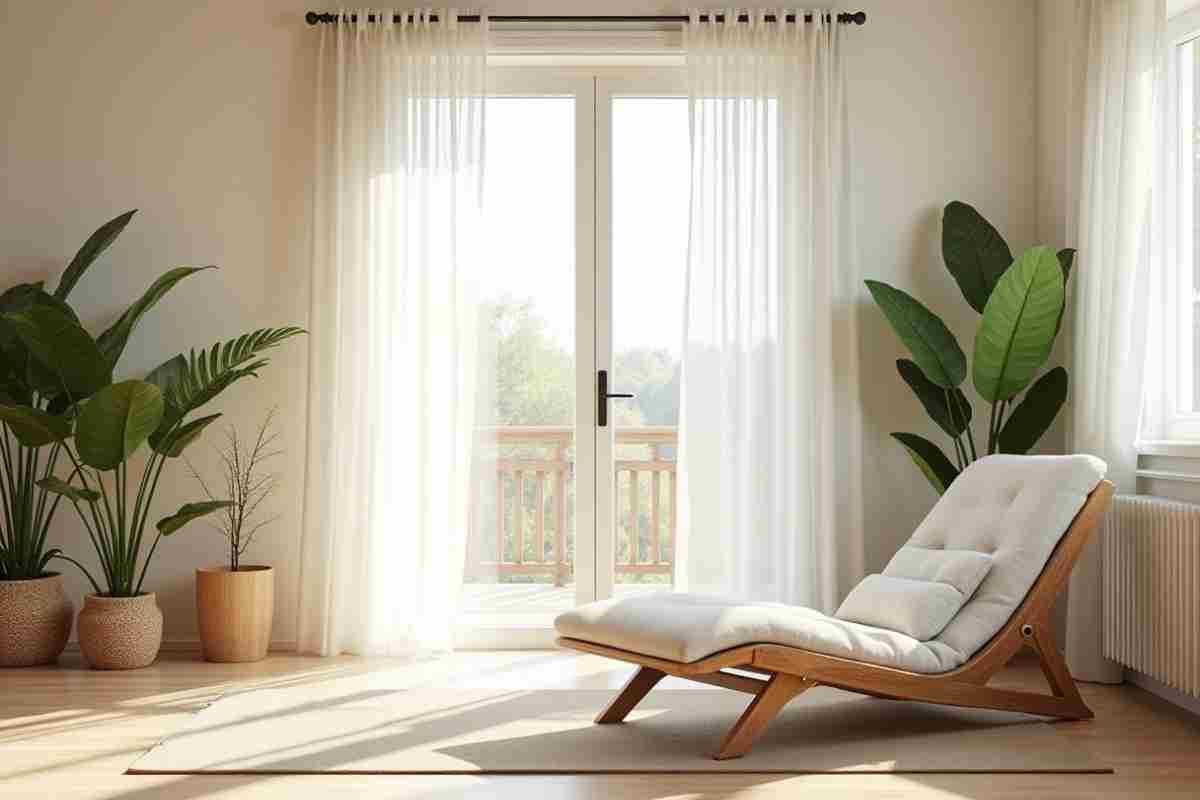
These days, wellness is no longer something reserved for luxury retreats or five-star spas. Increasingly, people want wellness at home—spaces within your own home that support rest, clarity, and genuine rejuvenation. The good news? With thoughtful interior design and a few intentional design choices, it’s entirely possible to create a home designed to support both mental and physical well-being.
Whether you live in a large house or are working with smaller spaces, designing your home with wellness in mind can help reduce stress, improve air quality, and elevate your overall mood.
Understanding Home Wellness
The Concept of Wellness in Home Design
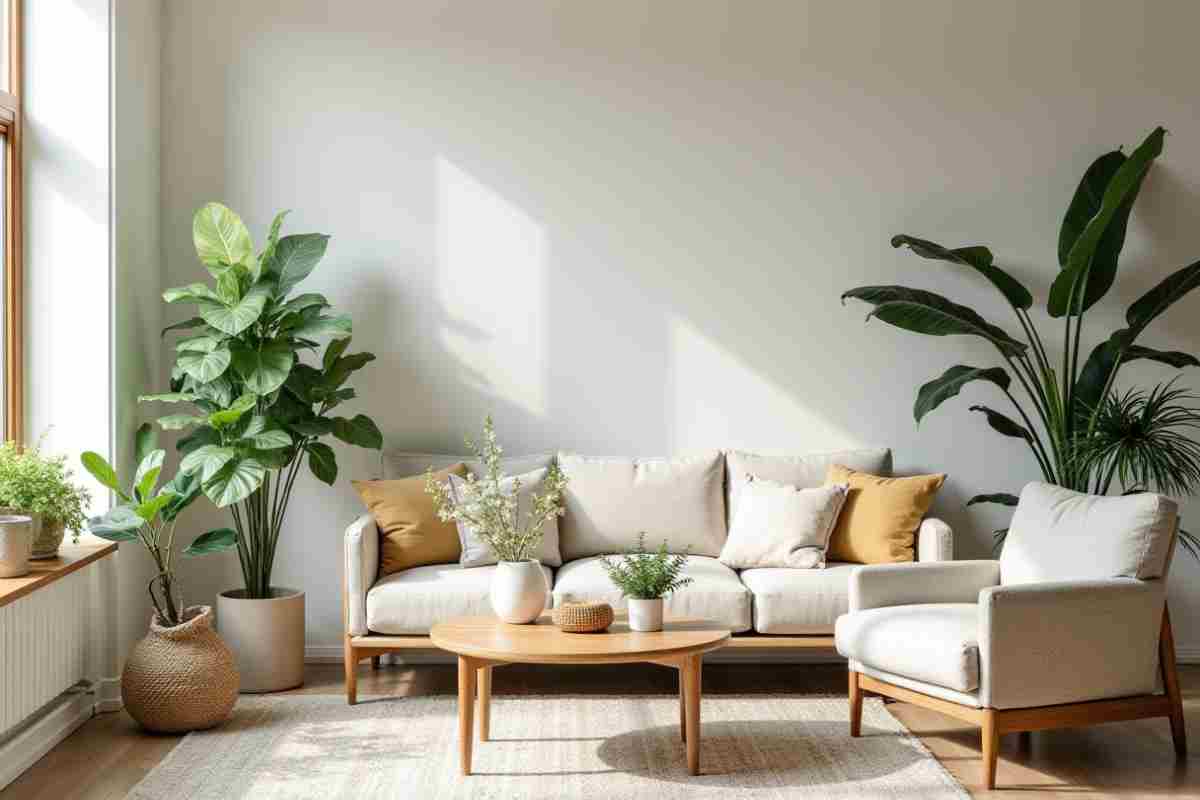
At its core, home wellness is about designing your home to prioritise health, tranquillity, and everyday wellbeing. Modern wellness design blends beautiful interior design with practical features that support wellness practices such as relaxation, movement, mindfulness, and quality sleep.
Today, many interior designer professionals are focusing on wellness in the home, incorporating natural elements, calming environments, and thoughtful layouts that encourage healthier routines.
Some key design principles include:
- Maximising natural light
- Using natural materials such as stone, linen, and timber
- Supporting strong ventilation and better air quality
- Creating calm spaces free from clutter
- Designing dedicated wellness spaces for restorative activities
- When done well, the layout of your home becomes part of your health routine.
Benefits of Creating a Wellness Room
A wellness room gives you a space dedicated to slowing down. It can be used for yoga and meditation, journaling, reading, or simply decompressing after long days.
Having a dedicated wellness space can:
- Improve mental and physical health
- Encourage consistent wellness activities
- Reduce stress and overstimulation
- Support mental well-being and focus on health
- Create a sense of calm during busy weeks
Even a quiet nook with soft lighting, calming colours, and comfortable textures can become restorative.
Incorporating Elements of a Spa at Home
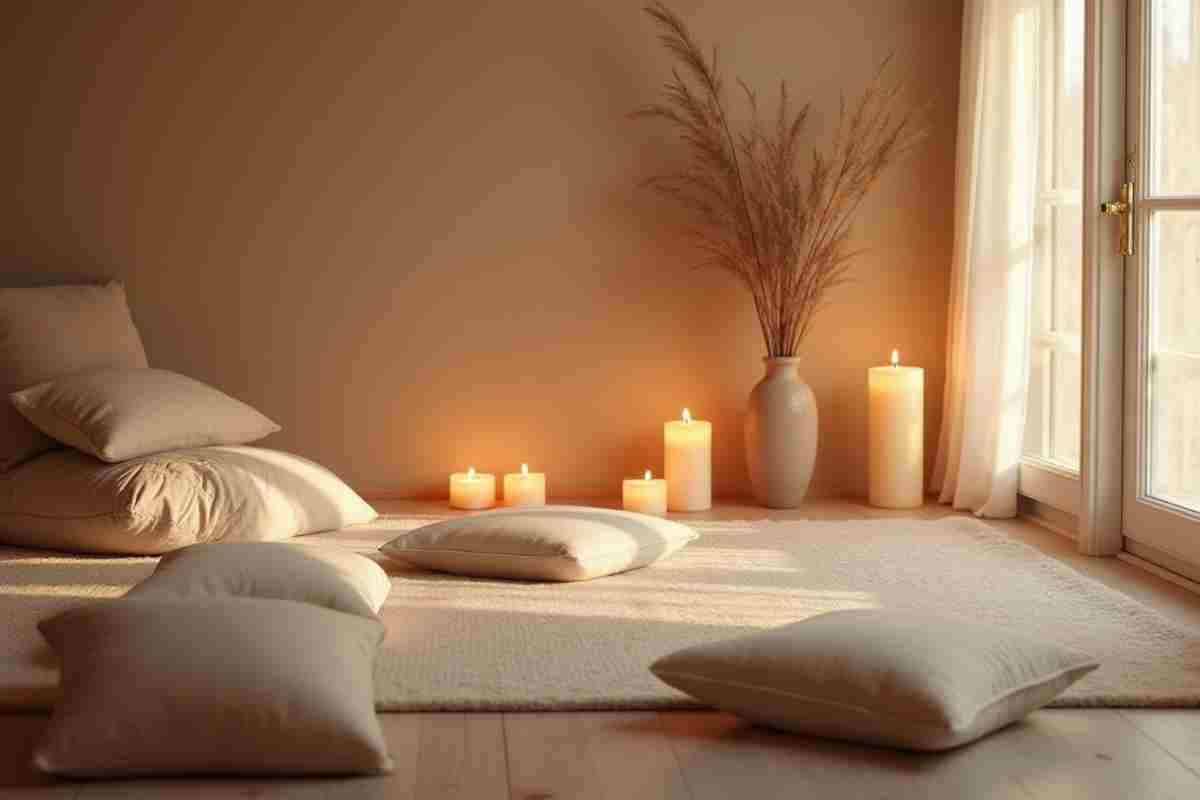
Bringing spa energy into your living space is easier than most people think.
Think:
- Soft lighting and soothing ambience
- Warm timber accents and natural textures
- Aromatherapy and Himalayan salt lamps
- Indoor greenery and biophilic elements
- Storage solutions that keep clutter hidden
Bathrooms are the natural place to start. Adding features inspired by a wellness centre—like a home sauna, steam-style showers, or relaxation corners—can transform everyday routines into moments of rejuvenation.
Designing Your Home for Mindfulness
Creating Wellness Zones Throughout Your Home
Rather than one single room, many homes benefit from wellness zones spread across the living space.
Examples include:
- A morning coffee nook filled with natural light
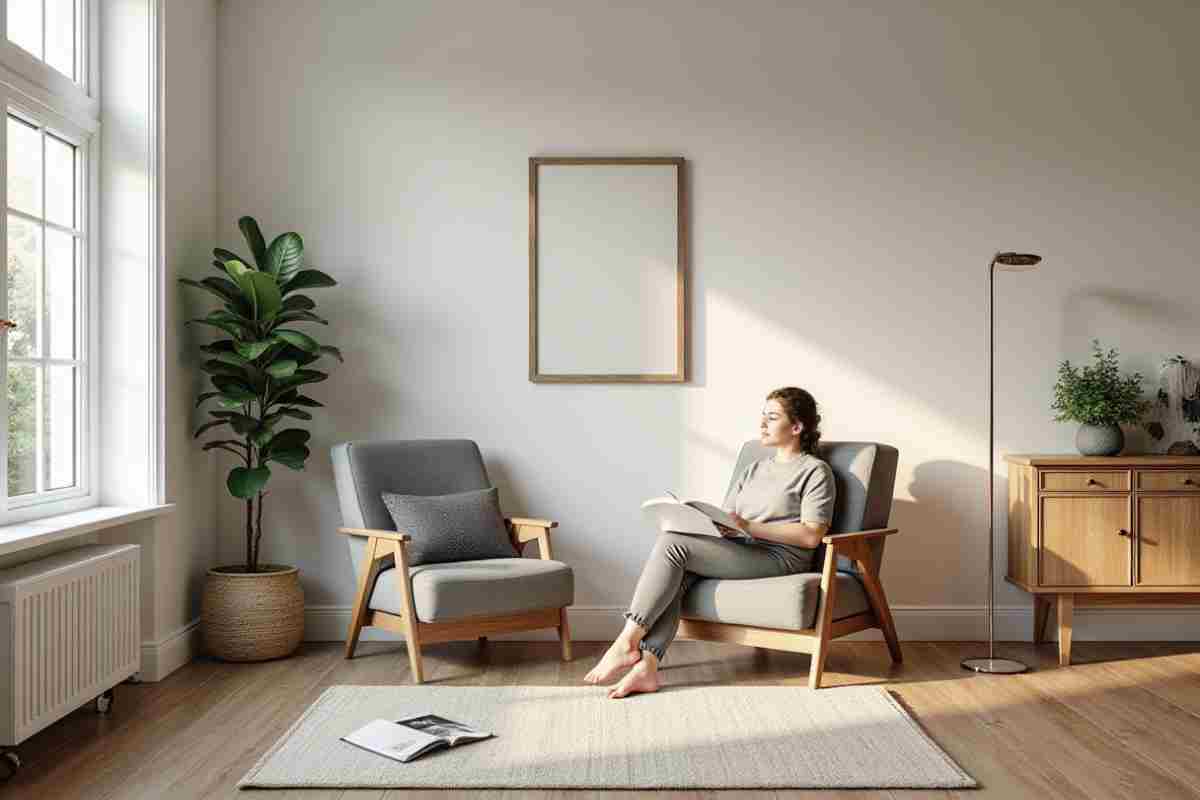
- A quiet reading nook for reflection
- A yoga and meditation corner
- Calm home offices that support productivity
- Restorative wind-down areas in bedrooms
These spaces dedicated to different wellness practices allow you to integrate wellness into your home without major renovations.
Interior Design Tips for Promoting Mental Clarity
When it comes to wellness design, simplicity is powerful.
Consider these interior design tips:
- Prioritise open space and clear surfaces
- Use hidden storage solutions
- Limit visual noise and clutter
- Introduce calming environments with layered textures
- Use lighting to create a soothing atmosphere
The goal is to create a space that helps you feel at home the moment you walk in.
Choosing Colors and Materials for Serenity
Colour and materials heavily influence emotional wellbeing.
Popular wellness-focused design choices include:
- Calming colours like sage, warm white, sand, and muted blues
- Timber furniture for warmth and grounding
- Linen curtains that soften light
- Stone and ceramic elements for texture
- Biophilic design that introduces natural elements indoors
These materials help create a calm space that feels restorative and grounded.
Home Gym and Wellness Retreat Spaces
Building a Home Gym for Physical Wellbeing
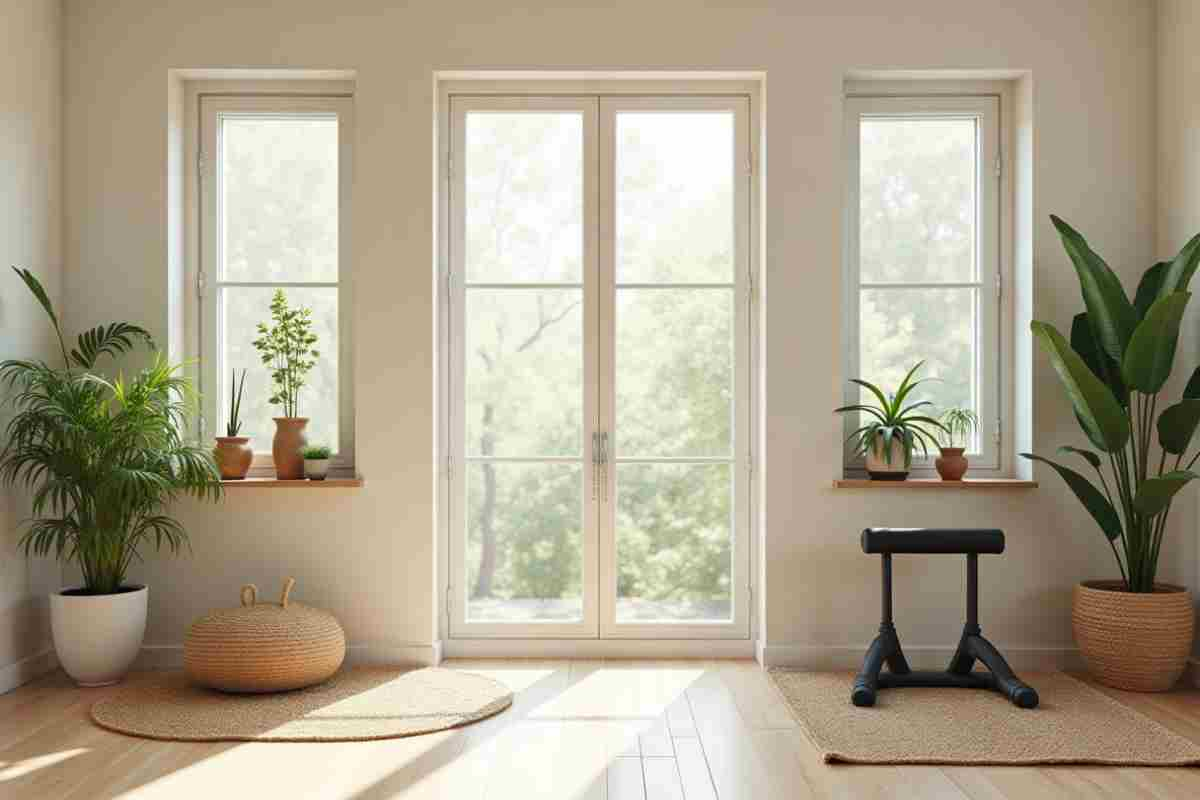
A home gym is one of the most effective ways to support long-term health outcomes. It doesn’t need to be complicated—just intentional.
Focus on:
- Good ventilation and fresh airflow
- Natural light where possible
- Space for stretching and movement
- Equipment for strength and mobility
- Storage solutions to keep the area organised
A small workout zone can make a huge difference to mental and physical wellbeing, especially for those spending more time at home.
Designing a Home Sauna for Relaxation
Interest in infrared sauna technology has grown significantly among health-conscious homeowners. Unlike traditional steam rooms, infrared heat penetrates the body more gently while supporting relaxation and recovery.
When adding a home sauna, consider:
- Quiet placement away from busy areas
- Timber finishes that create warmth
- Soft lighting for ambience
- Nearby shower or cool-down area
Many dream home wellness setups now include saunas and cold plunges as part of a personal wellness retreat.
Incorporating Ice Baths for Recovery
Cold therapy has moved from professional sports into everyday wellness routines.
Adding ice baths or a cold plunge area at home can support recovery, circulation, and mental resilience.
Design tips include:
- Safe, non-slip flooring
- Good drainage and ventilation
- Towels and warming robes nearby
- Pairing cold plunge sessions with a sauna for contrast therapy
It’s a simple addition that can significantly enhance wellbeing.
Home Offices and Productivity
Creating a Wellness Room for Home Offices
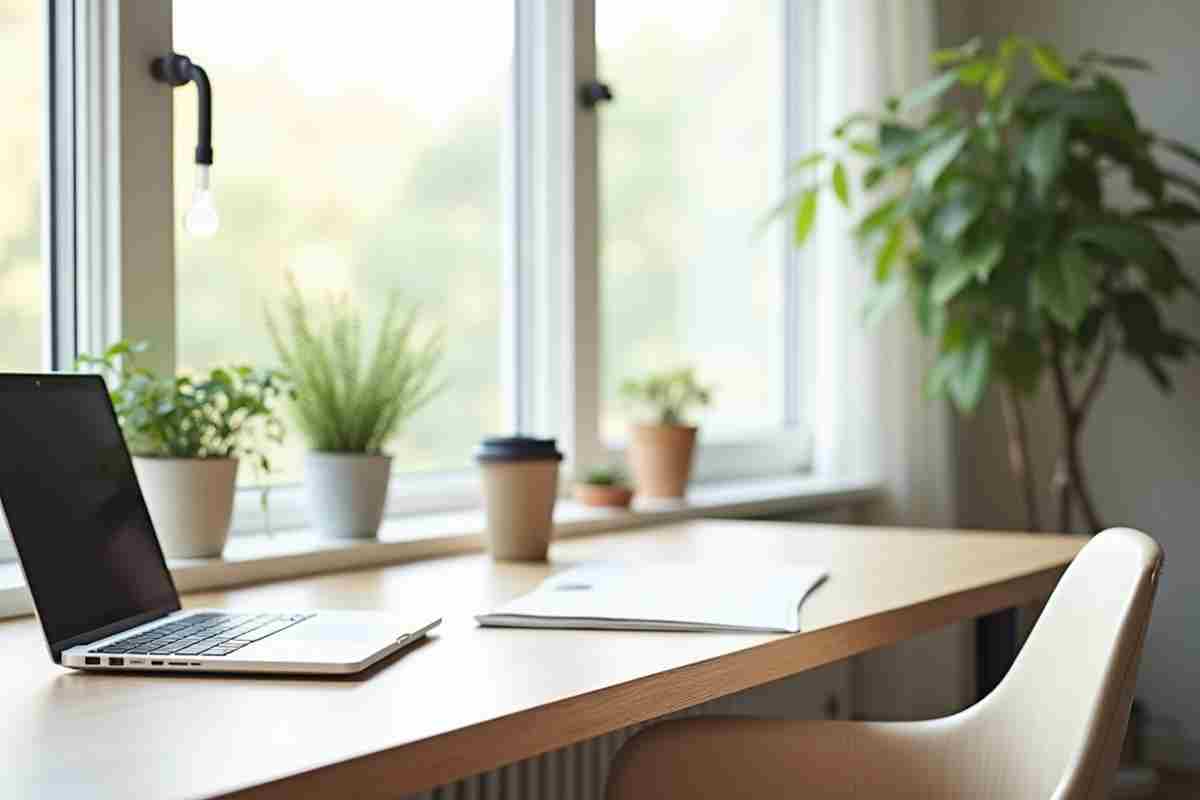
Workspaces are one of the most important areas when designing your home for wellness. Poor environments can quickly impact mental and physical health.
A wellness-focused workspace should include:
- Natural light where possible
- Ergonomic furniture
- Plants and biophilic elements
- Minimal clutter
- Calm colours and soft textures
Many designers now treat home offices as dedicated wellness spaces, not just productivity zones.
Design Elements that Enhance Focus and Clarity
To create a space that supports focus:
- Position desks near windows
- Reduce digital clutter
- Incorporate natural materials
- Use layered lighting
- Keep décor intentional and minimal
These small design adjustments can improve mental clarity and productivity throughout the day.
Purifying the Air for a Healthier Workspace
One of the most overlooked parts of wellness in the home is air quality.
Ways to purify the air include:
- Adding air-purifying plants
- Opening windows to improve ventilation
- Using HEPA purifiers
- Avoiding harsh chemical cleaning products
- Introducing natural scents instead of synthetic ones
Clean air directly impacts mental and physical health, energy levels, and overall wellbeing.
Final Thoughts
Designing your home with wellness in mind isn’t about perfection—it’s about intention. By incorporating natural light, calming colours, biophilic elements, and spaces dedicated to restoration, you can create a home that supports your health and happiness every day.
The beauty of wellness at home is that it evolves with you. Start small: a quiet nook, a calm reading space, a yoga corner, or better air quality. Over time, these changes transform your living space into something much more powerful—a personal sanctuary for health, balance, and rejuvenation.