
If there’s one generation pushing the fashion industry into its next era, it’s Generation Z. Born between 1997 and 2013, they’re rejecting the treadmill of overconsumption and demanding clothing that looks good and aligns with their values. And in Australia, that shift is reshaping everything—from what ends up in landfill to which brands rise to the top.
Despite the dominance of fast fashion and ultra-fast fashion giants like Shein and Temu, 2024 has seen a new wave of sustainably minded Gen Z shoppers who prioritise transparency, environmental impact, and trend-forward style. The message is clear: sustainable fashion must be stylish, accessible, and as scroll-stopping as anything pushed by influencers or content creators on platforms like TikTok.
Trend Overview: The Rise of Cool-Girl Sustainable Style
Sustainable fashion isn’t new—but the way Gen Z wears it is. Forget the beige, minimalist stereotypes of slow fashion: today’s eco-conscious aesthetic is bold, expressive, and driven by social media trends. Gen Z and millennials are leaning into fashion and textiles that merge environmentally conscious materials with the cuts, colours, and silhouettes dominating 2026 fashion trends Australia is known for. From Melbourne’s upcycled streetwear to Byron Bay’s quiet-luxury linen, Australia’s new wave of designers are proving that sustainable can be seriously cool.
Why It’s Trending
1. The Cost-of-Living Reality
With the cost-of-living crisis continuing across Australia, buying smarter—not just cheaper—is becoming a core value for Gen Z consumers. They’re asking whether new clothes are built to last, whether a brand has a positive impact on society, and whether the carbon footprint of fast fashion is worth the momentary trend.
2. Over Fast Fashion’s Empty Promises
Research from institutions like RMIT University and the Australian Institute of Fashion shows that young shoppers are increasingly sceptical of persuasive tactics from brands and influencers. They’re quick to call out greenwashing, especially from fast-fashion retailers and fashion houses recycling the same sustainability buzzwords without structural change.
3. Trend Cycles Are Getting Faster
Ultra-fast fashion brands have accelerated trend cycles to dizzying speeds, but that’s exactly why Gen Z is pushing back. Shein and Temu might dominate sales in 2024, but conscious Gen Zs are tired of micro-trends lasting weeks and the world’s biggest fast-fashion companies pumping out unsustainable products at massive scale.
4. Environmental Awareness Is Now Style Culture
Gen Z’s values aren’t just political—they’re aesthetic. Sustainability signals taste, awareness, and effort. Wearing slow fashion or Australian sustainable brands is increasingly seen as an identity marker, amplified by social media content creators who spotlight responsibly made clothing.
Australian Sustainable Brands Gen Z Actually Wear
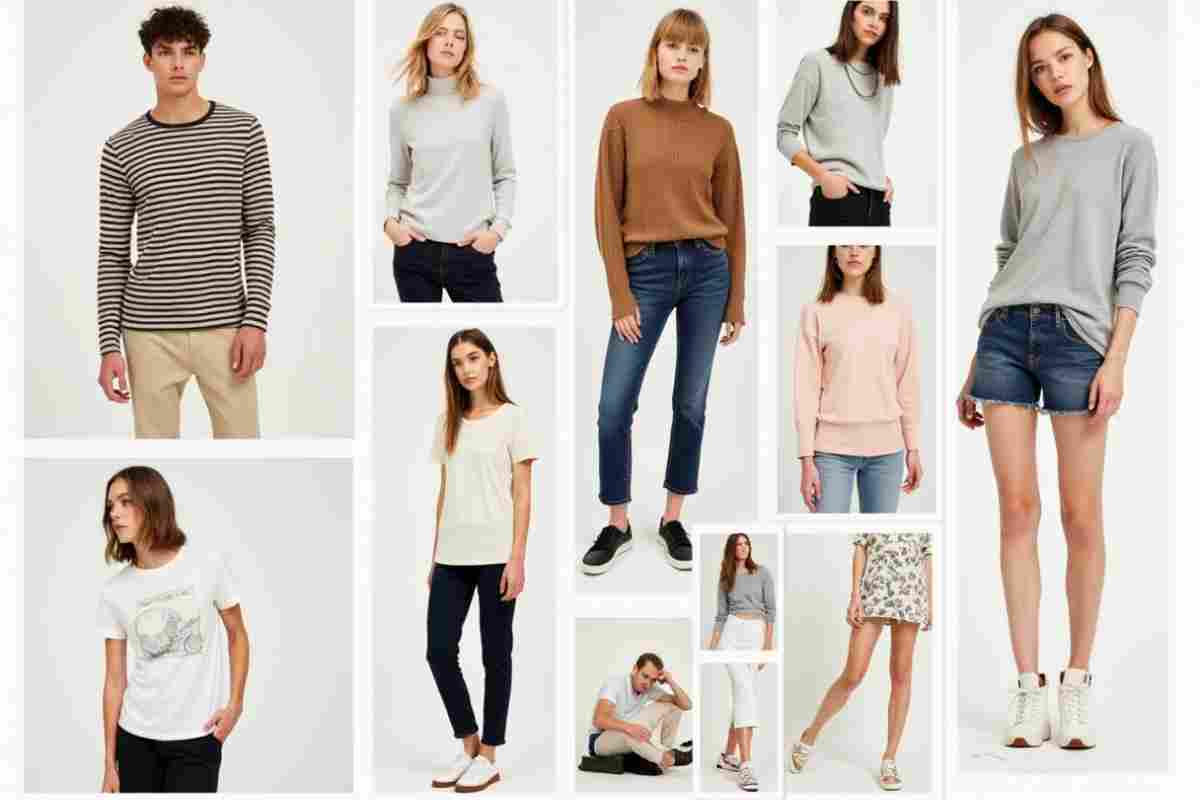
These labels are leading Australia’s eco-conscious style movement—trend-forward, quality-driven, and aligned with Gen Z’s consumption habits.
A.BCH (Melbourne)
Minimalism with an edge. Transparent supply chains, circular design, and pieces that look high-end without feeling overdone.
Afends (Byron Bay)
Hemp denim, surf–skater aesthetic, and relaxed staples that fit effortlessly into Australian wardrobes.
The Possibility Project (Sydney)
Upcycled, handmade garments produced with community partnerships. A favourite among socially engaged Gen Z shoppers.
Nagnata (Byron Bay)
Bold knitwear, sculptural silhouettes, and sustainably made performance pieces seen on influencers across Australia.
Citizen Wolf (Sydney)
Made-to-order T-shirts and basics, cutting textile waste and building garments around your exact fit.
How to Look Trendy and Eco-Conscious
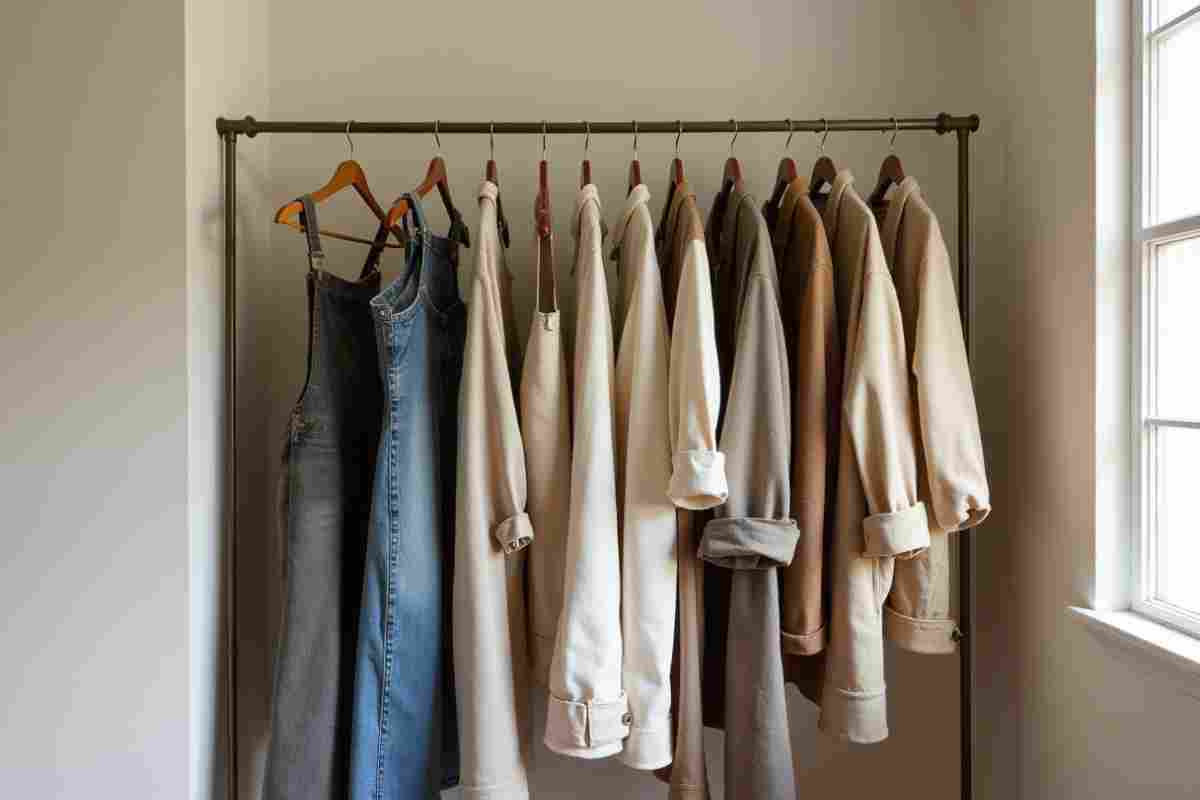
You don’t have to overhaul your wardrobe. You just need smarter, fashion-editor-approved tactics.
1. Build a “Sustainable Capsule with Personality”
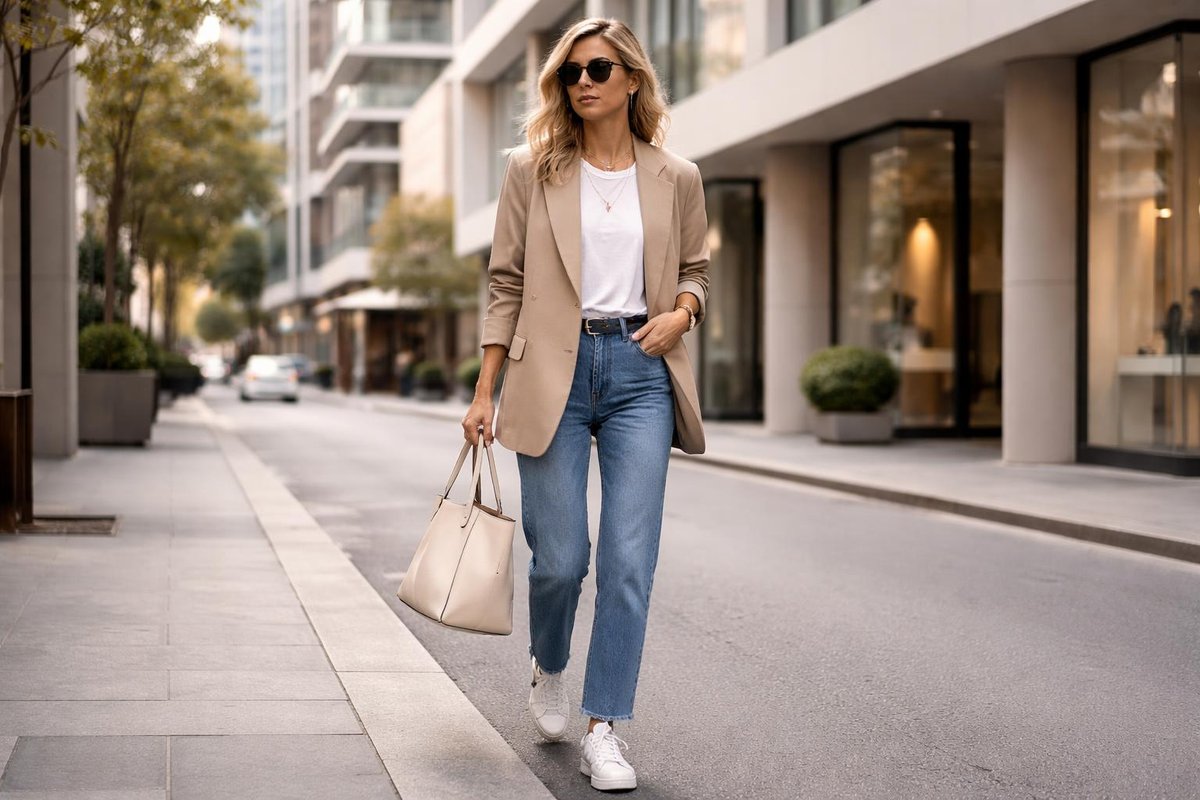
Mix staples—tailored trousers, structured tanks, relaxed denim—with one or two statement pieces from sustainable brands. It keeps your look modern without buying excessively.
2. Prioritise Fabrics That Work Harder
Gen Z shoppers are gravitating toward:
- Organic cotton
- Hemp
- Recycled polyester
- Deadstock textiles
These materials reduce environmental impact while giving outfits fresh texture and depth.
3. Shop Second-Hand Like a Stylist
Platforms like Depop, Poshmark and local vintage markets are full of pieces from Zara, H&M and smaller labels—keeping clothing in circulation and avoiding landfill.
4. Follow Content Creators Who Keep It Real
Look for social media trendsetters who show re-wear outfits, cost-per-wear breakdowns, and styling tips instead of constant hauls.
5. Slow Down the Trend Chase
Instead of jumping on every micro-trend, invest in silhouettes with longevity:
- relaxed suiting
- maxi skirts
- classic denim
- oversized knits
This is slow fashion with a high-style twist.
What’s Next for Sustainable Fashion in Australia
Sustainability is no longer a niche—it’s becoming the backbone of fashion trends Australia will lead in 2026 and beyond. Expect to see:
- More scrutiny on supply chains
- Government conversations around a possible “fashion tax”
- Upcycling becoming mainstream
- Retailers adopting repair programs
- Collaboration between influencers and sustainable brands
- A continued rise in brands that aren’t afraid to challenge fast-fashion norms
For Gen Z’s and millennials alike, sustainability isn’t a trend cycle—it’s a lifestyle shift reshaping the entire Australian fashion ecosystem.
Conclusion
Sustainable fashion isn’t the alternative anymore—it’s the new cool. Gen Z isn’t asking the fashion industry to be perfect, but they’re demanding honesty, creativity, and environmental responsibility. And in 2024 and beyond, the brands leading the cultural conversation will be the ones that deliver style with substance. This isn’t just a movement—it’s a redesign of modern style itself.