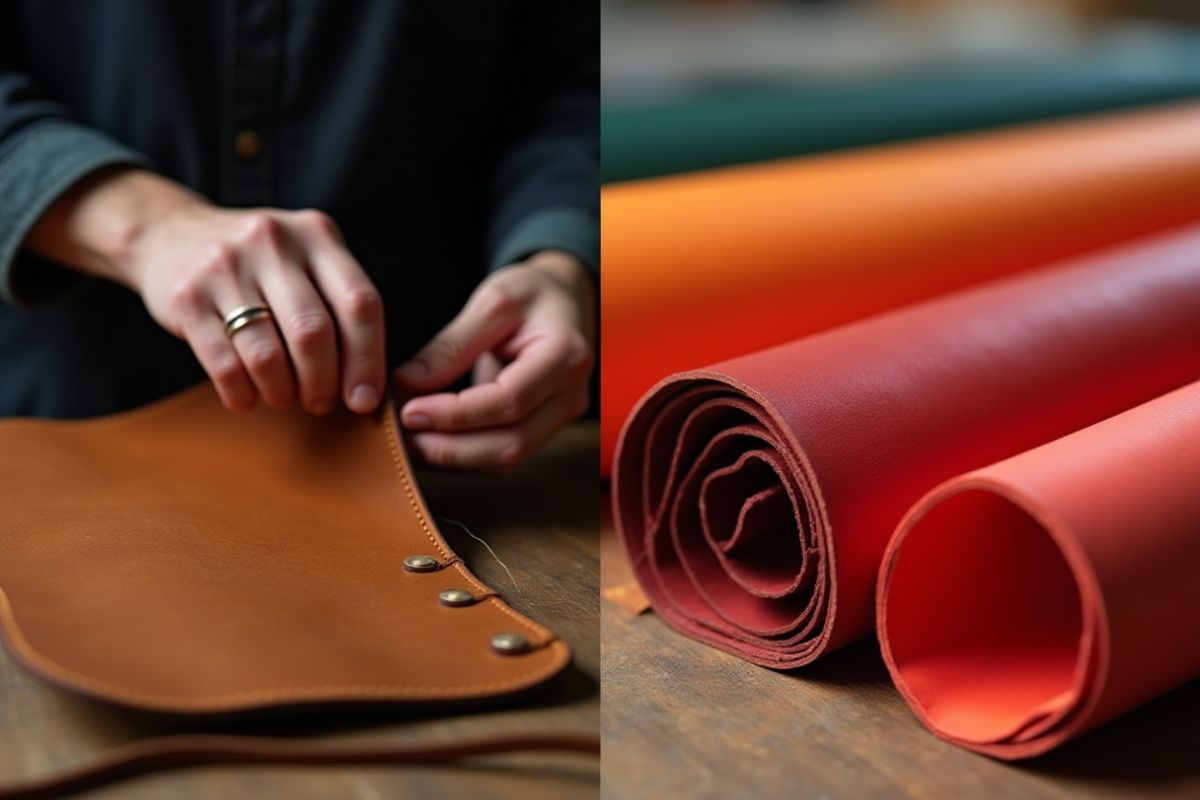
As conversations around sustainability deepen, one topic continues to divide opinion: leather.
Long valued for its durability and timeless appeal, leather has become a symbol of craftsmanship and longevity. Yet, in an age of climate awareness, many are questioning whether it still has a place in a sustainable wardrobe — especially as plastic-based “vegan leathers” rise in popularity.
The truth is, the sustainability debate isn’t as black and white as it seems. It’s not just about what we wear, but how it’s made, used, and valued.
The Case for Real Leather
When produced responsibly, leather can be one of the most enduring and low-waste materials in fashion. Unlike synthetics that break down or peel over time, a well-made leather piece can last for decades, often improving in texture and character as it ages.
High-quality leather is frequently a by-product of the food industry, meaning hides that would otherwise be discarded are given a second life. When tanned and treated using environmentally responsible methods — such as vegetable tanning or Leather Working Group-certified processes — leather’s impact can be significantly reduced.
This is where slow fashion labels, find their stride. Their approach focuses on traceability, small-scale production, and timeless design — values that allow consumers to invest in pieces meant to last a lifetime, rather than a season.
The Plastic Paradox: the Hidden cost of Vegan Leather
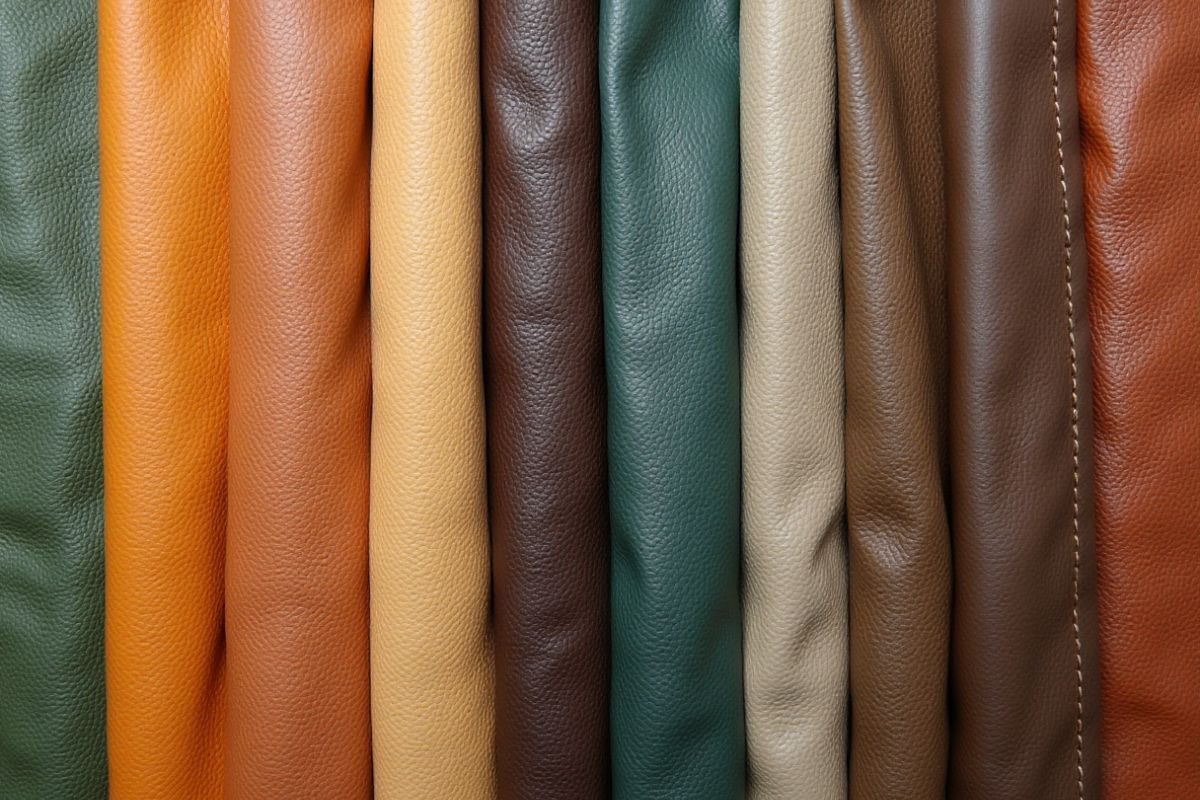
The rise of “vegan leather” has reshaped the conversation around ethics and sustainability. On the surface, avoiding animal hides sounds like a step forward — but many of these alternatives come with their own challenges.
Most vegan leathers are made from PU (polyurethane) or PVC (polyvinyl chloride), both of which are derived from fossil fuels and are not biodegradable. They may avoid animal use, but they contribute to plastic pollution, emit toxins during production, and tend to wear out faster, leading to more frequent replacements.
In other words, they can unintentionally feed into the same fast fashion cycle that sustainability advocates seek to escape.
However, not all alternatives are created equal. A new wave of plant-based materials — like those made from cactus, pineapple, apple skin, or mushroom mycelium — is emerging, showing promising potential for a truly eco-conscious future.
Sustainability Is in the Mindset
Whether animal or plant-based, no material is perfect. What makes fashion sustainable isn’t the elimination of leather, but the rethinking of how we produce and consume it.
Sustainability lies in longevity, care, and connection — in buying less, choosing well, and using longer. When a bag or jacket is made with intention and kept for years, its environmental cost is spread over time, making it inherently more sustainable than a synthetic alternative replaced every season.
It’s a philosophy shared by the growing slow fashion movement — and embodied by brands that prioritise craftsmanship, quality, and conscious consumption.
Reducing Your Carbon Footprint
Choosing responsibly sourced leather can significantly reduce your fashion carbon footprint. High-quality leather, when produced from ethical and traceable sources and designed to last decades, spreads its environmental impact over years of use — unlike short-lived synthetic alternatives that need frequent replacement. Brands embracing slow, intentional production, demonstrate how thoughtful design and durable materials can minimise emissions, conserve resources, and create pieces that are both beautiful and environmentally conscious.
A Sustainable Future for Fashion
The dichotomy between leather and plastic isn’t about choosing sides — it’s about awareness.
We can celebrate innovation in materials while also valuing the art of traditional craftsmanship. We can demand transparency from brands, ask how their materials are sourced, and make choices that reflect our personal ethics and environmental goals.
Ultimately, fashion’s most sustainable future lies in balance — where natural materials are responsibly produced, alternatives continue to evolve, and consumers embrace the idea that slow is beautiful.