If you’ve ever bought something labelled petite and thought, “This looks exactly like the regular version—just tighter,” you’re not alone. Petite sizing remains one of the most misunderstood categories in fashion. And in 2025, the confusion is still very real.
For many shoppers, the term petite conjures images of tiny frames, smaller sizes, and slim silhouettes. But here’s the thing: petite has nothing to do with size—and everything to do with height and proportion.
Wait… So What Does "Petite" Actually Mean?
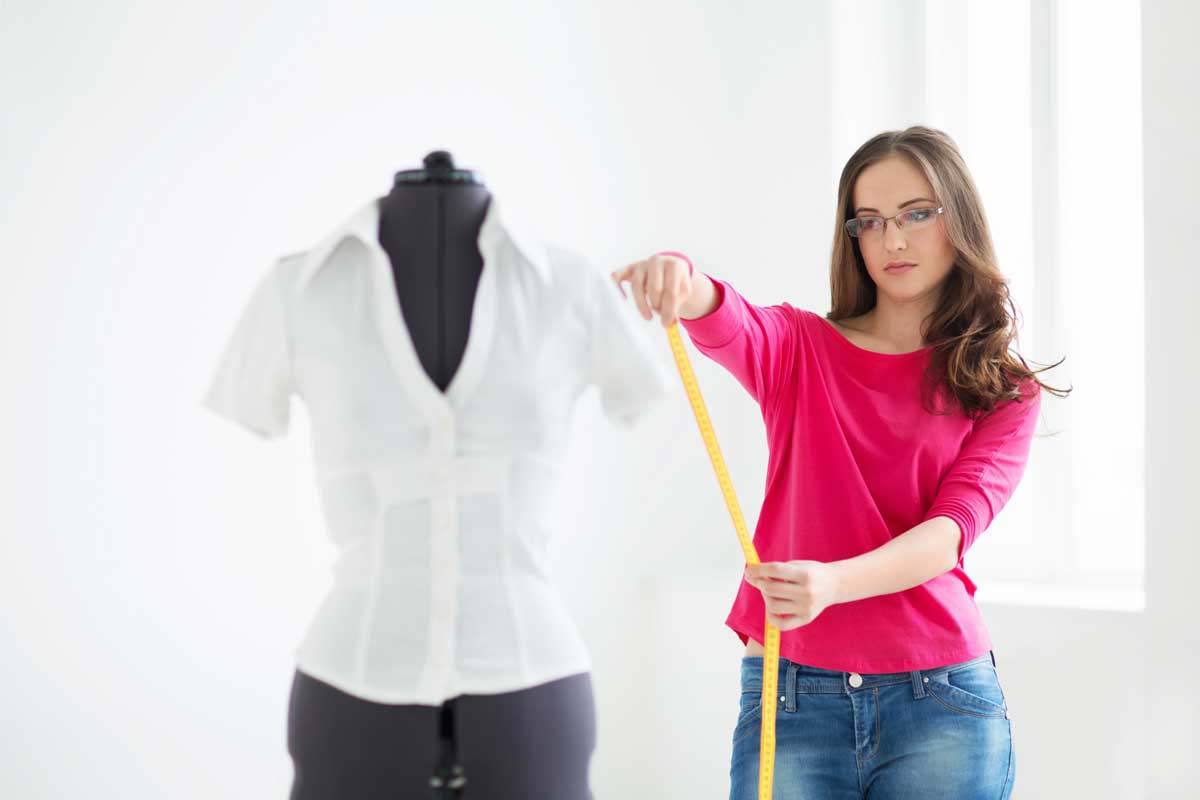
In fashion, petite refers to clothing that’s specifically designed for people who are 5’4” (162 cm) and under. It’s all about proportion—shorter inseams, raised waistlines, narrower shoulders, and sleeves that actually stop at your wrist rather than your fingertips.
So no, petite doesn’t mean size 4 or under. You can be petite and a size 14, or even a 20. Petite is about your vertical measurements, not your weight.
Unfortunately, not every brand seems to understand this. The petite section is often limited, mislabelled, or simply filled with scaled-down versions of regular garments that don’t address the true needs of shorter women.
The Industry Problem: One Label, Too Many Assumptions
The issue stems partly from brands using petite as a catch-all. Some use it interchangeably with slim, others assume it’s a sizing preference rather than a fit necessity. The result? Shoppers are left playing a frustrating guessing game—especially online.
This inconsistency can make shopping for clothes feel like a chore. You order a "petite" dress only to find the sleeves still drown your arms, or the waist sits halfway down your hips. It's exhausting.
Which is why clear, honest sizing information is more important than ever.
The Brands Getting It Right
We love seeing brands that not only offer petite sizing but also take the time to educate their customers. A great example is Mona Juliet’s Petite Sizing Guide, which clearly explains what “petite” really means and how their designs are thoughtfully tailored to flatter shorter frames. Their approach, as featured in Empowering Petite Professionals: The Story Behind Mona Juliet, shows how thoughtful design and education can truly empower petite women to dress with confidence.
They adjust more than just length—they redesign proportions, so the garment fits the body the way it was intended. Whether you’re shopping for trousers, blazers, or dresses, it’s a refreshing shift from the "just hem it" mindset.
How to Know If You Should Be Wearing Petite
Still not sure if petite sizing is for you? Here are some signs you might be better off browsing the petite section:
- You’re 5’4” or under
- Standard trousers and jeans always need to be taken up
- Waistbands fall too low
- Shoulder seams droop
- Midi dresses look maxi on you
- Blazers feel bulky or boxy in the shoulders
These small adjustments in garment design make a big difference in how clothes sit on your frame—and how confident you feel wearing them.
Why Fit Still Matters in 2025
In an era of body positivity and personalised fashion, it’s surprising how many brands still treat petite sizing as an afterthought. But there’s hope. As more women speak up about their fit frustrations, we’re seeing slow but steady change.
Petite shouldn’t mean limited options. It should mean thoughtful design. It should mean clothes that fit well right off the rack—not after a visit to your tailor.
So next time someone tells you petite means "tiny," feel free to set the record straight. Because when it comes to style, it’s not your body that needs to change—it’s the clothes.
Want to know what true petite fit looks like? Check out Mona Juliet’s Petite Sizing Guide for a breakdown that actually makes sense.