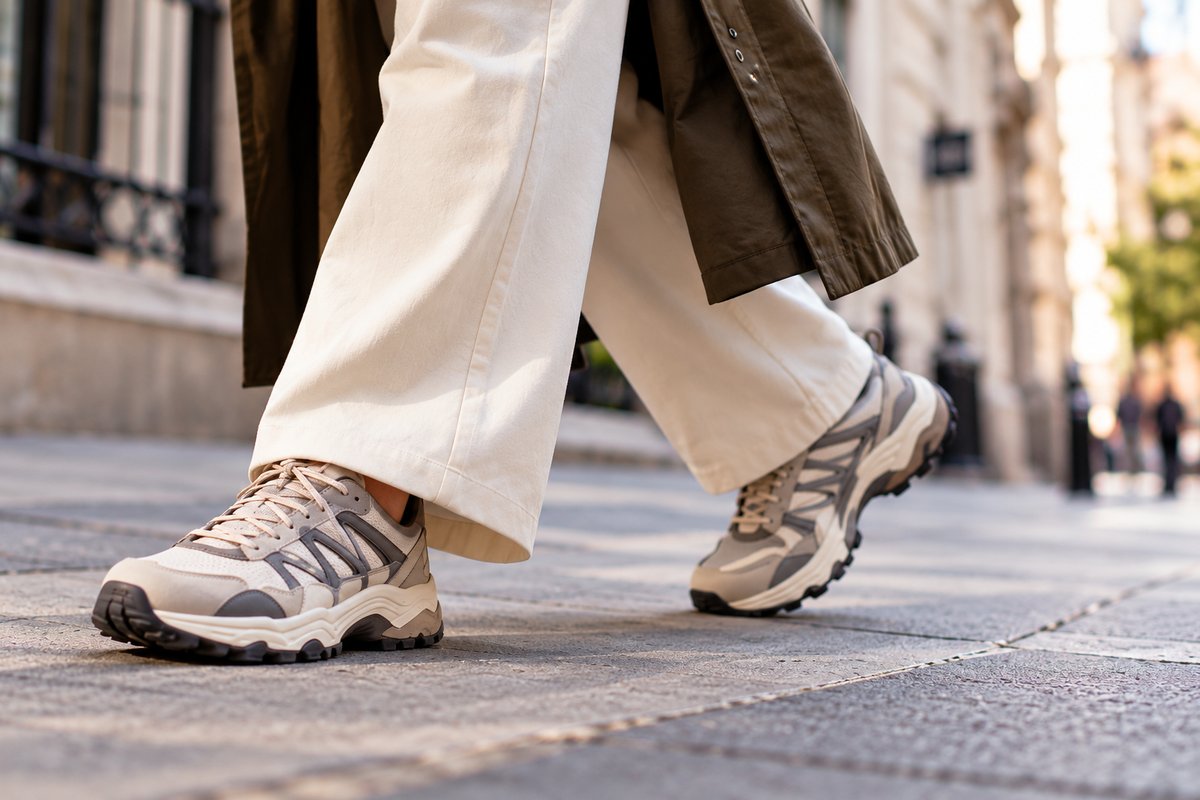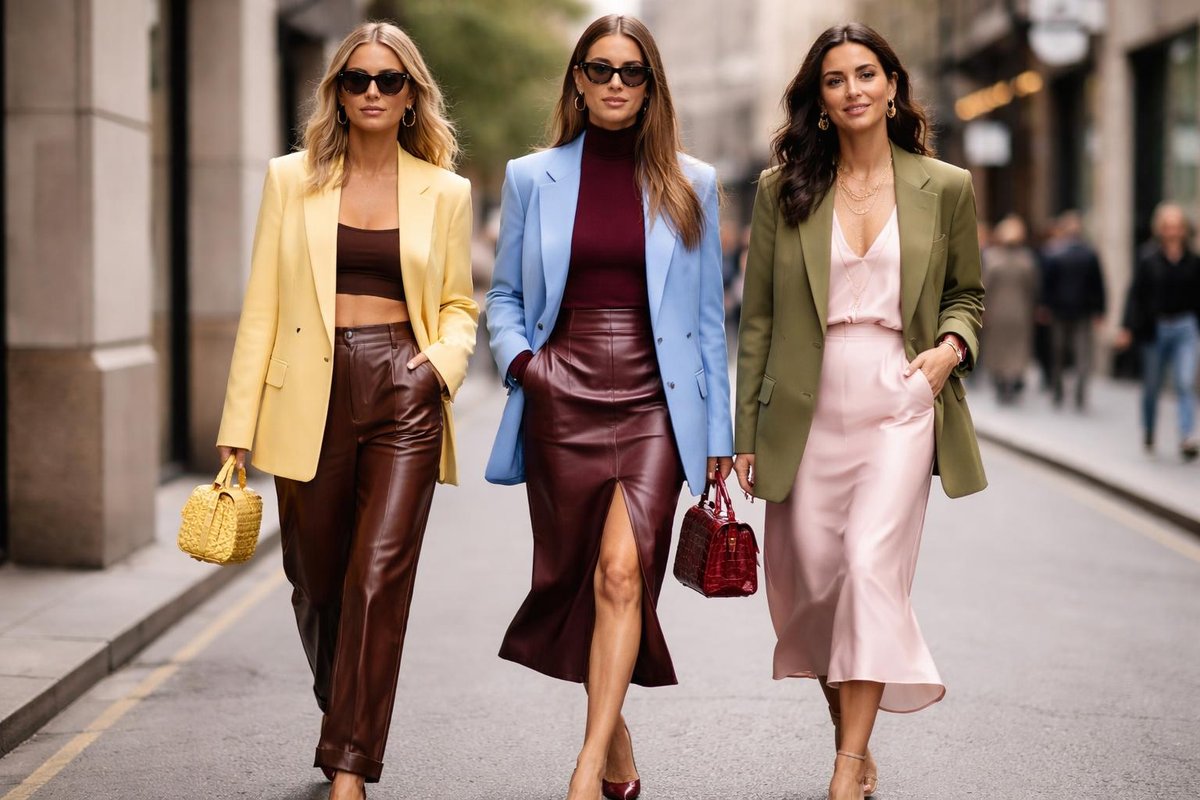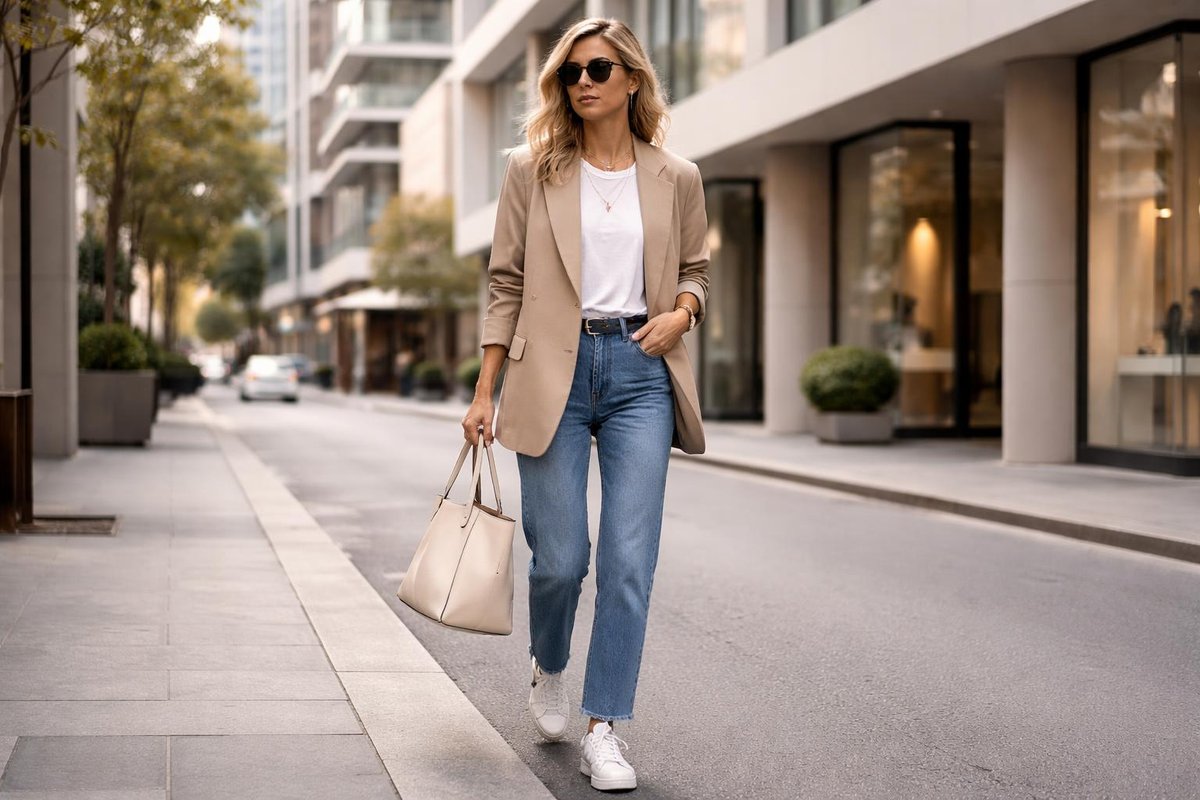
Texture, proportion and colour — the modern way to elevate any outfit without buying more.
Layering is having a quiet but decisive moment again. Across street style and runways, the most compelling looks aren’t louder — they’re smarter.
The shift is clear: it’s no longer about adding more clothes, but knowing how to layer outfits with intention. Done right, even basics feel directional, polished and expensive.
Trend Overview
Layering has evolved from a practical cold-weather habit into a styling language. At 2026 fashion trends presentations — from The Row to Khaite — outfits were built through subtle combinations: a fine knit under tailoring, a trench over fluid layers, a scarf used sparingly for depth rather than drama.
The key idea?
A layered look should feel effortless, not engineered. What defines modern layering:
- Precision over volume
- Mixed fabrics like wool, denim, and leather
- A strong silhouette that avoids looking bulky
This is the new art of layering — refined, minimal, and quietly impactful.
Why It’s Trending Now
Fashion is responding to restraint.
With rising costs and growing awareness of sustainable fashion Australia, consumers are shifting towards reworking what they already own. Knowing how to layer outfits well extends your wardrobe — no new purchases required.
There’s also a continued influence from “quiet luxury.” The emphasis has moved beyond labels into execution. A simple tee, blazer and wool coat can look premium — or average — depending entirely on styling.
Layering delivers:
- Warmth without adding bulk
- Flexibility to add or remove pieces throughout the day
- A way to create visual interest using existing items
It’s practicality meeting polish.
How to Wear It (Real Life)
Step 1: Texture — Mix, Don’t Match
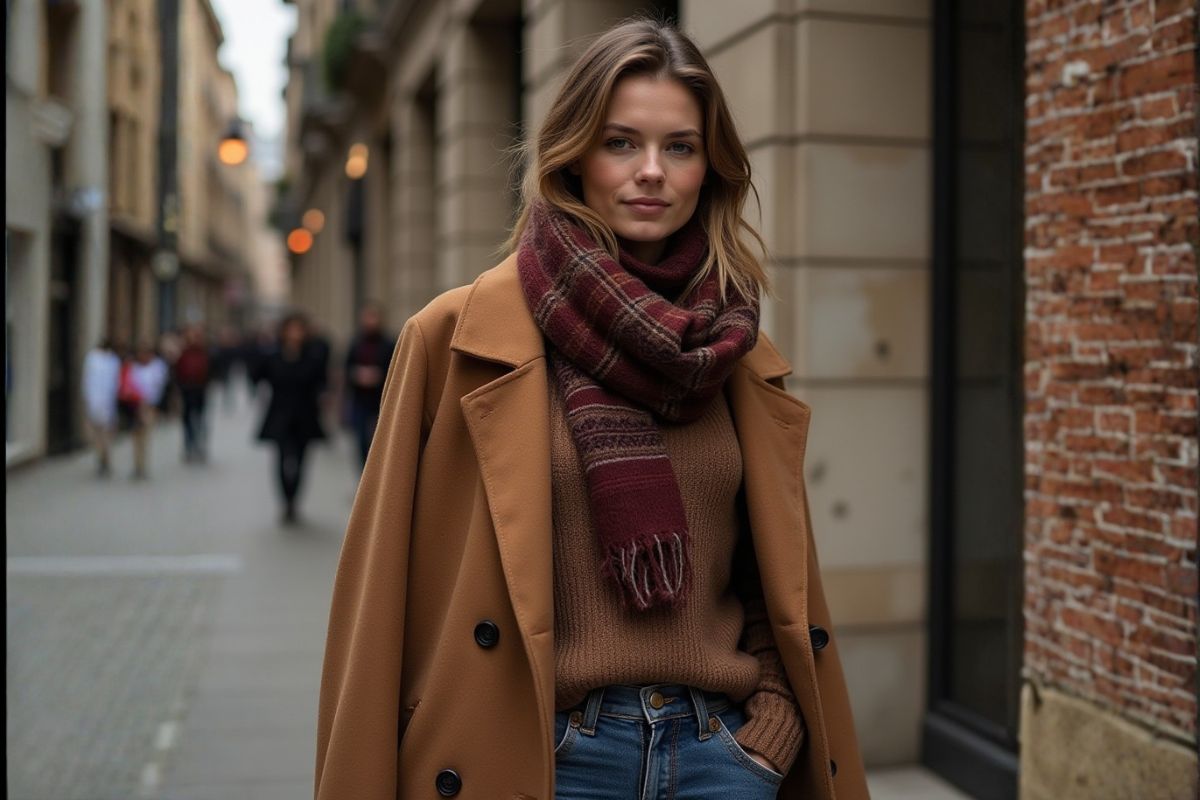
Think knit + denim + wool + leather
Texture is where a layered outfit begins. Without it, everything looks flat.
Style tip: combine contrasting finishes:
- Chunky knit + smooth leather jacket
- Denim + soft wool coat
- Cotton tee under a structured blazer
These combinations add interest and depth instantly.
Avoid overloading textures. Too many heavy elements can make a look bulky. Instead, balance soft and structured fabrics like breathable cotton with heavier outerwear.
Step 2: Proportion — Shape the Silhouette
Think slim-under-wide, long-over-short
The biggest mistake in layering pieces is ignoring shape.
To layer clothes like a stylist:
- Keep your base layer fitted (tee, turtleneck or blouse)
- Add volume through one piece only — a blazer, cardigan or trench
- Use a belt to define shape when needed
Example formulas:
- Slim turtleneck + wide-leg trousers + long coat
- Button-up shirt + oversized blazer + straight denim
- Slip dress + chunky knit layered over top
The goal is a clean silhouette — structured, not shapeless.
Step 3: Colour Harmony — Keep It Cohesive
Tonal base + one pop of colour
A cohesive palette is what transforms an outfit from styled to stylish.
Start with neutrals:
- Black, cream, navy, beige
Then introduce one pop of colour:
- Burgundy scarf
- Olive vest
- Soft blue shirt under a neutral blazer
This keeps the outfit feeling cohesive and deliberate.
Too many competing shades disrupt the look. Restraint is what creates polish.
10 Saveable Layered Outfit Ideas
- White tee + beige knit + tailored wool trousers
- Black turtleneck + oversized blazer + denim
- Slip dress + cropped cardigan + boots
- Button-up shirt + sweater draped over shoulders + wide-leg pants
- Tank + leather jacket + structured trousers
- Blouse + long trench + straight-leg denim
- Ribbed dress + chunky knit + belt at the waist
- Neutral co-ord + bold scarf for contrast
- Tee + bomber + wool trousers
- Knitwear set + long coat + sneakers
Each outfit follows the same formula: mix textures, control silhouette, keep colour cohesive.
Layering Mistakes That Cheapen a Look
Even strong pieces can fall flat without the right layering techniques.
1. Too many heavy layers
Stacking thick fabrics makes you look bulky rather than chic.
2. No base structure
Skipping a clean first layer results in a sloppy finish.
3. Clashing textures
Too many competing fabrics overwhelm the outfit.
4. Over-accessorising
Accessories like scarves should enhance, not dominate.
5. Ignoring proportions
Wide + wide + oversized rarely works — balance is key.
Opinion: the best layered outfits feel edited, not excessive.
The Australian Take
Layering in Australia is about adaptability.
Between mild winters and unpredictable transitional weather, outfits need to be breathable and flexible.
Think:
- Lightweight knitwear over cotton tees
- Trench coats instead of heavy outer layer pieces
- Layering summer pieces like slip dresses into cooler months
This approach allows you to stay cosy without overheating, while still looking polished. Local brands like Bassike and Jac + Jack lean into this philosophy — creating pieces designed to be layered seamlessly across seasons.
What’s Next
Layering is becoming a core styling skill rather than a seasonal trend.
As wardrobes become more intentional, knowing how to layer outfits well will define personal style. Expect a continued focus on:
- Versatile layering pieces
- Smarter fabric combinations
- Outfits that transition effortlessly between seasons
The emphasis isn’t on more — it’s on better.
Conclusion
Mastering the art of layering isn’t about complexity — it’s about clarity.
Texture adds depth.
Proportion creates shape.
Colour brings cohesion.
Get those three right, and even the simplest outfit can feel elevated.
This isn’t just a styling trick — it’s a shift in how we define modern dressing.