
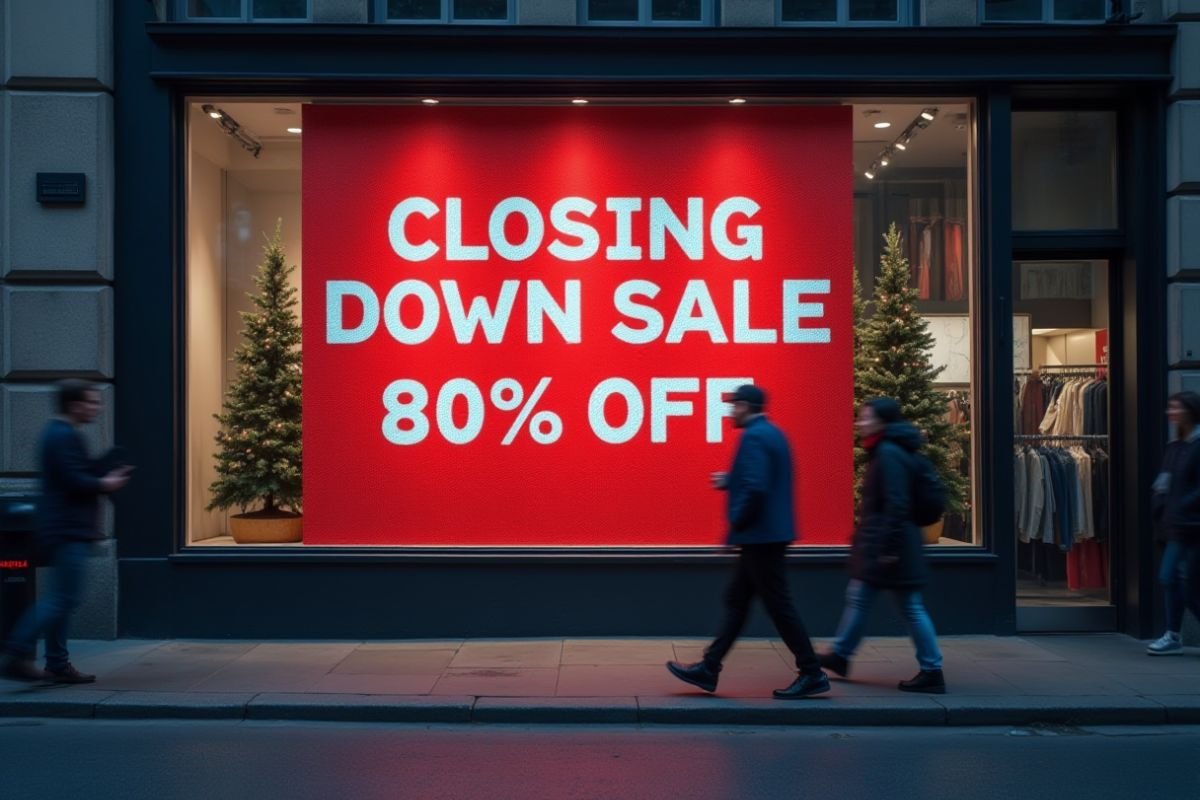
In the digital age, the allure of unbeatable deals during "closing-down sales" often masks a deceptive reality. This article delves into the intricate workings of these fraudulent schemes, exposing how scammers exploit shoppers' trust and create fake websites on social media platforms like Facebook and Instagram, all while feigning the closure of a business. By understanding the red flags and mechanics of these operations, consumers can better protect themselves from falling victim to these sophisticated scams across Australia.
Understanding the Scam Behind Closing Down Sales

The closing down sale scam preys on consumers through urgency and emotional ads, typically promoted on social media platforms. Scammers employ several deceptive tactics, including:
- Falsely claiming to be closing local businesses or legitimate retailers to create a sense of urgency.
- Offering products at drastically reduced prices to lure unsuspecting shoppers.
These fraudulent ads often lead to fake websites designed to mimic established brands, further deceiving individuals into believing they are dealing with a genuine online store.
What Are Ghost Stores?
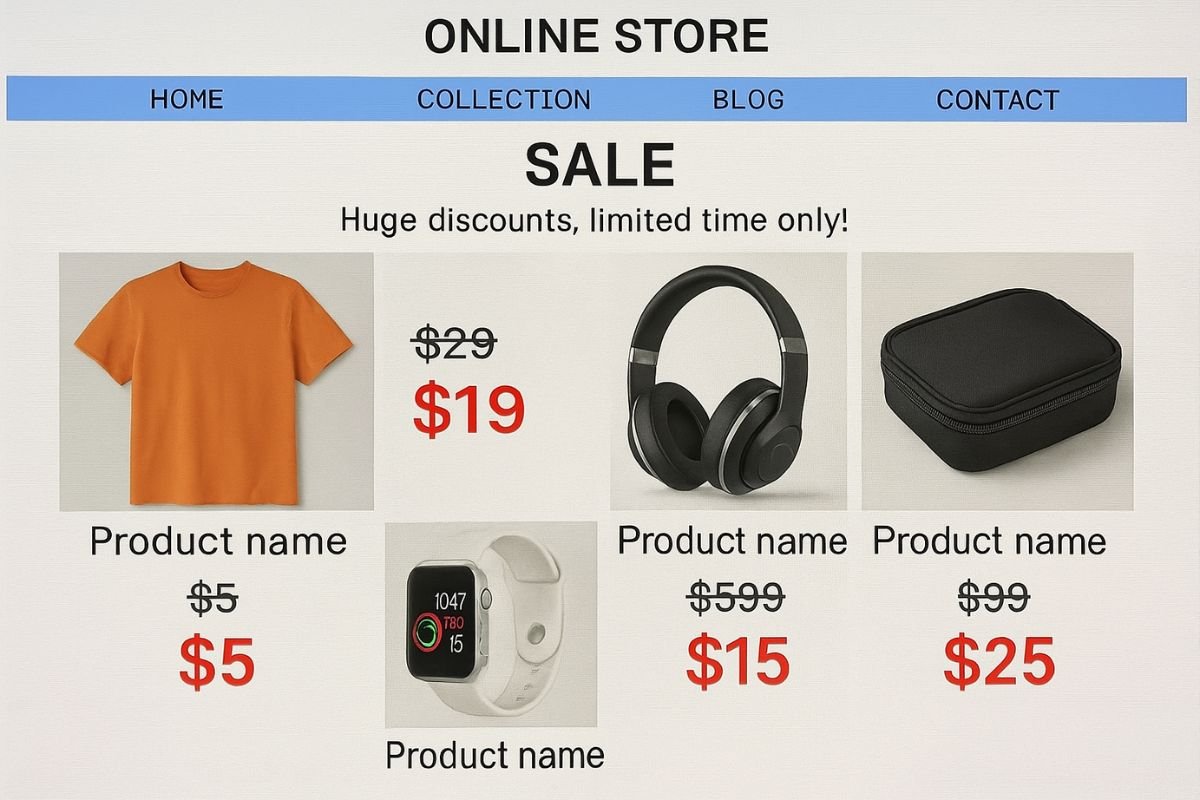
Ghost stores are essentially elaborate storefronts designed to deceive consumers into thinking they are purchasing from a legitimate brand. These entities are often referred to as ghost stores because they lack a physical presence or a genuine history, operating solely as a front for fraudulent activities. This is done to avoid detection from the Australian Competition and Consumer Commission (ACCC) and other consumer watchdogs, making them a key tool in many scams that originate, including those involving closing down sales.
The Mechanics of Closing Down Sales
The scam operates by employing a couple of key tactics. Specifically, the scammer does the following:
- Creates a sense of urgency to pressure quick decisions.
- Offers deep discounts to entice potential victims.
The scammer will put up online retailers and closing-down sales advertisements on Facebook and Instagram. These ads use targeted advertising to attract shoppers. The ads often claim that a well-known brand is going out-of-business or is claiming to be closing to push customers to buy. Shoppers are encouraged to act fast, as the sales on social media ads are portrayed as time-sensitive.
How Scammers Operate in the Retail Space
Scammers often use tactics that are inconsistent with legitimate retailers. For example, many claiming to be Australian actually operate from overseas warehouses. These inconsistencies, such as unsecure payment methods, unusual terms and conditions, and the lack of proper contact information, are red flags of potential scams. It's also important to check the company name and do a whois lookup to see when the domain was registered, which can reveal suspicious business practices. There is AI generated content that is used to create emotional ads to convince the shopper.
Identifying Red Flags in Going-Out-of-Business Ads
Common Indicators of a Scam
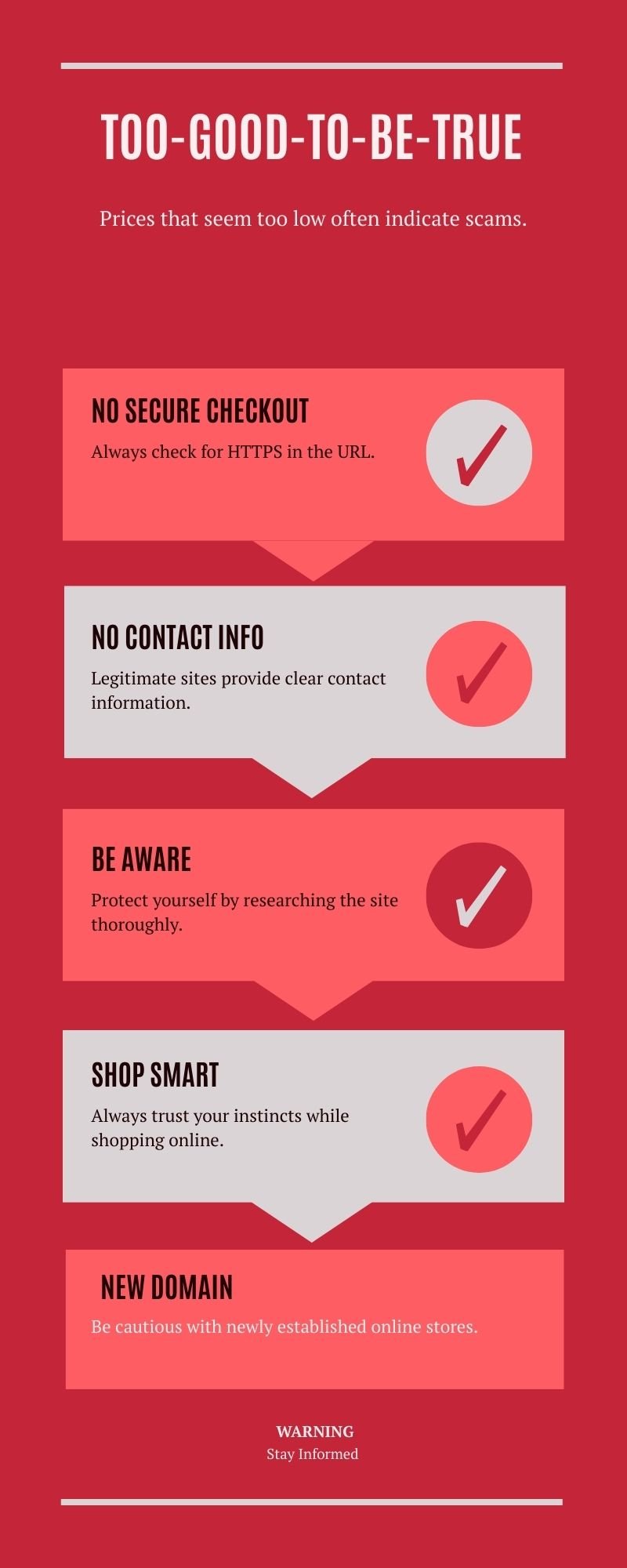
When browsing through store closing ads on Facebook and Instagram, certain red flags should immediately raise suspicion. Be wary of closing-down sales featuring excessively discounted prices or those promoting an urgency to purchase due to limited stock, characteristics of a typical scam. Check for inconsistencies in the terms and conditions, such as unusual return policies or shipping costs, and scrutinize the payment methods offered, as unsecure payment methods are frequently used by scammers. It's crucial to also be on the lookout for emotional ads, especially those with AI-generated content designed to pressure the shopper into making hasty decisions. Suspicious businesses like a storefront without a physical address are another example of scams that originate.
Analyzing Facebook Pages for Authenticity
Investigating the Facebook pages of online retailers is crucial to avoid fraudulent closing down sales. Here are some key factors to consider:
| Factor | What to Look For | |||
| Page Age | Newly created pages advertising going-out-of-business sales should raise alarms. | |||
| Activity | Scrutinize the frequency and quality of posts, and watch out for generic or AI content. | |||
| Shopper Feedback | Examine the comments section for feedback from other shoppers. Negative reviews or reports of delayed or non-existent orders can indicate scams. | |||
Also, make sure the boutique's contact information is verifiable. Pay attention to the URL of the online store and if it's using Shopify or similar platforms.
Consumer Protection Tips
To protect yourself from closing-down sales scams across Australia, stay vigilant and follow several key consumer protection tips. Always verify the legitimacy of online retailers before making a purchase; conduct a whois lookup to check when the domain was registered and research the company name. If the sales on social media appear to good to be true, it probably is a scam. Use secure payment methods like credit cards or PayPal, which often provide avenues for dispute resolution and potential refunds if you become a victim of a scam. If you encounter a fraudulent ad on social media platforms, immediately report suspicious ads to Meta and the Australian Competition and Consumer Commission (ACCC). Always make sure that the online store is not a ghost store.
The Impact of Ghost Stores on Local Businesses

How Scams Affect Real Retailers
The prevalence of ghost stores and fraudulent closing-down sales can have a devastating impact on local businesses and legitimate retailers. When scammers flood the e-commerce market with fake websites offering unrealistically low prices, genuine boutiques struggle to compete. This unfair competition can lead to decreased sales, reduced profits, and ultimately, potential closure for brick-and-mortar stores. Legitimate retailers find it difficult to compete with the low prices offered by scams, who aren't bound by the same ethical, legal, and cost constraints.
Consumer Trust and Its Erosion
Each instance of a successful closing down sale scam erodes shopper trust in both online retailers and the e-commerce ecosystem as a whole. When consumers fall victim to fraudulent schemes advertised on social media platforms like Facebook and Instagram, they become wary of all online advertisements, regardless of the source's legitimacy. This erosion of trust can deter consumers from engaging with online stores altogether, negatively impacting legitimate businesses that rely on e-commerce for their revenue. Rebuilding this trust is a long and challenging process and requires a multi-faceted approach.
Legal Implications for Scammers
Scammers who operate ghost stores and perpetrate closing-down sales scams face serious legal consequences if caught. These activities are considered fraudulent and can result in criminal charges, including fines and imprisonment. The Australian Competition and Consumer Commission (ACCC) actively investigates and prosecutes individuals and entities involved in deceptive business practices. The ACCC also seeks to recover ill-gotten gains and provide refunds to victimized shoppers. While some of these organizations are claiming to be Australian, many of them are located in overseas warehouses, which makes the legal process even harder.
AI's Role in Detecting Retail Scams

Leveraging AI to Identify Scams
AI is playing an increasingly crucial role in detecting and preventing retail scams, especially those involving fake websites and fraudulent closing-down sales. AI algorithms can analyze vast amounts of data, including website content, social media posts, and user reviews, to identify patterns and red flags associated with scams that originate. By identifying suspicious businesses such as ghost stores, the AI can provide early warning signs to consumers and law enforcement, helping to mitigate the damage caused by scammers. Emotional ads are also easy to detect using AI.
Future Trends in Scam Detection
The future of scam detection will likely see even greater integration of AI and machine learning technologies. AI systems will become more sophisticated in their ability to identify subtle cues and inconsistencies that indicate fraudulent activity, such as AI-generated content and manipulated images. Furthermore, AI can be used to personalize warnings and educate shoppers about potential scams based on their browsing habits and past online behavior. It is very important to report suspicious ads to Meta.
Collaborative Efforts Between Platforms and Consumers
Combating closing-down sales scams requires collaborative efforts between social media platforms, e-commerce providers, and consumers. Platforms like Facebook and Instagram need to invest in advanced AI tools to identify and remove fraudulent ads and fake websites promoting scams. Consumers must remain vigilant, investigating the pages, report suspicious ads, and sharing their experiences to help others avoid falling victim to these schemes. Consumer watchdogs need to be funded by Shopify and similar online store platforms.