
Understanding Personal Branding
For any aspiring fashion designer or fashion entrepreneur, understanding personal branding is paramount. Your personal brand is the unique combination of skills, experience, and personality that you want your followers to see. In the fashion industry, where creativity and vision are highly valued, your personal brand can significantly impact the perception of your fashion brand. It’s about showcasing your unique selling proposition and how your personal values align with the ethos of your fashion line. Building a strong personal brand helps in fostering trust and connection with your audience, which is vital for brand awareness and, ultimately, a successful brand.
Understanding Brand Identity
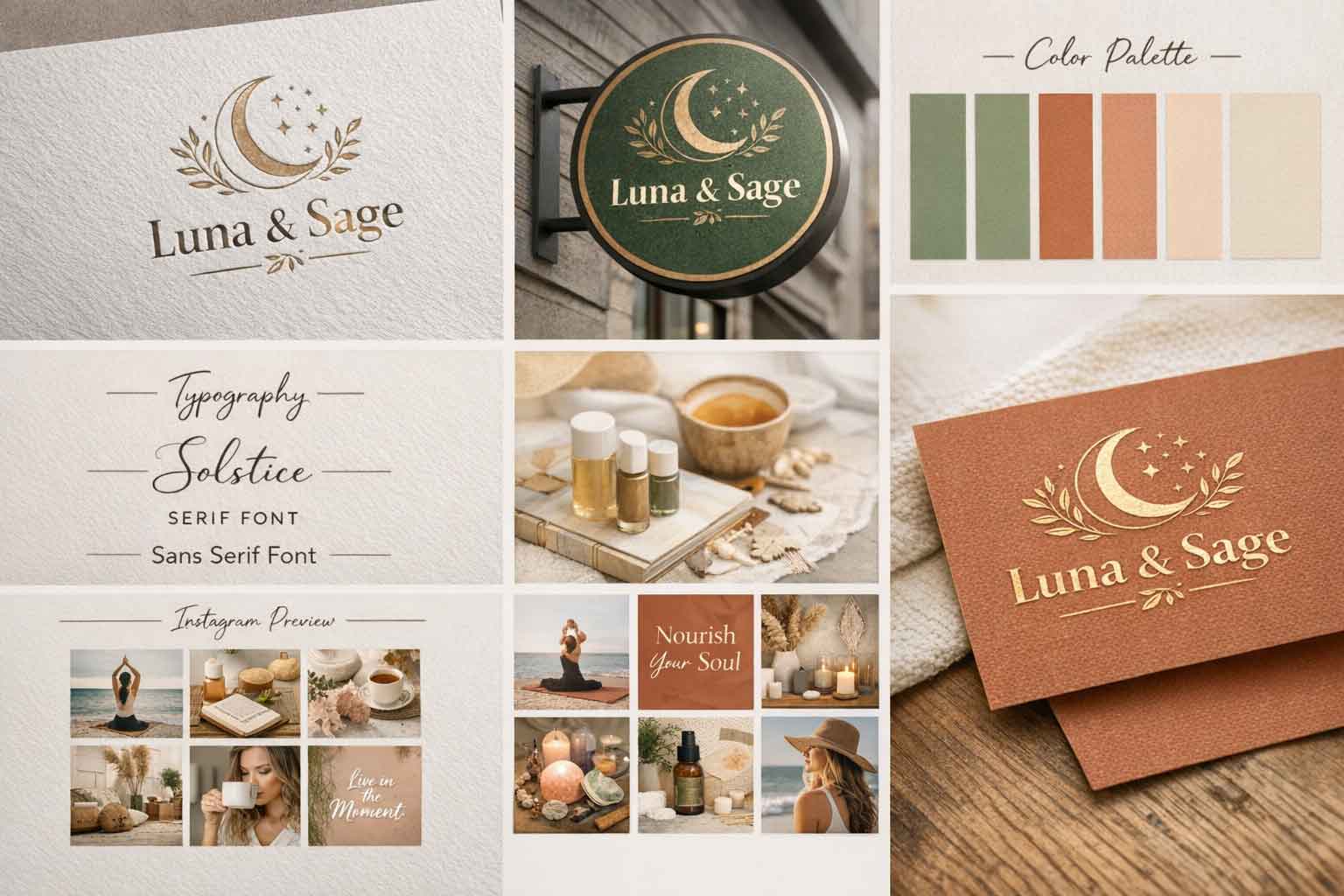
Brand identity is the visual and emotional representation of your fashion brand. It encompasses everything from your logo and color palette to your brand voice and messaging. A well-defined brand identity communicates your brand values and what makes your fashion brand unique. It's the foundation upon which your brand image is built, influencing how your target audience perceives your fashion products. Understanding brand identity is essential for fashion marketing and creating a cohesive brand experience across all platforms. This understanding sets the stage for building a strong brand that resonates with your audience and stands the test of time. As a fashion entrepreneur, investing in your brand's identity is investing in its future.
The Importance of Brand Identity in Fashion
In the dynamic world of fashion, brand identity is more than just aesthetics; it's the essence of your brand's story. It's what sets your fashion brand apart, shaping customer perceptions and driving brand loyalty. A strong brand identity communicates your brand values, target audience, and unique selling proposition. It’s the foundation for all your marketing strategies and helps in creating a cohesive brand image. Without a clear brand identity, your fashion products risk getting lost in the noise. A well-crafted brand identity ensures your clothing brand is recognizable, memorable, and resonates with the right audience, fostering long-term success in the competitive fashion industry. This is also applicable if you are trying to start a fashion brand from scratch.
Key Elements of a Strong Brand Identity
Creating a fashion brand with a strong brand identity involves several key elements. A few of the most important are:
- A memorable logo
- A consistent color palette
- A distinct typography
- A unique brand voice
Your logo should be instantly recognizable and reflective of your brand values. The color palette should evoke the right emotions and align with your brand’s personality. Typography should be legible and complement your overall design. Your brand voice should be consistent across all platforms, engaging with your audience in a way that feels authentic and relatable. Together, these elements create a cohesive and compelling brand identity that sets your fashion brand apart and fosters brand awareness. A successful brand requires a thoughtful and strategic approach to each of these components.
Case Study: Successful Fashion Brands and Their Identities
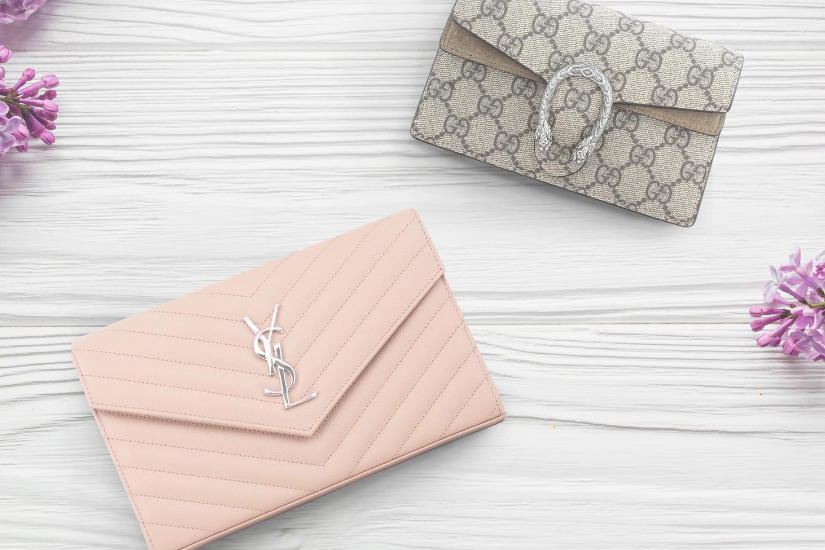
Examining successful fashion brands offers valuable insights into crafting a powerful brand identity. Consider how brands like Chanel have built their empires on timeless elegance and sophistication, reflected in their minimalist logo and classic designs. Gucci, on the other hand, showcases luxury and bold creativity through its iconic patterns and avant-garde marketing strategies. Analyzing these case studies highlights the importance of consistency and authenticity in brand messaging. By studying these successful fashion brands, a fashion entrepreneur can gain inspiration and practical knowledge to develop a unique brand identity that resonates with their target audience and creates a lasting brand image. These brands prove that a strong identity is key to building a successful brand in the fashion world.
Starting a Fashion Brand

Steps to Start a Fashion Brand
So, you're ready to start a fashion brand? That's fantastic! The first step in building a fashion brand is crafting a solid business plan. This document will serve as your roadmap, outlining your brand's mission, vision, and strategy. You need to define your fashion products and services, analyze your target audience and market, and create a financial forecast. Don't forget to detail your marketing strategies and operational plans. As a fashion entrepreneur, your business plan is your blueprint for success, guiding you through the startup phase and beyond. It's not just about fashion design; it's about building a sustainable fashion business.
Identifying Your Target Market
Understanding your target audience is paramount for any aspiring fashion entrepreneur. Are you targeting the "Fashion Enthusiast," the "Beauty-Conscious Individual," the "Modern Relationship Seeker," or the "Brand-Building Expert"? Knowing your ideal customer informs every aspect of your fashion design and marketing efforts. Consider their demographics, psychographics, and buying behaviors. This knowledge helps you tailor your brand’s message and product offerings to meet their specific needs and preferences. By identifying your target audience, you can focus your resources and efforts on reaching the right people, fostering brand loyalty and driving sales. Your fashion brand will thrive when you truly understand who you're designing for.
Business Needs for a Successful Fashion Startup
To create a brand and transform your vision into a successful brand, every fashion entrepreneur needs certain key business elements. These include the following crucial aspects:
- Securing funding to finance design, production, and marketing.
- Building a strong team with expertise in various areas.
- Establishing an online presence to reach your target audience.
You'll need capital to finance your fashion design process and production, marketing efforts, and operational costs. As a fashion designer, assembling a talented team with expertise in design, production, marketing, and sales is crucial. In today's digital age, a robust online presence is essential for reaching your target audience and promoting your fashion products. These business needs are the pillars of your fashion line, supporting your journey to building a fashion brand that resonates in the competitive fashion industry.
Building Your Fashion Brand
Creating a Unique Brand Image
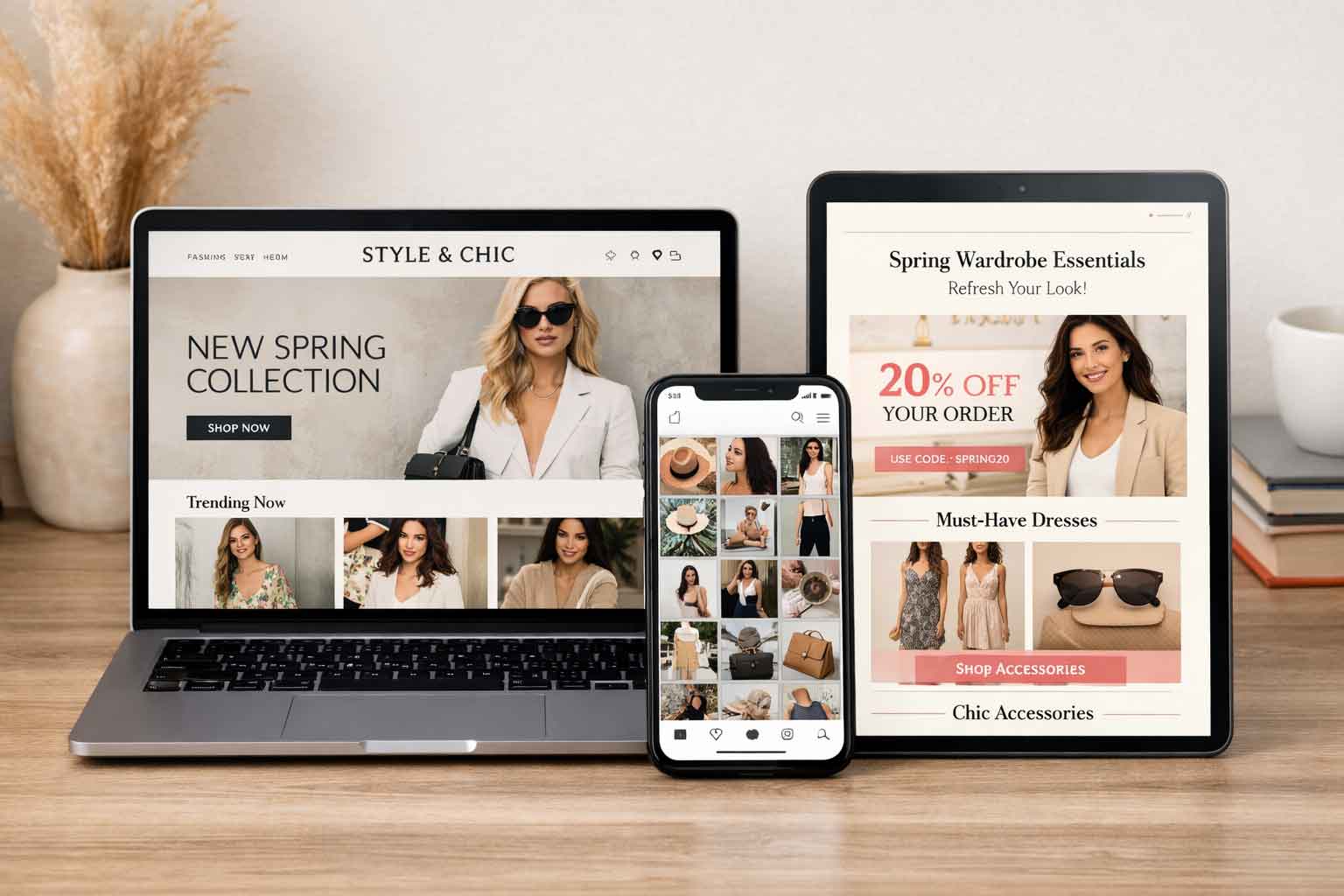
As a fashion entrepreneur, your brand image is how the fashion world perceives your fashion brand. It's more than just a logo; it's the overall impression your clothing brand creates. To craft a unique brand image, first, deeply understand your brand values and ensure they align with your fashion products and target audience. Develop a compelling brand story that resonates with your ideal customers. Use visual elements like color palettes and typography to evoke specific emotions. Consistency is key—ensure your brand image is uniform across all platforms, from your website to social media. By creating a distinct and cohesive brand image, you can set your brand apart and foster brand loyalty in the competitive fashion industry.
Designing Your Fashion Line
Fashion design is at the heart of building a fashion brand, and your fashion line should embody your brand identity. Consider your target audience when designing your fashion products. What styles, colors, and materials resonate with them? Prioritize quality and craftsmanship to create a fashion line that stands the test of time. Infuse your unique selling proposition into your designs, making your fashion products stand out. Don't be afraid to experiment and push creative boundaries, but always stay true to your brand values. Collaboration with other designers or artists can also bring fresh perspectives and innovative ideas to your fashion design process. By thoughtfully designing your fashion line, you'll create a clothing brand that captivates your audience and reflects your brand values.
Showcasing Your Brand Effectively
Showcasing your brand effectively is crucial for brand awareness and reaching your target audience. Utilize fashion marketing strategies to promote your fashion brand and products. An online presence is essential, so invest in a professional website and engage with your audience on social media platforms. Consider participating in fashion shows or events to showcase your fashion line and build brand recognition. Collaborate with influencers to reach a wider audience and increase brand credibility. Ensure your brand and products are consistently presented across all channels, reinforcing your brand identity and unique brand image. By strategically showcasing your fashion brand, you can attract the right customers and foster brand loyalty in the bustling world of fashion. Remember, effective presentation is as important as the fashion design itself.
Increasing Profits in the Fashion Industry

Strategies for Boosting Sales
To truly excel as a fashion entrepreneur, it’s crucial to implement effective strategies for boosting sales and increasing profits. A well-defined marketing strategy is your initial step. It should be tailored to your target audience and include a mix of online and offline tactics. Enhance your online presence through SEO and social media platforms to increase brand awareness. Consider collaborations with influencers to showcase your fashion line to a broader audience. Don't underestimate the power of email marketing; nurture leads and encourage repeat purchases. Offering promotions and discounts can also incentivize sales. Ultimately, your fashion business will thrive when you consistently find new and innovative ways to engage with your audience and drive revenue. A successful brand always adapts and evolves.
Leveraging Personal Brand for Business Growth
As a fashion designer, you should harness the power of your personal brand to propel the growth of your fashion brand. Your personal brand, if cultivated correctly, can become a powerful asset in the fashion industry. Share your design process, inspirations, and expertise on social media platforms and other channels to create a strong brand identity. Be authentic and transparent, showcasing your values and building trust with your audience. Attend industry events and network with other professionals to expand your reach. Your unique selling proposition is not just your designs, but also the story and personality behind them. Use your personal brand to create a connection that fosters brand loyalty and ultimately drives the growth of your fashion business. By aligning your personal brand with your fashion brand, you will create a compelling narrative that resonates with your target audience.
Measuring Brand Success and Profitability
For every fashion entrepreneur, understanding how to measure brand success and profitability is essential for long-term sustainability. Track key performance indicators (KPIs) such as sales revenue, customer acquisition cost, and customer lifetime value. Use analytics tools to monitor website traffic, social media engagement, and marketing campaign performance. Conduct regular market research to gauge brand awareness and customer satisfaction. Don't forget to analyze your profit margins and identify areas for improvement in your design process and operations. By closely monitoring these metrics, you can make informed decisions, optimize your fashion marketing strategies, and ensure your fashion business remains profitable. Remember, a successful brand not only creates beautiful fashion products but also understands its financial health. This approach will assist any attempt to start a fashion brand.