The skincare trend that dominated TikTok isn't disappearing. It's growing up.
If you've spent any time scrolling beauty content over the past few years, you've likely come across skin cycling. Originally popularised by dermatologist Dr Whitney Bowe, the method offered a refreshing alternative to complicated skincare regimens packed with active ingredients.
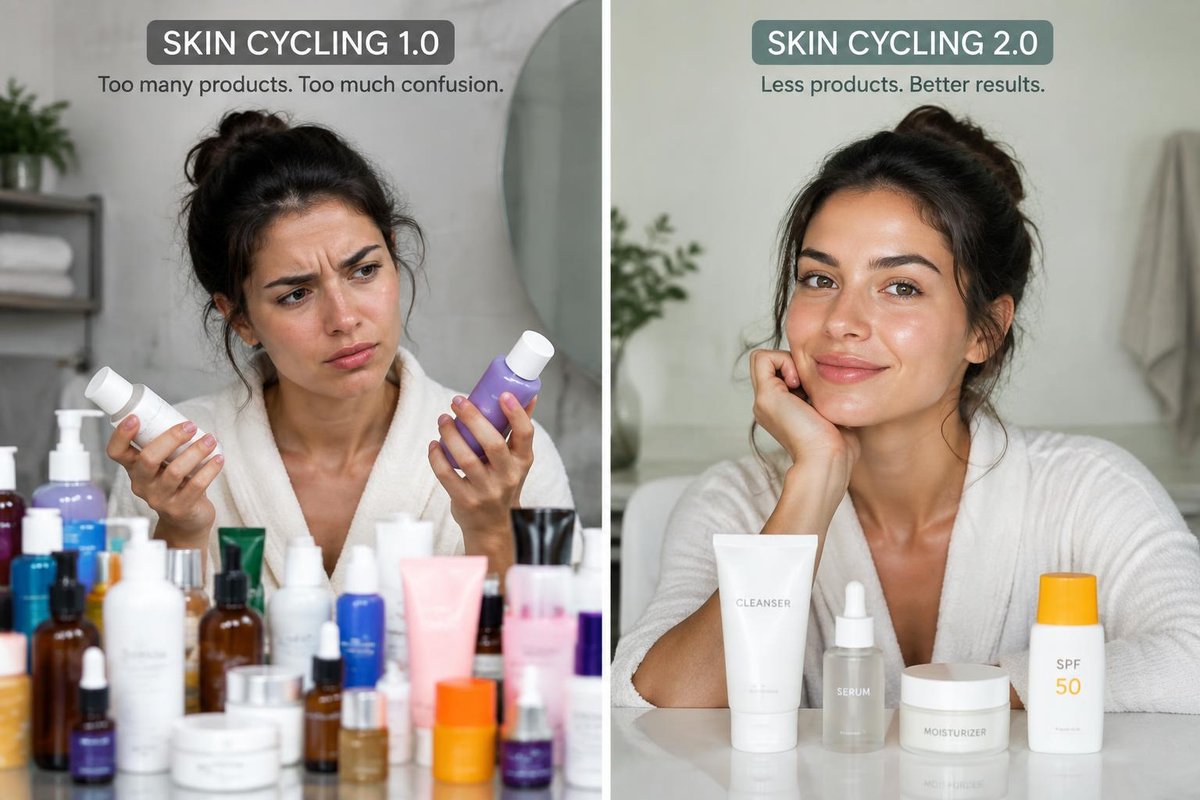
Now, in 2025 and beyond, skincare experts are evolving the concept into what many are calling Skin Cycling 2.0. Instead of following a strict one-size-fits-all 4-night schedule, this updated approach focuses on personalisation, skin barrier support and long-term skin health.
The result? A smarter, more flexible routine designed to help improve skin without triggering irritation, dryness or over-exfoliation.
Whether you're a beginner, dealing with sensitive skin, or simply looking to streamline your skincare routine, here's everything you need to know about the next generation of skin cycling.
What Is Skin Cycling?
At its core, a skin cycle is a structured skincare routine that alternates active ingredients with recovery nights.
The original concept followed a simple 4-night pattern:
Night One: Exfoliation
Use an exfoliant such as:
- Glycolic acid
- Salicylic acid
- Lactic acid
- Other chemical exfoliants
The goal is to remove dead skin cells, encourage skin renewal and create a smoother surface for subsequent treatments.
Night Two: Retinoid
The next night focuses on a retinoid or retinol product to support collagen production, reduce fine lines and promote healthier skin cells.
Nights Three and Four: Recovery
Recovery nights prioritise hydration and barrier repair through:
- Hyaluronic acid
- Niacinamide
- Ceramides
- Squalane
- Rich moisturiser formulas
These recovery days help the skin barrier recover from active treatments and minimise flakiness or irritation.
The benefits of skin cycling quickly became apparent. Many people found they could achieve visible results while reducing the risk of active ingredient overuse.
Why Experts Are Updating the Method
While the original skin cycling routine remains effective, many dermatologists now believe skin cycling 2.0 offers a more realistic and personalised framework.
The biggest shift is flexibility.
Rather than forcing everyone into the same schedule, experts recommend adjusting frequency based on:
- Skin type
- Age
- Skin concerns
- Product strength
- Climate
- Lifestyle factors
The Problem With One-Size-Fits-All Skincare
A person with resilient, oily skin may tolerate exfoliants and retinoids several times per week.
Someone with sensitive skin, rosacea or chronic dryness may require significantly more recovery nights.
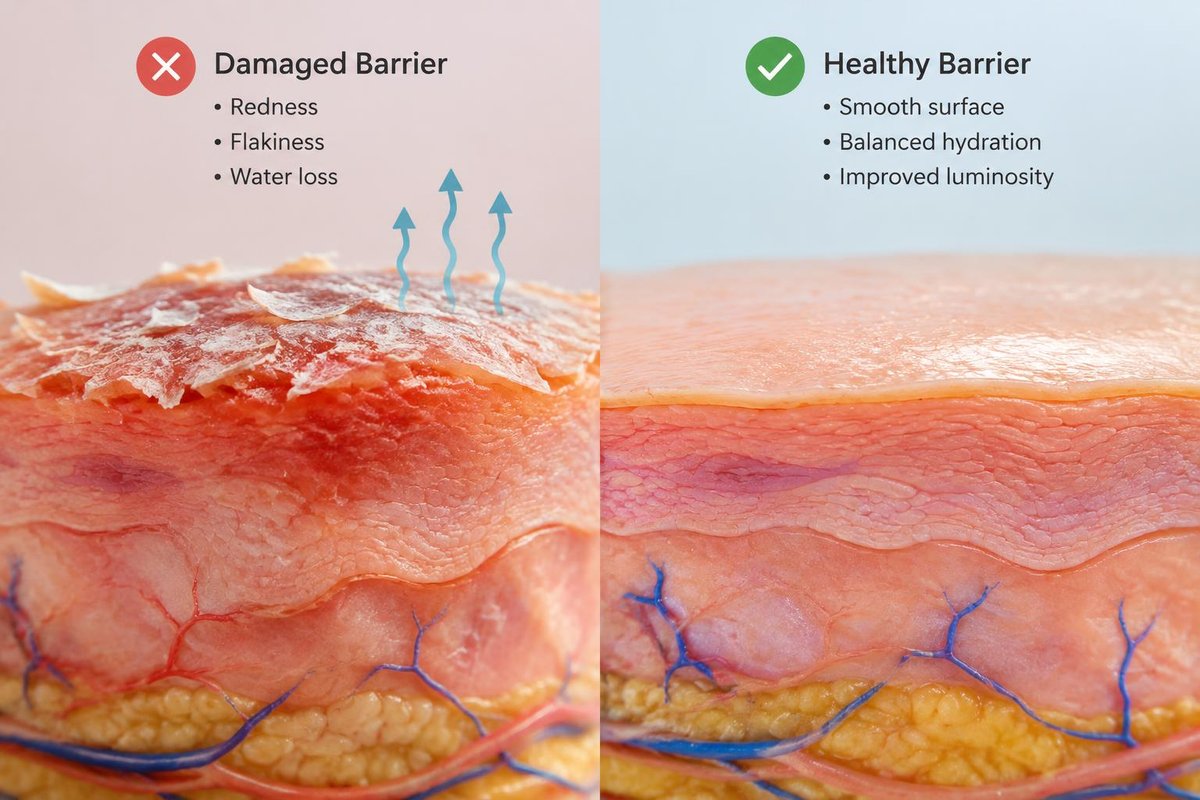
Modern skincare thinking recognises that barrier health determines how well the skin responds to active ingredients.
As dermatologists frequently note, many skincare setbacks stem not from a lack of products, but from too many products used too often.
Skin Cycling 2.0 Prioritises Barrier Health
The updated model places the skin barrier at the centre of every decision.
Instead of asking:
"How many actives can I use?"
Experts encourage a different question:
"How much recovery does my skin need?"
This philosophy reduces irritation while supporting long-term skin renewal.
Recovery Is No Longer an Afterthought
Perhaps the biggest evolution is the growing respect for recovery nights.
Modern routines often include:
- Hyaluronic acid serum
- Peptide treatments
- Niacinamide
- Barrier-supporting moisturiser
- Squalane oils
- Gentle hydration masks
These products help hydrate the skin, improve luminosity and support a stronger, healthier complexion over time.
Dermatologist Commentary
Many dermatologists now view skin cycling as less of a fixed schedule and more of a framework for responsible active ingredient use.
The logic is simple: exfoliants and retinoids can deliver impressive results, but excessive use may compromise the skin barrier and increase inflammation.
A balanced cycle that includes recovery days can help minimise common issues such as:
- Redness
- Dryness
- Flakiness
- Breakout flare-ups
- Uneven skin tone
This gradual approach is particularly beneficial for those who are uninitiated to stronger skincare ingredients.
Who Benefits Most?
One reason skin cycling 2.0 continues gaining popularity is its versatility.
Beginners
If you're looking to start skin cycling for the first time, the structured schedule helps build a routine without overwhelming your skin.
Instead of layering multiple active ingredients at once, products are introduced gradually.
Sensitive Skin Types
Sensitive skin often reacts poorly to high-strength formulas used nightly.
Adding additional recovery nights allows the skin barrier to remain balanced while still receiving the benefits of skin cycling.
Those Experiencing Irritation
Anyone dealing with:
- Redness
- Dryness
- Flakiness
- Over-exfoliation
may benefit from reducing active nights and increasing hydration-focused evenings.
People Addressing Specific Skin Concerns
Skin cycling 2.0 can help support goals such as:
- Improving skin tone
- Reducing dullness
- Smoothing texture
- Minimising fine lines
- Supporting collagen production
- Managing occasional breakouts
- Encouraging skin renewal
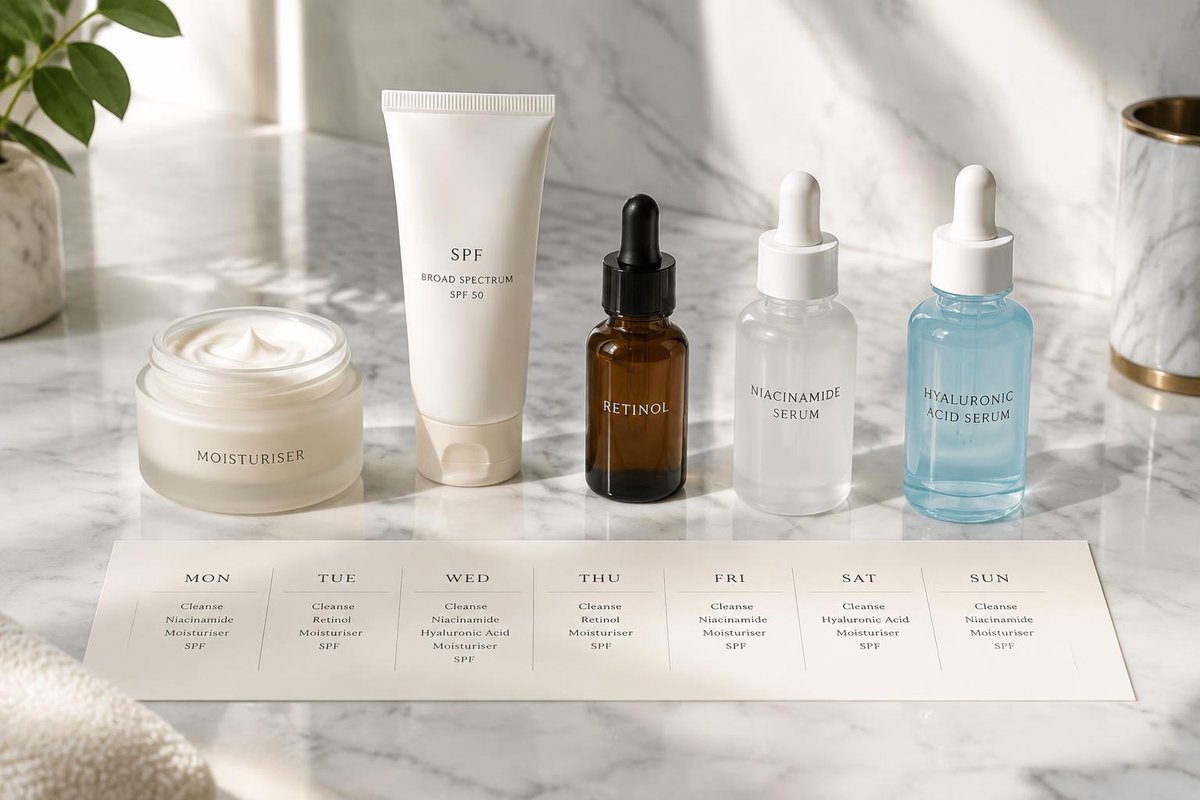
Sample Weekly Routine
One of the biggest upgrades in skin cycling 2.0 is customisation.
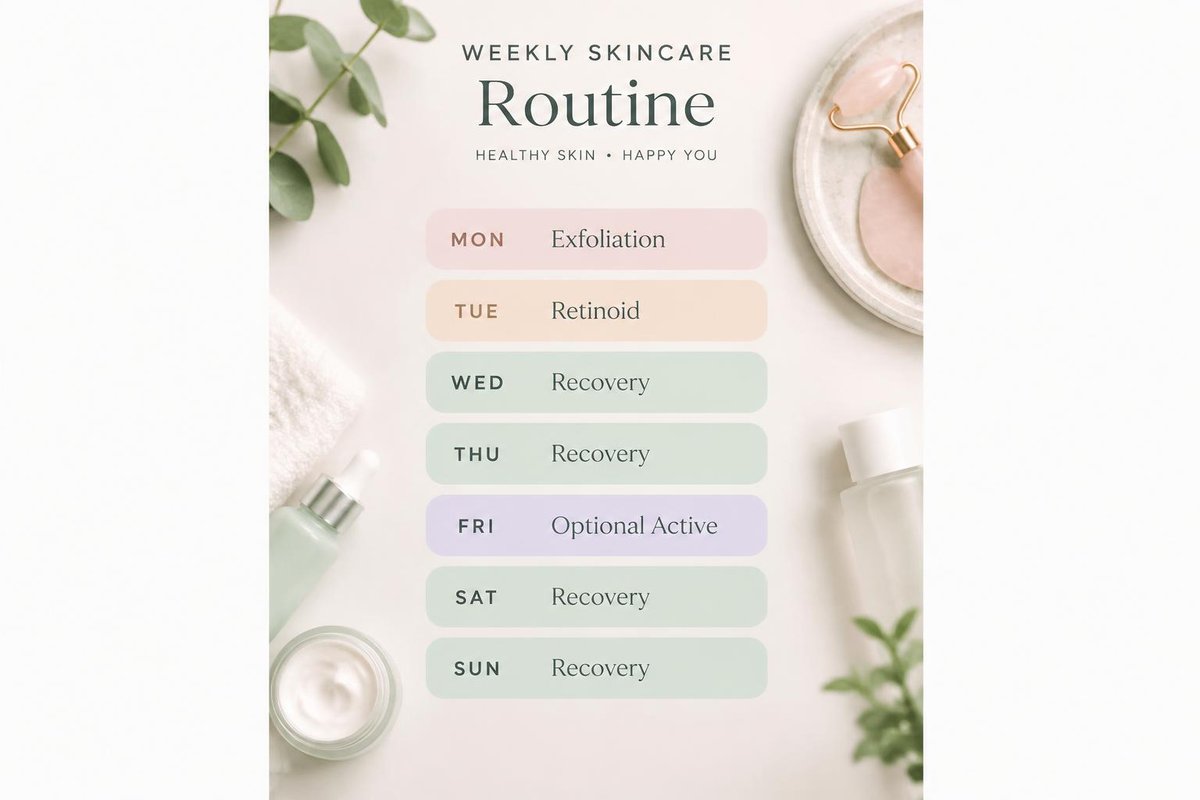
Instead of a rigid 4-night cycle, many experts recommend a weekly framework.
Easy-to-Follow Skin Cycling 2.0 Graphic
Monday: Exfoliation NightGentle exfoliating acid such as glycolic acid or salicylic acid
Tuesday: Retinoid NightRetinol or retinoid treatment
Wednesday: Recovery NightHyaluronic acid serum + peptide moisturiser
Thursday: Recovery NightNiacinamide + barrier repair cream
Friday: Optional Active NightBased on skin tolerance and skin type
Saturday: Recovery NightFocus on hydration and skin barrier support
Sunday: Recovery NightNourishing moisturiser and gentle skincare
Key Reminder
Consistency is key.
Using a moderate routine consistently often delivers better results than aggressive active ingredient use followed by periods of irritation and recovery.
Common Skin Cycling Mistakes to Avoid
Overusing Exfoliants
More is not always better.
Frequent exfoliation may damage the skin barrier and contribute to dryness, redness and sensitivity.
Choosing High-Strength Products Too Soon
Beginners should avoid jumping immediately into high-strength retinoid or acid treatments.
Building tolerance gradually is typically the better approach.
Ignoring SPF
Daily SPF remains essential.
Even the most carefully planned skincare routine cannot compensate for unprotected UV exposure.
Skipping Recovery Nights
Recovery nights are where much of the barrier repair happens.
Treating these evenings as optional can undermine the effectiveness of the entire cycle.
The Future of Skin Cycling
One prediction beauty experts increasingly agree on is that skincare is moving away from maximalism.
Consumers are becoming more ingredient-aware and less interested in complicated 12-step routines.
The rise of skin cycling 2.0 reflects a broader shift towards:
- Simplified skincare
- Personalised routines
- Barrier-first beauty
- Long-term skin health
- Sustainable product use
Rather than chasing constant exfoliation or daily active treatments, people are learning that healthy, balanced skin often responds best to moderation.
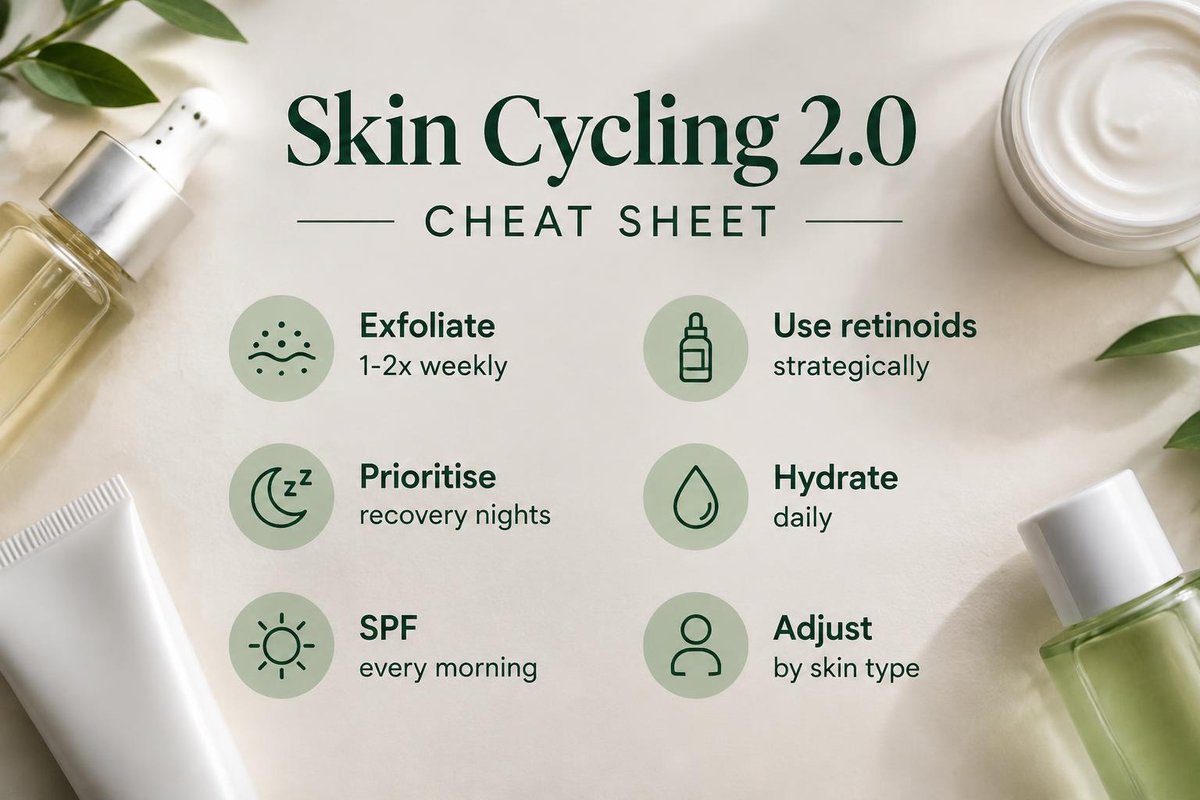
Quick Save: Skin Cycling 2.0 Cheat Sheet
- Exfoliate only as often as your skin can tolerate
- Follow active nights with recovery nights
- Prioritise hydration and barrier repair
- Use retinol gradually
- Add niacinamide, peptides and hyaluronic acid for support
- Wear SPF daily
- Adjust your routine based on skin type and skin concerns
- Focus on progress, not perfection
Frequently Asked Questions
What is skin cycling 2.0?
Skin cycling 2.0 is an updated version of the original skin cycling method. It focuses on personalising active and recovery nights according to individual skin needs rather than following a strict schedule.
Is skin cycling good for sensitive skin?
Yes. Sensitive skin often benefits from additional recovery nights and reduced active ingredient frequency, helping minimise irritation.
How often should I exfoliate when skin cycling?
It depends on your skin type and the strength of the exfoliant. Many people see results with one or two exfoliation nights per week.
Can I use retinol every night?
Not necessarily. While some experienced users tolerate nightly retinol, many people achieve excellent results with less frequent use and more recovery days.
How long does it take to see results?
Visible improvements vary, but many users notice smoother skin texture, improved hydration and a healthier-looking complexion within several weeks of consistent use.
Is skin cycling still trending on TikTok in 2026?
Yes, but the conversation has evolved. The focus has shifted from strict schedules toward personalised skincare routines that protect and strengthen the skin barrier.
Final Take
Skin cycling 2.0 represents a more mature approach to modern skincare. Rather than pushing the skin with constant exfoliation and active ingredients, it encourages balance, flexibility and recovery.
The real innovation isn't adding more products. It's learning when to pause.
As dermatologists and skincare experts continue refining the method, one message remains clear: healthy, resilient skin is built through consistency, thoughtful ingredient use and respect for the skin barrier.
And in a beauty landscape often obsessed with quick fixes, that might be the smartest routine of all.