
Summer in Australia means sun, fun, and festive celebrations, especially with Christmas just around the corner. Many Aussies aim for that sun-kissed glow, so achieving a natural, healthy summer tan is a common goal. But it’s important to get a tan without compromising your skin’s health. This guide offers tips to make the tanning process safe and effective, ensuring you can enjoy your tanned skin responsibly during the Aussie summer Christmas.
Achieving a Great Tan
Top Tanning Tips for a Summer Tan
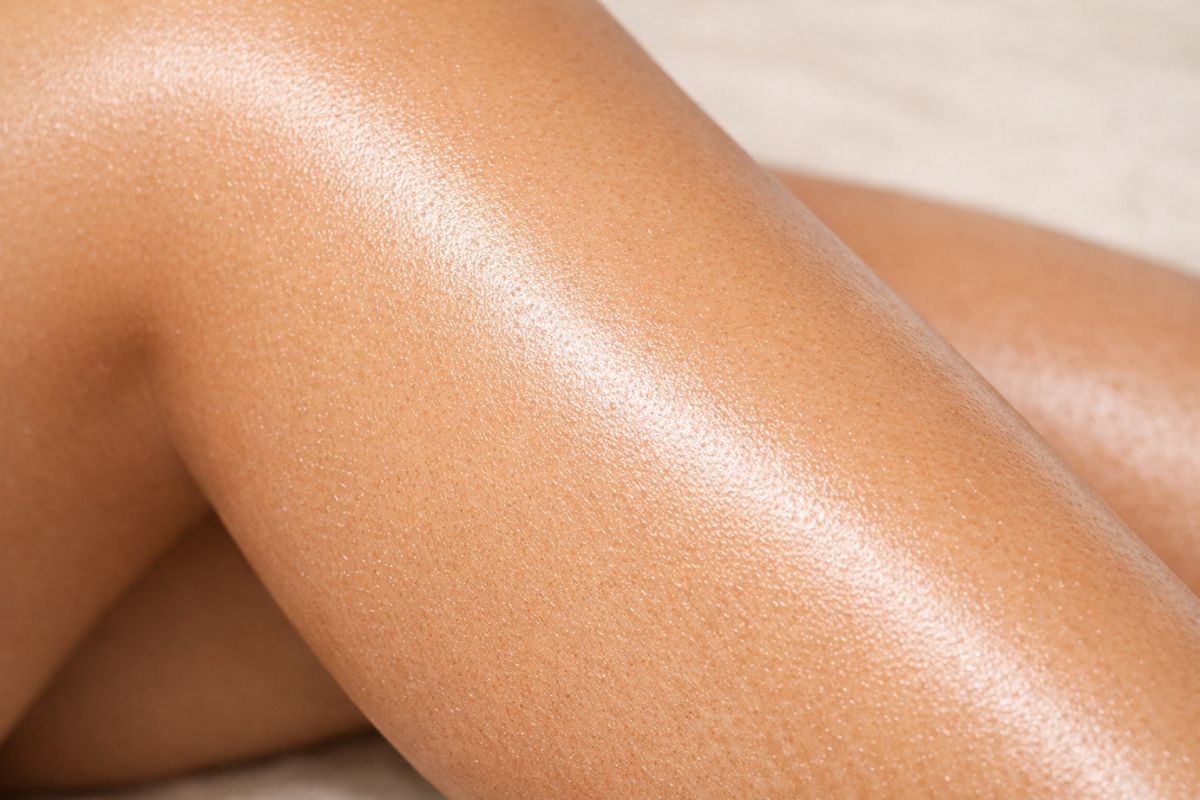
Here are some tanning tips to help you achieve that perfect summer glow. Start by focusing on preparing your skin, which includes the following:
- Exfoliate your skin to remove dead skin cells, ensuring an even tan.
- Moisturise regularly; keep your skin hydrated as this helps the tanning process.
When you're ready for sun exposure, start slowly with shorter tanning session times initially to help you tan without risking sun damage. Remember, sun protection is key – always use a broad-spectrum sunscreen to protect your skin, even when trying to get a tan. By following these tanning tips, you will tan faster while ensuring you are protecting your skin.
How to Get a Tan Quickly and Safely
If you want to get a quick tan safely, consider your skin type. Fair skin requires extra caution and higher sun protection. Gradually increase your sun exposure, allowing your skin cells to produce melanin, which is responsible for that desirable summer tan. Certain tanning products can help you tan faster but always opt for those with added sun protection. Remember that a sun tan is about achieving a healthy skin look, not just a dark one. It's essential to strike a balance to get a tan quickly and safely, ensuring your skin remains healthy throughout the tanning process.
Understanding Tanning Beds: Pros and Cons
Tanning beds offer a controlled environment to achieve a tan, but they come with their own set of considerations. A major downside is the intense UV exposure, which can significantly increase the risk of skin damage. While some argue that tanning beds allow for a quicker, more consistent tan, the potential for harm is substantial. It's important to be aware that if you are wondering why your tan doesn’t last, frequent use of tanning beds can dehydrate the skin, affecting how long your tan lasts. The best approach is always to prioritise the health of your skin.
Making Your Tan Last Longer
Moisturise for a Long-Lasting Tan
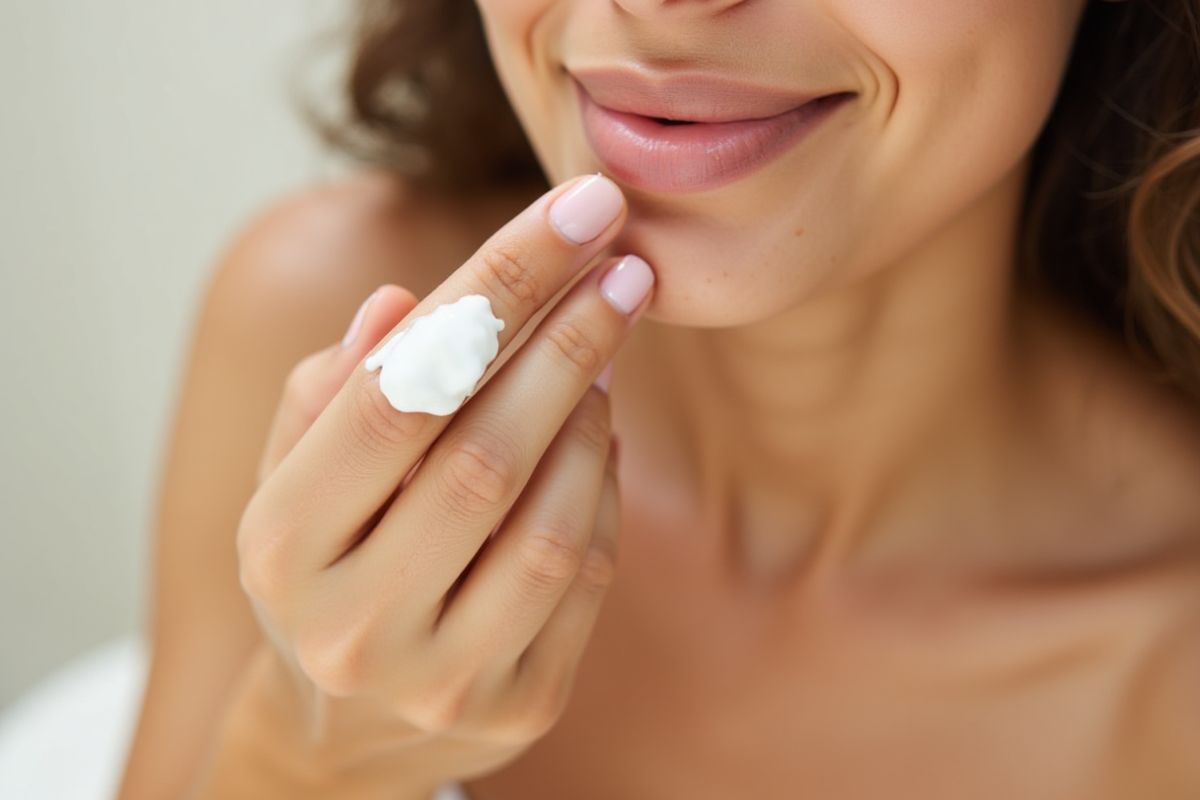
To make your tan last longer, the first step is to moisturise. Hydrated skin retains a tan more effectively, so incorporate a rich moisturiser into your daily skin care routine. After each exposure to the sun, give your skin a generous layer of lotion to help lock in moisture and keep your skin supple. A long-lasting tan is achievable with consistent moisturisation, preventing your skin cells from drying out and causing your tan to fade. This simple tip can significantly extend the life of your summer tan.
Skin Care Tips to Help Your Tan Last
Here are several skin care tips beyond moisturizing to make your tan last. Specifically, you should consider the following:
- Gentle exfoliation once or twice a week to remove dead skin cells without stripping away your tan.
- Avoid harsh soaps or scrubs that can cause your tanned skin to fade more quickly.
Also, consider using a tan extender, a tanning product designed to prolong the life of your tan. These products often contain ingredients that boost melanin production and keep your skin hydrated, helping you tan faster and maintain that summer skin look.
How to Tan Without Harmful Sun Exposure
If you are wondering how to get a tan without excessive sun exposure, there are alternatives to tanning beds and prolonged sunbathing. Self-tanners and tanning products offer a sunless tan option, allowing you to achieve a natural tan without skin damage. Look for products with natural ingredients and always follow the application instructions carefully to ensure an even tan. Remember, it's not just about the tan; it's about protecting your skin and maintaining its health. With the right approach, you can enjoy tanned skin responsibly during the summer Christmas season.
Fair Skin Tanning Techniques

Safe Tanning Time for Fair Skin
When it comes to fair skin, understanding safe tanning practices is crucial. Fair skin is more prone to sun damage, so to help you tan without harmful effects, it's essential to follow some key steps:
- Limiting sun exposure is crucial.
- Start with short tanning session times, such as 10 to 15 minutes, and gradually increase the duration as your skin adjusts.
- Always apply a high SPF, broad-spectrum sun protection to protect your skin from harmful UV rays, even on cloudy days.
Remember, a slow and steady approach is best to get a tan while minimising the risk of sun damage. The goal is to achieve a natural tan, not a sunburn.
Natural Tan Last: Products to Consider
To make your tan last longer, especially for fair skin, certain tanning products can be incredibly beneficial. Look for moisturisers and tan extenders specifically designed to prolong a natural tan. These products often contain ingredients that help keep your skin hydrated, which is key to preventing the tan from fading. Regular exfoliation is still important, but be gentle to avoid removing tanned skin cells prematurely. Also, consider using tanning oils with added sun protection to enhance the tanning process while safeguarding your skin during sun exposure.
How to Tan Faster with Fair Skin
If you have fair skin and want to tan faster, it's important to do so safely. Start by prepping your skin with a gentle exfoliant to remove dead skin cells and create an even tan surface. Before sun exposure, apply a tanning product with a high SPF to protect the skin while encouraging melanin production. Shorter, more frequent tanning sessions can be more effective than long, infrequent ones. After sun exposure, give your skin plenty of moisture to help maintain the tan. Remember, the key is to protect your skin, so find a balance between tanning and sun protection.
Disclaimer: This article is for informational purposes only and does not replace professional medical advice. Always consult a qualified healthcare provider