Skincare has officially entered its biology era. Instead of stripping the skin into submission, today’s beauty science recognises that healthy skin depends on a delicate balance of microorganisms living on the surface of our skin. This living ecosystem — known as the skin microbiome — plays a critical role in barrier repair, hydration, defence and overall skin health.
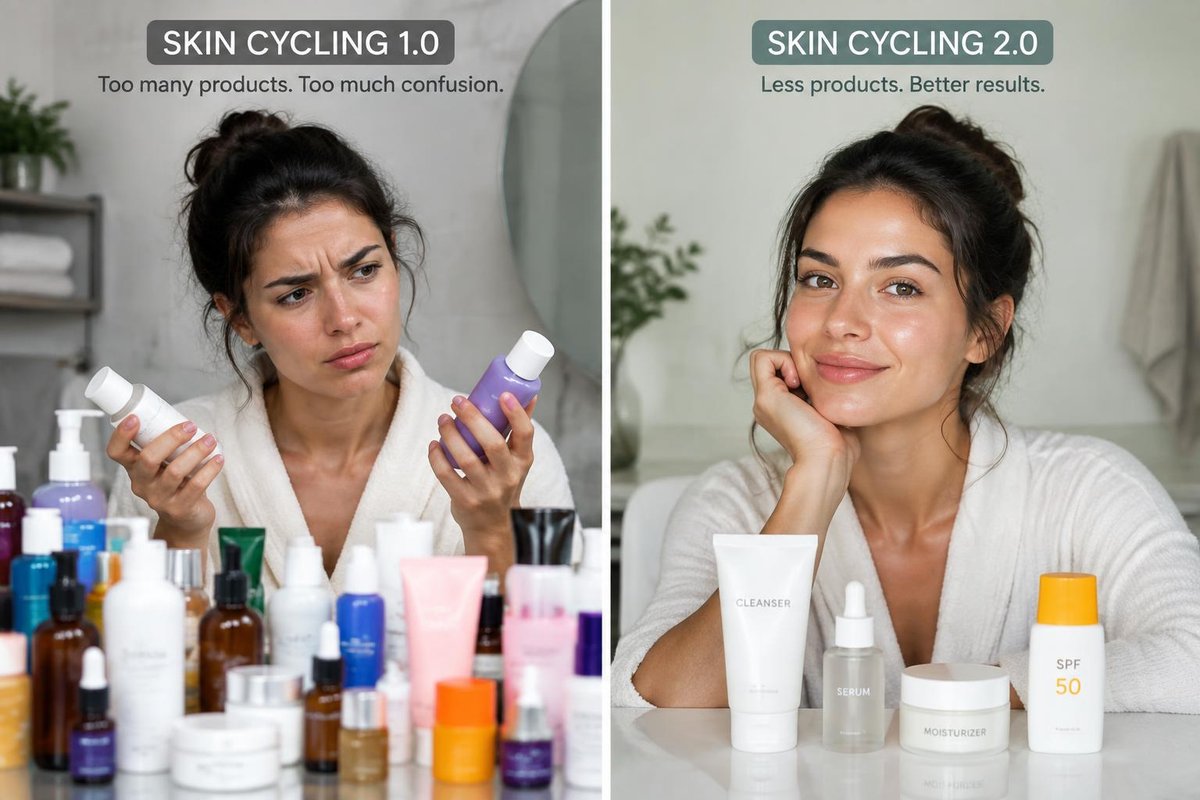
Microbiome skin therapy isn’t about adding more steps. It’s about choosing kinder, microbiome-friendly formulations that work like our skin, not against it.
The Importance of Microbiome in Skincare
Your skin is not sterile — and it was never meant to be.
Understanding the Skin Microbiome
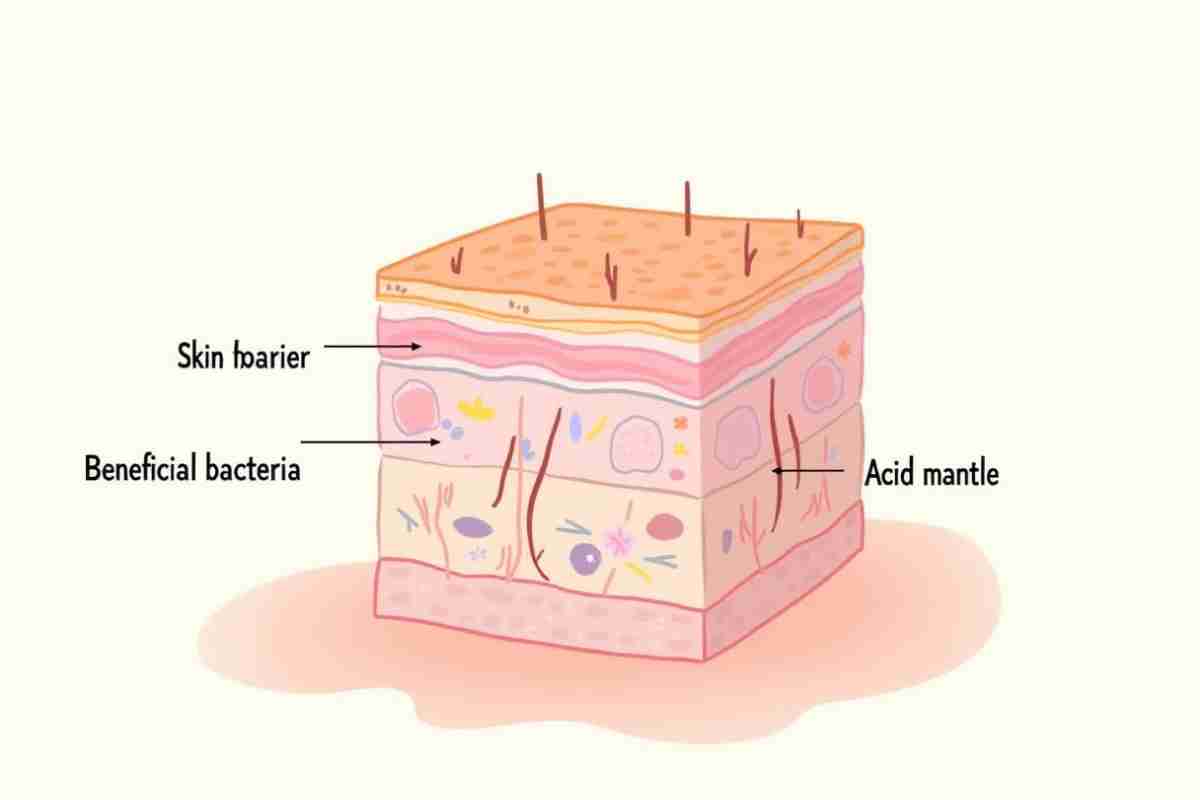
The skin microbiome is a complex ecosystem made up of beneficial bacteria, fungi, viruses and microbes that live on the surface of our skin. Each microorganism contributes to a harmonious environment that supports barrier strength, hydration and immune response.
When balanced, the skin’s microbiome helps maintain the acid mantle, regulates inflammation and protects against external aggressors like pollution and UV exposure.
How a Balanced Microbiome Supports Skin Health
A balanced microbiome supports overall skin health by:
- Strengthening skin barrier function
- Enhancing hydration retention
- Reducing sensitivity and skin problems
- Supporting healthier skin across face and body
Disruptions — often caused by harsh skincare, over-cleansing or aggressive cosmetic products — can lead to acne, eczema, rosacea and other skin issues.
The Role of Microorganisms in Skin Defense
Beneficial microbes act as the skin’s first line of defence, crowding out harmful bacteria, fungus and viruses. This microbial defence system helps protect against irritation, inflammation and environmental stressors while supporting a stronger skin barrier.
Probiotic Skincare: Enhancing the Skin Barrier
Probiotic skin treatment sits at the heart of the microbiome space — and for good reason.
What is Probiotic Skincare?
Probiotic skincare refers to cosmetic formulations that include probiotics, prebiotics or postbiotics to support the skin’s microbiome. These ingredients don’t aim to sterilise the skin — they nourish, rebalance and support the skin’s natural ecosystem.
Brands like Gallinée, Esse Skincare and Tula Skincare have pioneered microbiome-focused skin treatment products grounded in dermatology and beauty science.
Key Skincare Ingredients that Support the Microbiome
Look for these microbiome-supporting skin treatment ingredients:
- Prebiotics like inulin to feed beneficial bacteria
- Postbiotics and lysate ingredients that strengthen the protective barrier
- Ferments that enhance skin vitality
- Gentle cleansers that respect the acid mantle
Together, these ingredients support the skin microbiome while improving overall skin health.
Benefits of a Healthy Skin Barrier
The benefits of microbiome skin treatment go far beyond calm skin.
A stronger skin barrier means:
- Better hydration and moisture retention
- Fewer flare-ups of sensitive skin and various skin conditions
- Reduced acne and inflammation
- Slower visible ageing
When skin barrier function is compromised, the skin becomes vulnerable to pollution, UV damage and irritation — accelerating skin issues and premature ageing.
Kind to the Biome: Choosing the Right Skincare Products
Not all skin treatment products are microbiome-friendly — even those making microbiome claims.
Identifying Microbiome-Focused Skincare Brands
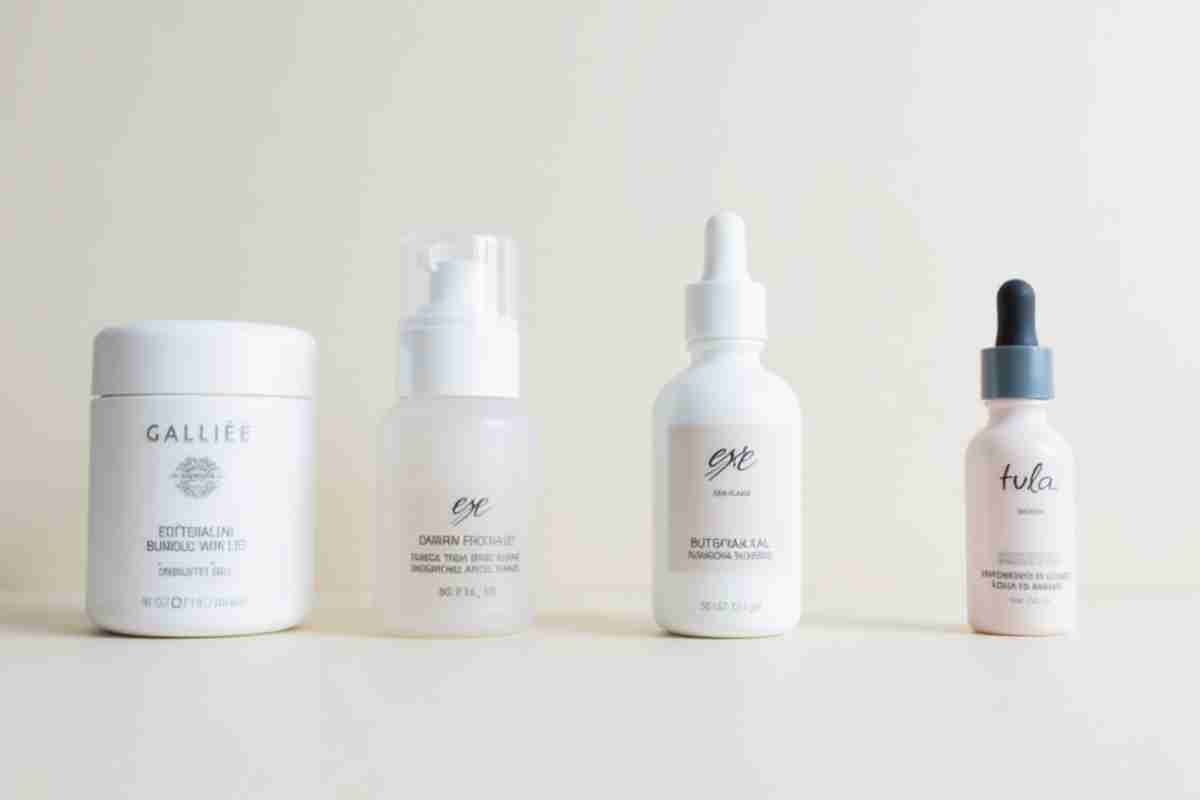
A trustworthy skin treatment brand in this space prioritises:
- Microbiome-friendly formulations
- Gentle, low-pH cleansers
- Transparent ingredient lists
- Minimal fragrance and alcohol
Beauty brands operating in the microbiome space should focus on supporting the skin microbiome, not overpowering it.
Evaluating Skincare Ingredients for Skin Health
If your routine relies heavily on exfoliating acids, foaming cleansers or daily actives, your skin’s microbiome may be under stress. Kind-to-biome skin treatment helps support the skin while maintaining a healthy microbial balance.
Tips for Incorporating Probiotics into Your Skincare Routine
You don’t need to overhaul your entire skin treatment routine overnight.
Try this approach:
- Switch to a microbiome-friendly cleanser
- Introduce one probiotic or prebiotic serum
- Reduce over-exfoliation
- Support overall health through diet and gut health
Consistency allows the skin to rebalance naturally.
Addressing Australian Skin Conditions with Microbiome Skincare
Australia’s climate presents unique challenges for the skin’s microbiome.
Managing Sun Exposure and Humidity
High UV levels weaken the skin barrier and disrupt microbial balance. Microbiome skin treatment helps enhance skin resilience, but daily sun protection remains essential.
Humidity can also impact microbial activity, making lightweight, barrier-supporting formulations ideal.
Dealing with Breakouts and Irritations
Acne isn’t always caused by excess oil — often, it’s linked to microbiome imbalance. Supporting beneficial bacteria helps regulate inflammation without triggering dryness or rebound breakouts.
Strategies for Preventing Premature Ageing
A compromised microbiome leads to chronic inflammation, which accelerates ageing. By supporting the skin’s microbiome, you enhance skin vitality, improve texture and protect long-term skin health.

Final Thoughts from Maya
Your skin is alive — and it thrives when treated with respect. Microbiome skincare reminds us that beauty isn’t about control, but balance. When you nourish your skin’s ecosystem, you support not just healthier skin, but overall wellbeing.
Skincare should feel intelligent, intuitive and kind — because when the microbiome is supported, the glow follows ✨