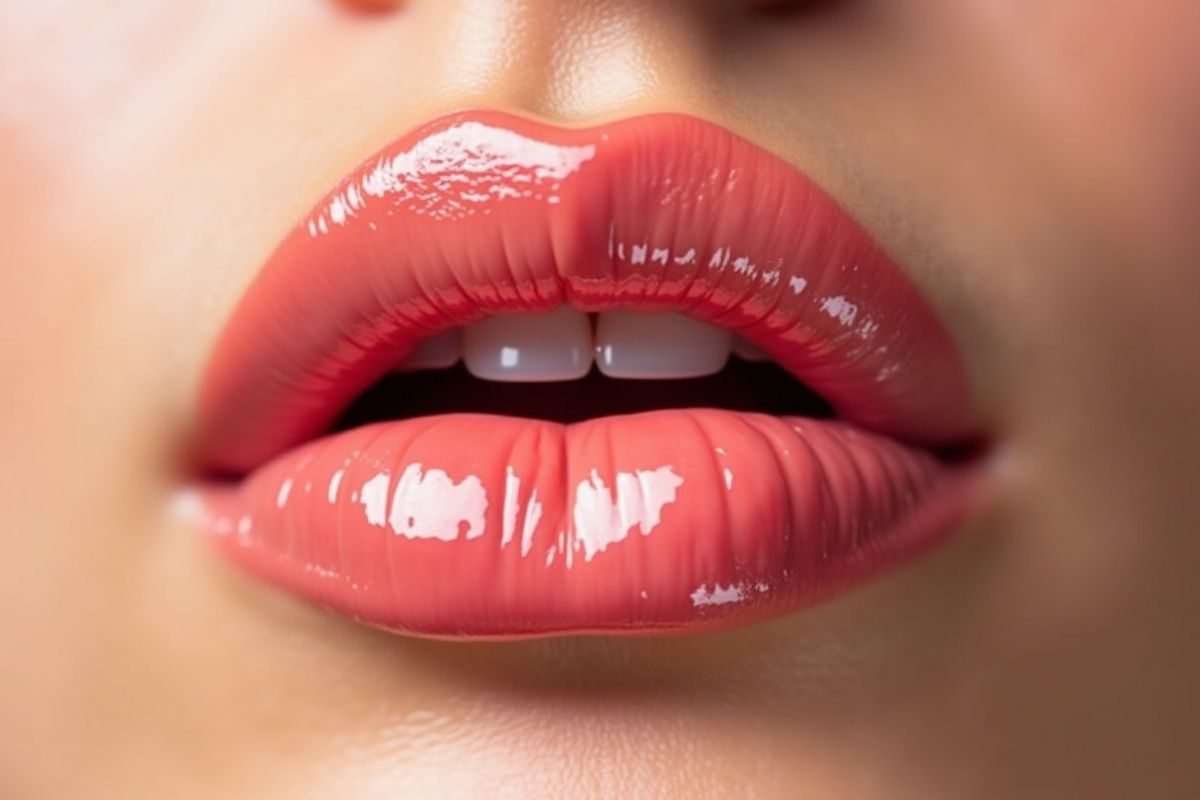
From peptide-packed treatments to SPF-infused balms, lip care is undergoing a major transformation in 2026. Once considered an afterthought in a skincare routine, lip care products are now benefiting from the same scientific innovation driving the broader skincare industry.
As consumers become increasingly educated about ingredients, hydration, barrier resilience, and preventative beauty, the rise of lip skinification is reshaping how brands formulate products and how shoppers build their daily care routines. The result is a booming category that's helping beauty brands drive sales while offering consumers more sophisticated solutions for lip health.
In 2026, it's no longer enough for a basic lip balm to simply moisturize. Today's lip care market includes active ingredients, anti-aging formulations, SPF protection, overnight lip masks, lip oils, lip butters, and multi-functional lip products designed to nourish, protect, and enhance the appearance of the lips.
The Evolution of Lip Care
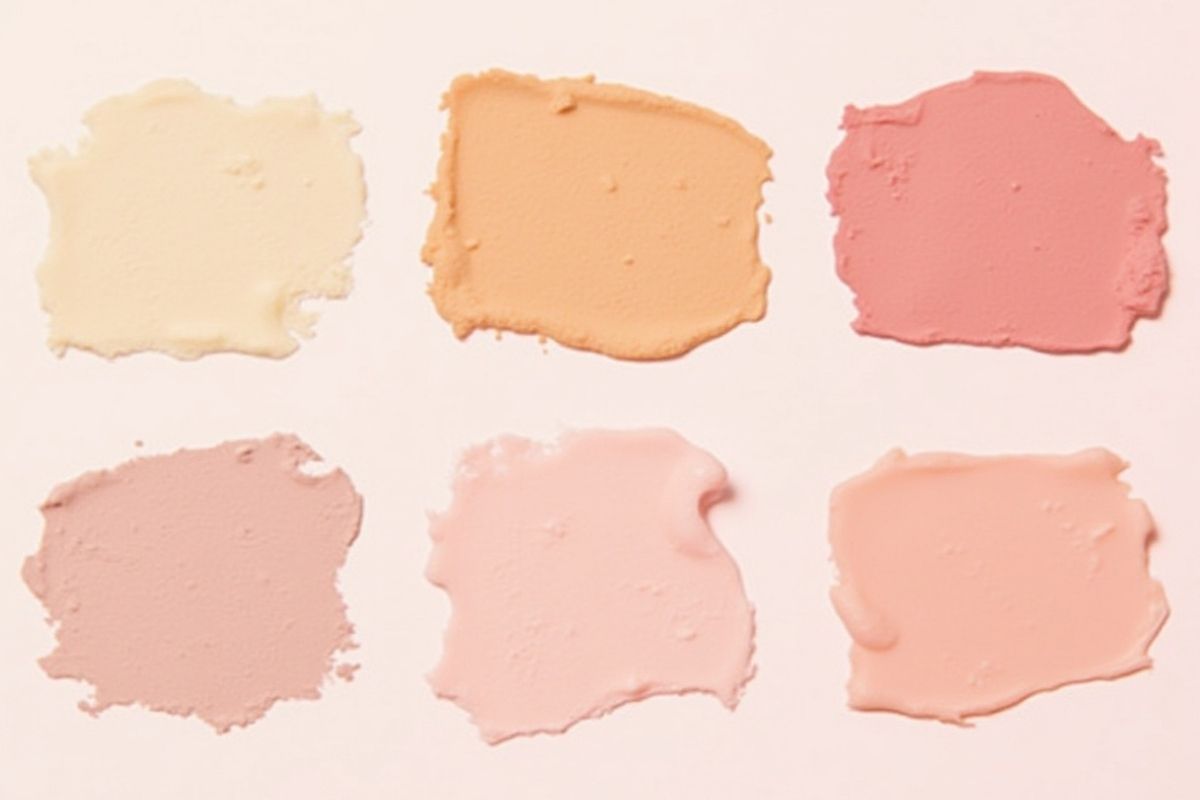
For decades, the typical lip balm focused on one goal: temporary relief from dryness and chapped lips. Many formulations relied heavily on petroleum, wax, and simple emollients to create a protective barrier.
Today, however, lip care has become a legitimate extension of skincare. This shift, often referred to as lip skinification, applies advanced skincare principles directly to the lips. Consumers increasingly understand that lip skin differs significantly from facial skin. Lips contain fewer oil glands, making them more vulnerable to dehydration, sun damage, pigmentation concerns, and premature aging.
As a result, beauty brands are innovating beyond traditional balm products and introducing sophisticated lip remedies designed to hydrate, plump, soothe, and strengthen the delicate lip barrier.
Products that once sat quietly beside lipsticks are now becoming hero beauty products in their own right. Major prestige and mass-market brands alike are investing heavily in lip care formulation innovation, creating a category that continues to deliver impressive year-on-year growth.
Why Is Lip Care Trending in 2026?
Consumers are increasingly searching for products that combine skincare benefits with cosmetic appeal. Rather than owning separate products for hydration, tint, gloss, and sun protection, shoppers are gravitating toward multi-functional lip solutions that simplify their routines while delivering visible results.
Why Consumers Are Paying More Attention
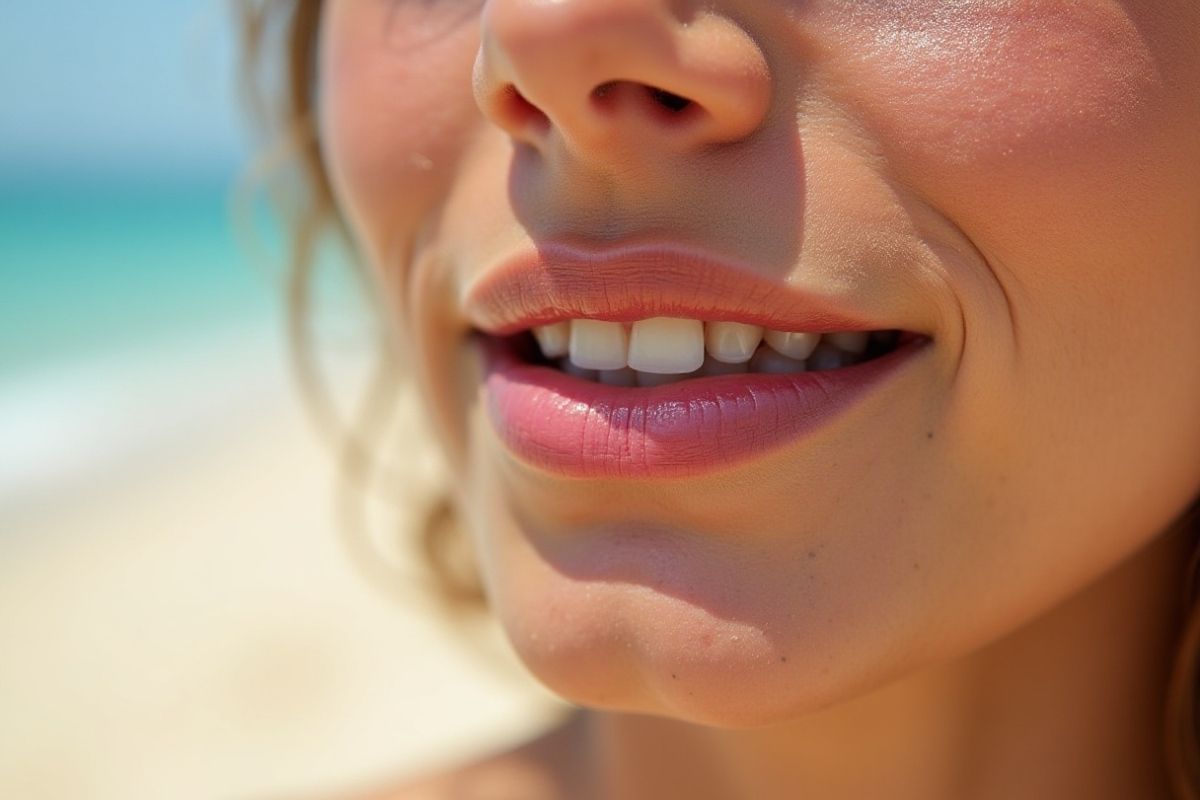
The rise of lip care isn't happening by accident. Several consumer trends are converging at the same time.
Firstly, skincare education has never been higher. Social media, dermatologists, cosmetic chemists, and beauty editors have helped consumers better understand the importance of hydration, barrier repair, collagen support, and preventative care.
Secondly, many consumers are experiencing increased dryness due to environmental stressors, seasonal weather changes, air conditioning exposure, and increased sun exposure.
Thirdly, makeup trends have shifted. Instead of heavy matte lipstick, consumers are embracing fresh, healthy-looking lips with natural gloss, subtle tint, and visible nourishment.
Tinted lip oils, lip butter formulas, and hybrid skincare-makeup products fit perfectly into this aesthetic.
According to beauty industry analysts, the expanding lip care category is also helping brands drive sales through premiumisation. Consumers are increasingly willing to invest in advanced lip remedies that deliver benefits beyond basic hydration.
Expert Commentary
Many dermatologists point out that the lips are one of the most overlooked parts of a skincare routine. Because lip skin is thinner and more susceptible to moisture loss, consistent hydration and SPF protection can play a meaningful role in maintaining long-term lip health.
Cosmetic chemists also note that modern formulations now include active ingredients previously reserved for facial skincare, allowing brands to innovate in ways that weren't common just a few years ago.
Seasonal Relevance: Why Lip Care Matters Year-Round
Lip concerns aren't limited to winter.
While cold weather often causes dry lips and chapping, summer introduces risks associated with sun protection, pigmentation, and accelerated moisture loss. This is one reason SPF lip balms and antioxidant-rich formulations are becoming year-round essentials.
Ingredients Making a Difference
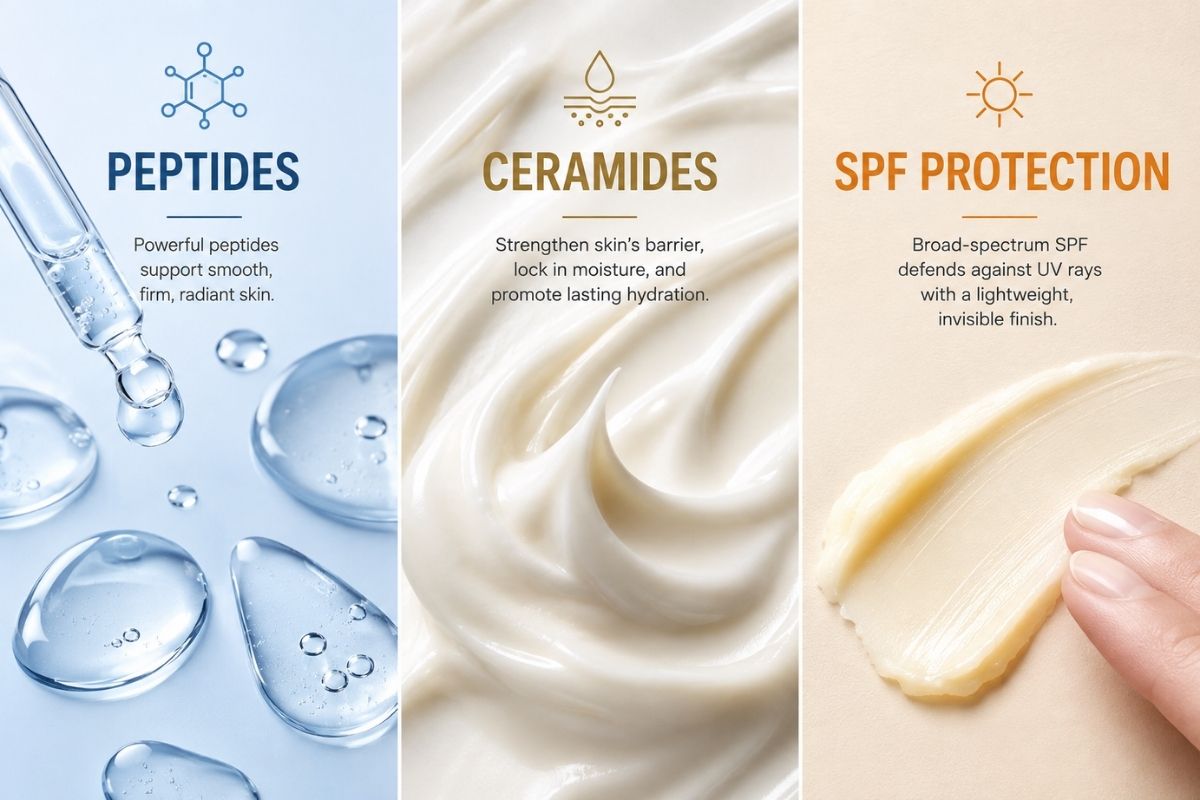
The newest generation of lip care products relies on carefully chosen active ingredients designed to deliver both immediate and long-term benefits.
Peptides
Peptides have become one of skincare's most talked-about ingredients, and their transition into lip care is no surprise.
These amino acid chains help support the skin's natural processes and are often included in formulations designed to promote smoother-looking, fuller lips. Peptide-rich lip remedies may also help improve the appearance of fine lines around the lip area over time.
Many consumers now seek peptide-infused lip oils, overnight lip masks, and tinted lip products that combine beauty benefits with skincare support.
Benefits of Peptides in Lip Care:
- Support collagen production
- Improve the appearance of fuller lips
- Enhance hydration
- Contribute to anti-aging efforts
- Create a smoother lip surface before lipstick application
Ceramides
Ceramides are essential lipids that help maintain barrier resilience and reduce moisture loss. Because lips have limited natural protection against environmental stressors, ceramide-rich formulations are particularly valuable for consumers dealing with dryness, irritation, or frequent chapping.
When combined with ingredients such as hyaluronic acid, shea butter, jojoba oil, argan oil, and vitamin E, ceramides can help strengthen the lip barrier while providing lasting nourishment.
Benefits of Ceramides in Lip Care Products:
- Improve hydration retention
- Reduce dryness
- Help soothe irritated lips
- Support barrier repair
- Enhance long-term moisture balance
For consumers dealing with persistent chapped lips, choosing products that contain ceramide-focused formulations can be an effective preventative approach.
SPF Protection
One of the biggest advancements in lip care may be the growing awareness of SPF protection.
Consumers have become diligent about facial sunscreen, yet many still forget that lips are vulnerable to UV exposure. Regular sun exposure can contribute to pigmentation concerns, dryness, premature aging, and overall lip damage.
Fortunately, many modern lip balms and lip treatments now incorporate broad-spectrum SPF without sacrificing texture, shine, or wearability.
Benefits of SPF Protection for Lips:
- Helps prevent sun damage
- Supports anti-aging efforts
- Reduces pigmentation concerns
- Protects delicate lip skin
- Complements a complete skincare routine
In 2026, SPF protection is increasingly viewed as non-negotiable for maintaining healthy lips.
The New Era of Multi-Functional Lip Products
Today's consumer expects more from every beauty product.
Modern multi-functional lip solutions often combine:
- Hydration
- SPF protection
- Peptide technology
- Ceramide support
- Gloss finishes
- Cosmetic tint
- Antioxidant protection
- Lip plumping benefits
This convergence of skincare and cosmetics is helping reshape the category and attract new consumers who previously viewed lip care as an occasional purchase.
Premium packaging is also becoming part of the conversation. Many brands now emphasize sustainable packaging, eco-friendly materials, clean ingredients, and environmentally friendly manufacturing processes that align with broader consumer values.
As sustainability becomes increasingly important, consumers are seeking organic products and beauty products that balance performance with responsible production.
Saveable Guide: Building an Effective Lip Care Routine
Morning
- Apply SPF lip balm
- Use a nourishing balm with vitamin E
- Layer under lipstick or tinted lip products
Evening
- Remove cosmetic products thoroughly
- Apply an overnight lip mask
- Use peptide or ceramide-rich lip treatments
Weekly
- Gently exfoliate with a lip scrub.
- Follow immediately with hydration-focused products
- Avoid over-exfoliation, which can weaken barrier resilience
Frequently Asked Questions
What is lip skinification?
Lip skinification refers to the application of skincare-inspired ingredients and formulations to lip care products. It includes the use of peptides, ceramides, hyaluronic acid, antioxidants, and SPF protection to support long-term lip health.
Are lip treatments better than traditional lip balm?
Not necessarily. Traditional lip balm remains effective for basic hydration. However, advanced lip treatments often provide additional benefits such as anti-aging support, collagen stimulation, barrier repair, and sun protection.
Do lips really need SPF?
Yes. Lips are highly susceptible to UV damage because they have thinner skin and limited natural protection. Daily SPF protection can help reduce sun damage and premature aging.
How often should I use a lip scrub?
Most experts recommend gentle exfoliation once or twice weekly. Excessive exfoliation may increase sensitivity and dryness.
What ingredients should I look for in lip care products?
Beneficial ingredients include peptides, ceramides, hyaluronic acid, shea butter, vitamin E, jojoba oil, argan oil, antioxidants, and broad-spectrum SPF.
Final Take
The rise of lip skinification reflects a broader shift in beauty: consumers increasingly expect every product to deliver meaningful skincare benefits. In 2026, lip care is no longer an afterthought confined to a simple lip balm or occasional balm application.
Instead, it has evolved into a specialised skincare category centered on hydration, active ingredients, SPF protection, barrier resilience, and long-term lip health. From peptide-powered lip treatments to ceramide-rich formulations and preventative sun protection, modern lip care products are becoming essential components of a complete skincare routine.
My prediction? As brands continue to innovate with clean ingredients, sustainable packaging, and multi-functional lip solutions, lip care will increasingly sit alongside facial skincare as one of beauty's most dynamic and commercially important categories. For consumers, that's good news because healthier, more resilient lips never go out of style.