
Gel nails have become a modern beauty staple—shiny, durable, and effortlessly chic. They outlast regular polish, resist chips, and keep your hands looking polished for weeks. But as with many beauty trends, there’s more beneath the surface than meets the eye. Behind that glossy, salon-perfect finish lies a mix of health concerns worth knowing about, from nail damage to the long-term risks of UV exposure.
As much as I love a gorgeous manicure (and trust me, I do), I also believe beauty should never come at the expense of your health. So, let’s pull back the curtain on gel nails—the appeal, the risks, and the safer alternatives—so you can enjoy your mani with confidence.
Understanding Gel Nails and Their Popularity
What Exactly Are Gel Nails?
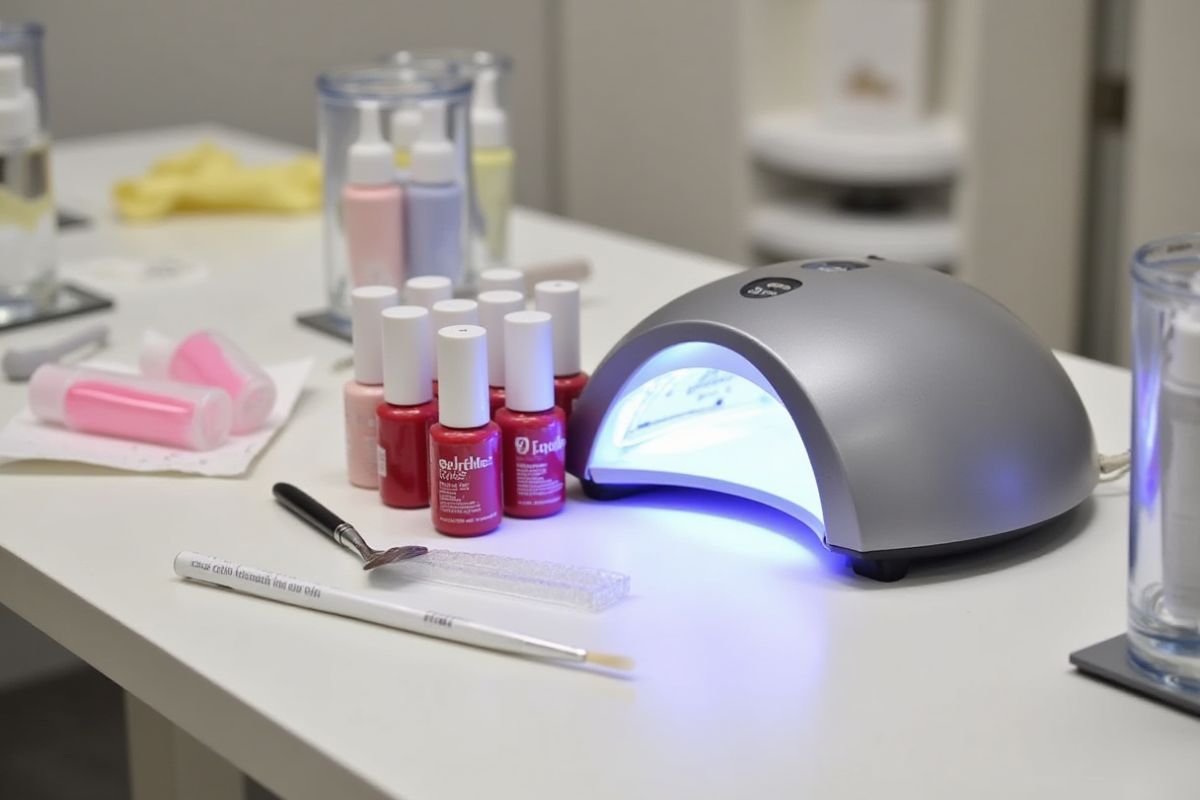
Unlike regular polish that air-dries, gel polish is made with methacrylates—a chemical that hardens only when cured under a UV lamp. The payoff? A long-lasting, chip-resistant finish that can withstand everything from typing marathons to beach weekends.
And it’s easy to see why they’ve become such a beauty go-to: weeks of glossy, unchipped colour, fewer salon visits, and that freshly-done look every time you glance at your hands.
But as convenient as they are, the curing process and the chemicals involved aren’t as harmless as we might think.
The Appeal of Gel Manicures
The allure of a gel manicure stems from its longevity and durability. People appreciate that gel nails can last for weeks without chipping or losing their shine, a significant advantage over traditional nail polish. This extended wear time reduces the frequency of salon visits and offers a convenient, low-maintenance solution for those seeking a polished look. The glossy finish and wide range of available colors further contribute to the appeal of gel nails, making them a fashionable accessory for many.
Common Types of Gel Nail Products
The market offers various gel nail products, including gel polish in a multitude of colors, base coats, and top coats designed to enhance the longevity and shine of the manicure. Gel nail kits are also available, providing all the necessary components for an at-home gel manicure, including the UV lamp for curing the gel. These gel kits often appeal to those seeking a cost-effective alternative to salon visits, although using at-home gel nail kits can pose an increased risk of skin cancer and nail damage if not used correctly.
Health Risks Associated with Gel Nails
Allergic Reactions and Sensitivities
Methacrylates in gel polish can trigger allergies for some people, leading to redness, itching, or even blistering around the nail bed. If you have sensitive skin, frequent gel manicures could increase the likelihood of these reactions.
UV Exposure and Skin Cancer Risk
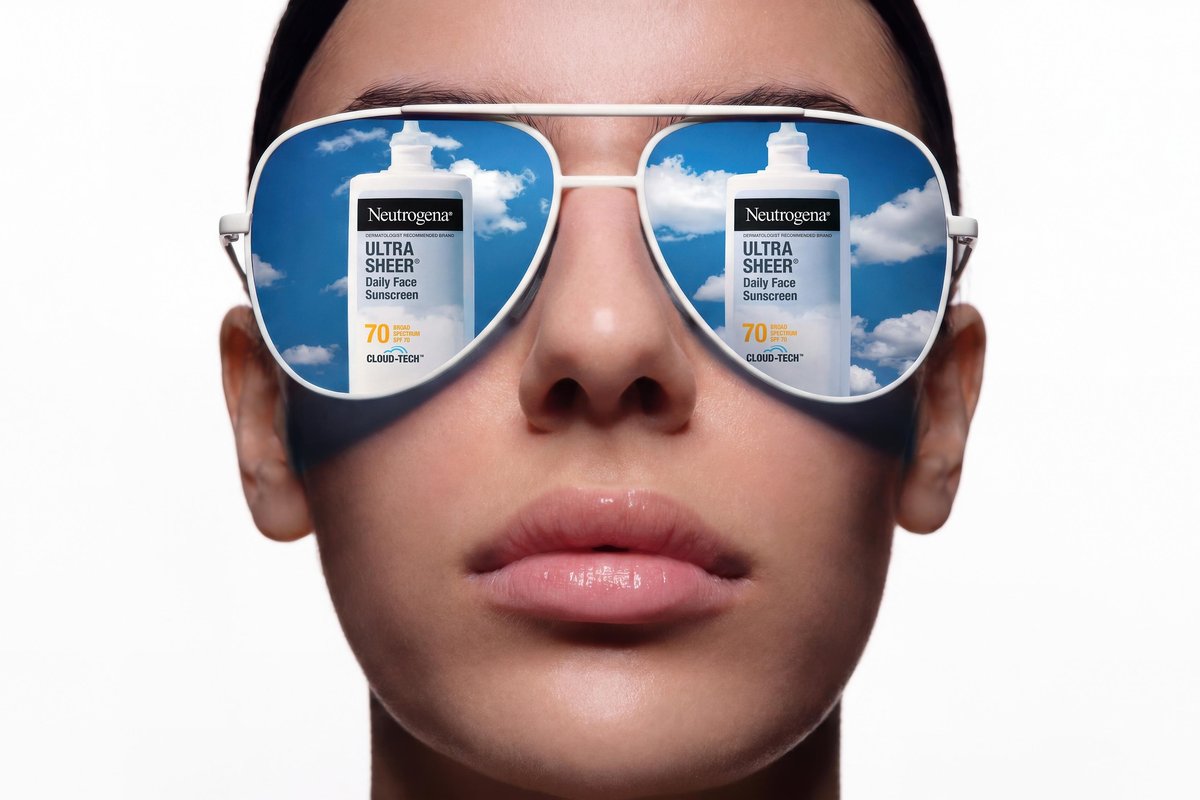
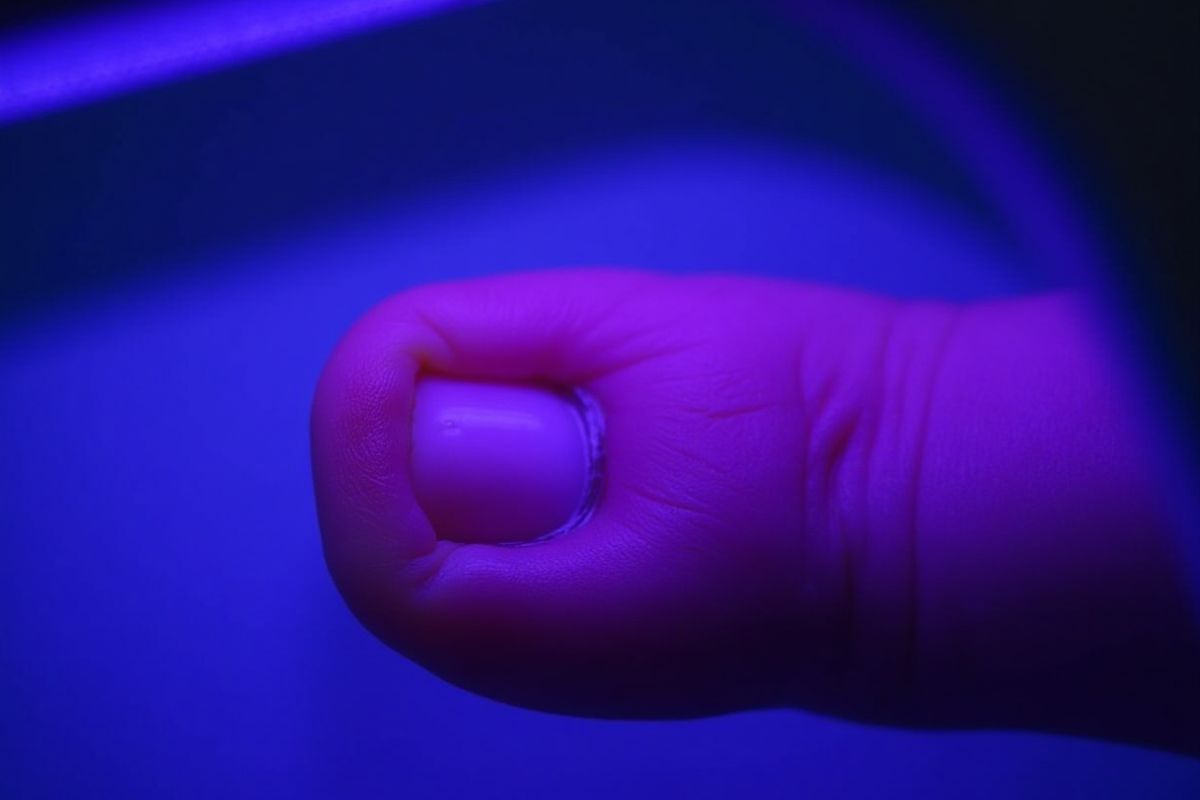
The curing lamps used in salons emit UVA light. While the exposure per session is short, repeated visits over time add up. According to the Skin Cancer Foundation, this cumulative UV exposure can contribute to premature skin ageing and even increase cancer risk—especially on the hands. Dermatologists recommend applying sunscreen to your hands before a gel manicure to help counteract this.
Chemicals in Gel Polish and Their Dangers

Harmful Chemicals Found in Gel Nail Products
Gel nail products contain various chemicals that can pose health risks. These chemicals include:
- Methacrylates, essential for the curing process, are known allergens and can cause contact dermatitis.
- Formaldehyde, used as a nail hardener, is a known carcinogen.
- Toluene, a solvent found in some nail varnish, can cause neurological effects.
The chemicals in gel, when absorbed through the nail bed and surrounding skin, can potentially impact overall health and should be considered when evaluating the safety of gel nails. The Food and Drug Administration has recently begun regulating these harmful chemicals in gel nail polish kits.
Impact on Fertility and Overall Health
Certain chemicals in gel polish have raised concerns about their potential impact on fertility and overall health. Some studies suggest that prolonged exposure to chemicals like toluene and formaldehyde, often found in gel nail polish, may affect reproductive health. While more research is needed, it's crucial to be aware of these potential risks, especially for women who are pregnant or planning to become pregnant. Choosing gel nail polish with fewer harmful chemicals and minimizing exposure can help mitigate these concerns. It is advisable to consult with a healthcare professional or dermatologist, especially if you are considering manicure services.
Countries Banning Certain Gel Nail Products
Due to health risks, some countries have banned or restricted the use of certain chemicals in gel nail products, including those used in acrylics. The European Union, for example, has banned specific methacrylates commonly used in gel polish due to their allergenic properties and potential impact on fertility. These regulations aim to protect consumers from the harmful effects of these chemicals and promote safer nail care practices. Consumers should be aware of these regulations and choose gel nail products that comply with safety standards in their region to protect their nail health and reduce the risk of cancer from the product. The polish kits should be checked and verified before usage.
Alternatives to Gel Nails
Healthier Nail Polish Options
If the risks of gel nails feel daunting, there are plenty of other ways to keep your manicure game strong:
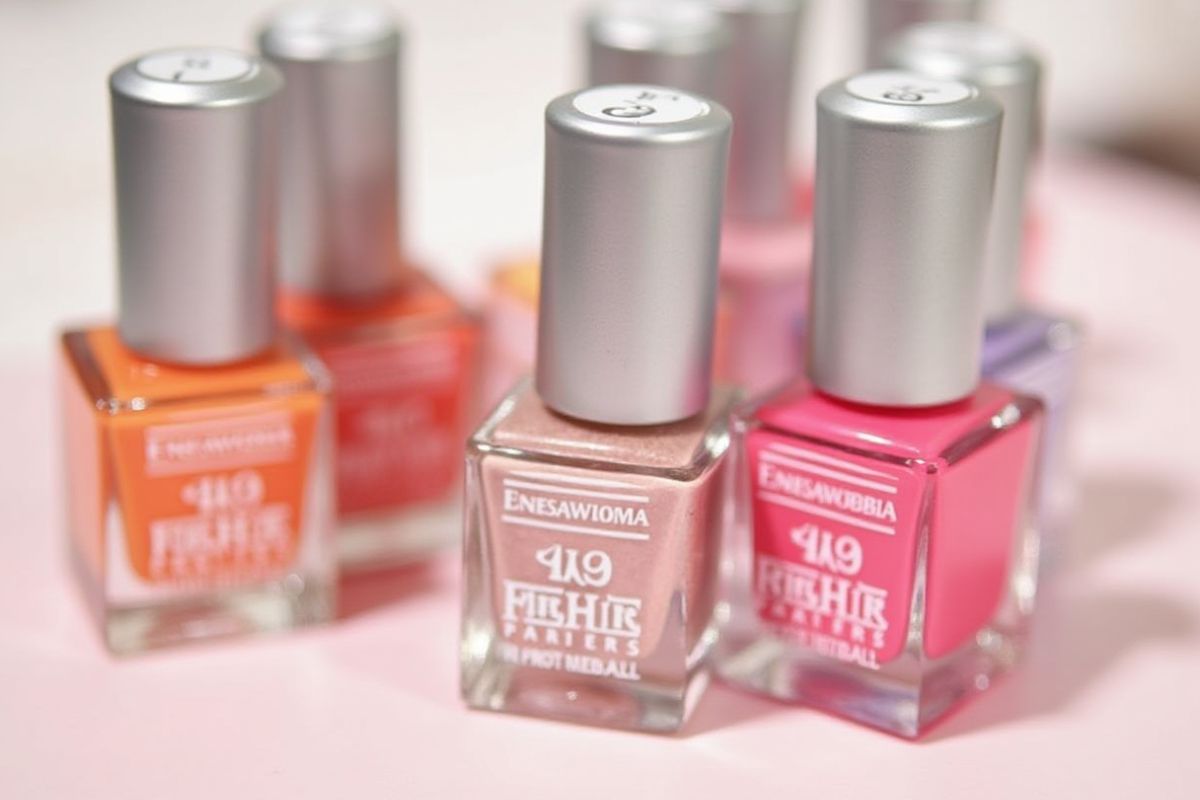
- Traditional polish: It won’t last as long, but “5-free,” “7-free,” or even “10-free” formulas skip the worst offenders like formaldehyde and toluene.
- Nail stickers or wraps: Trendy, chemical-free, and easy to remove.
- Strengthening treatments: Focus on your natural nails with hydrating oils and nail-strengthening products.
Sometimes the best accessory is a healthy, naturally glossy nail.
DIY Gel Nail Kits and Their Safety
At-home gel nail kits seem like the perfect way to save time and money, but they carry similar risks to salon treatments. The included UV lamps still emit radiation, and improper removal can cause nail damage—think thinning, peeling, or white spots on the nail plate.
If you do use one:
- Always apply SPF to your hands before curing.
- Follow removal instructions carefully (never peel off gel polish).
- Give your nails regular breaks between manicures.
Tips for Safe Nail Care
- Moisturise nails and cuticles daily.
- Use a good quality cuticle oil after polish removal.
- Never peel gel polish off—opt for the acetone soak-and-wrap method.
- Take polish breaks to let your nails breathe and recover.
Removing Gel Polish Safely
Best Practices for Gel Polish Removal
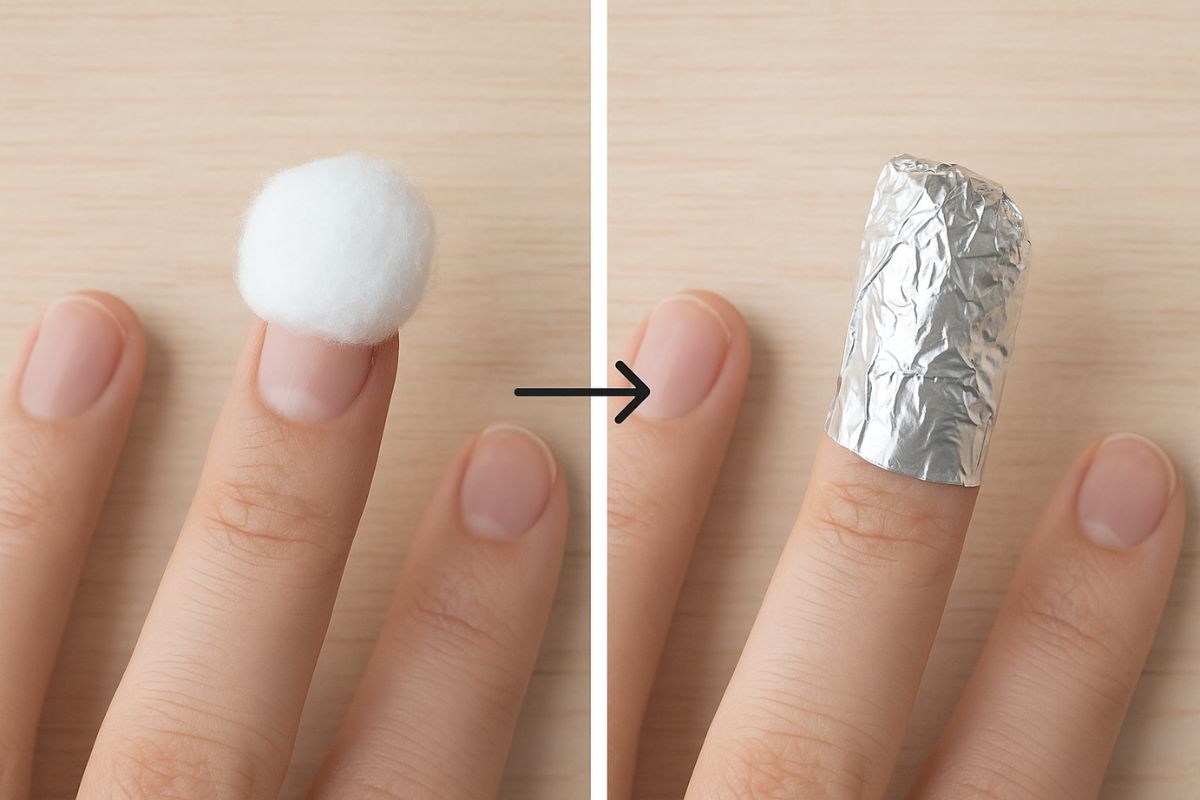
The removal process of gel polish is crucial to avoid nail damage. Avoid peeling off the gel, as this can strip layers of the nail plate, leading to weakened and brittle nails. Instead, soak cotton balls in acetone, place them on your nails, and wrap each finger in foil. This allows the acetone to effectively break down the gel polish, which is often used in gel nail polish kits. After about 10-15 minutes, gently scrape off the softened gel. This method minimises trauma to the natural nail and protects your overall nail health. Remember, patience is key during the removal process to maintain the integrity of your nails.
Post-Removal Nail Care
After removing gel polish, it's essential to provide your nails with some much-needed care. Acetone can be very drying, so apply a moisturising nail and cuticle oil to re hydrate your nails and the surrounding skin. This helps prevent brittleness and promotes healthy nail growth. Consider using a nail strengtheners to help fortify the nail plate and prevent breakage. Giving your nails a break from gel or regular nail polish for a few days allows them to recover and rebuild their natural strength, improving their overall health and appearance.
Signs of Damage from Improper Removal
Improper gel polish removal can lead to several signs of nail damage. Look out for white spots, thinning of the nail plate, and increased brittleness. If your nails feel weak or are prone to peeling, it's a sign that they need extra care. Damaged nails are also more susceptible to infections, so it's crucial to address any issues promptly. If you notice significant damage, consult a dermatologist for advice on how to restore your nail health. Avoid further gel manicures until your nails have fully recovered to prevent further harm to people's nails.